In July 2023, the World Health Organization (WHO) is set to declare aspartame as possibly carcinogenic to humans.
The WHO is set to release two reports on July 14th to serve as a cancer risk assessment for human consumption of aspartame.
The International Agency for Research on Cancer (IARC), part of the WHO, conducted the safety review of aspartame.
An IARC spokesperson said that:
“…the first fundamental step is to understand carcinogenicity. [IARC] conducts risk assessment, which determines the probability of a specific type of harm (e.g. cancer) to occur under certain conditions and levels of exposure.”
The reclassification of aspartame as a possible carcinogen resulted from a review into the artificial sweetener involving over 1,300 scientific studies.
It’s to be considered that IARC is not a food safety body and doesn’t consider the “acceptable daily intake” metrics published by other regulatory bodies.
The IARC only assesses all the available evidence on a chemical’s links to cancer and submits a cancer risk assessment based on those findings.
Research on Aspartame Intake and Cancer Incidence
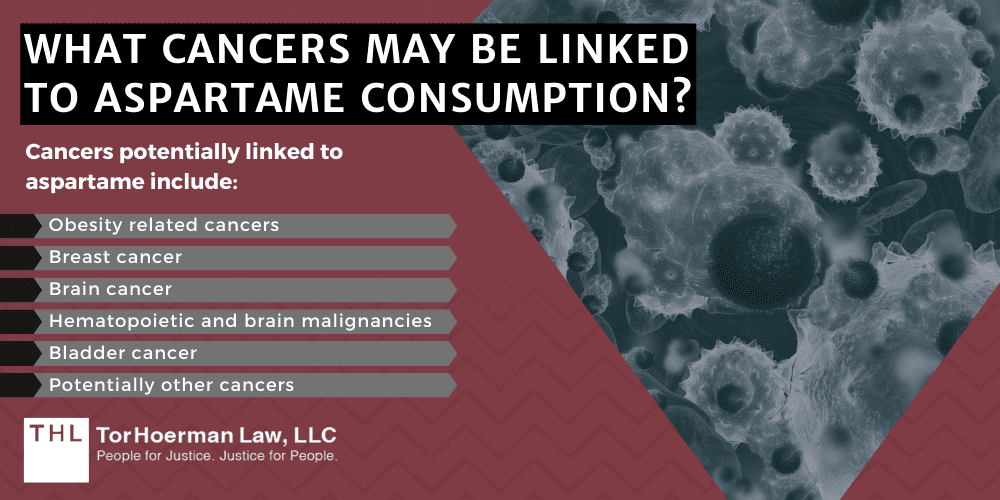
Though the body of research linking aspartame to cancer is highly debated, several studies have found that aspartame is possibly carcinogenic to humans.
In 2022, a cohort study examined the dietary records of over 100,000 French adults and compiled data on the total intake of all artificial sweeteners consumed.
After following-up with participants, researchers found that people who consumed higher amounts of aspartame combined were 1.15 times as likely to develop cancer overall, 1.22 times as likely to develop breast cancer, and 1.15 times as likely to develop obesity related cancers.
Other research studies have largely focused on the effects of aspartame intake on laboratory animals.
Published in 2021, “Aspartame and Cancer – New Evidence for Causation” revisited previous Ramazzini Institute data that showed dose-related increases in malignant tumors in multiple organs in rodents.
Ramazzini Institute data showed that aspartame induces cancers in mature and prenatal laboratory animals, even at low exposure levels.
The interpretation provided by the Ramazzini Institute states that these new findings:
“… Confirm that aspartame is a chemical carcinogen in rodents. They confirm the very worrisome finding that prenatal exposure to aspartame increases cancer risk in rodent offspring. They validate the conclusions of the original RI studies.”