Active Litigation
Asbestos Lawsuit Facts
TorHoerman Law is investigating claims for the Asbestos Lawsuit.

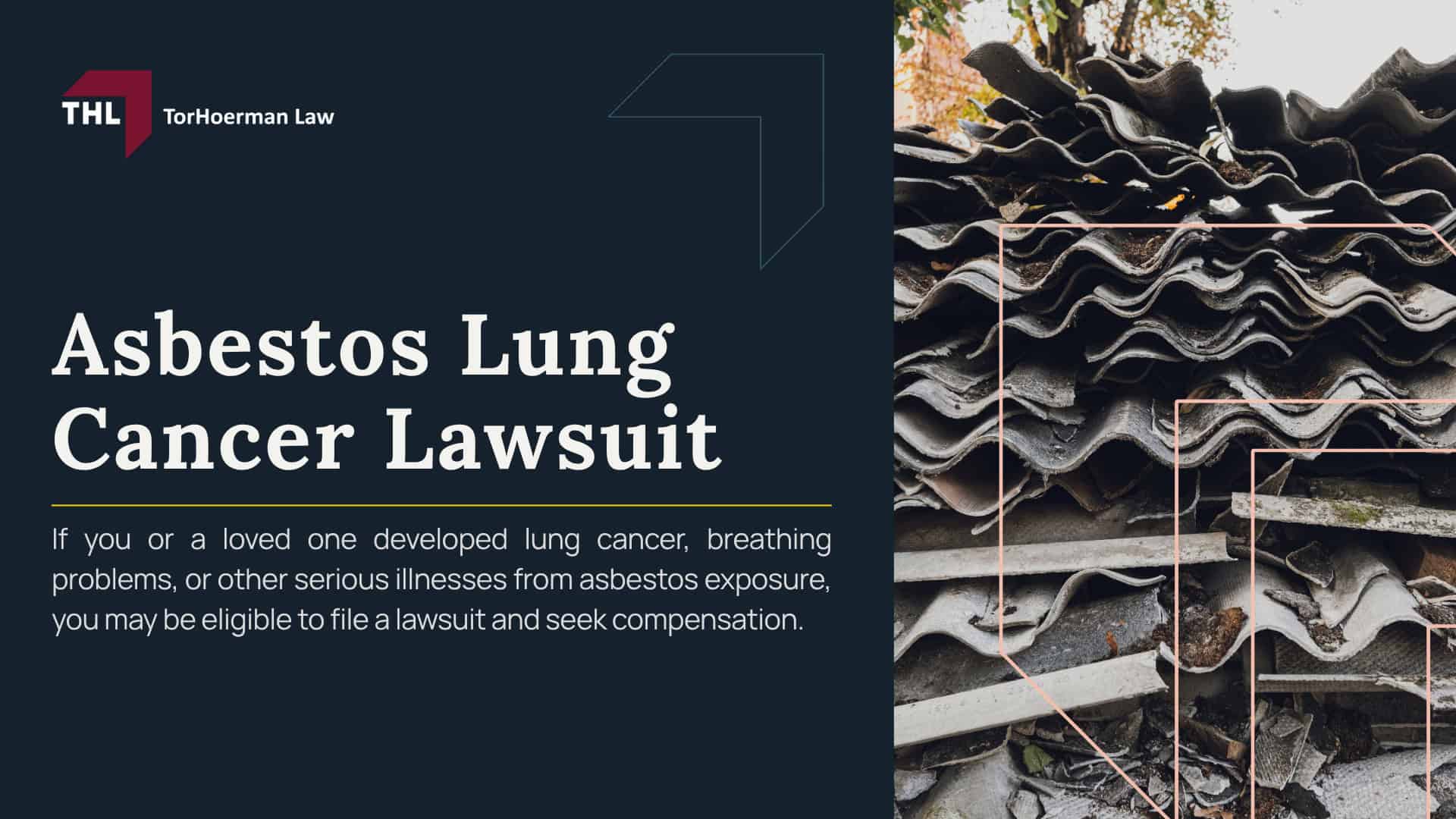
Asbestos is a fibrous mineral used in the past to enhance the durability and non-flammability of construction supplies, flooring, piping, and several other products and materials.
Asbestos fibers are extremely fine and can easily become airborne, which makes it easier for those in proximity to inhale particles.
When asbestos-containing materials are disturbed, they can crumble and release tiny asbestos fibers into the air.
The fine, sharp fibers can penetrate the lung tissue and embed themselves in the organ’s linings.
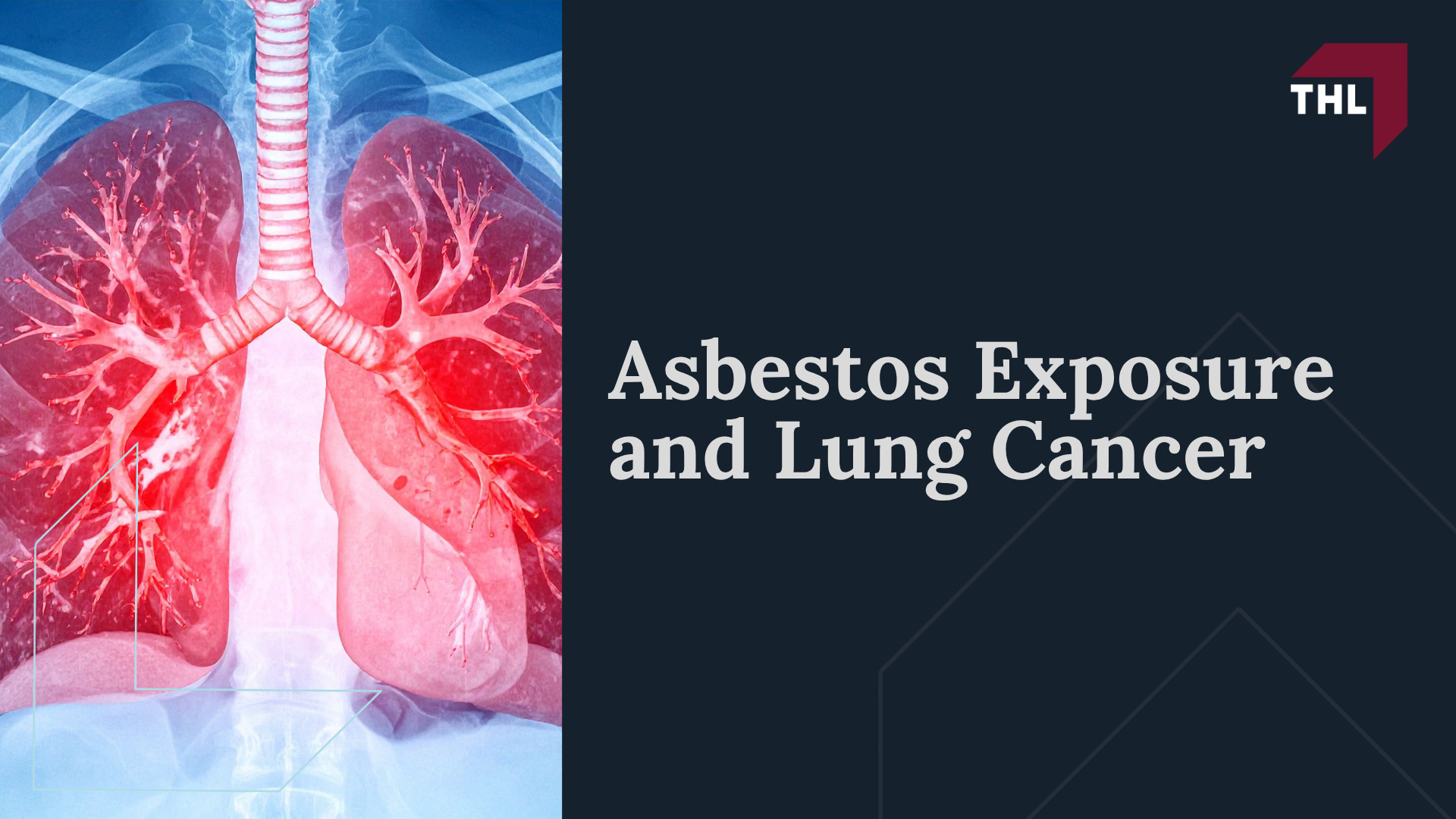
The fibers don’t break down or dissolve in the lung tissue.
The persistent inflammation generates reactive oxygen species (ROS) and other free radicals that can damage cellular DNA.
This damage increases the likelihood of mutations, disrupting normal cell functions and causing uncontrolled cell division, leading to lung cancer.
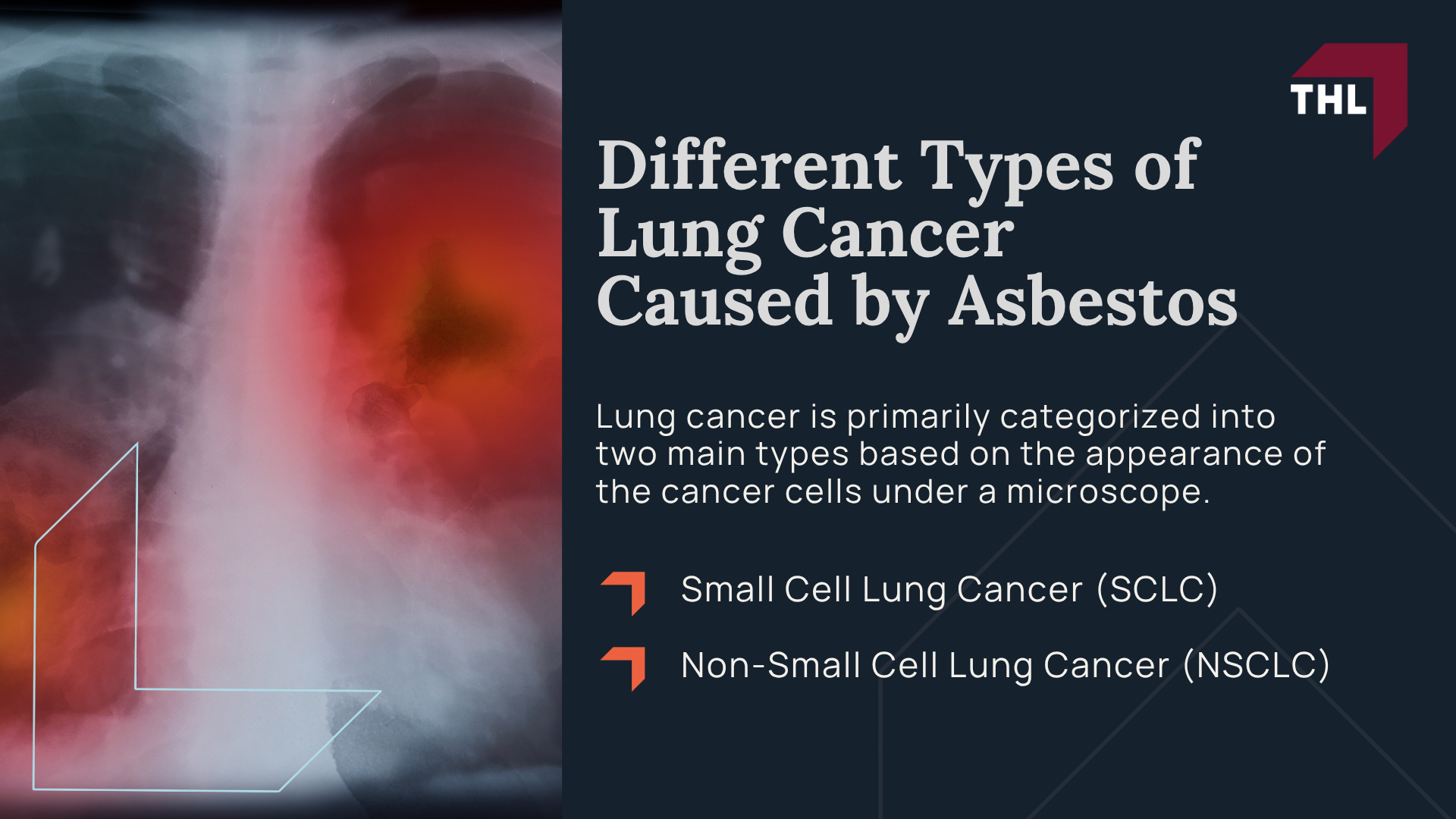
Lung cancer is primarily categorized into two main types based on the appearance of the cancer cells under a microscope.
Asbestos exposure can contribute to both major categories of lung cancer: small cell lung cancer and non-small cell lung cancer.
Mesothelioma is a separate asbestos-related cancer that develops in the lining surrounding certain organs.
Small cell lung cancer (SCLC) originates from neuroendocrine cells in the lung.
Small cell lung cancer is highly aggressive and tends to grow and spread quickly.
SCLC often metastasizes (spreads) to other parts of the body early in its course.
Due to its rapid growth, SCLC is typically best treated with chemotherapy and radiation therapy.
Often, chemotherapy and radiation are combined to improve outcomes.
Surgery is less common because the cancer often spreads before it is detected.
The prognosis for SCLC is generally poor due to its aggressive nature and early spread.
The five-year survival rate is low, particularly for extensive-stage disease.
NSCLC, or non-small cell lung cancer, accounts for about 85% of all lung cancers and is further divided into several subtypes:
For early-stage NSCLC, surgery is often the preferred treatment to remove the tumor.
Radiation therapy is also used for patients who can’t undergo surgery or in combination with surgery and/or chemotherapy.
Targeted drugs and immunotherapy can be effective for certain genetic mutations or protein expressions.
The prognosis for NSCLC varies widely based on the stage at diagnosis.
Early-stage NSCLC has a better prognosis compared to advanced stages.
The overall five-year survival rate for NSCLC is higher than that for SCLC but still varies significantly by stage and subtype.
Asbestos exposure has been more common in certain occupations and industries due to the widespread use of asbestos-containing materials (ACMs) in the past.
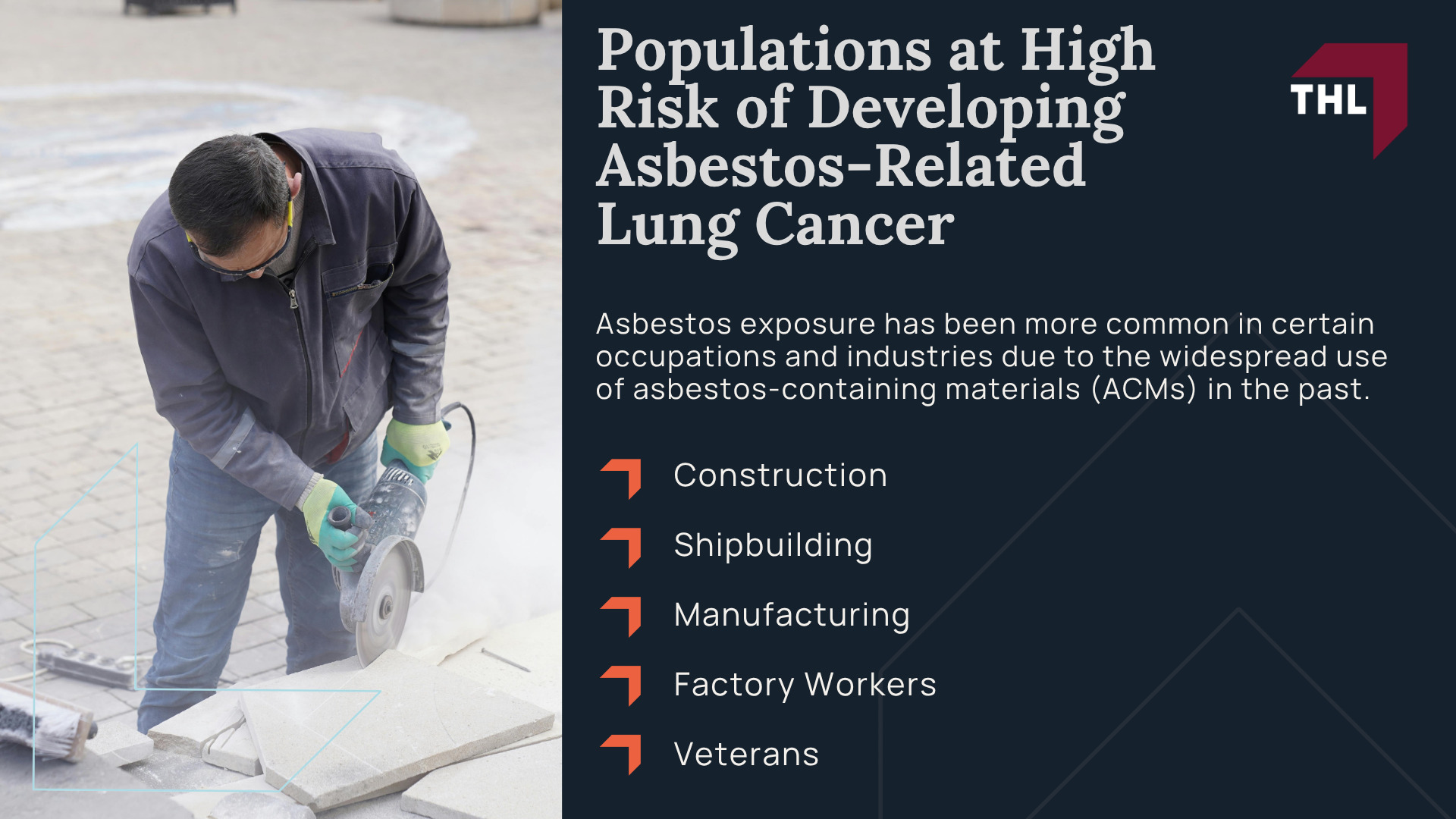
Asbestos was used extensively in building materials such as insulation, roofing shingles, floor tiles, cement, and drywall.
Due to the disturbance of these materials, workers involved in renovations or demolitions, such as builders, roofers, plumbers, electricians, and demolition workers, are at high risk.
Due to its heat resistance and durability, asbestos was commonly used for insulation in ships.
Shipyard workers, such as shipbuilders, repair workers, and navy personnel, who are often involved in the repair and building of ships, usually work in environments with high asbestos dust levels, which increases their risks.
Asbestos was popularly used to manufacture products such as automotive brakes, textiles, gaskets, and insulation materials.
Factory workers, machinists, and product manufacturers in these settings were frequently exposed to airborne asbestos fibers during the manufacturing process.
Factory workers employed in high-risk industries before the implementation of stringent regulations were more frequently exposed to extreme levels of asbestos.
Older workers and retirees may develop asbestos-related diseases many years after their initial exposure due to the long latency period.
Prolonged exposure over many years increases the likelihood of developing asbestos-related diseases, making long-term workers in affected industries particularly vulnerable.
Veterans and military personnel, especially those who served in the Navy, were frequently exposed to asbestos used in ships, vehicles, and military installations.
Asbestos exposure was also common in military construction projects.
As mentioned earlier, asbestos was used extensively throughout the 20th century due to its fire-resistant and insulating properties.
Asbestos was incorporated into numerous products and building materials, leading to widespread occupational exposure.
Many countries began to regulate and eventually ban the use of asbestos during the 1970s.
In the United States, the Environmental Protection Agency (EPA) and OSHA implemented regulations to limit asbestos exposure in the workplace.
In March 2024, EPA finalized a rule prohibiting ongoing uses of chrysotile asbestos, with different phaseout deadlines for specific industrial uses.
Legacy asbestos remains present in older buildings, insulation, floor and ceiling tiles, pipe wrap, brakes, gaskets, and other materials, creating continued exposure risks during renovation, repair, demolition, and removal.
Individuals diagnosed with lung cancer linked to asbestos exposure may be eligible for compensation through lawsuits or claims against manufacturers, employers, or asbestos trust funds.
Here’s what you need to know about the legal process and options available.
Look for a lawyer specializing in asbestos-related cases.
Attorneys from prominent mesothelioma law firms have the expertise needed to navigate claims and secure asbestos compensation that accurately reflects the harm suffered.
During an initial consultation, a lawyer will review your medical history, work history, and asbestos exposure to assess the strength of your case.
It’s crucial to be honest with your attorney so they can build a case that reflects your situation.
After finding and hiring an Asbestos or Mesothelioma Attorney, they’ll start building the foundation of your case.
Your lawyer will gather the necessary evidence to strengthen your case:
Your Asbestos Attorneys may call upon medical experts to testify about the link between exposure and your lung cancer.
Your Asbestos Attorney may also engage industrial hygiene experts to analyze your work environment and provide evidence of asbestos presence and exposure levels.
While building your case, your lawyer may also turn to alternative resources to recover mesothelioma compensation.
Alternative sources for mesothelioma settlements and compensation may include:
The next step is to file a mesothelioma lawsuit.
Compared to other types of personal injury lawsuits, mesothelioma lawsuits can be lengthy and complicated due to the scarcity of evidence and defendants involved.
Relatives or family members of a deceased loved one may also be able to file a wrongful death lawsuit if their loved one’s death is related to asbestos exposure.
Wrongful death lawsuits of this nature may encounter similar complexities to other mesothelioma personal injury lawsuits.
Often, defendants may offer a settlement to avoid going to trial.
Your lawyer will negotiate to achieve the best possible outcome for you.
Carefully evaluate any settlement offers with your lawyer to determine if they adequately compensate for your medical expenses, lost income, and suffering.
Your case will proceed to trial if a satisfactory settlement isn’t reached.
Your lawyer will present your case before a judge or jury to secure a favorable verdict.
Families may be able to file wrongful death claims when a loved one dies from asbestos related lung cancer.
The right to file, available damages, and filing deadline depend on state law.
A wrongful death claim may seek compensation for:
Families should speak with an asbestos attorney quickly after a death linked to asbestos exposure.
A lawyer can review the diagnosis, exposure history, medical records, and potential defendants to determine whether a wrongful death legal claim may be available.
Some asbestos lung cancer cases may involve asbestos trust fund claims.
These claims are filed against bankruptcy trusts created by companies that previously made, sold, or distributed asbestos containing products.
An asbestos trust fund claim may be available when the claimant’s exposure history matches the trust’s approved products, jobsites, occupations, or exposure criteria.
Trusts often require medical documentation, proof of asbestos exposure, and evidence connecting the exposure to the bankrupt company’s products or operations.
A person with asbestos related lung cancer may be able to pursue both:
The right path depends on the diagnosis, exposure history, products involved, state law, and trust eligibility.
TorHoerman Law can review whether you may be able to file claims through litigation, trust funds, or both.
You may qualify for an asbestos lung cancer lawsuit if you were diagnosed with lung cancer and have a history of asbestos exposure.
A claim may involve exposure from work, military service, home renovation, contaminated buildings, asbestos containing products, or secondhand exposure from a family member who brought asbestos fibers home on clothing, tools, or equipment.
A legal claim may be stronger when there is evidence showing:
You do not need to have mesothelioma to file an asbestos lawsuit.
Lung cancer may also support an asbestos cancer lawsuit when the evidence connects the disease to asbestos exposure.
The asbestos lawsuit process is different from many other personal injury lawsuits because exposure often happened decades before diagnosis.
A legal team must reconstruct the exposure history, identify asbestos products, determine which asbestos companies are responsible, and file the legal claim before the applicable deadline.

The asbestos lung cancer lawsuit process may include:
Because statutes of limitation vary by state, people diagnosed with asbestos related lung cancer should speak with asbestos lawsuit lawyers as soon as possible.
An asbestos lung cancer lawsuit may be filed against companies responsible for exposing workers, consumers, military personnel, family members, or bystanders to asbestos.
In many cases, multiple companies contributed to the exposure.
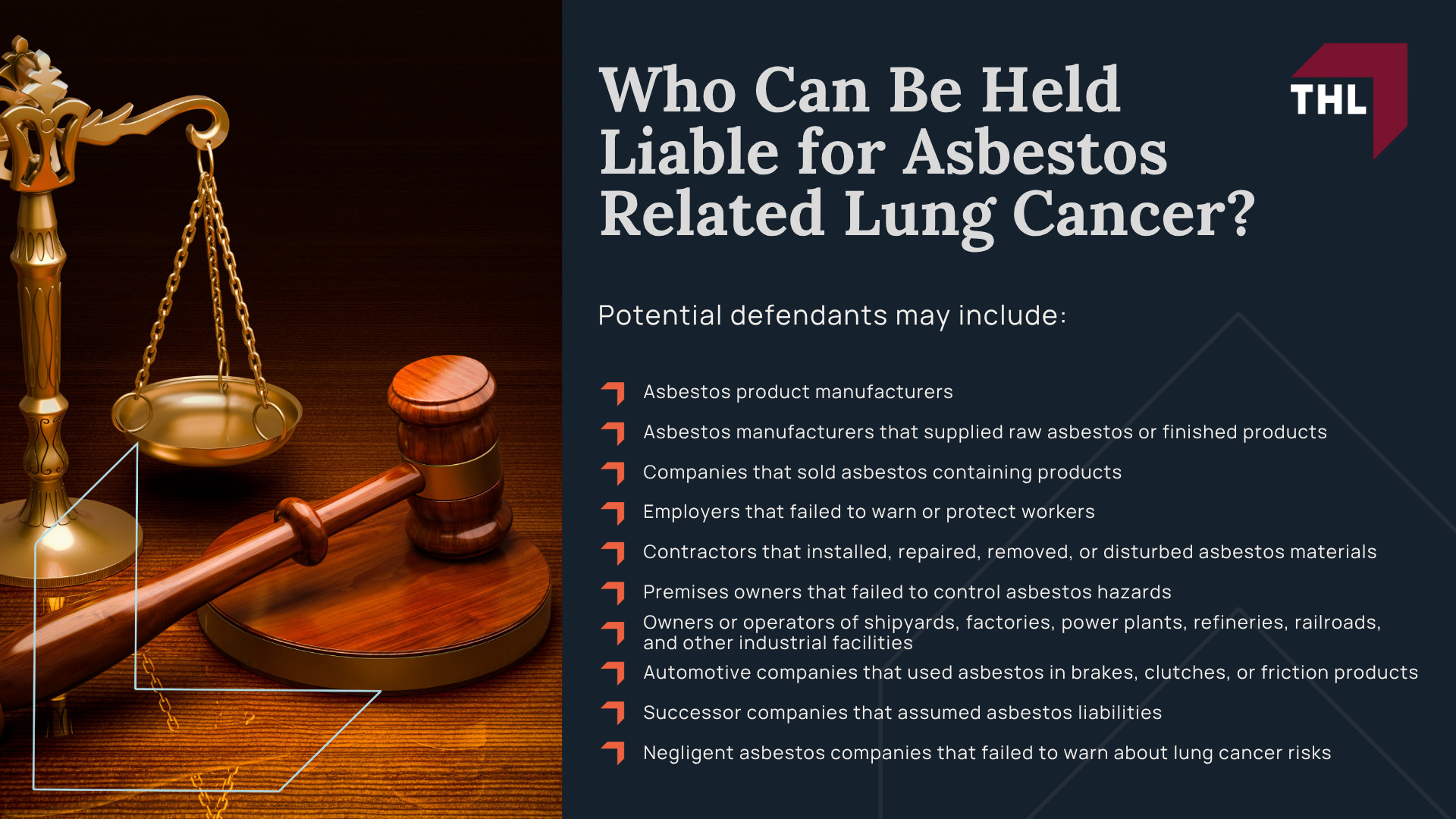
Potential defendants may include:
A successful asbestos exposure lawsuit requires evidence showing how asbestos exposure occurred and which companies were connected to the products, jobsites, equipment, or facilities involved.
Asbestos companies responsible for exposure may argue that smoking, another workplace, or another company caused the lung cancer.
That is why product identification, exposure records, medical evidence, and expert analysis are especially important in asbestos lung cancer cases.
Smoking history is often an issue in asbestos lung cancer litigation.
Insurance companies and defendants may argue that smoking caused the lung cancer and that asbestos exposure did not play a meaningful role.
A smoking history does not automatically prevent an asbestos lung cancer claim.
Asbestos exposure and smoking can both contribute to lung cancer risk.
A lawyer may need to review the medical records, occupational history, exposure duration, asbestos product evidence, smoking history, imaging, pathology, and expert opinions to determine whether a claim can be supported.
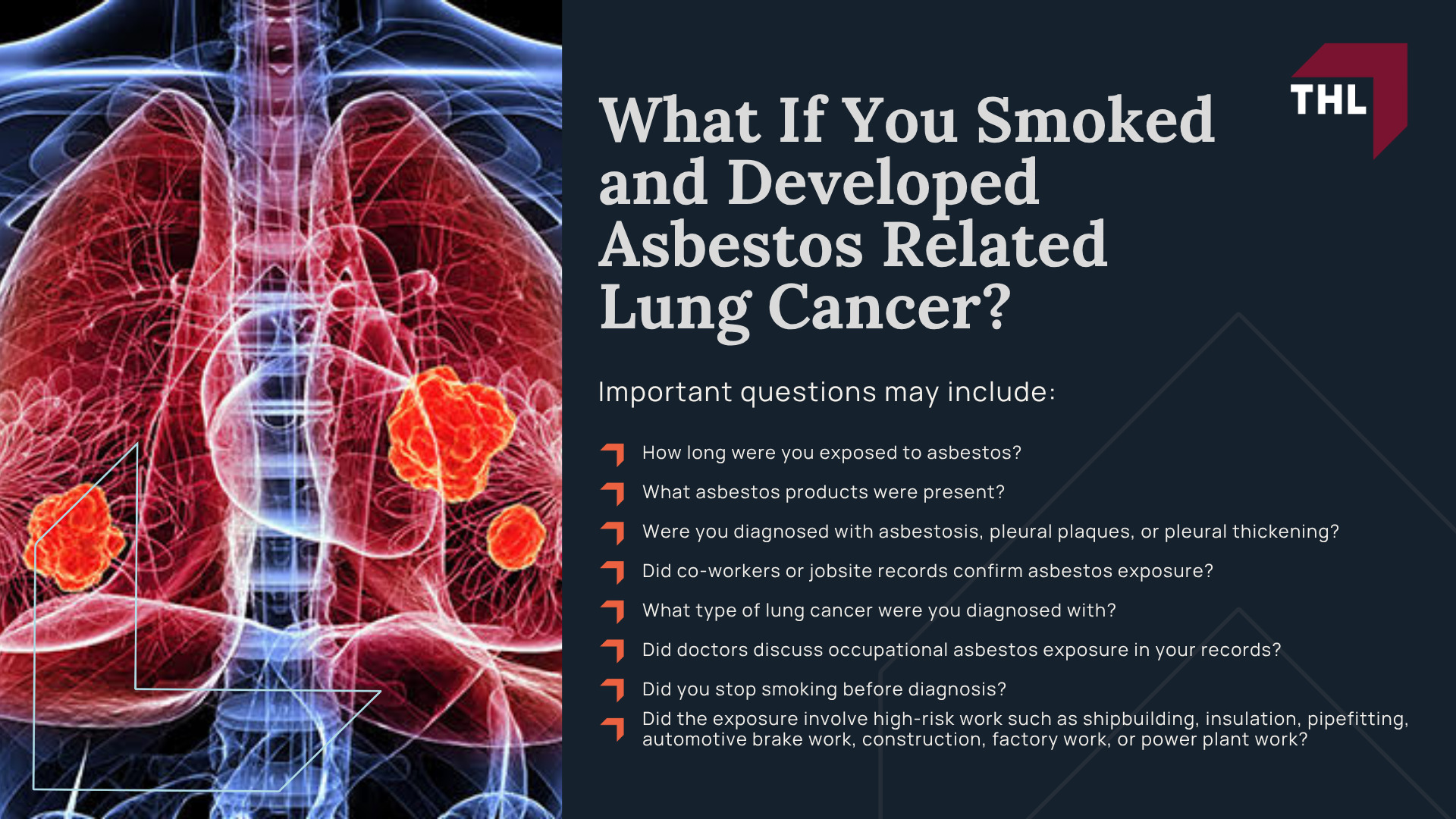
Important questions may include:
Defendants may use smoking as a causation defense, but asbestos exposure may still be a legally significant cause or contributing factor when the evidence supports the claim.
An asbestos lung cancer lawsuit is not the same as a mesothelioma cancer lawsuit.
Both may involve asbestos exposure, but they involve different diseases, medical evidence, and causation issues.
Mesothelioma is strongly associated with asbestos exposure and often develops in the lining of the lungs or abdomen.
Lung cancer develops in the lung tissue itself and may have multiple risk factors, including smoking, radon, family history, occupational exposure, and asbestos.
Because lung cancer can have more than one cause, an asbestos lung cancer claim may require detailed proof of exposure and medical causation.
Evidence of asbestos exposure, asbestosis, pleural plaques, occupational history, and product identification may be especially important.
A person diagnosed with mesothelioma, including someone who developed pleural mesothelioma, may have a separate legal claim involving mesothelioma litigation.
A person diagnosed with lung cancer may still have an asbestos cancer lawsuit if asbestos exposure contributed to the disease.
Asbestos cases involve intricate legal details that an Asbestos Attorney understands thoroughly.
Lawyers know the specific statutes of limitations, filing procedures, and the historical context of asbestos litigation and can guide you through the process.
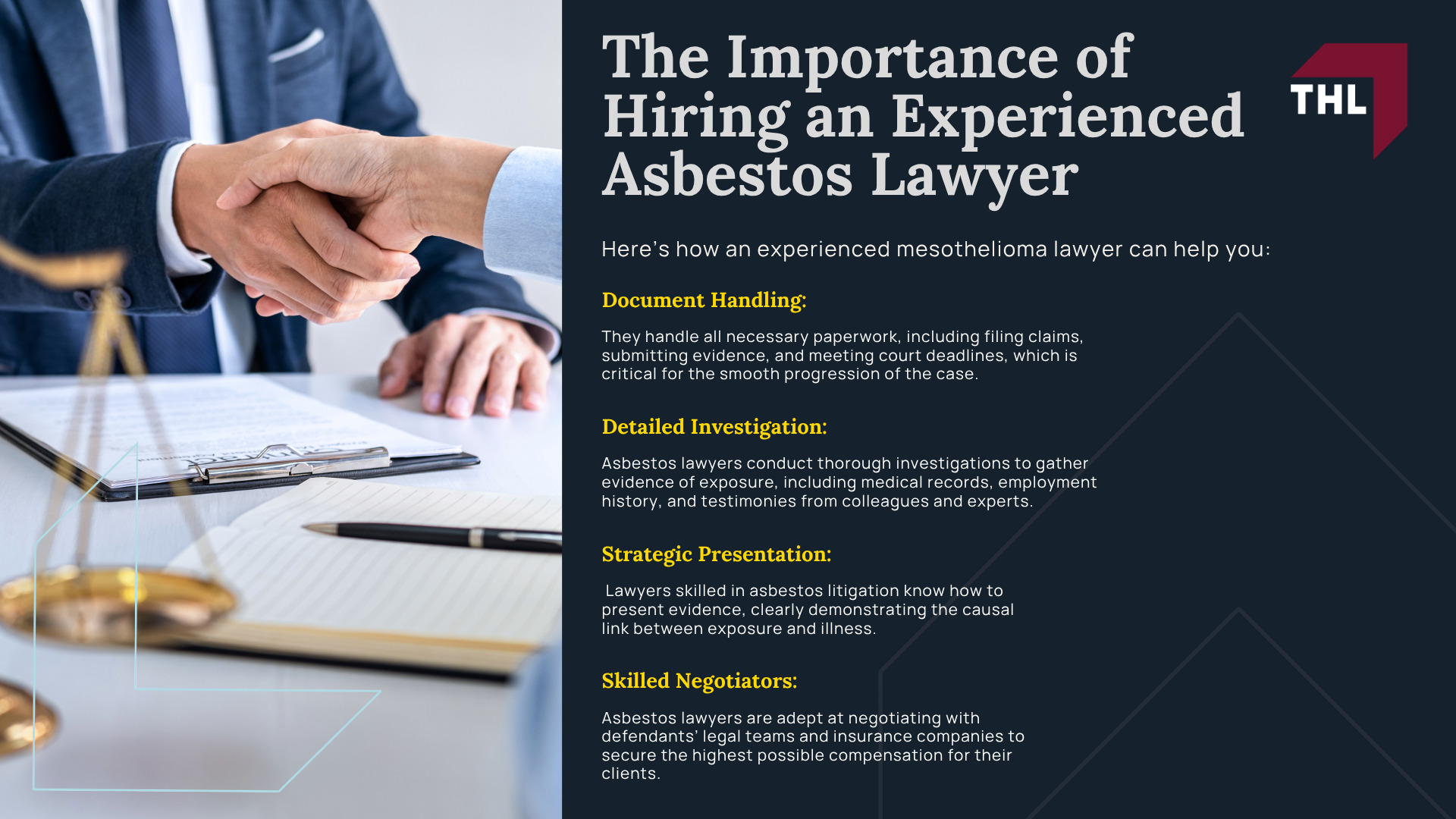
Here’s how an experienced mesothelioma lawyer can help you:
To prove asbestos exposure, a legal team must identify where exposure happened, what asbestos products were present, and which companies were connected to those products or locations.
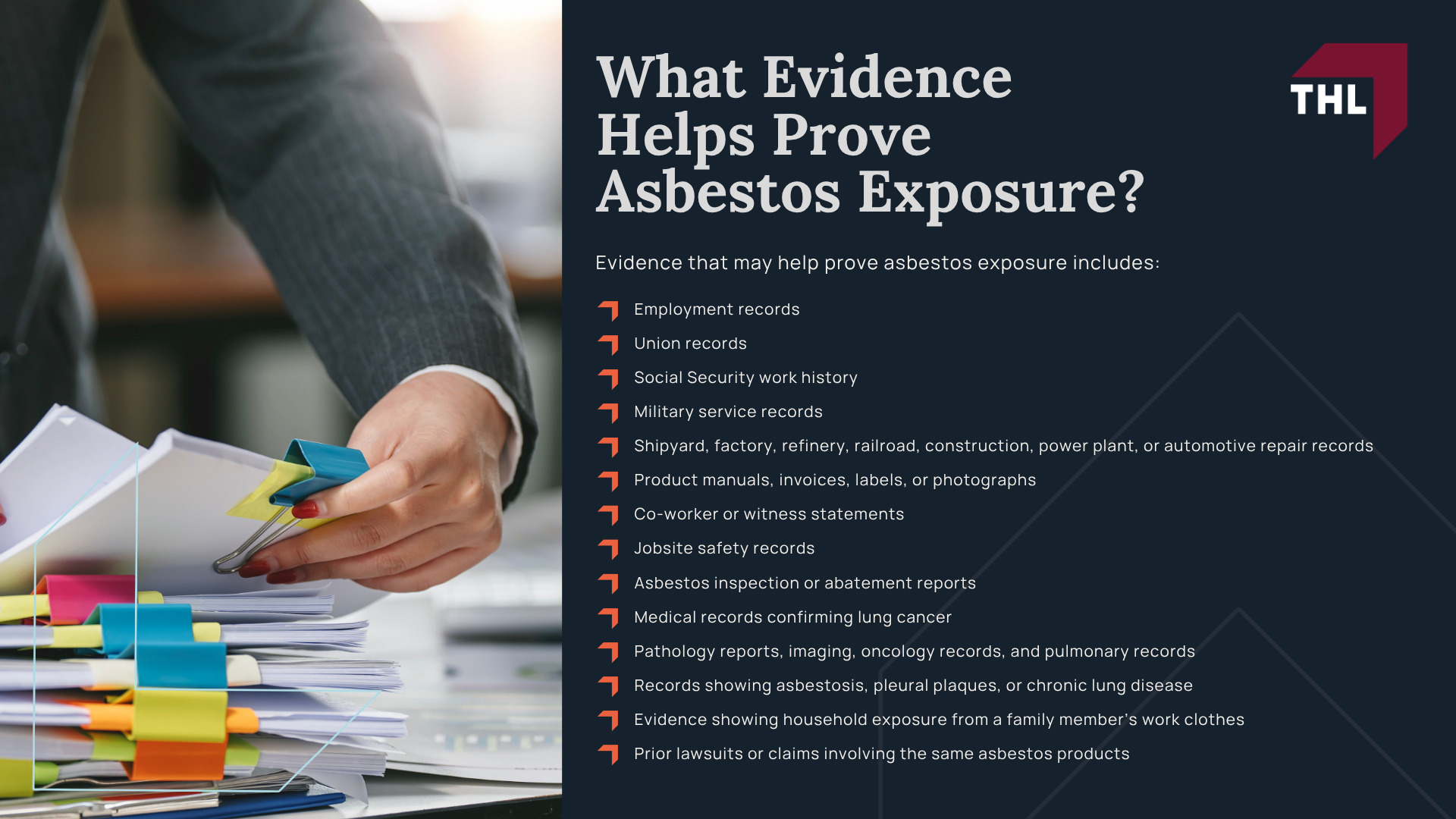
Evidence that may help prove asbestos exposure includes:
Because asbestos exposure often happened decades before diagnosis, asbestos victims may not remember every product or jobsite.
Experienced asbestos lawsuit lawyers can use work history, product databases, witness testimony, and industry records to identify the companies responsible.
The Asbestos and Mesothelioma Lawyers at TorHoerman Law have extensive experience dealing with mesothelioma lawsuits and asbestos-related cases.
If you or a loved one were exposed to asbestos and subsequently developed lung cancer or other asbestos-related diseases, you may be eligible to file an Asbestos Lung Cancer Lawsuit.
Contact us today for a free consultation.
You can also use our chatbot for a free and instant case evaluation.


