The long history of PFAS chemicals, also known as “forever chemicals,” has taken an immense toll on the health of those exposed.
These synthetic compounds, resistant to water, grease, and heat, have been widely used in various industrial and consumer products since the 1940s.
Their persistence in the environment and the human body is alarming, as they do not break down naturally, leading to widespread and long-lasting contamination.
While there have been extensive efforts to contain, manage, and regulate PFAS chemicals, we’re still far from reversing the damage done.
Regulatory agencies, such as the Environmental Protection Agency, have implemented stricter guidelines, and companies have been pushed to find safer alternatives, but the existing contamination continues to pose serious health risks.
Exposure to PFAS-containing products like AFFF (Aqueous Film-Forming Foam) used in firefighting, firefighting turnout gear, and PFAS-contaminated water has led to severe health problems for countless individuals.
These health issues include various types of cancer, liver damage, thyroid disease, immune system dysfunction, and reproductive and developmental problems.
Communities near military bases, industrial sites, and areas with contaminated water supplies have been particularly hard hit, with residents experiencing higher rates of these health conditions.
The fight for justice and remediation continues as affected individuals seek compensation and medical support through legal avenues.
Lawsuits have been filed against PFAS manufacturers, aiming to hold them accountable for the varying types of harm caused by their products.
What Are PFAS Chemicals and Why Are They Used?
PFAS (per- and polyfluoroalkyl substances) are a group of man-made chemicals known for their resistance to heat, water, and oil.
PFAS are used in a variety of industrial and consumer products, including non-stick cookware, water-repellent clothing, stain-resistant fabrics, and firefighting foams.
The durability and chemical stability of PFAS make them highly effective for these applications.
However, the persistence of PFAS in the environment and the human body has raised significant health and safety concerns.
Due to their widespread use and resistance to degradation, PFAS have been dubbed “forever chemicals.”
Historical Use of PFAS in Military Settings
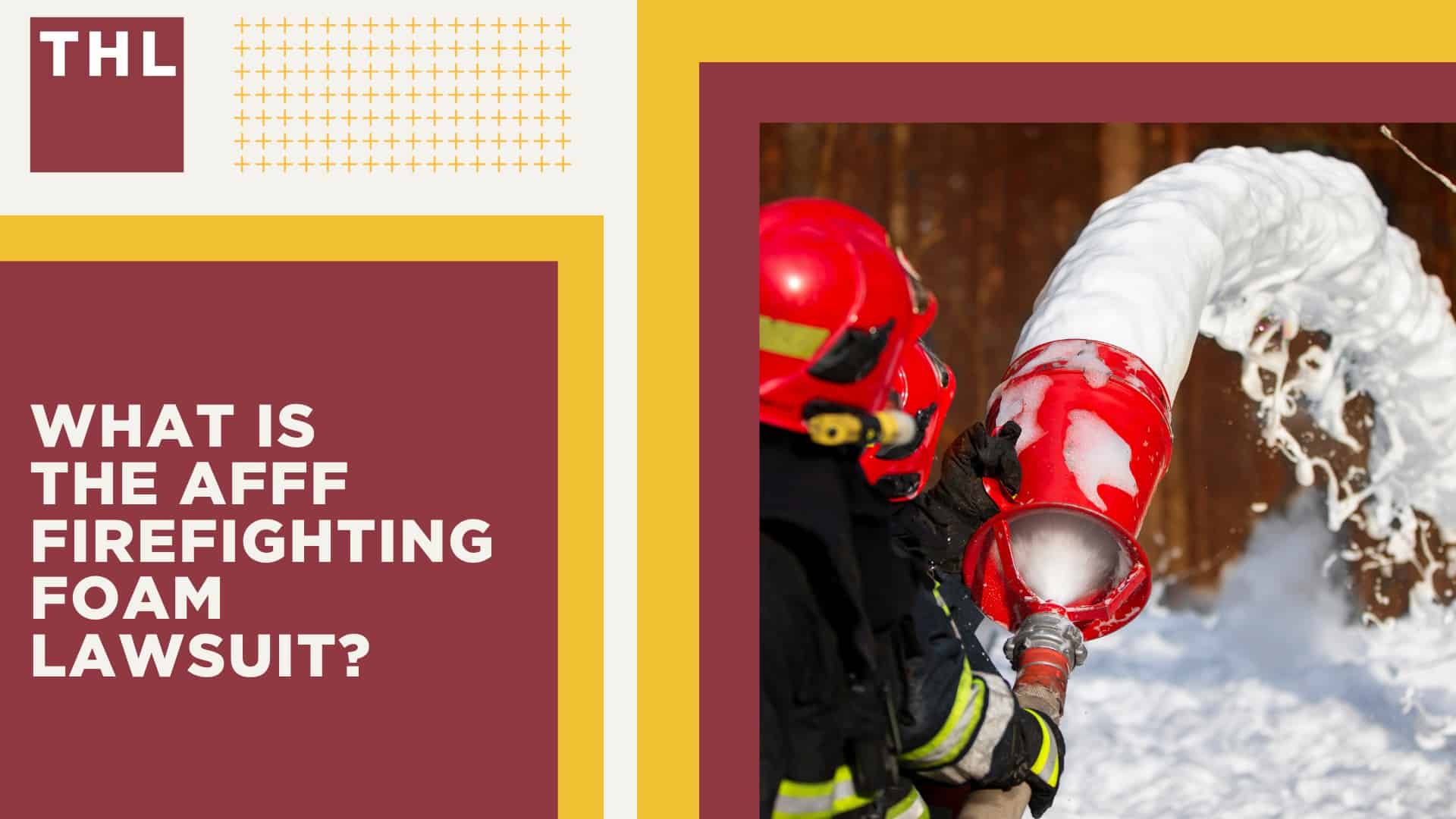
The military has historically used PFAS extensively, particularly in aqueous film-forming foam (AFFF), a PFAS-containing firefighting foam used for fuel fires.
The development of AFFF began in the 1960s, a joint effort by the U.S. Navy and 3M Company to create an effective firefighting foam.
AFFF was highly valued for its ability to rapidly extinguish hydrocarbon fuel fires, a critical capability for military operations.
The foam’s effectiveness in suppressing fires made it a standard issue at military bases and airports, where training exercises and real-life fire emergencies regularly occurred.
By the 1970s, AFFF was in extensive use at military installations worldwide.
Over 700 military sites in the U.S. alone are known or suspected to have used AFFF, resulting in significant PFAS contamination.
This widespread application included both training exercises and emergency responses, leading to the release of PFAS into the environment through runoff into soil and water sources.
Health Impact of PFAS Chemicals on Military Bases
The pervasive use of PFAS chemicals in military settings, particularly through aqueous film-forming foam (AFFF), has led to significant health and environmental challenges.
Studies have consistently shown that these “forever chemicals” do not break down in the environment, leading to long-term contamination of soil and water sources.
This persistent contamination has resulted in alarming health outcomes among military personnel and surrounding communities.
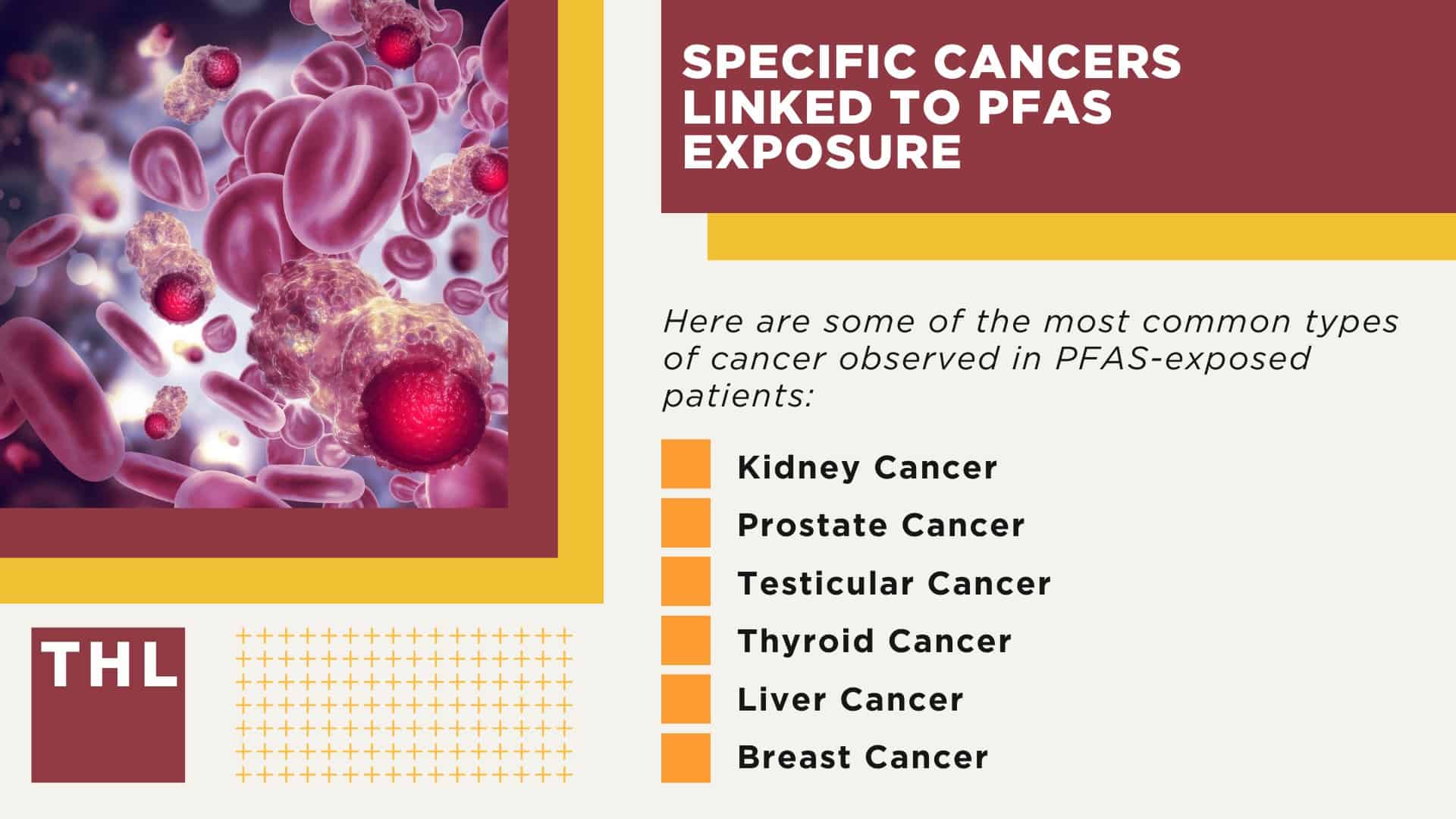
One of the most concerning health impacts of PFAS exposure is the increased incidence of cancer.
Research has linked these chemicals to kidney, testicular, and prostate cancers, with military personnel exhibiting higher rates of these diseases due to prolonged exposure on bases.
For instance, an internal Department of Defense study found that over 175,000 service members were served unsafe water containing PFAS at levels exceeding the EPA’s advisory limits.
The true number of those affected could be much higher, considering many sites have PFAS concentrations far above safety thresholds.
Environmental Impact of PFAS Chemicals on Military Bases
Environmental impacts are equally severe, with more than 600 military sites confirmed or suspected of PFAS contamination in the U.S.
The contamination of drinking water sources is particularly troubling, as it affects not only military bases but also adjacent civilian communities.
Areas like Fort Benning in Georgia and Pearl Harbor in Hawaii have reported PFAS levels in the tens of thousands of parts per trillion, vastly exceeding the EPA’s safety guidelines.
This widespread contamination has led to extensive bioaccumulation in local wildlife, disrupting ecosystems and presenting further risks to human health through the food chain. 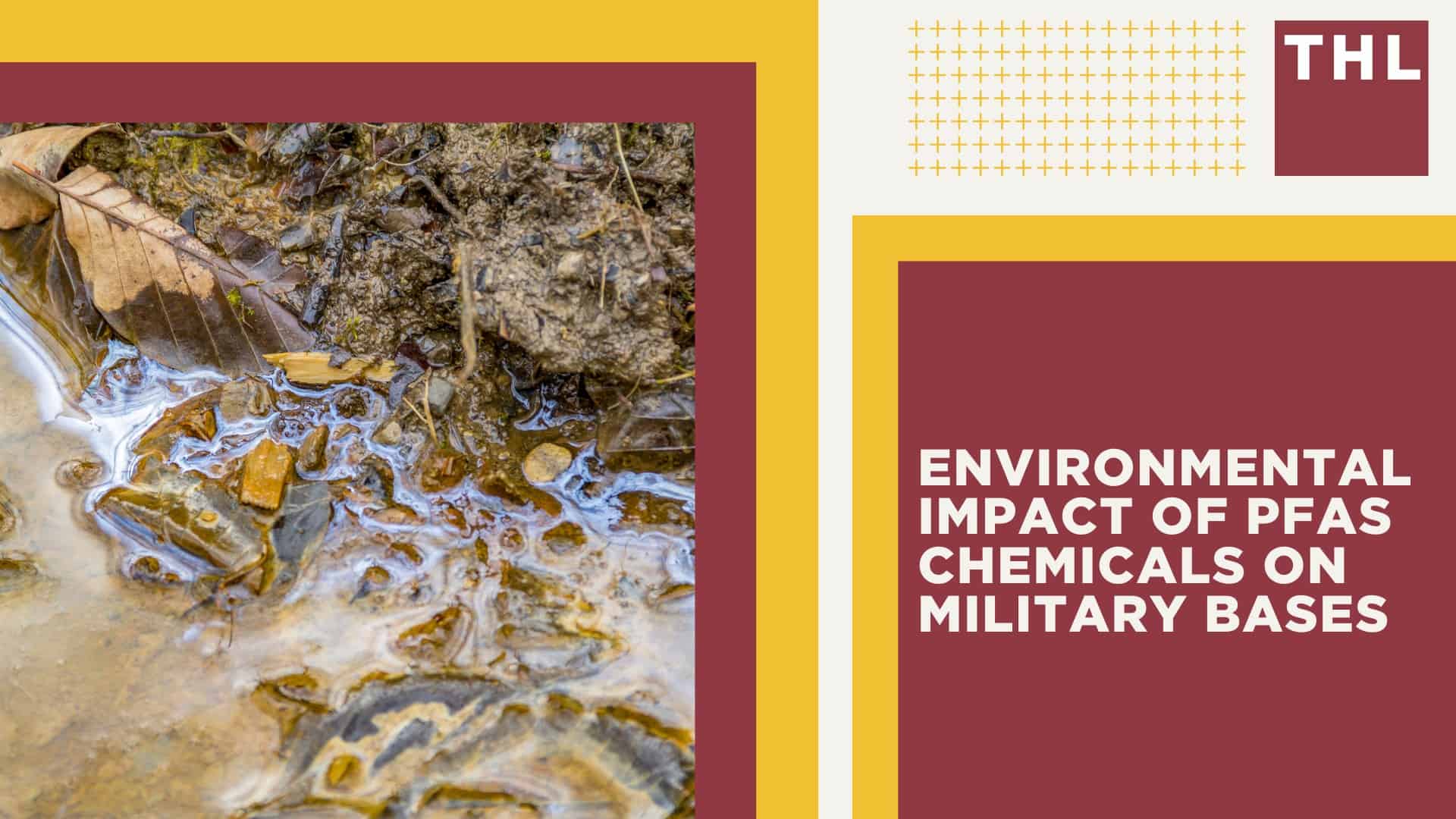
Efforts to mitigate these impacts have included phasing out the use of PFAS-containing AFFF and investing in research for safer alternatives.
However, the transition is challenging due to the effectiveness of PFAS in firefighting applications and the lack of equally efficient substitutes.
The National Defense Authorization Act for Fiscal Year 2020 mandates the cessation of fluorinated AFFF by 2024, but significant cleanup efforts are still required.