The transvaginal mesh lawsuit centers around the marketed use of transvaginal mesh implants to alleviate stress urinary incontinence and pelvic organ prolapse.
These diseases have affected the lives of numerous women, especially those who have been through pregnancy, experienced menopause, or dealt with vaginal issues.
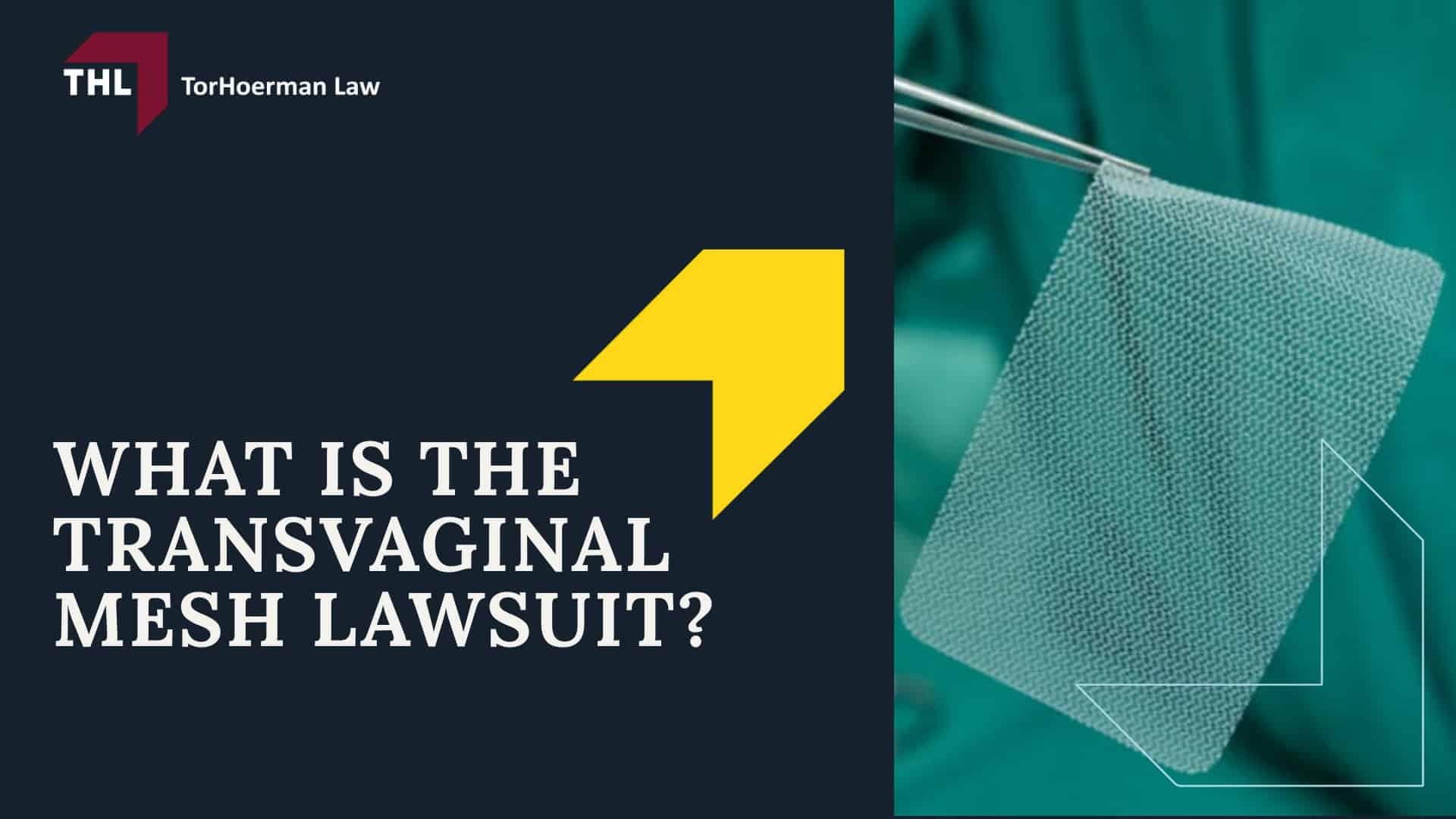
Transvaginal mesh implants are medical devices designed to support pelvic organs permanently.
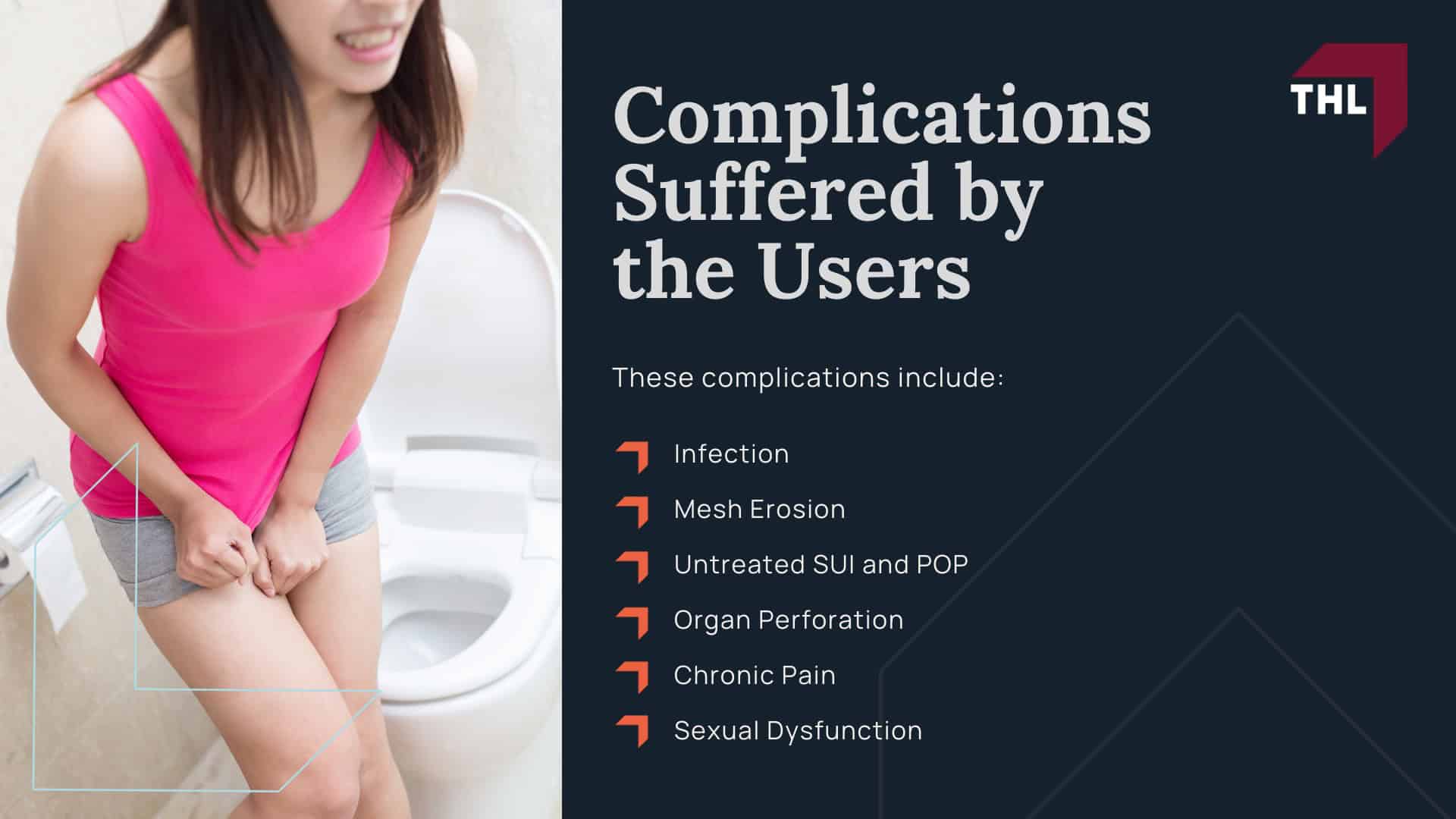
Unfortunately, many women who underwent these procedures stated that the mesh was useless and didn’t resolve their stress urinary incontinence and pelvic organ prolapse.
Some of them even reported experiencing pain and complications after long-term use.
Since the mesh is administered through the abdomen (transabdominal) or the vagina (transvaginal), surgery is needed to extract these medical devices.
Transvaginal Mesh Lawsuit Update
Since the commercial introduction of vaginal and pelvic mesh in the early 2000s, the number of lawsuits has been significant.
After receiving a surge of related complaints from countless women nationwide, the Judicial Panel on Multidistrict Litigation (JPML) consolidated all cases into various courts (New Jersey, West Virginia, etc.) for more efficient proceedings.
Around 2019, the Food and Drug Administration (FDA) imposed a ban on these surgical mesh devices to treat pelvic organ prolapse.
In 2022, the FDA concluded that these vaginal mesh devices could erode and cause complications.
Today, many manufacturers have settled and discontinued production of vaginal mesh to put a halt to the ongoing lawsuit.
Recently, the MDL in the Southern District of West Virginia ended in November 2022 in favor of the plaintiffs.
Although most cases have been resolved, victims can still file individual lawsuits for their situation.
Who Are the Defendants in Vaginal Mesh Lawsuits?
Several prominent manufacturers are named in transvaginal mesh lawsuits, facing allegations of manufacturing and marketing mesh products without adequate testing and warnings.
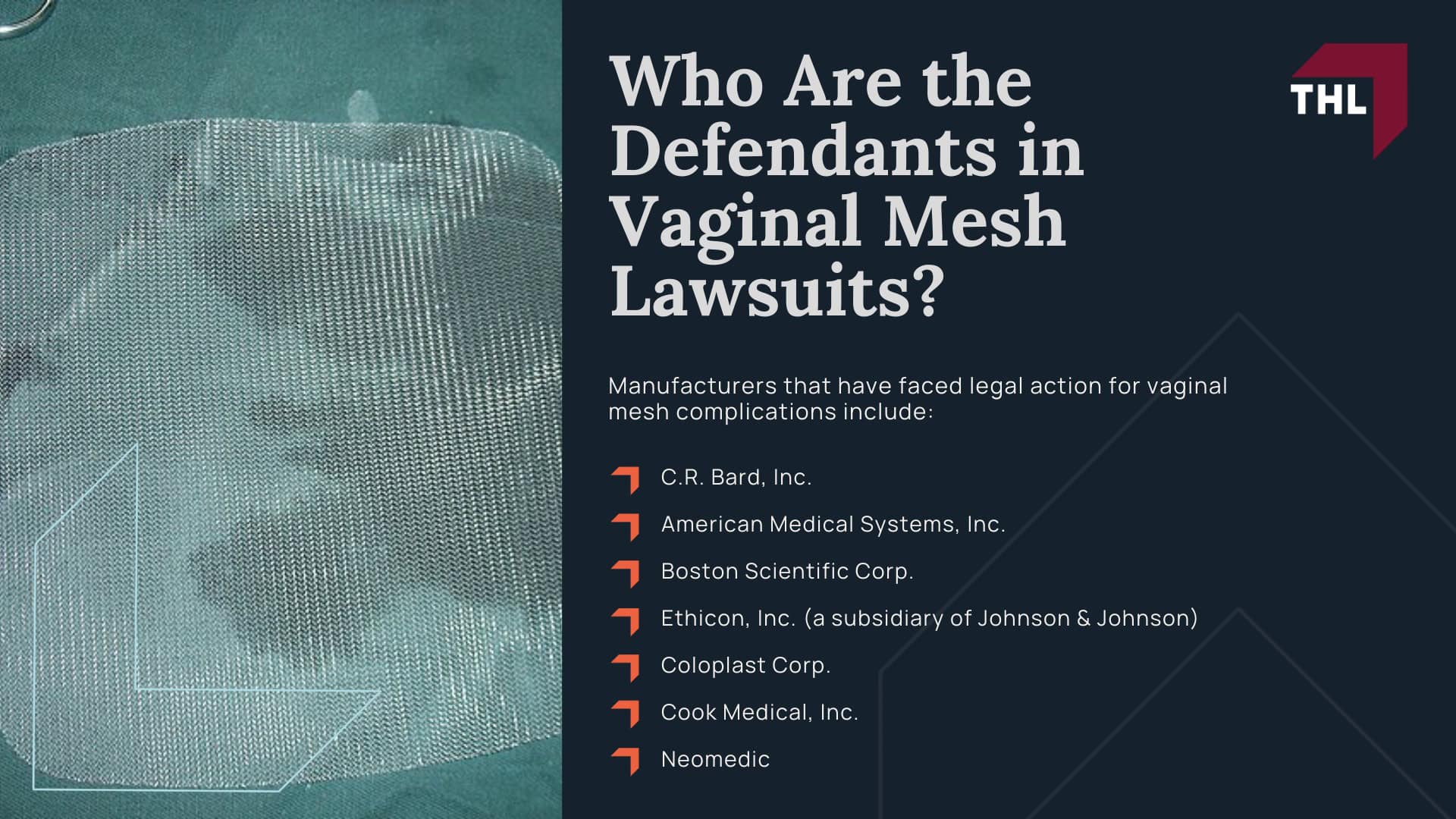
Manufacturers that have faced legal action for vaginal mesh complications include:
- C.R. Bard, Inc.
- American Medical Systems, Inc.
- Boston Scientific Corp.
- Ethicon, Inc. (a subsidiary of Johnson & Johnson)
- Coloplast Corp.
- Cook Medical, Inc.
- Neomedic
Vaginal Mesh Settlement Values
Settlements and verdicts in transvaginal mesh cases can vary widely.
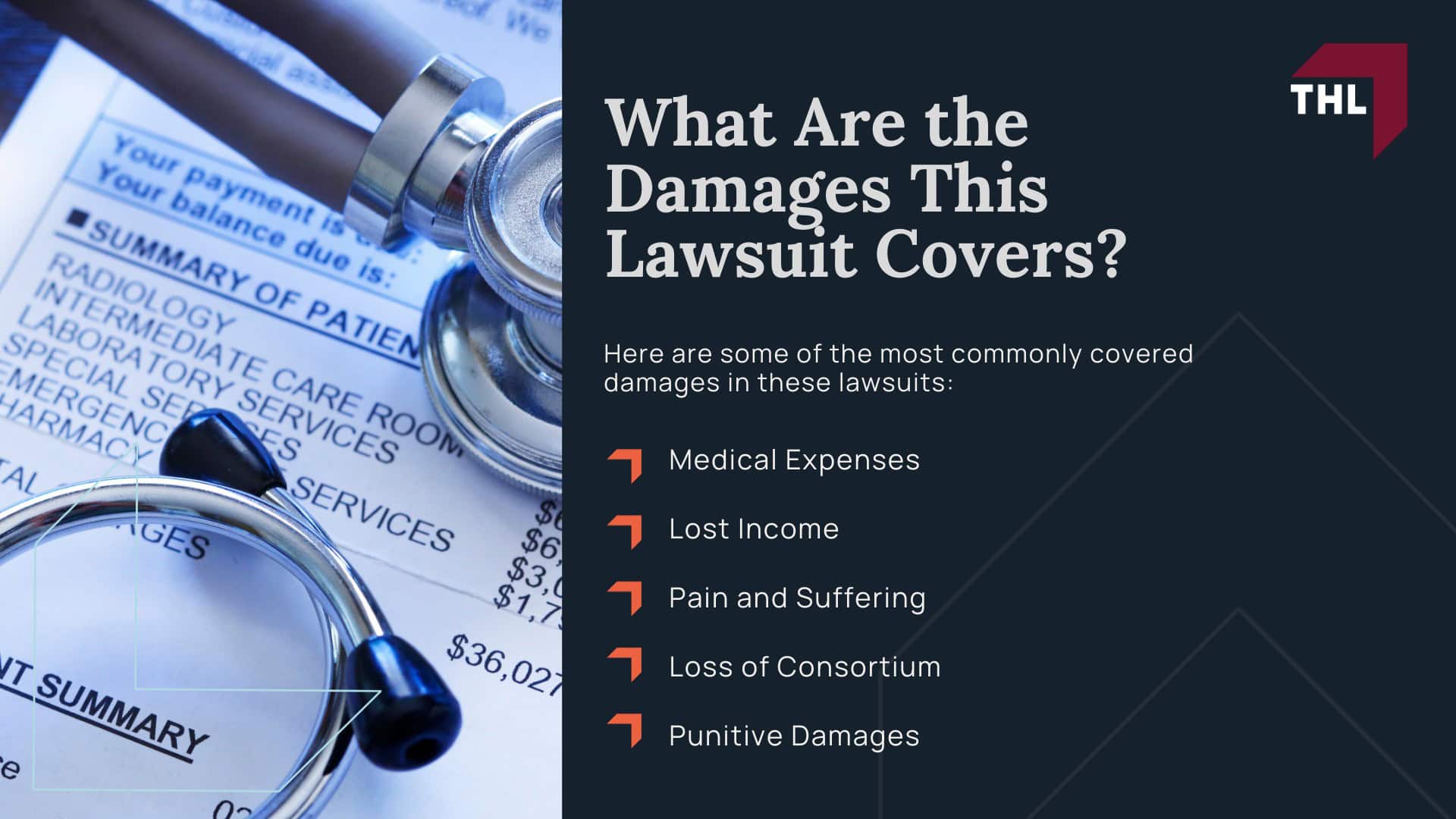
The final payment an individual may receive depends on various factors, including the severity of their complications, the specific manufacturer involved in the case, and the strength of evidence.
The most recently closed MDL ended with a $830 million settlement divided among 20,000 plaintiffs.
Collectively, various manufacturers have paid out a billion in settlements.
It is essential to consult with an experienced attorney who can provide a more accurate estimate based on your unique circumstances.