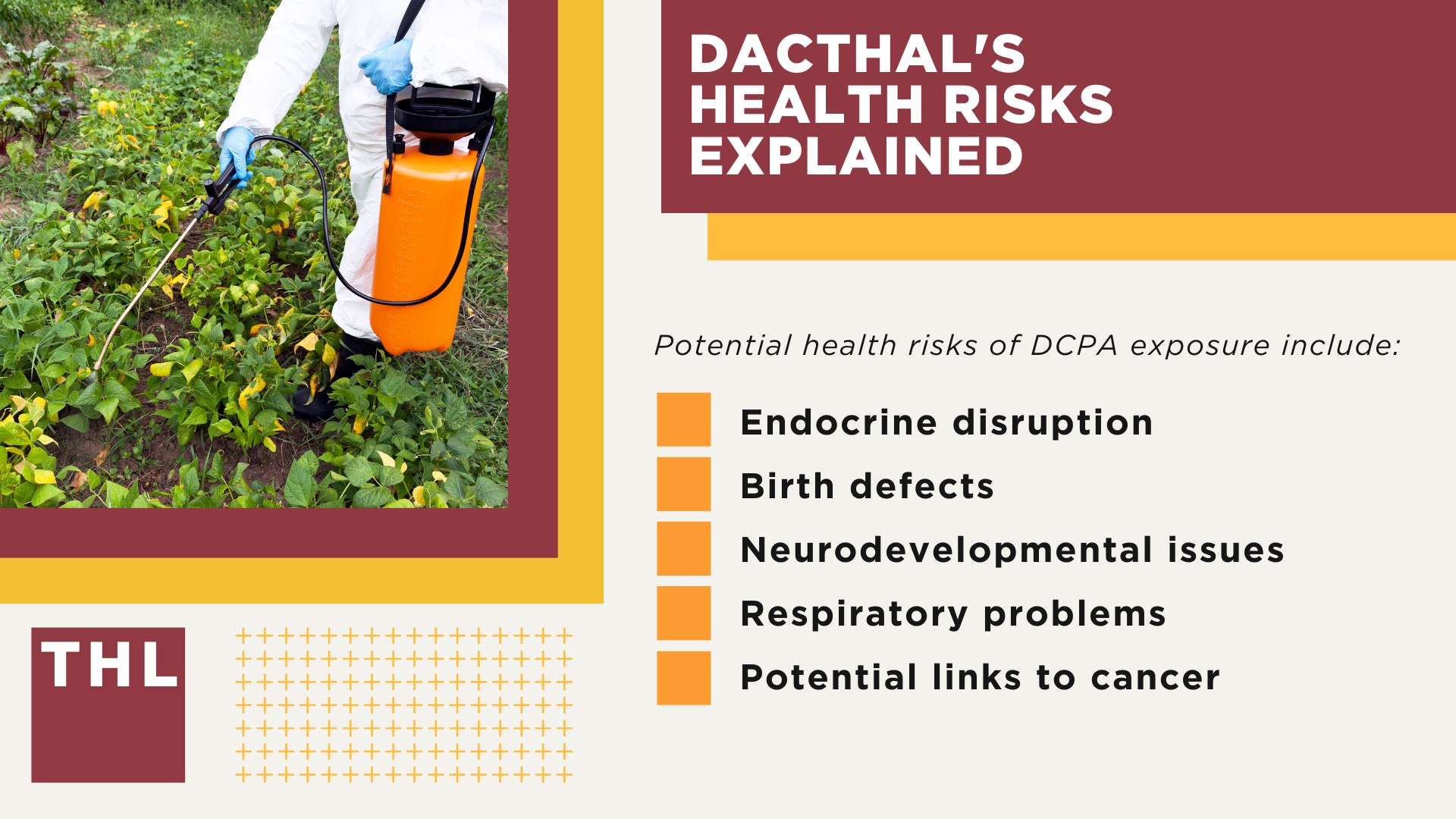
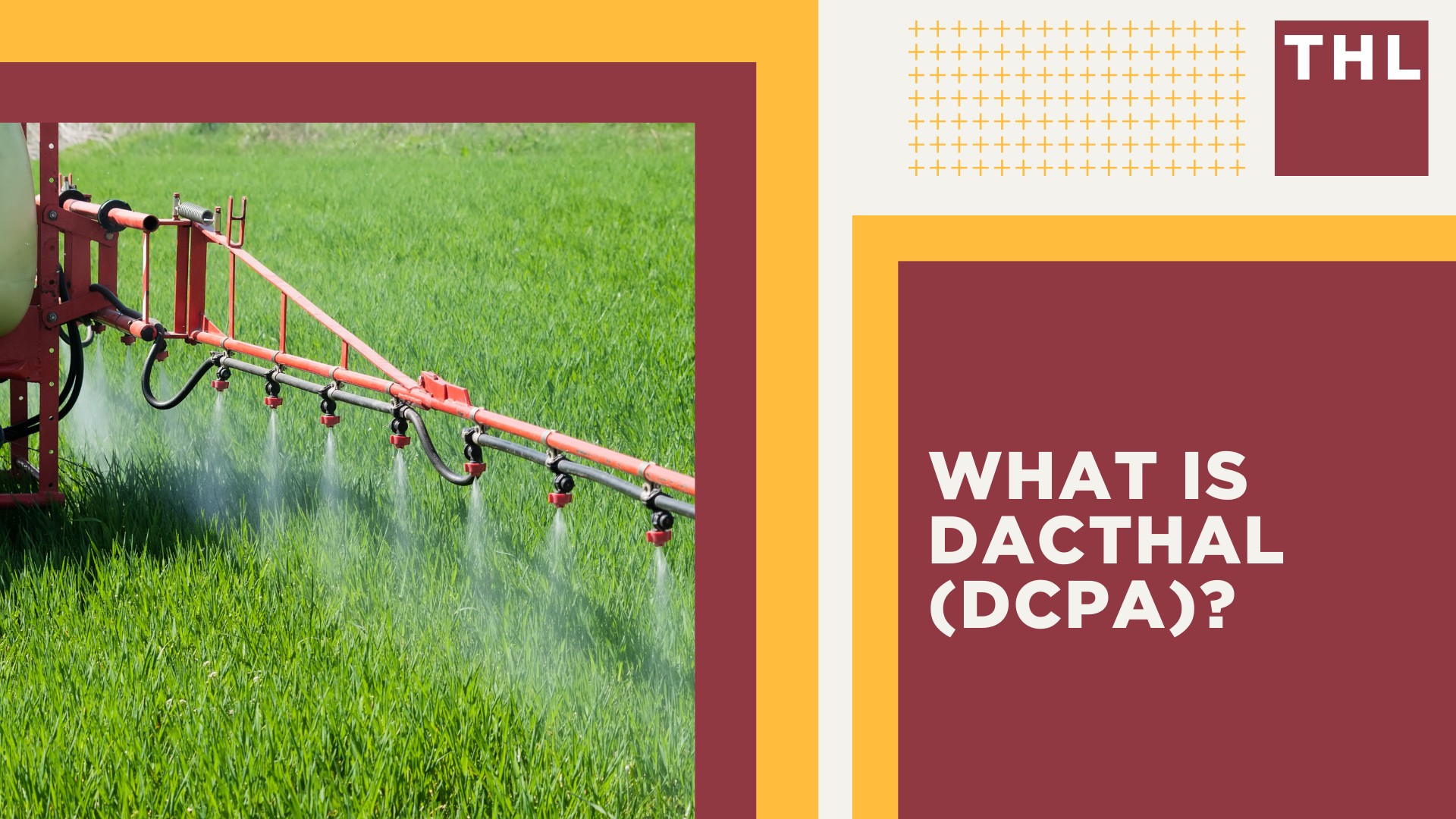
Dacthal, scientifically known as Dimethyl Tetrachloroterephthalate (DCPA), is a selective preemergence herbicide used primarily for controlling annual grasses and certain broadleaf weeds.
Introduced in the 1950s, DCPA was extensively utilized in both agricultural and non-agricultural settings, particularly on crops such as broccoli, onions, and melons, as well as in ornamental turf applications.
The herbicide works by preventing weed growth before they emerge from the soil, making it an effective tool for maintaining weed-free crops and landscapes.
However, DCPA’s widespread use has been marred by increasing concerns over its significant health risks.
In 1995, the Environmental Protection Agency (EPA) classified DCPA as a possible human carcinogen after studies revealed that the herbicide could cause thyroid tumors in animals.
This classification was a key turning point that raised awareness about the serious health risks associated with DCPA, particularly in relation to thyroid development and fetal thyroid hormone levels.
The persistence of DCPA in the environment has been a major concern, especially its potential to contaminate groundwater and remain active in treated fields for extended periods.
These environmental risks, combined with its occupational and residential exposure potential, led the European Union to ban DCPA in 2009.
In the United States, the EPA issued a data call-in to the AMVAC Chemical Corporation in 2013, demanding further studies to address these serious concerns, particularly the risks posed to pregnant women and their unborn babies.
Despite these regulatory efforts, AMVAC’s delayed and inadequate responses prompted the EPA to issue an emergency suspension of DCPA in 2024.
The suspension was based on the assessment found health risks associated with DCPA, including impaired brain development, low birth weight, and decreased IQ and impaired motor skills in exposed populations.
This decision underscores the irreversible health risks posed by DCPA and the need for stringent oversight to protect vulnerable populations from dangerous chemicals.
Where is Dacthal Used?
Dacthal (DCPA) is primarily used in agricultural settings across various regions in the United States, including major farming areas in states like California, Texas, and throughout the Midwest.
DCPA is applied to control weeds on a variety of crops, particularly cole crops like broccoli, Brussels sprouts, and cabbage, as well as onions and other vegetables.
Additionally, Dacthal is used in non-agricultural settings such as ornamental turf, golf courses, and athletic fields.
The herbicide’s usage is concentrated in areas where these crops are extensively grown and in regions where weed control on turf is necessary.
What Company Produces Dacthal (DCPA)?
Dacthal is produced by AMVAC Chemical Corporation.
This company is a major player in the agricultural chemical industry and has been responsible for the production and distribution of Dacthal for several decades.