Women who used the injectable contraceptive Depo-Provera and developed intracranial meningiomas are pursuing legal action against Pfizer.
Depo-Provera Lawsuits allege that Pfizer failed to adequately warn patients and healthcare providers of the increased risk of developing brain tumors associated with long-term use of the drug Depo-Provera.
A groundbreaking study published in the British Medical Journal found that women who used Depo-Provera were 550% more likely to develop these tumors compared to non-users.
Plaintiffs argue that Pfizer was aware of this risk for decades but neglected to include adequate warnings on Depo-Provera’s label, despite updating similar warnings in other countries like Canada and parts of Europe.
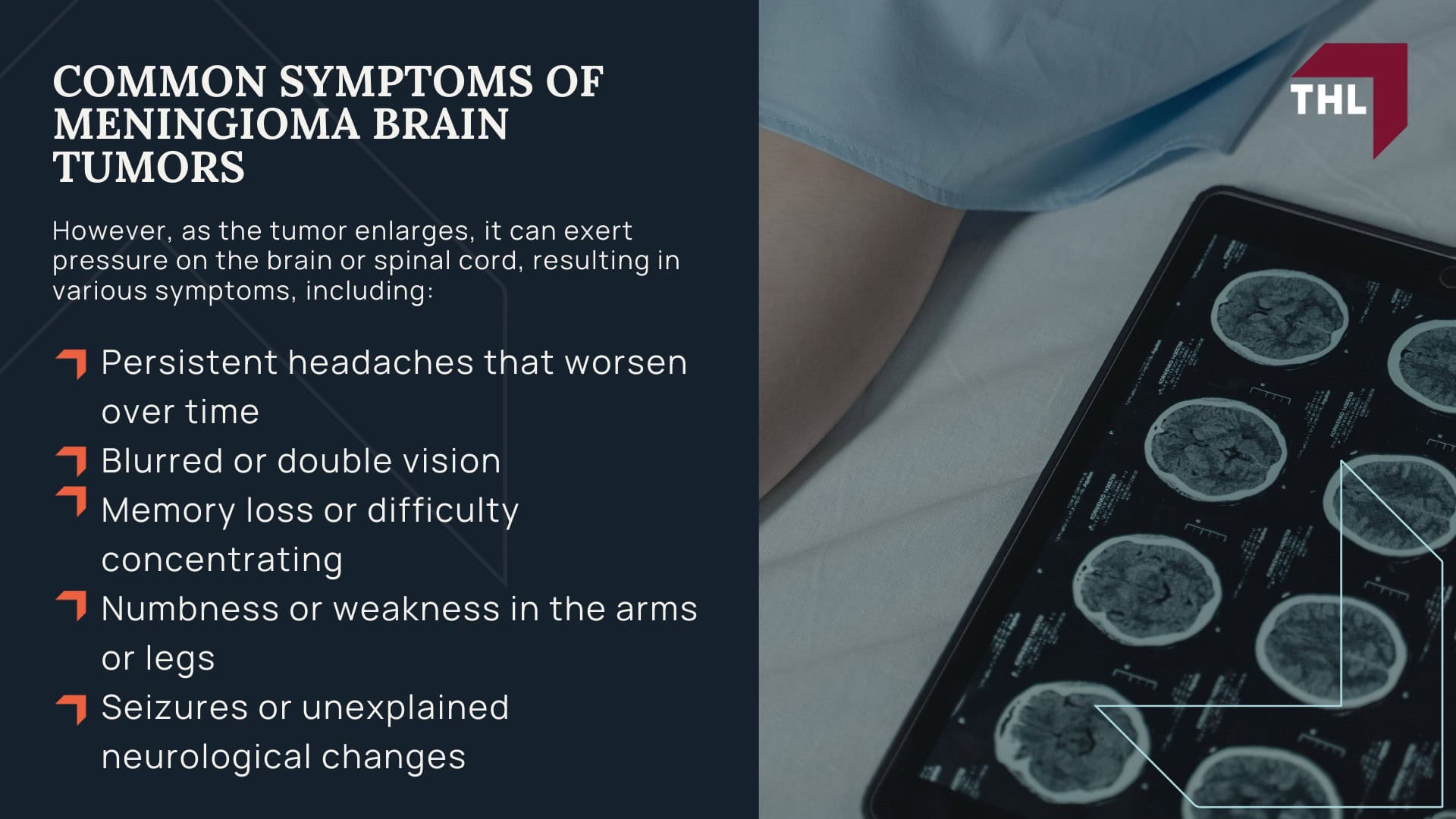
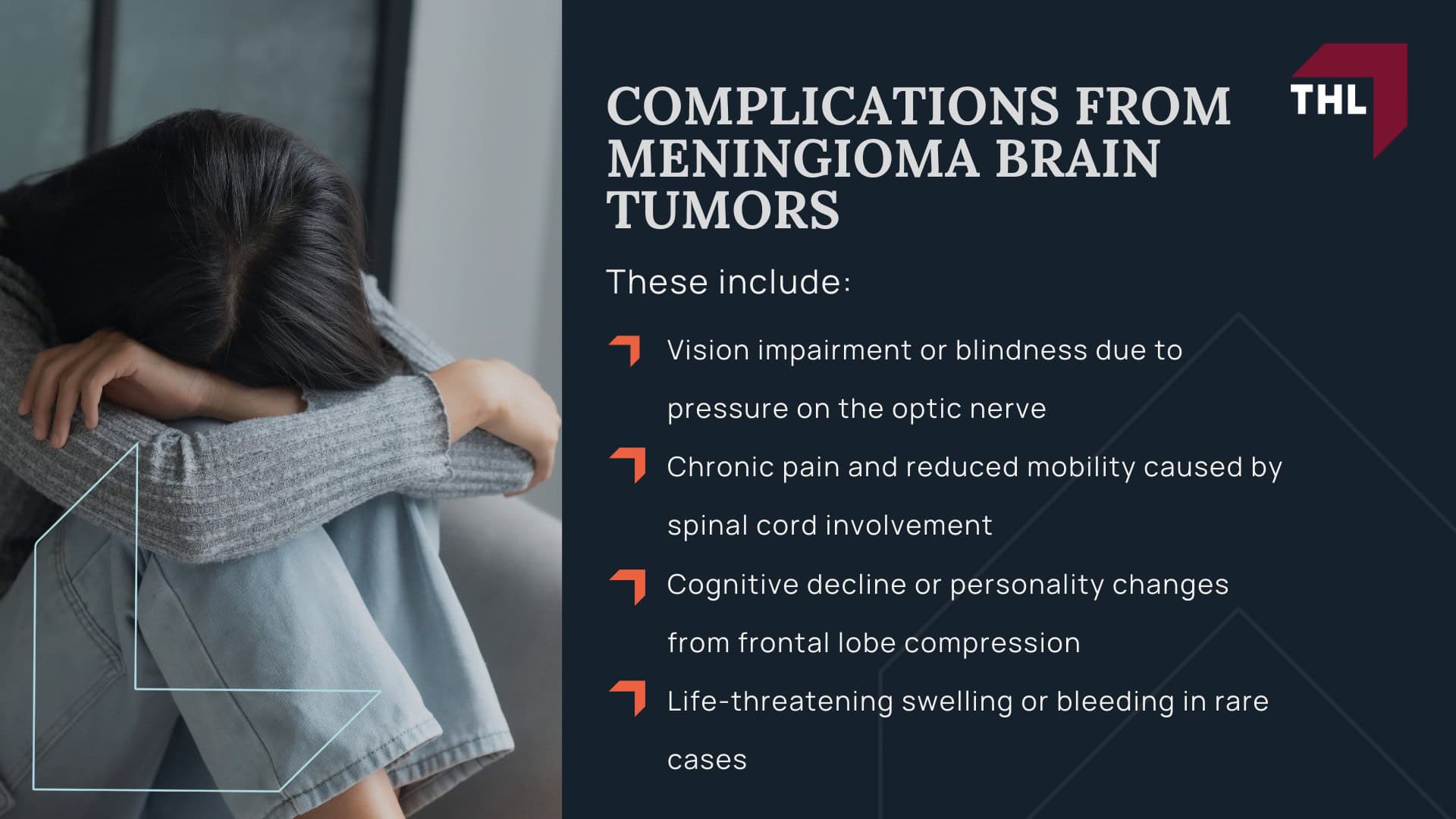
Many of the claims involve severe and life-altering symptoms, including chronic headaches, vision loss, and neurological damage, stemming from brain tumors linked to Depo-Provera use.

Depo Shot Lawsuits assert that Pfizer prioritized profits over patient safety by continuing to promote the drug at its current high dose rather than encouraging safer alternatives.
These cases aim to hold Pfizer accountable and secure compensation for women who have suffered due to this alleged negligence.
If you’ve taken the injectable contraceptive Depo-Provera for an extended period of time and subsequently developed brain tumors, you may be eligible to file a Depo-Provera Lawsuit.
Understanding the risks of these brain tumors, Depo-Provera Lawyers at TorHoerman Law are working to seek justice and compensation for women who have suffered.
Contact us today for a free consultation, or use the chat feature on this page for an instant case evaluation to find out if you qualify for the Depo-Provera Brain Tumor Lawsuit.
The Depo-Provera Lawsuit is NOT a Class Action Lawsuit
Depo-Provera cases are not being pursued through a class action framework.
Class action lawsuits combine all claims into a single case where a representative plaintiff acts on behalf of the entire group, and any settlement is divided equally among participants.
In contrast, multidistrict litigation (MDL) allows each plaintiff to retain an individual case, with shared pretrial proceedings to streamline discovery and motions.
On February 7th, 2025, the motion to consolidate Depo Provera Lawsuits into multidistrict litigation (MDL) was granted by the Judicial Panel on Multidistrict Litigation (JPML).
This decision created the Depo-Provera multidistrict litigation, centralizing all related cases in the Northern District of Florida under a single judge.
There was originally a push to consolidate Depo Provera Lawsuits in the Central District of California, but the JPML selected the Northern District of Florida partly due to the judge’s experience with large lawsuits.
An MDL allows individual lawsuits to be grouped together for pretrial proceedings while still being treated separately when it comes to compensation.
This structure helps improve efficiency in gathering evidence, handling motions, and establishing legal strategies without forcing all plaintiffs into a single outcome.
The MDL process is particularly useful for complex pharmaceutical cases like this, where widespread harm has been alleged but the effects on each plaintiff differ.
By consolidating these cases, the court can manage the growing number of claims more effectively, potentially granting fair and individualized compensation for each victim if the lawsuit is successful.
Plaintiffs in the Depo-Provera multidistrict litigation will still have their cases evaluated based on their specific medical history, financial losses, and long-term health impacts.

If you or a loved one developed a brain tumor after consistently receiving Depo-Provera injections, you may be eligible to file a Depo-Provera Brain Tumor Lawsuit and seek financial compensation.
Contact the Depo-Provera Lawyers at TorHoerman Law for a free consultation.
Use the chat feature on this page to find out if you’re eligible to file a Depo-Provera Lawsuit instantly.
How Does Multidistrict Litigation Impact Potential Depo-Provera Settlements?
Potential compensation in the new Depo Provera Lawsuit filed in federal court will depend on individual factors such as the severity of the plaintiff’s brain and spinal cord tumors, medical expenses, lost wages, and long-term health effects.
Unlike a class action lawsuit, where all plaintiffs stand to receive the same payout amount, the Depo-Provera multidistrict litigation (MDL) allows for case-by-case evaluations.
This means that Depo Provera settlements, if reached, will vary based on the specific harm suffered.
As the Depo Provera Birth Control Lawsuit progresses, lawyers will analyze medical records, expert testimonies, and corporate documents to determine liability and negotiate settlements.
MDLs often lead to global settlement discussions, where defendants may offer compensation to resolve large groups of legal claims instead of going to trial for every case.
Before settlements occur, bellwether trials will take place.
Bellwether trials are test cases in pharmaceutical litigation that help establish trends in jury verdicts and influence settlement negotiations.
If early trials result in significant awards for plaintiffs, it increases the likelihood of larger settlements for others in the MDL.
For those who have developed brain tumors after taking Depo Provera, joining the MDL increases the likelihood of a favorable outcome.
Each plaintiff retains the right to accept or reject a settlement offer based on their circumstances.
While the timeline for a settlement is uncertain, MDL settlements generally provide a structured path toward financial recovery for those harmed by Depo-Provera injections.