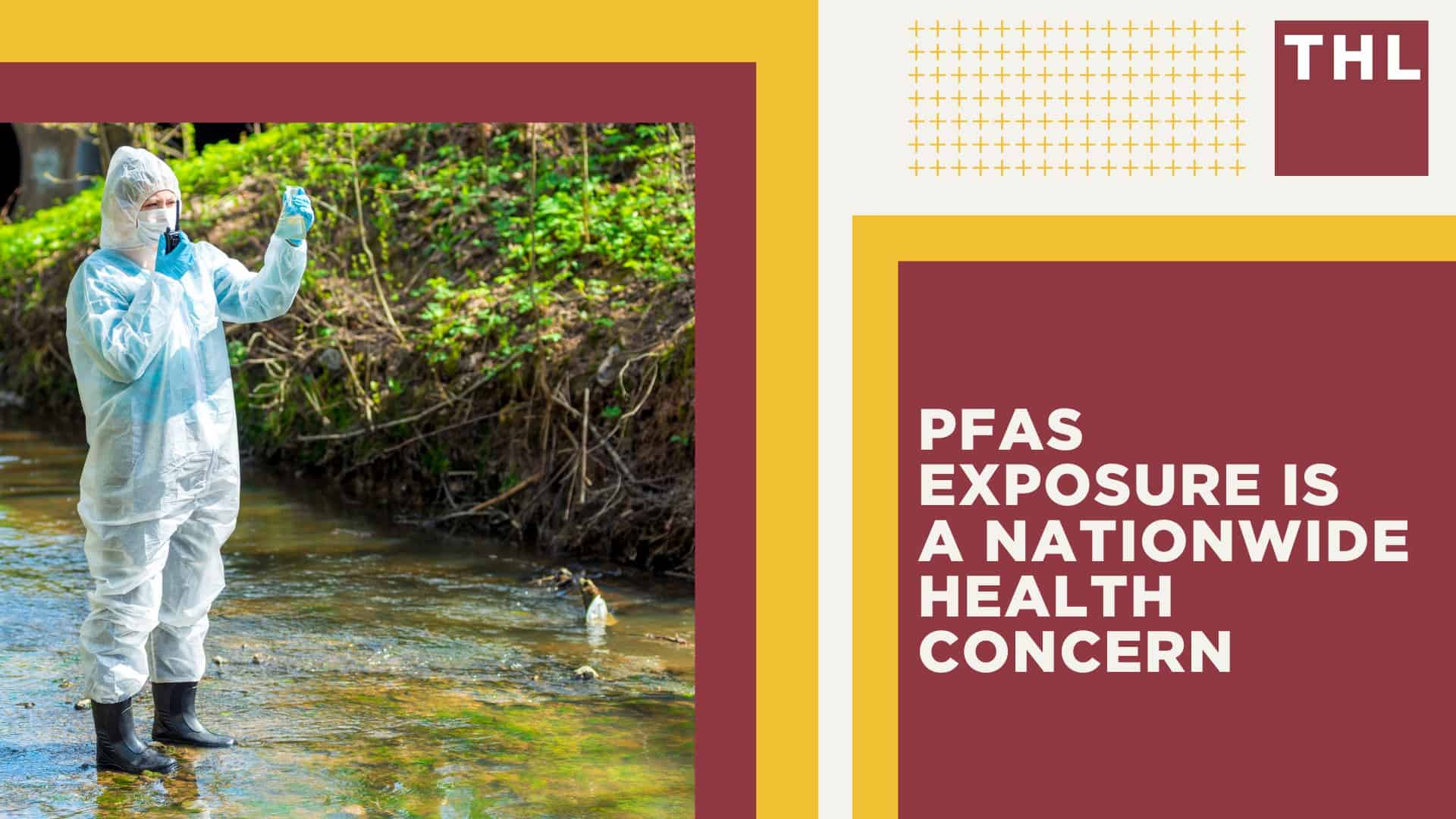
PFAS are a class of thousands of synthetic chemicals used for their ability to resist heat, water, and oil.
First developed in the 1940s, PFAS have been widely used in various industries, including manufacturing, food packaging, and, most notably, in firefighting foams.
Unfortunately, the very properties that make PFAS useful also make them harmful to the environment and human health.

These toxic chemicals do not break down easily, remaining in the air, water, and soil for decades — earning the nickname “forever chemicals.”
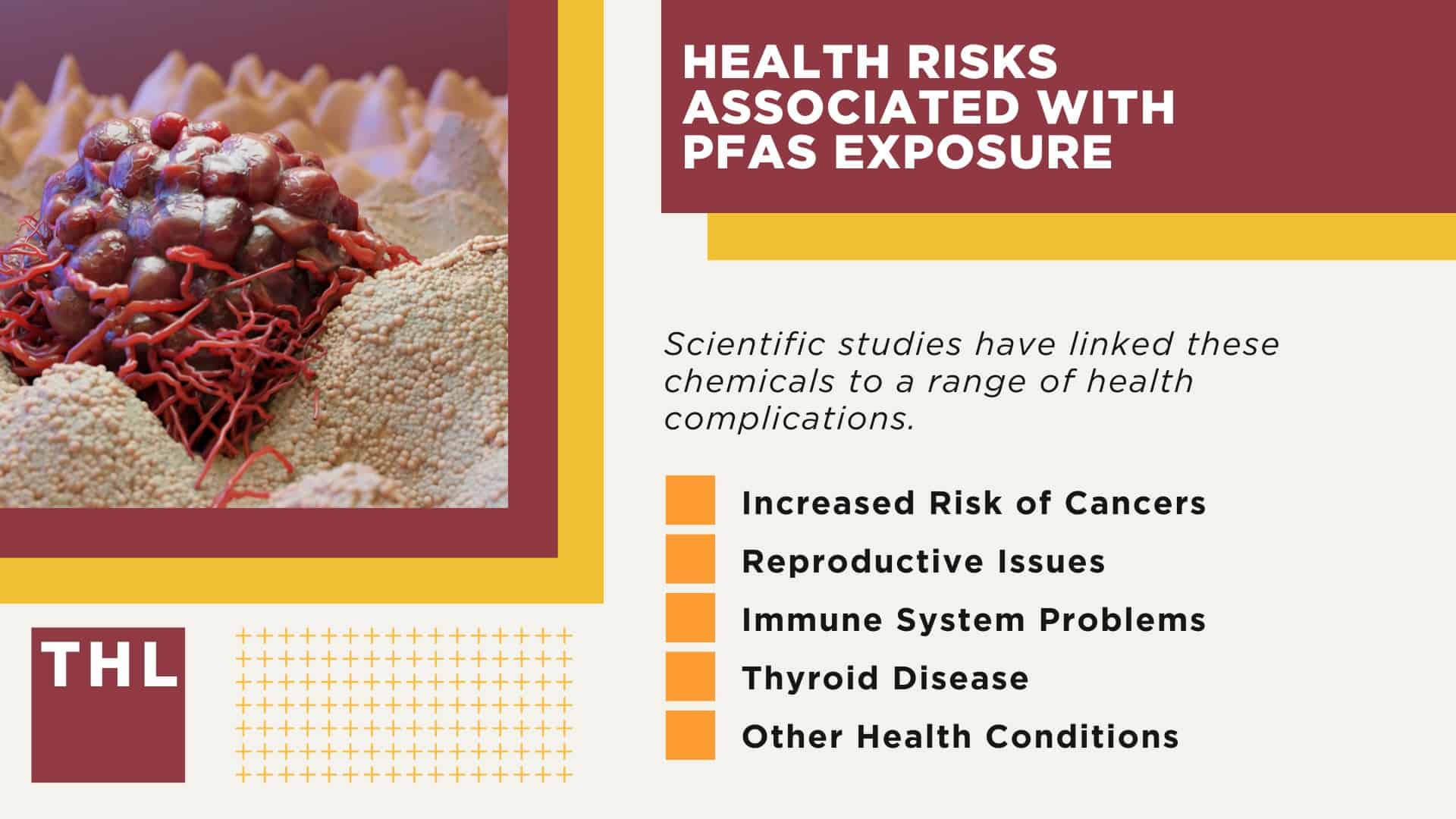
PFAS have also been linked to a variety of health issues, including cancer, reproductive issues, and immune system problems.
PFAS on Military Bases
A primary pathway in which PFAS has entered the environment, particularly on military bases, is through aqueous film forming foam (AFFF).
According to the National Fire Protection Association (NFPA), the U.S. Military and 3M company collaborated to develop AFFF firefighting foam in the 1960s.
For decades, the military has used AFFF extensively in training exercises and emergency responses, leading to widespread contamination on and around bases.

The use of AFFF was particularly prevalent at Air Force bases, where personnel used it to extinguish fires caused by jet fuel during plane crashes and training exercises.
AFFF foam contains PFAS chemicals, which have leached into the groundwater and contaminated drinking water supplies on military bases, putting service members, their families, and local residents at risk.
The connection between AFFF and PFAS contamination has become a central concern for military personnel and surrounding communities.
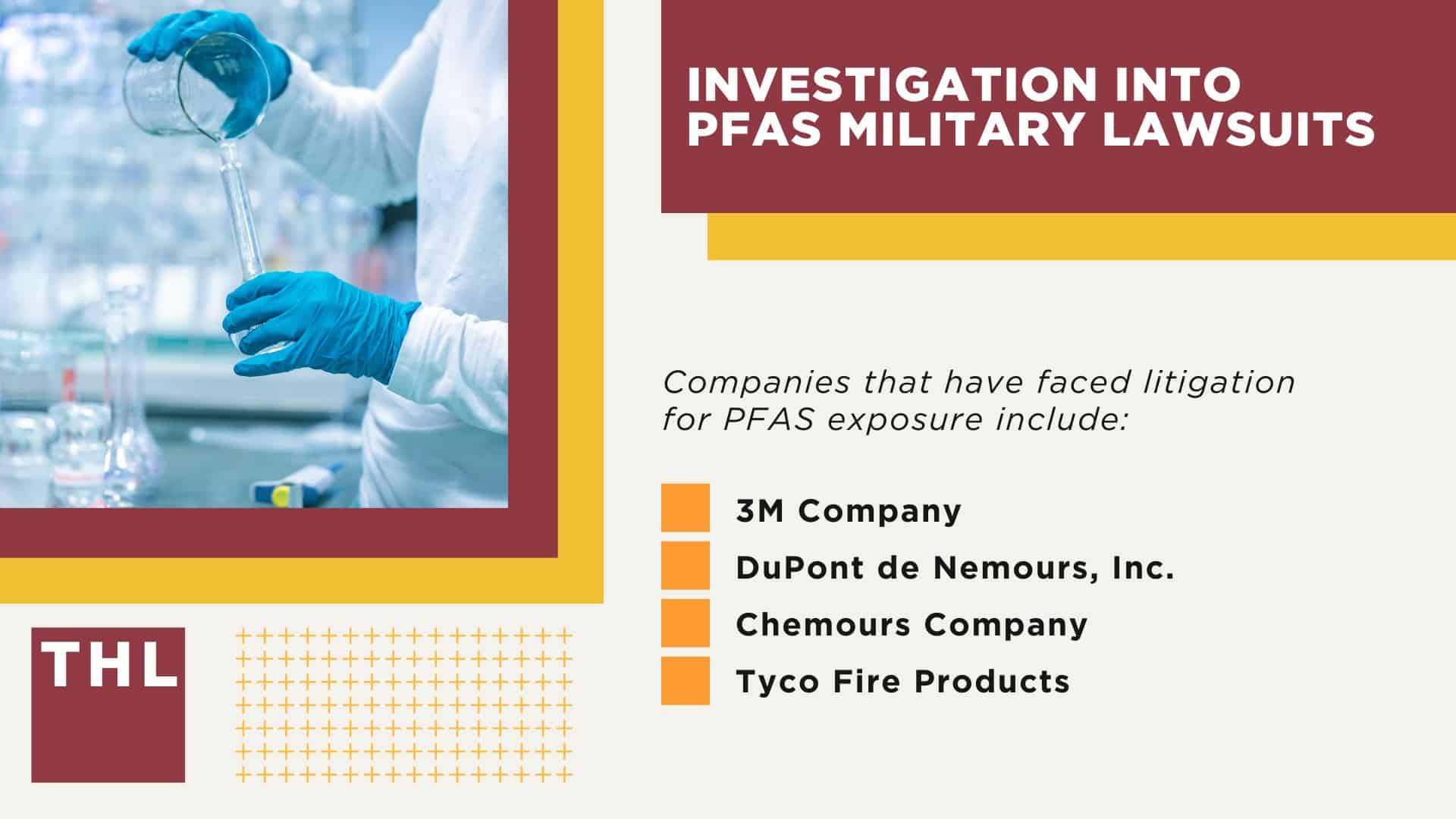
Victims of direct exposure to firefighting foam have filed AFFF Lawsuits against PFAS manufacturers, and others who have been exposed to PFAS contaminated water may be able to seek financial compensation through PFAS Water Contamination Lawsuits.