Social media has become one of the defining features of modern adolescence and young adulthood, but a growing body of research and public scrutiny links excessive use of social media apps to increased rates of depressive symptoms and other mental health consequences in teens and young people.
Court documents in related litigation indicate that Meta halted internal studies after early findings suggested Facebook and Instagram could worsen depression and anxiety among teens, yet those results were not publicly disclosed.
A Fast Company analysis of these filings asserts that Meta’s own research showed improved mental health in users who took breaks from Facebook and Instagram – information plaintiffs say was buried.
Critics also point to internal Meta research showing that Instagram’s algorithms may expose certain teens to higher levels of eating disorder‑adjacent and otherwise harmful content.
According to Reuters reporting on internal documents, teens who reported body dissatisfaction saw significantly more provocative and negative content compared with peers, raising concerns about algorithmic amplification of harmful material.
Despite some experts noting that social media can offer connection and community for isolated youth, multiple systematic reviews conclude that heavier and problematic usage patterns are associated with negative outcomes such as depression, anxiety, and psychological distress, especially for vulnerable adolescents.
These concerns about negative mental health outcomes have spurred legal action, with plaintiffs arguing that platforms were designed in ways that hook young users and prioritize corporate growth over safety and disclosures of risk.
Allegations focus on the idea that companies failed to warn users and caregivers about potential harms and did little to mitigate known risks, even when mounting evidence and internal analyses suggested mental health risks.
Against this backdrop, individuals and families have pursued social media addiction litigation asserting that perceived design flaws and incentives to maximize engagement have contributed to a youth mental health crisis.
These claims are part of consolidated federal litigation known as the social media MDL, where plaintiffs including both individual claimants and institutional plaintiffs such as school districts allege that platform design choices by Meta and other tech companies played a role in worsening depressive symptoms and other harms.
The MDL framework allows shared issues of fact and law to be addressed collectively while preserving individual claims.
If you or a loved one are suffering from mental health disorders due to excessive use of social media, you may be eligible to file a lawsuit.
Contact us today for a free consultation.
You can also use the chatbot on this page to find out if you qualify for the Social Media Mental Health Lawsuit instantly.
The Rising Concern Over Social Media’s Impact on Youth Mental Health
As social media usage continues to skyrocket, concerns about its impact on mental health, particularly among young people, have gained traction.
The ease of access, addictive nature, and constant exposure to curated content have raised questions about the potential harm inflicted on young social media users.
According to the Pew Research Center, some teens aged 13 to 17 admit to being on social media sites “almost constantly.”
Moreover, 54% of these teens find it “somewhat hard” or “very hard” to give up social media.
Since young people are more susceptible to peer pressure and societal standards, social media can significantly impact their perception of reality, self-worth, and overall mental well-being.
Excessive social media use can lead to poor mental health outcomes such as depression, anxiety, low self-esteem, and social media addiction.
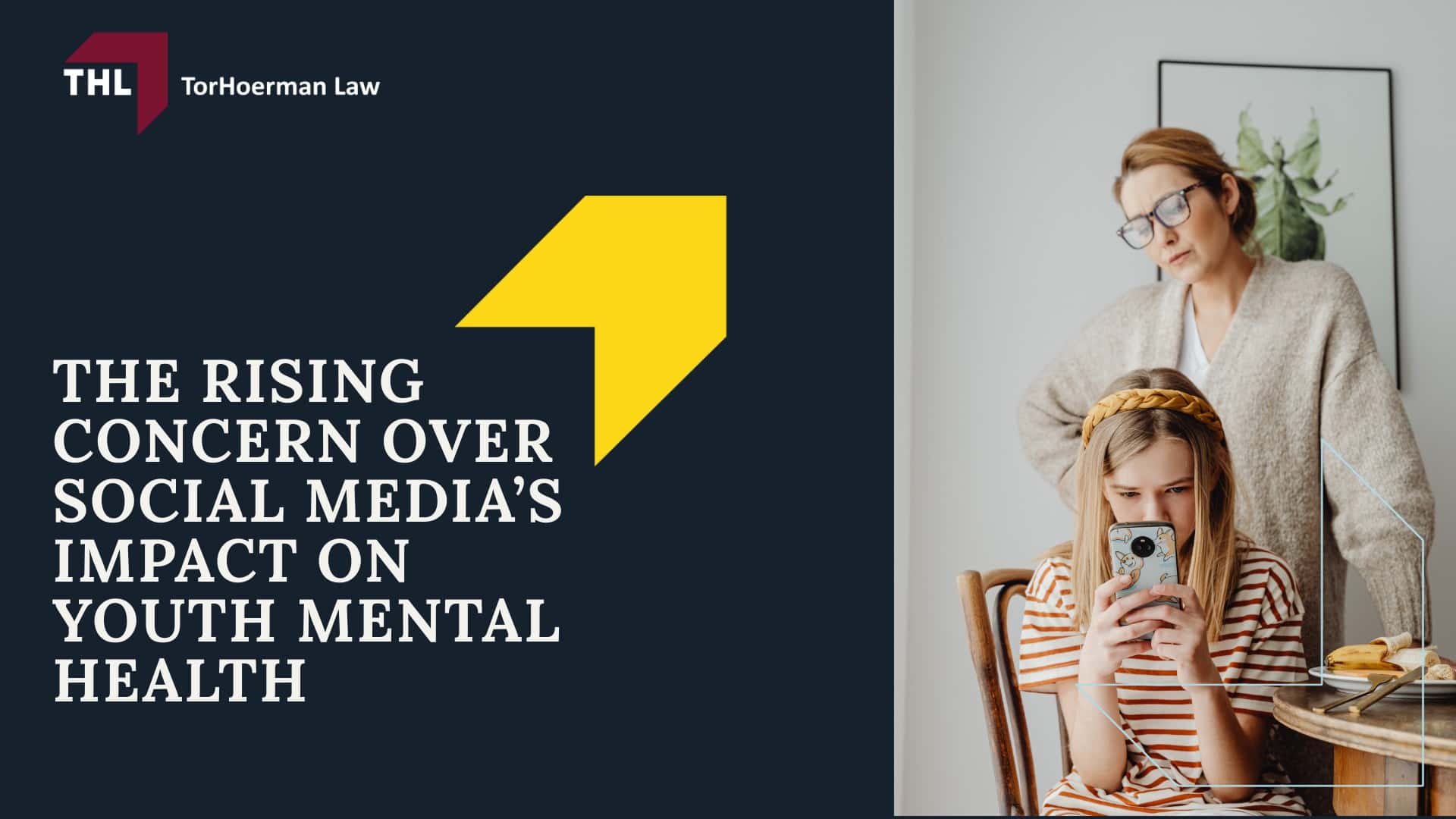
Because of the potential harm that social media can inflict on young people, there has been a growing concern among parents, healthcare professionals, and experts about the need for social media companies to take responsibility for their users’ mental health.
This concern also forms the foundation of the growing number of Social Media Addiction Lawsuits.
The Social Media Addiction MDL: Overview
The Social Media Addiction MDL (multidistrict litigation) is the central federal proceeding coordinating thousands of social media addiction cases brought by personal injury plaintiffs across the United States.
Instead of being heard in separate courts, these lawsuits are consolidated before a California federal judge in the Northern District of California to address shared questions of fact and law involving design, user safety, and alleged harms tied to multiple social media platforms.
Plaintiffs nationwide, including individuals and families alleging severe mental health issues, argue that social media giants engineered their products, from feeds and notifications to recommendation algorithms, in ways that capitalize on attention and engagement while failing to implement effective child safety protections or to warn users and caregivers of known risks.
These lawsuit theories include negligence, failure to warn claims, and product‑design defect allegations, with many focusing on the idea that social media companies knew of potential harms but continued to promote features that expose young users to psychological harm and negative mental health impacts.
The MDL reflects an effort to test these common allegations in a structured litigation environment while allowing each plaintiff’s case to maintain individualized facts and damages.
Consolidation helps streamline discovery, expert testimony, and pretrial rulings on complex issues such as platform design, algorithmic amplification, data structures, and user interface features that allegedly contribute to compulsive use and adverse outcomes.
It also allows courts to evaluate broader industry practices by comparing evidence across different defendants.
Many plaintiffs’ lawyers point to internal communications and research as part of their strategy to show that some social networks were aware of troubling patterns (such as repetitive use, negative emotional feedback loops, and increased anxiety, depression, or body‑image concerns) yet did not sufficiently change course or disclose risks to users or parents.
Named defendants in the Social Media Addiction MDL include major global companies that operate the most widely used apps in the world:
- Meta Platforms, Inc. – Parent company of Facebook and Instagram
- ByteDance Ltd. – Parent company of TikTok
- Snap Inc. – Developer of Snapchat
- Alphabet Inc. (Google) – Owner of YouTube
These social media giants are accused of building ecosystems in which engagement‑driven design and algorithmic recommendations may have increased exposure to harmful or emotionally triggering content and created environments that are difficult for young people to navigate safely.
Plaintiffs in the MDL seek compensation for their injuries as well as accountability for design choices that they allege prioritized growth and engagement over child safety and well‑being.
The consolidated litigation continues to evolve as courts address motions, discovery disputes, and early case sequencing, including bellwether selections aimed at testing core legal and factual issues representative of the broader docket.