Active LitigationMDL 3181
Spinal Cord Stimulator Lawsuit Facts
TorHoerman Law is actively accepting claims for the Spinal Cord Stimulator Lawsuit.


Spinal cord stimulator systems are implanted medical devices used to manage chronic pain when medications, physical therapy, and other treatments have not provided adequate relief.
The system generally consists of electrical leads placed in the epidural space near the spinal cord and a pulse generator implanted beneath the skin.
The pulse generator sends electrical impulses through the leads to alter how pain signals are transmitted and perceived.
Spinal cord stimulation can provide relief for some patients, but the treatment also carries significant risks. Reported complications include infection, lead migration, painful electrical shocks, burns, loss of pain relief, neurological injury, and the need for revision surgery or device removal.
A 2020 Public Citizen analysis of the FDA’s MAUDE database identified 179,917 adverse event reports involving fully implanted spinal cord stimulators from 2004 through 2019, including 118,272 reports categorized as injuries.
Adverse event reports do not establish that a device caused an injury, and the database may include more than one report concerning the same event.
Spinal cord stimulator lawsuits allege that certain systems were defectively designed or manufactured, modified without adequate testing, or marketed without sufficient warnings about the risk of device failure and serious injury.
Some complaints also allege that manufacturers failed to satisfy federal reporting, warning, or regulatory requirements.
Federal spinal cord stimulator litigation is proceeding along manufacturer-specific tracks rather than through one industrywide case.
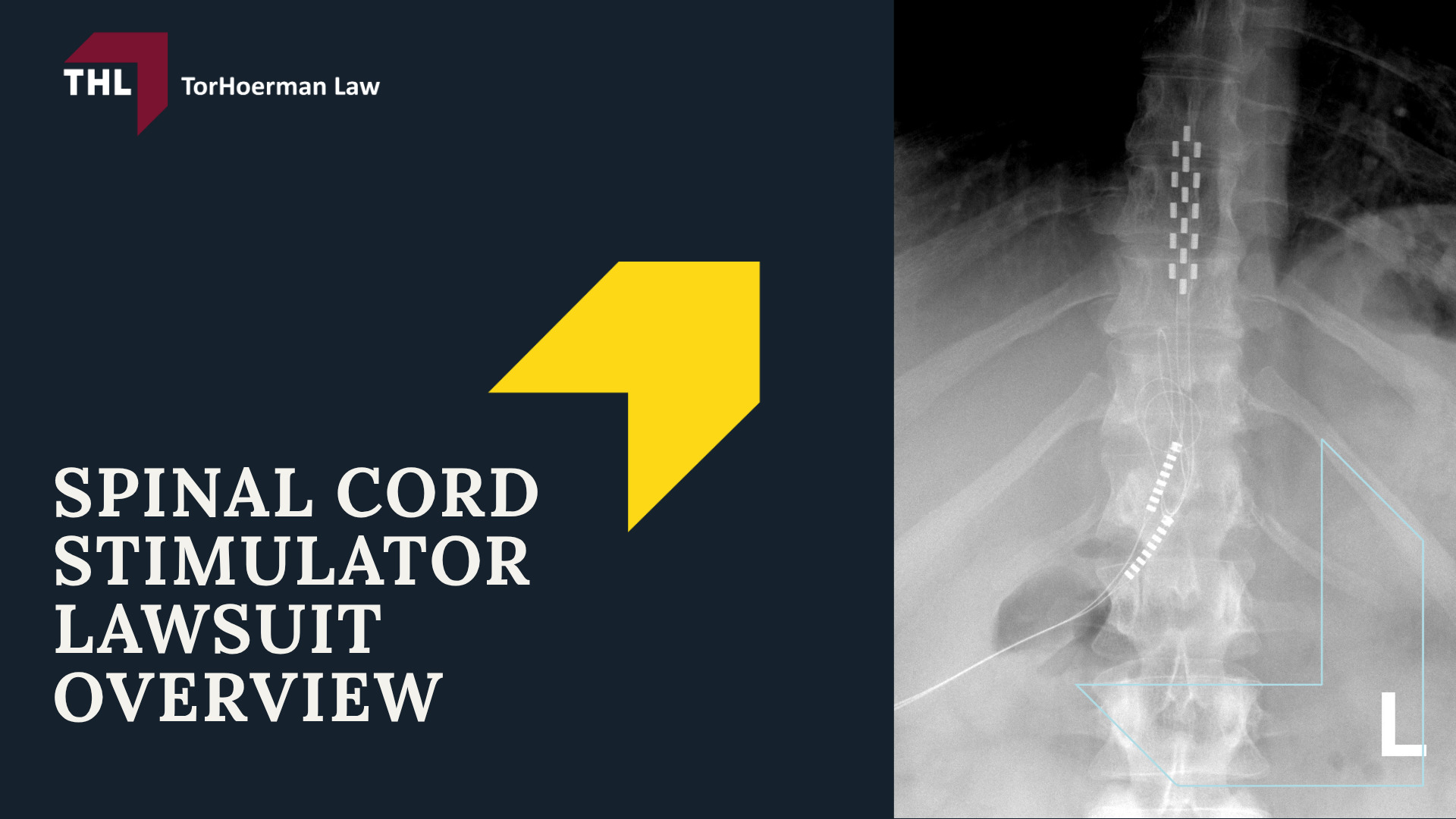
The U.S. Judicial Panel on Multidistrict Litigation centralized federal Boston Scientific lawsuits in MDL 3181 but declined to combine competing manufacturers because their devices, regulatory histories, company records, and alleged defects involve different factual questions.
A patient may be able to file a spinal cord stimulator lawsuit when medical records, device information, and other evidence connect a defective device or inadequate warning to a serious injury.
Claims being investigated involve revision surgery, device removal, repeated reprogramming, loss of effective therapy, infection, neurological deficits, and permanent physical impairment.
Individuals who experienced serious complications, or families with evidence that a spinal cord stimulator contributed to a patient’s death, may have grounds to pursue compensation based on the device involved, the resulting injuries, and the applicable filing deadline.
TorHoerman Law is investigating claims involving spinal cord stimulator systems manufactured by Boston Scientific, Abbott, Medtronic, Nevro, and other medical device companies.
Spinal cord stimulator lawsuits have not been combined into one industrywide class action or multidistrict litigation involving every manufacturer.
Federal Boston Scientific spinal cord stimulator lawsuits have been centralized in a manufacturer-specific multidistrict litigation, known as MDL 3181, for coordinated pretrial proceedings.
The U.S. Judicial Panel on Multidistrict Litigation declined to place claims involving competing manufacturers in the same MDL because each company’s devices, regulatory history, internal records, and alleged defects involve different factual questions.
Claims involving other manufacturers are proceeding on separate tracks:
An MDL is not a class action.
Each person who files a spinal cord stimulator lawsuit maintains an individual claim based on the device implanted, the complications experienced, the medical treatment required, and the resulting damages.
The dated lawsuit updates on this page provide information about new filings, court orders, centralization decisions, and other developments affecting spinal cord stimulator litigation.
Spinal cord stimulator lawsuits allege that certain devices were defectively designed, manufactured, tested, or marketed and caused serious injuries after implantation.
Some complaints allege mechanical or electrical failures, including lead migration, lead fractures, battery problems, loss of stimulation, painful shocks, burning sensations, and other abnormal device behavior.
Plaintiffs claim that these complications required repeated reprogramming, revision surgery, device removal, or additional medical treatment.
The lawsuits also raise allegations involving the federal approval and monitoring of spinal cord stimulator systems.
Plaintiffs claim that some manufacturers introduced materially modified devices through supplements to earlier premarket approvals without conducting sufficient new clinical testing or providing complete information about the devices’ risks.
The manufacturers dispute these allegations and may argue that the claims are barred or limited by federal preemption.
Certain Boston Scientific complaints also allege that company sales representatives participated in implantation procedures, advised medical personnel on lead positioning and stimulation testing, recommended device settings, and adjusted or directed the adjustment of device parameters.
Plaintiffs contend that some of this conduct crossed into medical decision-making that should have been performed by licensed healthcare providers.
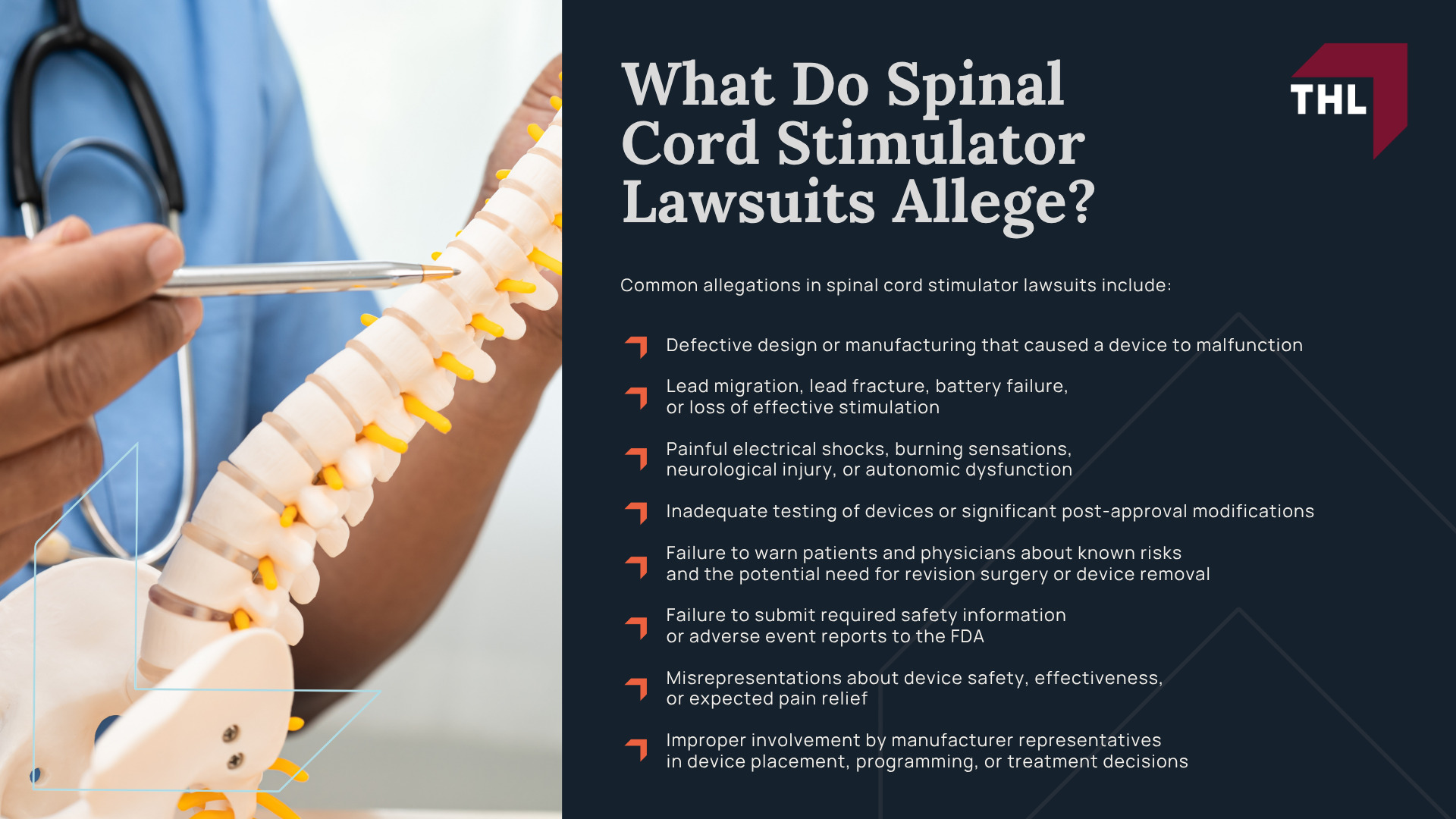
Common allegations in spinal cord stimulator lawsuits include:
There is currently no established average spinal stimulator lawsuit settlement amount because the product liability claims against spinal cord stimulator manufacturers have not produced a global settlement, bellwether verdict, or sufficient number of reported individual resolutions.
Based on the injuries alleged, the treatment required, and outcomes in comparable medical device cases, current estimates place the potential value of many spinal cord stimulator lawsuits within a broad range of approximately $50,000 to $500,000 or more.
Claims involving limited complications or a single corrective procedure may fall near the lower end of the estimated range.
Cases involving device removal, multiple revision surgeries, permanent neurological damage, loss of mobility, bowel or bladder dysfunction, or extensive future medical care may have a higher potential value.
Past spinal cord stimulator cases have resulted in settlements and verdicts, but many of those resolutions involved medical malpractice allegations against physicians or healthcare providers for errors during implantation, monitoring, or follow-up care.
They were not product liability resolutions establishing the value of claims against Boston Scientific, Abbott, Medtronic, Nevro, or another device manufacturer.
For example, a study of spinal cord stimulator verdicts and settlements involving medical malpractice reported compensation ranging from approximately $301,000 to $4.5 million, while a separate New Jersey malpractice case settled for $1.25 million after the patient allegedly developed incontinence and partial paralysis following implantation.
Those results provide context for the potential consequences of severe spinal cord stimulator injuries, but they are not direct predictors of outcomes in the current manufacturer litigation.
The value of an individual claim will depend on the specific device, evidence of a defect, the connection between the device and the injury, the number of corrective procedures, permanent impairment, lost income, and the effect of the complications on the patient’s daily life.
Settlement estimates are not guarantees of compensation in spinal stimulator lawsuits.
Each claim must be evaluated based on its own medical evidence, legal issues, and damages.
Although these devices offer pain relief for some, their use also involves significant risks that can severely impact a patient’s health and quality of life.
Common issues include infection at the surgical site, device malfunctions, and even neurological complications if the device moves or fails.
Spinal cord injury is also a major risk.
These risks have led many patients to experience further injury instead of relief, with complications that sometimes require additional surgeries.
For some, the implantation process itself can result in adverse effects like dural punctures or allergic reactions to device materials.
Patients considering spinal cord stimulation should weigh these potential complications with their medical providers to make fully informed choices.
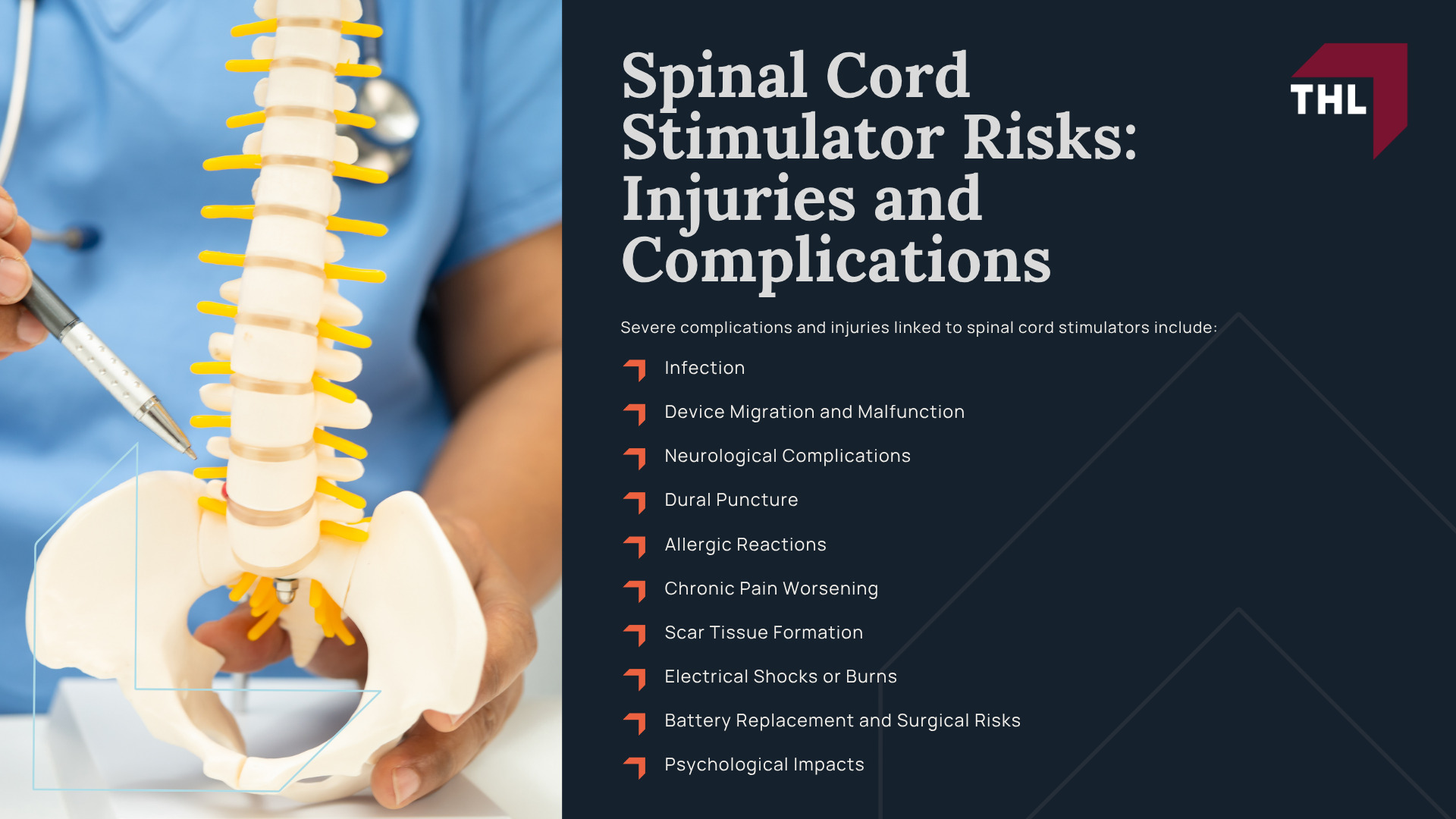
Severe complications and injuries linked to spinal cord stimulators include:
It’s essential for patients to discuss these potential risks with their healthcare providers to make informed decisions about undergoing spinal cord stimulator implantation.
Spinal cord stimulation (SCS) is a medical treatment used in chronic pain management when other approaches have failed to alleviate chronic pain.
During a spinal cord stimulator operation, leads are placed in the epidural space near the spinal canal and connected to an implantable pulse generator that delivers electrical impulses to modify how pain signals are processed.
This therapy is typically considered for patients living with chronic intractable pain, including conditions such as failed back surgery syndrome or neuropathic pain.
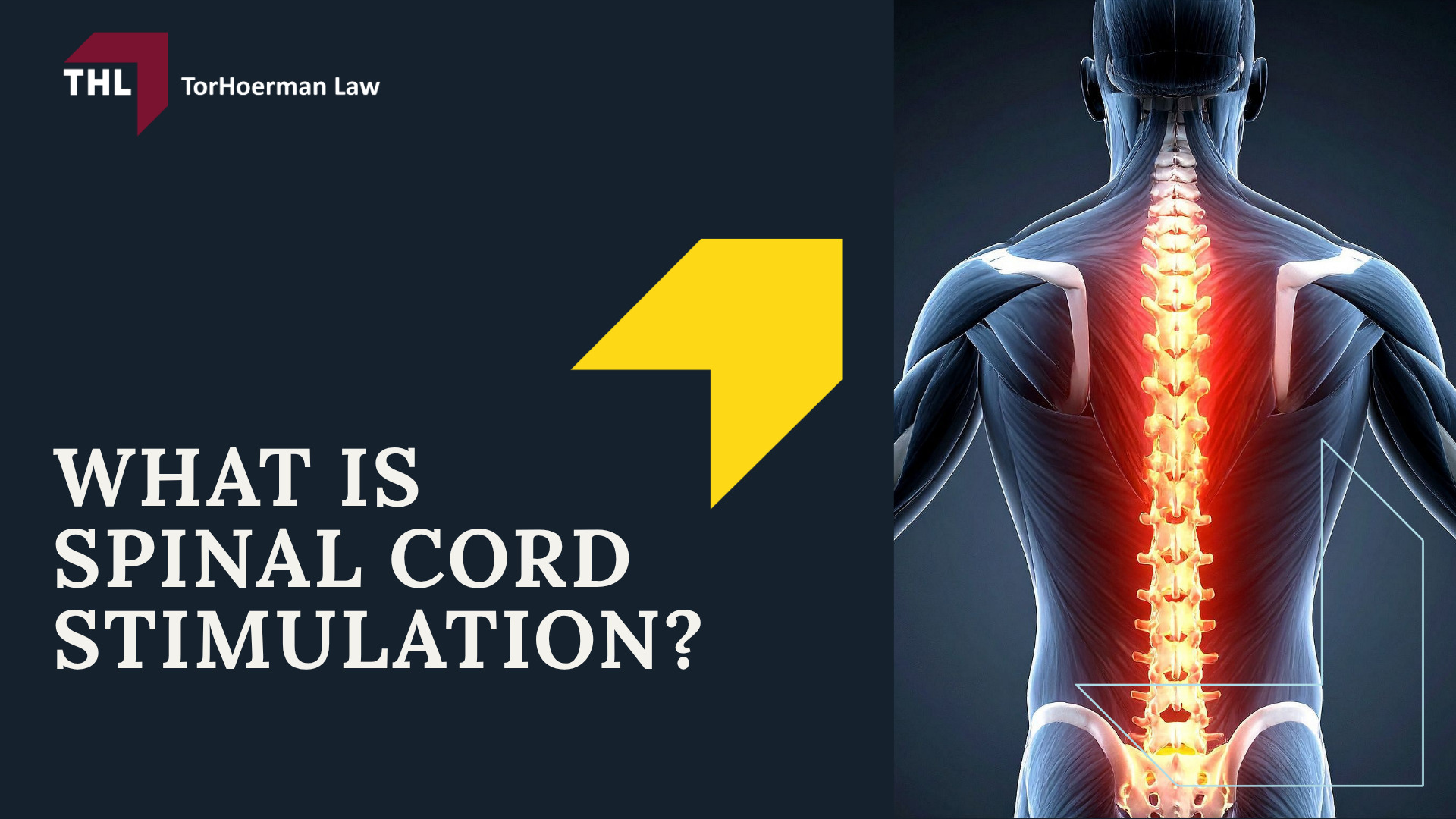
Modern spinal cord stimulators are usually introduced after medications, physical therapy, and other forms of medical treatment have not provided sufficient relief.
Spinal cord stimulation differs from non-implantable options like transcutaneous electrical nerve stimulation and percutaneous electrical nerve stimulation, which use external or temporary electrodes.
Related approaches such as peripheral nerve stimulation and peripheral nerve field stimulation target different areas of the nervous system, while spinal cord stimulation focuses on the spinal canal.
The implantation of a spinal cord stimulator (SCS) involves a two-step process: a trial phase and, if successful, a permanent implantation.
This staged approach helps determine if spinal cord stimulation provides adequate pain relief before committing to a permanent device.
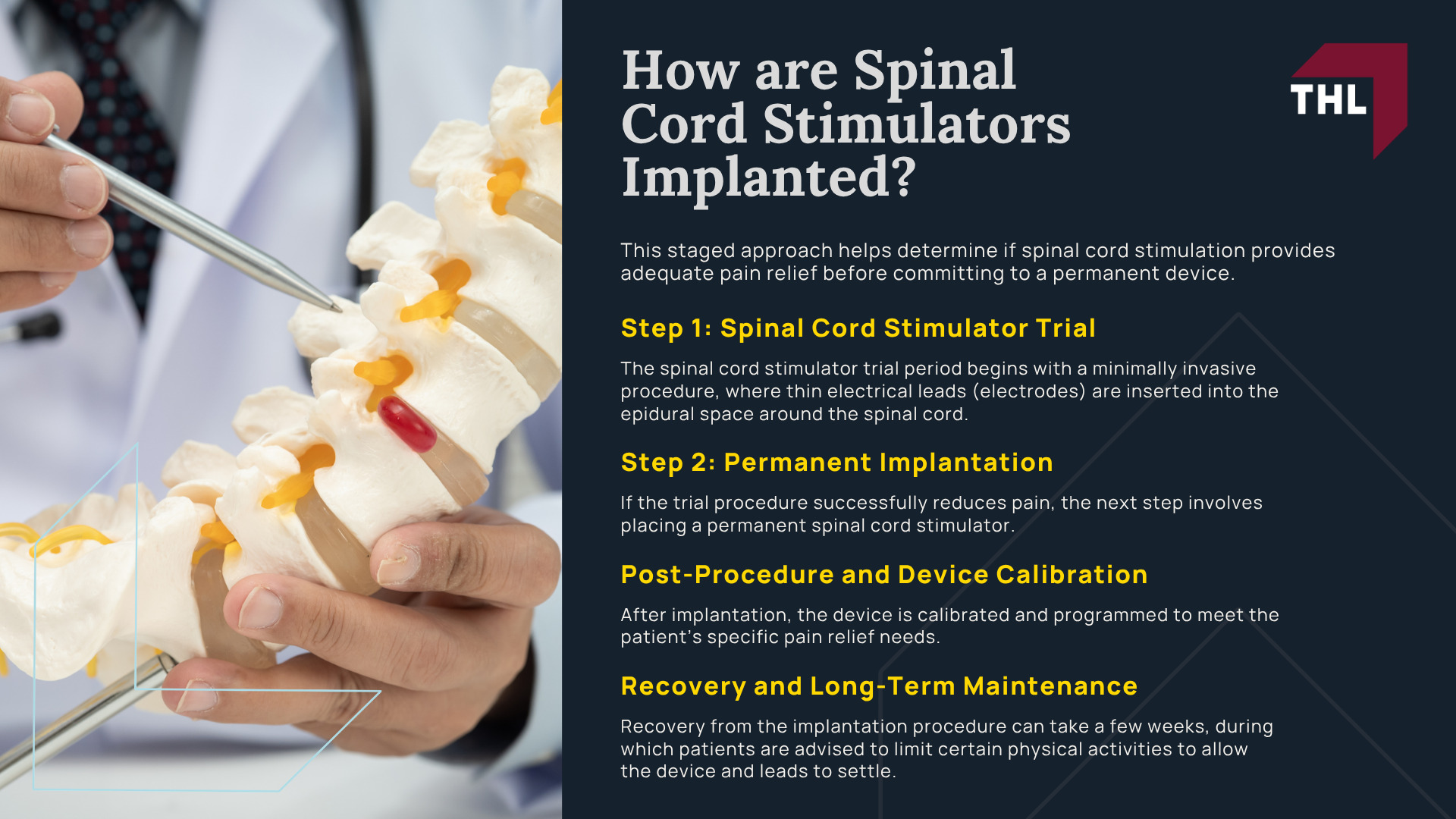
The spinal cord stimulator trial period begins with a minimally invasive procedure, where thin electrical leads (electrodes) are inserted into the epidural space around the spinal cord.
These leads are connected to an external pulse generator worn outside the body.
Patients usually undergo local anesthesia or mild sedation for this procedure, which allows the orthopedic surgeon to position the leads precisely and test their effectiveness in real-time.
The goal is to see if the device reduces pain enough to justify a permanent implant.
The trial period typically lasts around 5-7 days, during which the patient assesses the level of pain relief and reports any issues.
If the trial is successful, the patient may proceed to the permanent implantation phase.
If the trial procedure successfully reduces pain, the next step involves placing a permanent spinal cord stimulator.
During this procedure, the surgeon performs spinal cord stimulator placement under local or general anesthesia, positioning the device’s leads near the spinal nerve root in the same epidural space used during the trial phase.
The implant also includes a small pulse generator, inserted beneath the skin (most often in the abdomen or buttocks) which connects to the leads to deliver steady electrical signals.
Once positioned, the system is programmed to provide continuous pain relief tailored to the patient’s needs.
Many spinal cord stimulators are designed with advanced technology that allows customizable programming and adjustable stimulation patterns.
Some models use rechargeable spinal cord stimulators, which patients recharge through an external wireless system, while others rely on non-rechargeable batteries that typically require surgical replacement after several years.
This permanent implantation allows patients to receive ongoing therapy without repeated external procedures, but it also introduces the potential for long-term complications if the device malfunctions or shifts from its intended placement.
After implantation, the device is calibrated and programmed to meet the patient’s specific pain relief needs.
Patients are trained to use a handheld remote control, allowing them to adjust the stimulation level or turn the device on and off.
Initial follow-up appointments are crucial for fine-tuning the stimulator settings and ensuring the device functions optimally.
Over time, as the patient’s condition or pain levels change, additional adjustments may be made to maintain effective pain relief.
Recovery from the implantation procedure can take a few weeks, during which patients are advised to limit certain physical activities to allow the device and leads to settle.
After having a spinal cord stimulator installed, the pulse generator must be programmed and monitored during follow-up visits.
Long-term, patients may require periodic adjustments, and in some cases, the device may need to be repositioned or replaced due to complications like lead migration, device malfunction, or battery depletion.
Proper maintenance and regular medical follow-up ensure that the spinal cord stimulator continues to provide effective pain relief over time.
Spinal cord stimulation as a treatment for chronic pain originated in the late 1960s when the first devices were introduced to target pain pathways directly within the nervous system.
Over the following decades, advancements in technology allowed these devices to evolve, providing greater control over pain management with more compact, reliable models.
By the 1990s, spinal cord stimulators had gained FDA approval for broader use, though their effectiveness varied significantly among patients.
Improvements in the 2000s brought rechargeable batteries, high-frequency stimulation options, and patient-controlled settings, further enhancing their appeal as an alternative to long-term pain medication.
Today, spinal cord stimulators are manufactured by multiple medical companies, each producing various models to cater to specific types of chronic pain and patient needs.
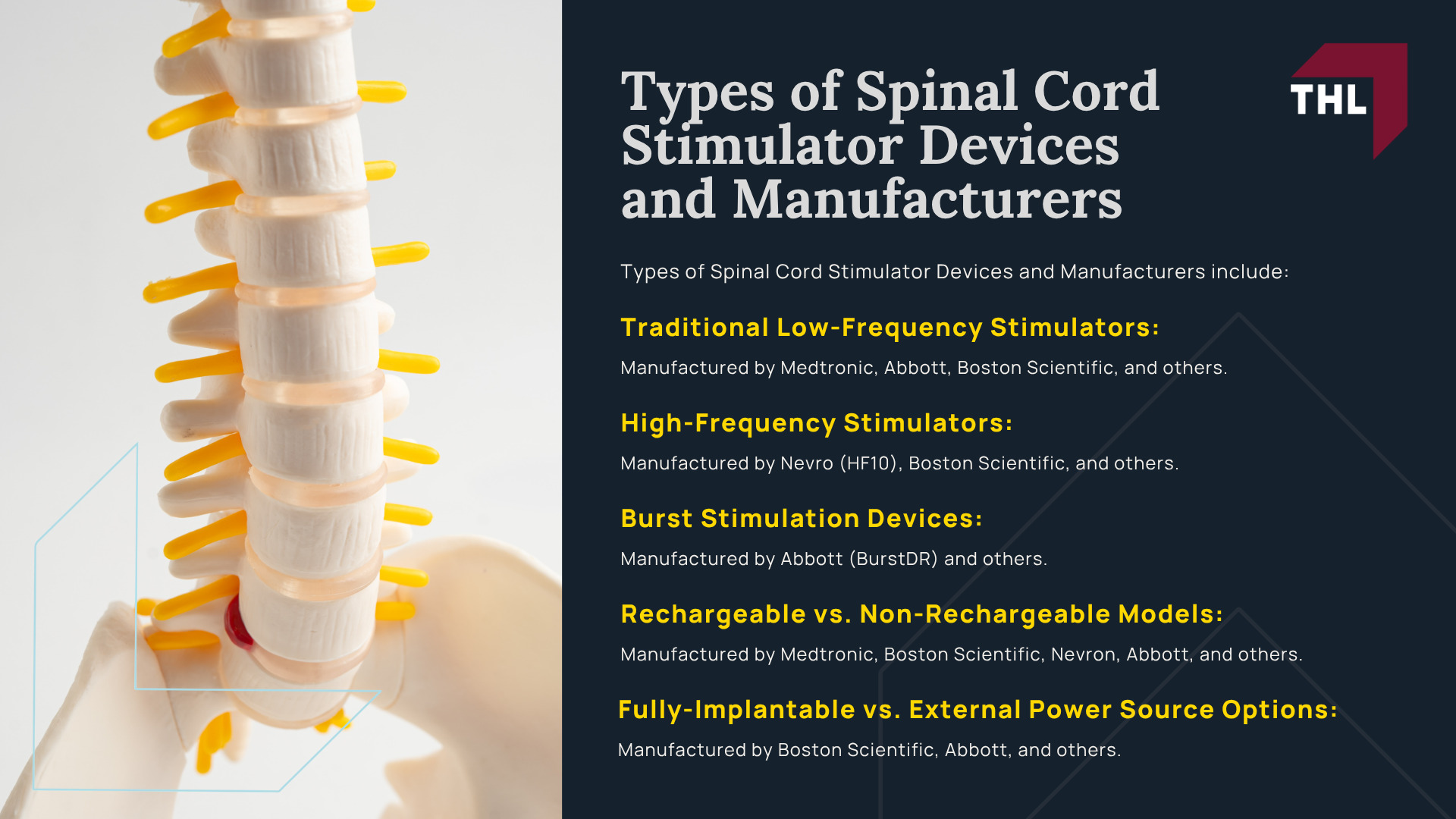
Types of Spinal Cord Stimulator Devices and Manufacturers include:
These types of spinal cord stimulators provide varied methods and technologies to address specific pain needs.
Medical malpractice claims, medical negligence claims, and product liability lawsuits have named several different types of spinal cord stimulators.
Spinal cord stimulators offer relief for many patients, but they come with notable limitations and risks.
For one, these devices are not universally effective; up to 30% of patients report little to no improvement in their pain levels and opt for removal, even after proper implantation and use.
Complications such as device migration, where the electrode moves from its intended position, can impact the device’s effectiveness and may require corrective spinal surgery.
There’s also a risk of infection at the implant site, which can be severe enough to warrant removal of the device.
In rare cases, patients may experience neurological side effects like numbness or even paralysis due to issues like epidural hematoma or nerve damage during insertion.
Battery life is another limitation, as the devices require battery replacement, which involves additional surgeries over time.
Spinal cord stimulators come at a significant financial cost, and insurance coverage may vary, placing a burden on some patients seeking this therapy.
Spinal cord stimulators are classified as Class III medical devices, a category that requires rigorous premarket approval and supplemental review when design or functional changes could affect safety or effectiveness.
Current lawsuits allege that manufacturers relied on PMA supplements and other expedited FDA approval pathways to market newer spinal cord stimulator models without sufficient clinical trials.
Plaintiffs also allege that manufacturers made substantial changes to these devices without submitting new Premarket Approval applications, even when those modifications materially affected safety profiles.
Some complaints go further, alleging that the FDA failed to meaningfully review supplemental approvals and allowed materially different devices to reach the market through a regulatory shortcut.
The scope of the issue has drawn added scrutiny because the FDA received more than 107,728 adverse event reports involving spinal cord stimulators over a four-year period, including more than 30,000 complaints of unsatisfactory pain relief.
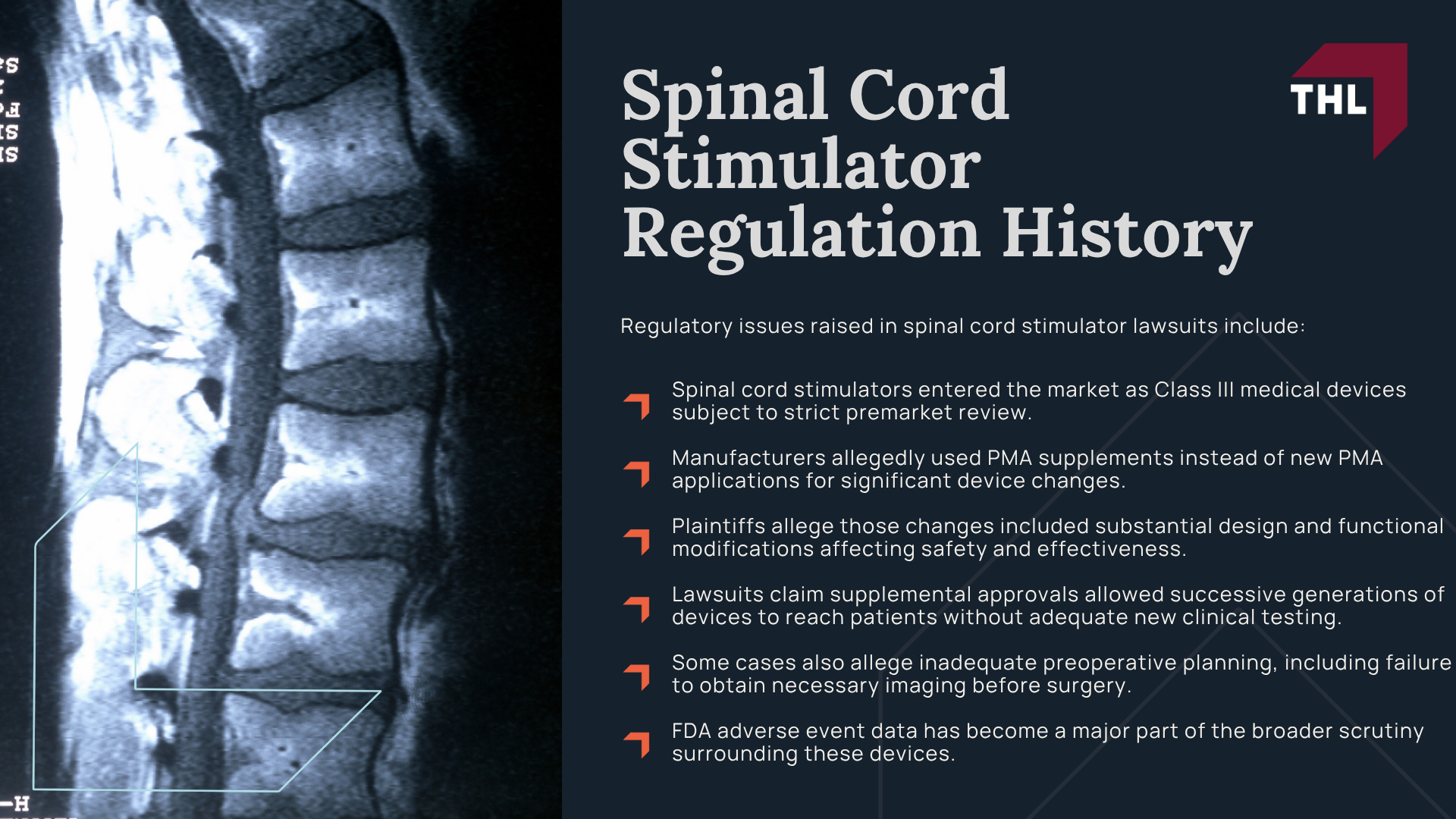
Regulatory issues raised in spinal cord stimulator lawsuits include:
Injuries from spinal cord stimulators can have a profound impact on a person’s life, often turning a hopeful treatment into a daily struggle with new and worsening pain.
For many, these complications limit their mobility, add emotional strain, and affect their ability to work or care for loved ones.
The physical and emotional toll can be overwhelming, leaving individuals to navigate medical issues and the uncertainty of their well-being in the face of ongoing pain.
If you or a loved one has suffered injuries or complications from a spinal cord stimulator, you may be entitled to seek compensation for medical expenses, pain, and the impact on your quality of life.
Contact our law firm today for a free consultation.
Use the chat feature on this page for a free and instant case evaluation.
Attorneys handling injury claims related to spinal cord stimulators can help clients through the legal process, gathering evidence to support their case and assessing damages to understand the impact of the device.
Building a strong case for a Spinal Cord Stimulator Lawsuit requires gathering comprehensive evidence to demonstrate the impact of the device’s failure on the patient’s life.
Medical records documenting the initial pain condition, treatment attempts, and any complications post-implantation provide critical insight into the extent of harm caused.
Expert evaluations and personal documentation of pain levels, physical limitations, and emotional distress can strengthen the case, illustrating the profound effects of the injuries.
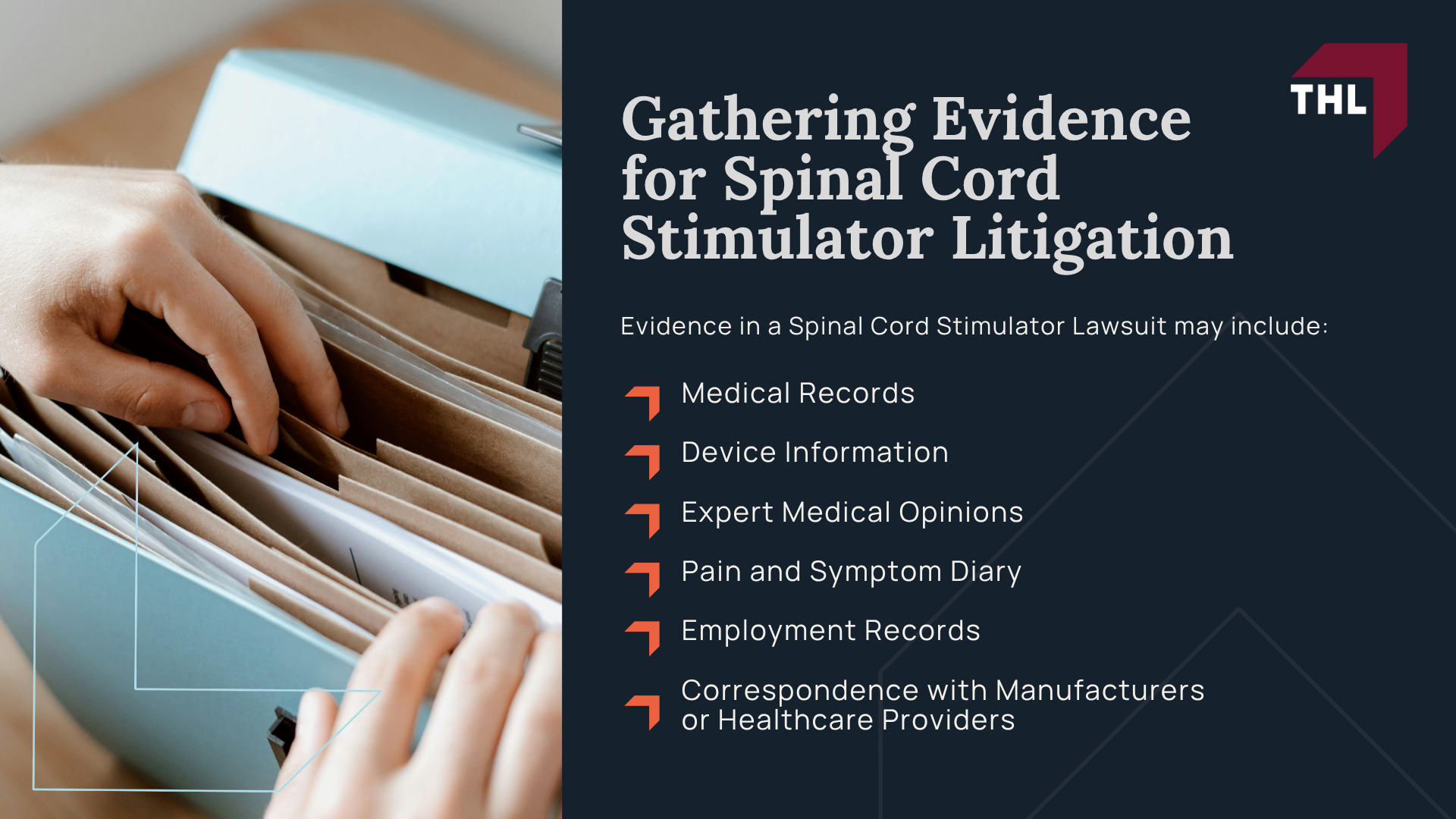
Evidence in a Spinal Cord Stimulator Lawsuit may include:
In a legal context, “damages” refer to the compensation awarded to a plaintiff for the harm or losses they’ve suffered due to another party’s actions or negligence.
In Spinal Cord Stimulator injury claims, damages aim to address both the financial and non-financial impacts of the injuries, helping victims recover from the consequences of faulty devices.
These claims seek to cover not only direct costs, like medical bills, but also the broader effects on a person’s quality of life, earning capacity, and emotional well-being.
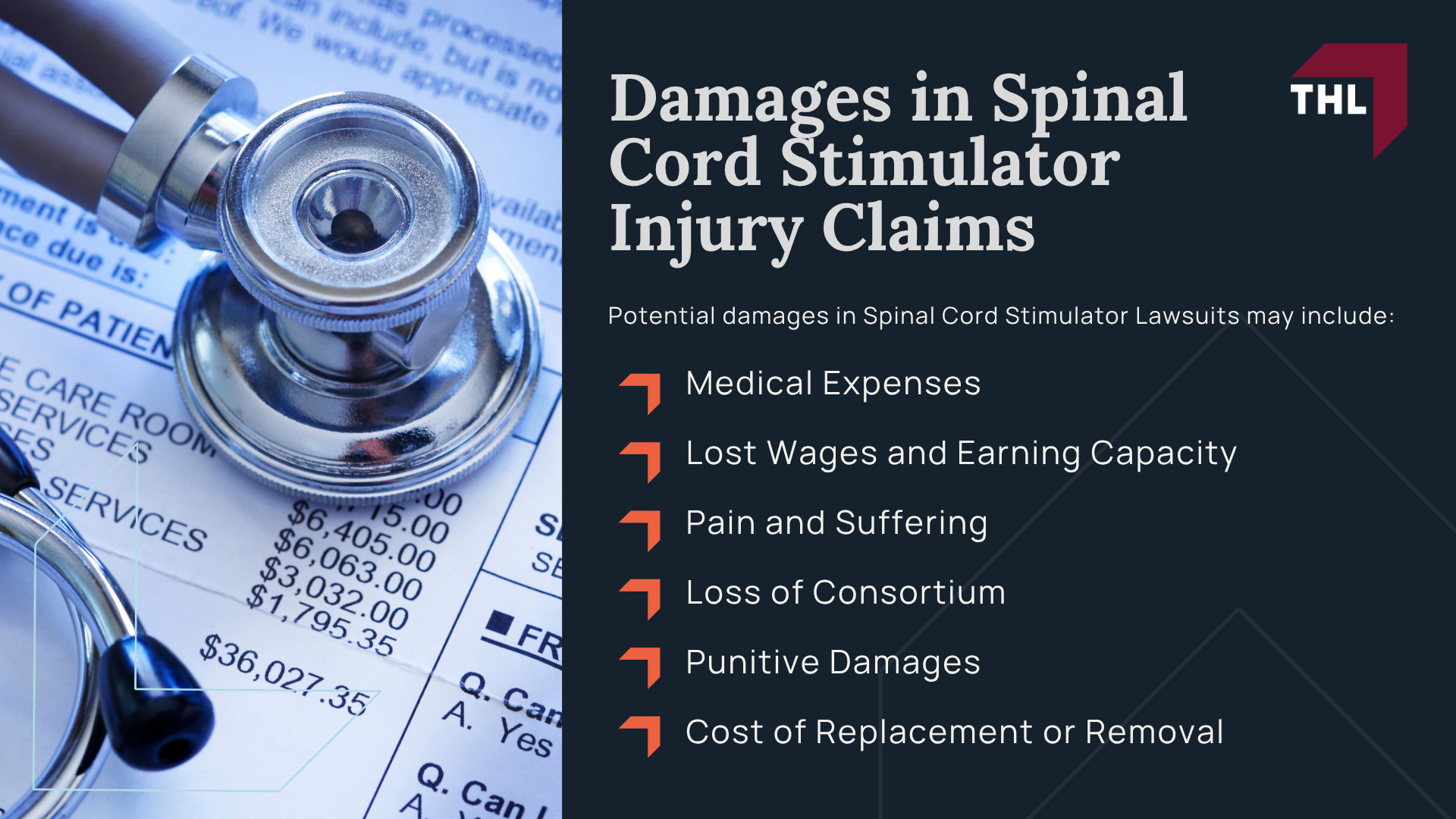
Potential damages in Spinal Cord Stimulator Lawsuits may include:
The deadline to file a spinal cord stimulator lawsuit depends on the state where the claim is brought and the legal claims involved.
Many states apply a two- or three-year statute of limitations to personal injury or product liability cases, although some states allow longer periods.
Illinois generally provides two years for personal injury claims, Michigan provides three years for product liability actions, and Missouri generally provides five years for injuries to a person or their rights.
The filing period may begin when the injury occurred or when the patient knew, or reasonably should have known, that the spinal cord stimulator may have caused the injury.
Some states also impose statutes of repose that can bar a product liability claim after a set period based on when the device was first sold or delivered, regardless of when the injury was discovered.
Patients should speak with a lawyer as soon as possible after a device malfunction, revision surgery, or device removal because waiting can make it harder to preserve records, identify the implanted device, and file a spinal cord stimulator lawsuit before the applicable deadline expires.
TorHoerman Law handles spinal cord stimulator lawsuits on a contingency fee basis.
Clients do not pay an attorney fee unless the firm obtains compensation, subject to the terms of the signed representation agreement.
Spinal cord stimulators, intended to provide pain relief, have left some patients facing severe complications that worsen their condition and quality of life.
For some, device-related issues have led to irreversible damage and, tragically, even death.
Our attorneys are actively investigating spinal cord stimulator injury claims to support affected individuals and hold manufacturers accountable for these life-altering impacts.
If you or a loved one has experienced severe complications or injuries, or if you’ve lost someone due to a spinal cord stimulator, you may be eligible to pursue a legal claim to seek justice and compensation.
Contact TorHoerman Law for a free consultation.
Use the chat feature on this page to find out if you qualify for a Spinal Cord Stimulator Lawsuit instantly.


