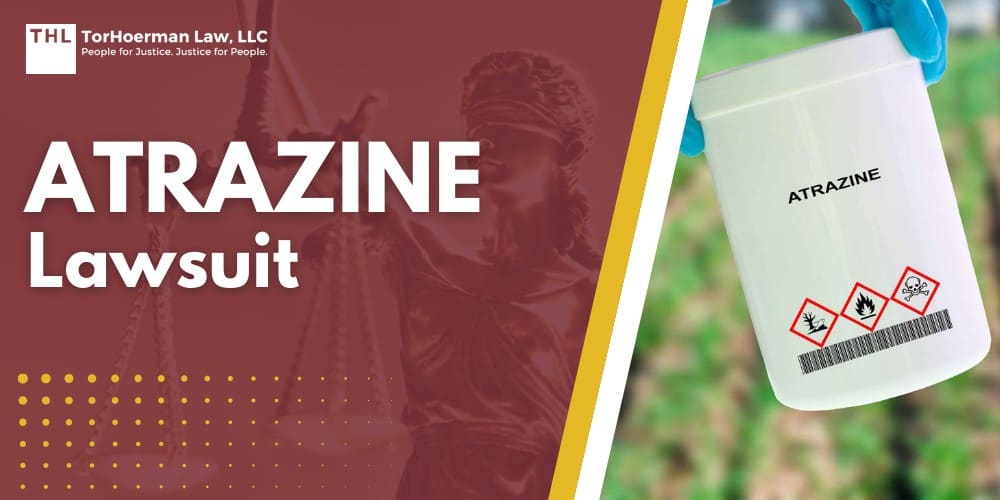
The atrazine lawsuit investigation centers on the growing evidence that chronic exposure to this widely used herbicide may cause cancer, particularly non-Hodgkin’s lymphoma (NHL).
Atrazine use has been widespread in American agriculture for decades, with millions of pounds applied annually across cornfields and other crops.
Despite mounting health concerns, the Environmental Protection Agency (EPA) has continued to permit atrazine’s use, though it acknowledges the chemical’s potential to cause adverse health effects.
Scientific studies have linked atrazine to endocrine disruption, which can interfere with hormone regulation and may contribute to the development of certain cancers.
In addition to cancer concerns, atrazine has also been associated with reproductive effects and developmental issues, especially in communities exposed through drinking water.
However, the current legal focus is specifically on individuals who developed NHL following significant atrazine exposure.
Lawsuits are being evaluated to determine whether Syngenta, the primary manufacturer, failed to adequately warn users about the cancer risks.
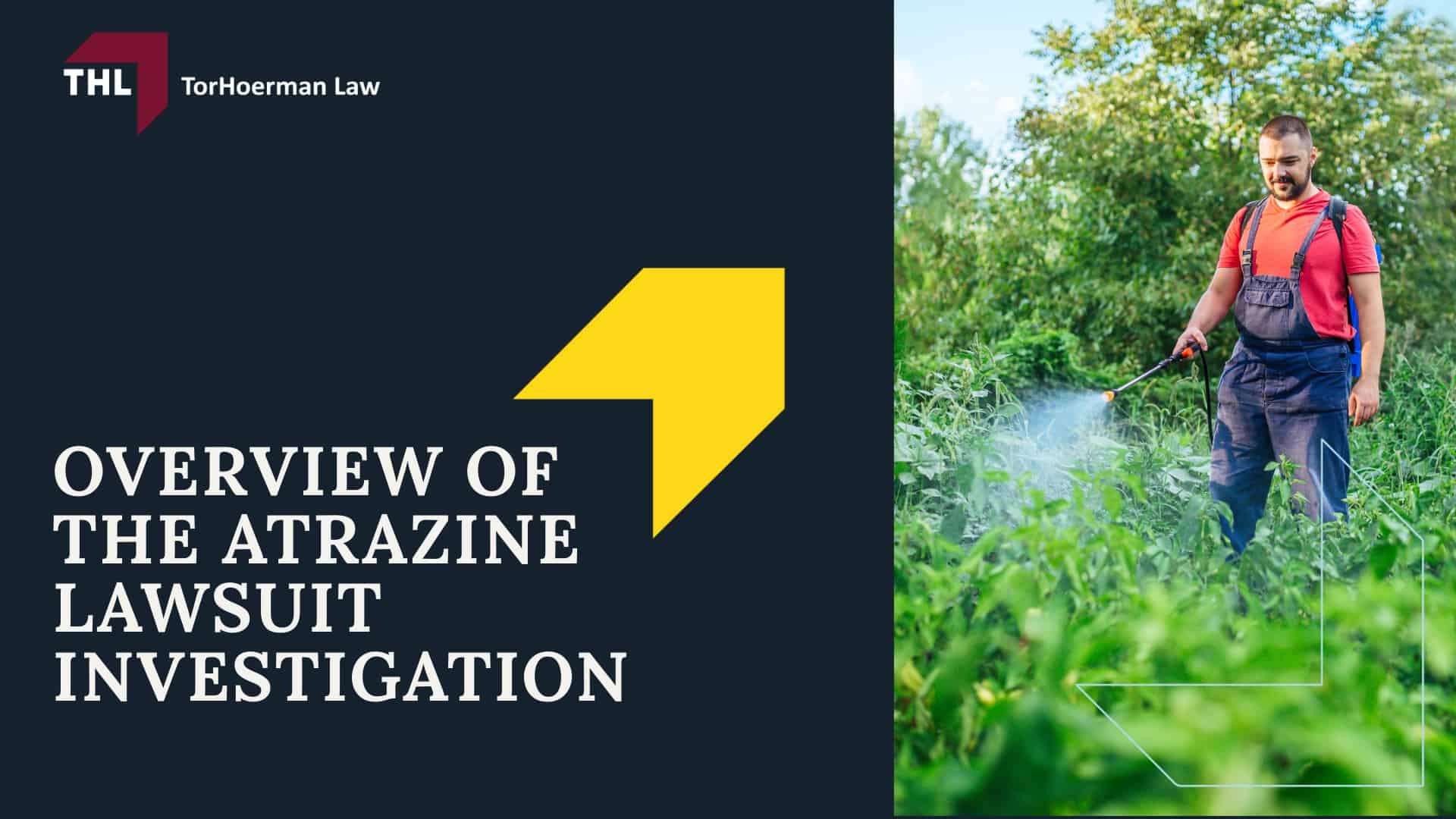
Atrazine remains one of the most frequently detected toxic substances in U.S. groundwater and surface water, increasing the risk of long-term exposure in both occupational and environmental settings.
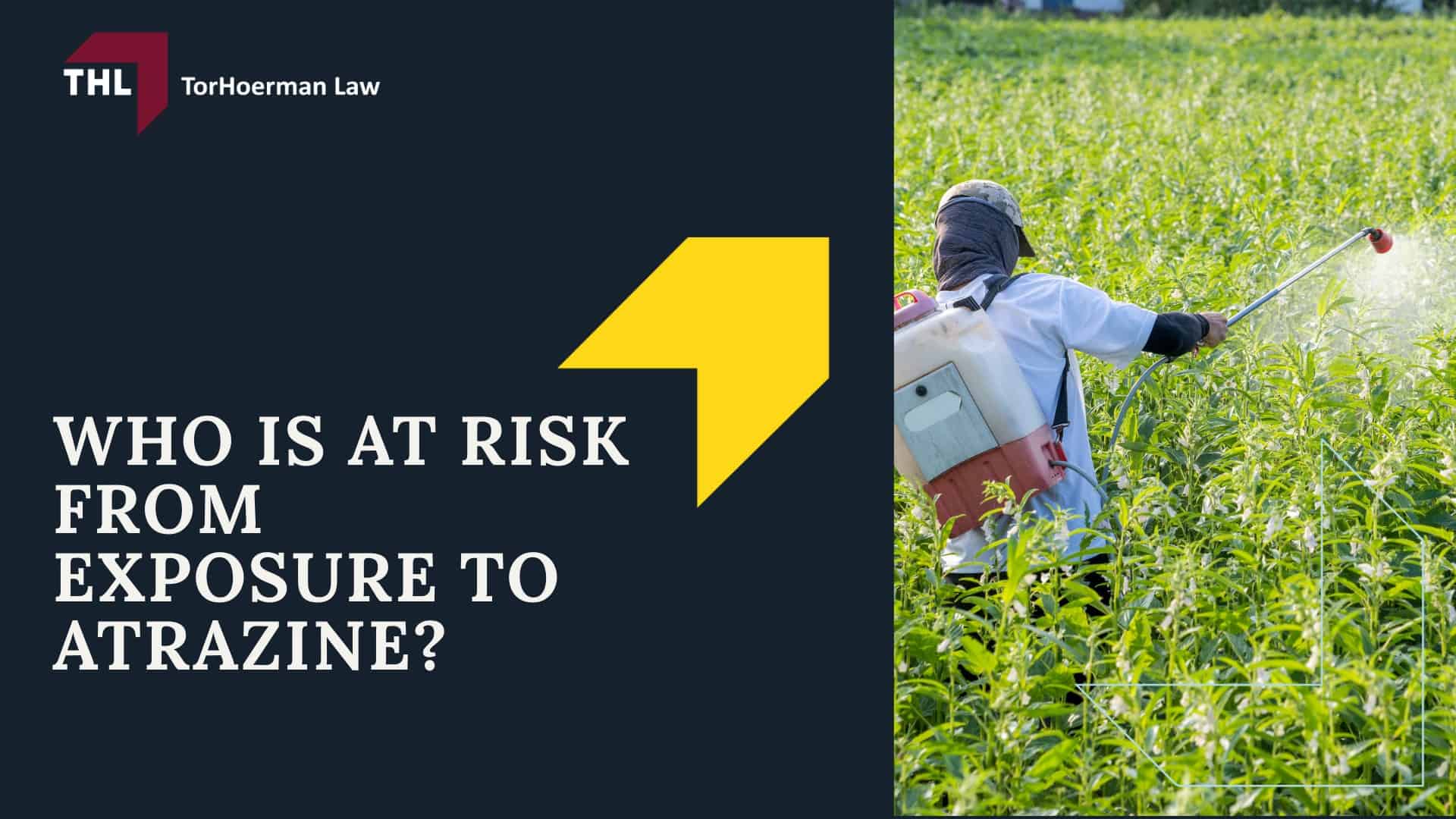
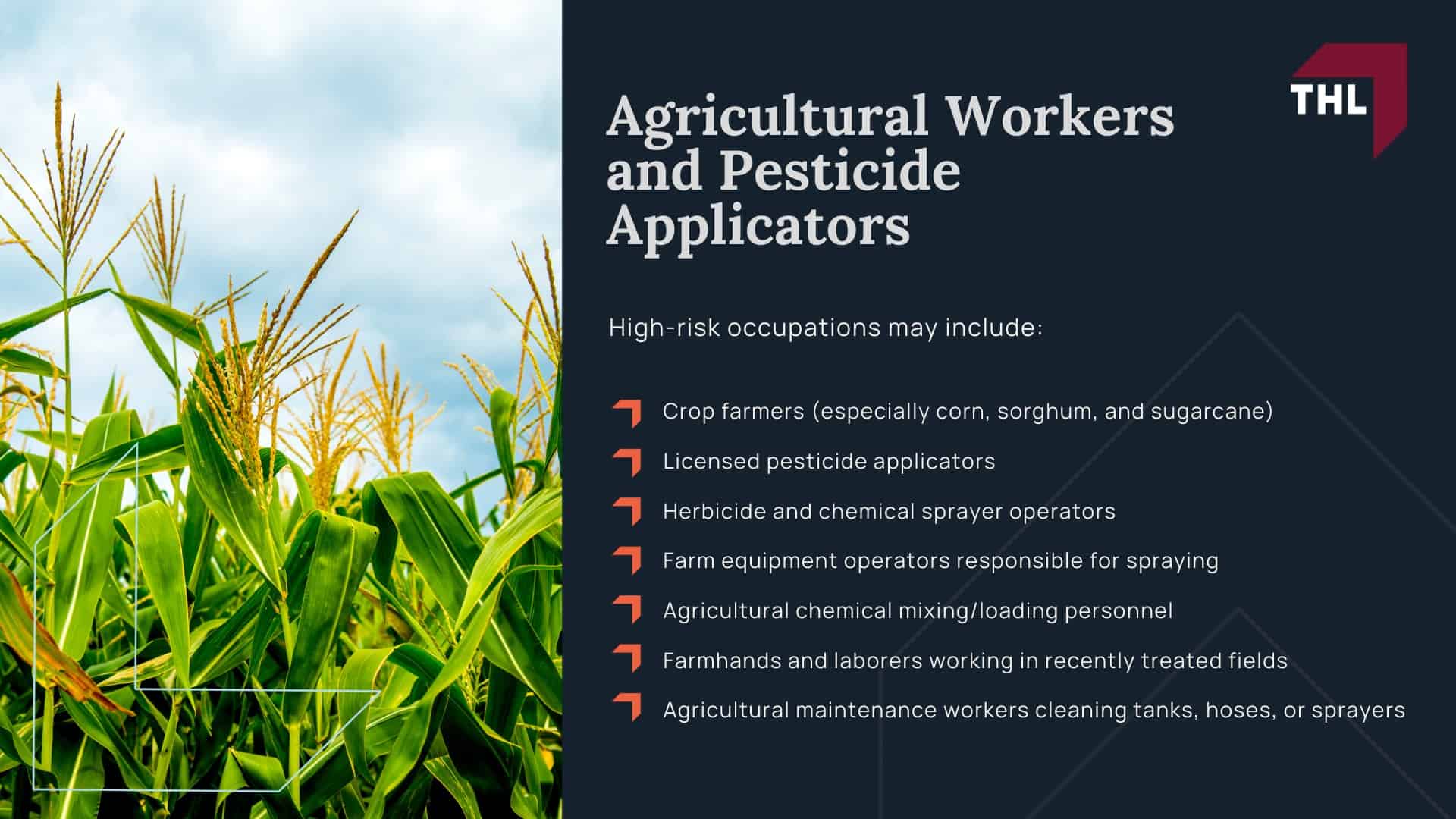
Plaintiffs may include farmers, applicators, and others who had regular contact with the chemical in agricultural or turf management settings.
The investigation aims to hold the manufacturer accountable and to seek compensation for those harmed by atrazine-related cancer diagnoses.
What is Atrazine?
Atrazine is a synthetic herbicide commonly used to control broadleaf and grassy weeds in crops like corn, sorghum, and sugarcane.
Introduced in the late 1950s, it quickly became one of the most widely used agricultural chemicals in the United States. Atrazine works by inhibiting photosynthesis in plants, but its persistence in soil and water has raised environmental and health concerns.
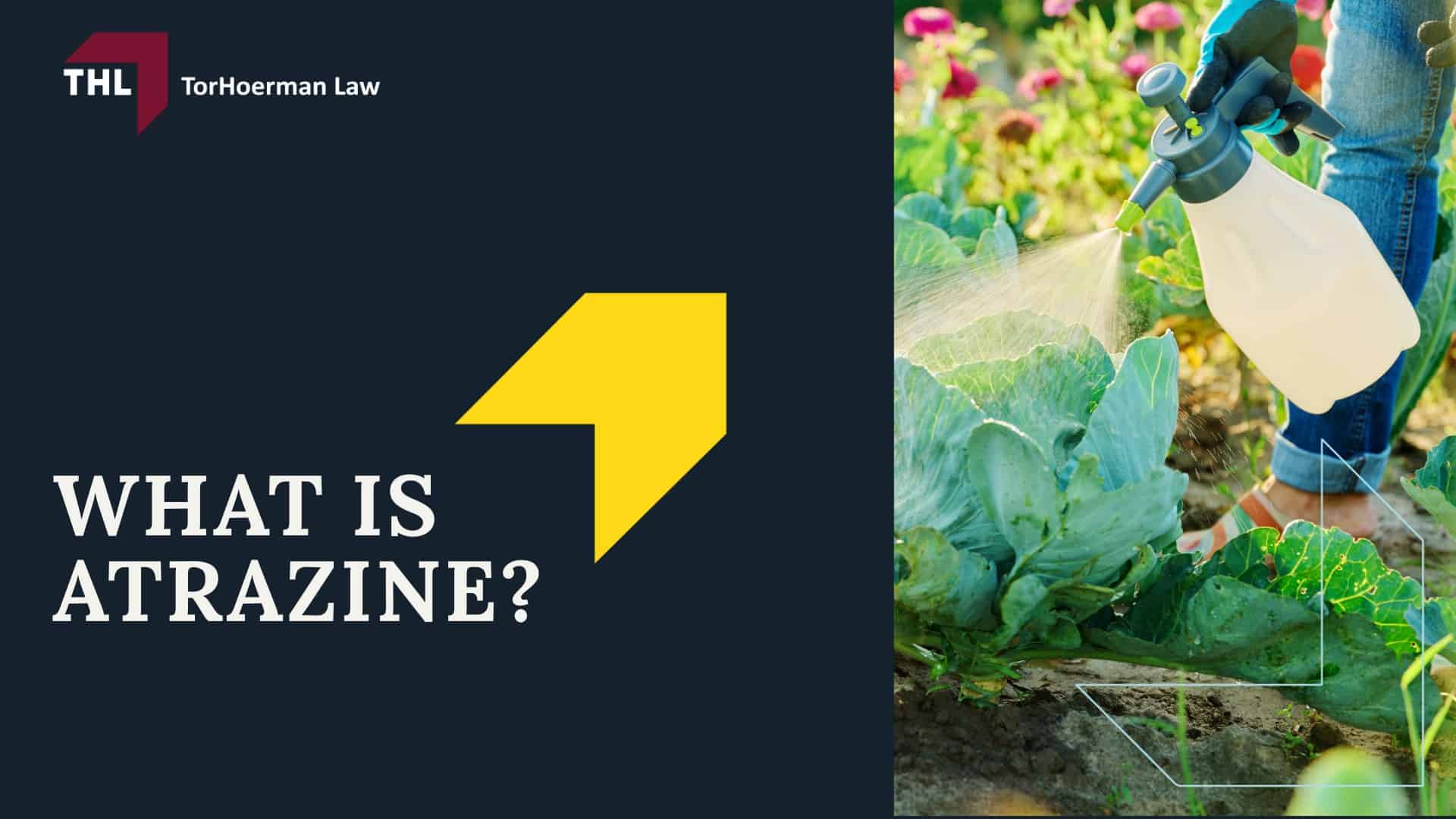
The chemical is known to travel far from application sites, frequently contaminating groundwater, streams, and even drinking water supplies.
Because of its widespread use and potential to harm human health, atrazine has become the subject of growing regulatory scrutiny and legal action.
What Company Produces Atrazine?
Atrazine is primarily produced by Syngenta, a global agrochemical company headquartered in Switzerland.
The herbicide was originally developed by CIBA-Geigy in the 1950s, a predecessor to Syngenta, and has remained one of the company’s flagship products.
Today, Syngenta manufactures atrazine under its own labels and also licenses it for use in a variety of combination herbicide products.
Although banned in dozens of countries, atrazine remains legal and widely used in the United States, particularly in corn production.
Syngenta continues to defend the safety of atrazine despite ongoing concerns about its links to cancer and endocrine disruption.
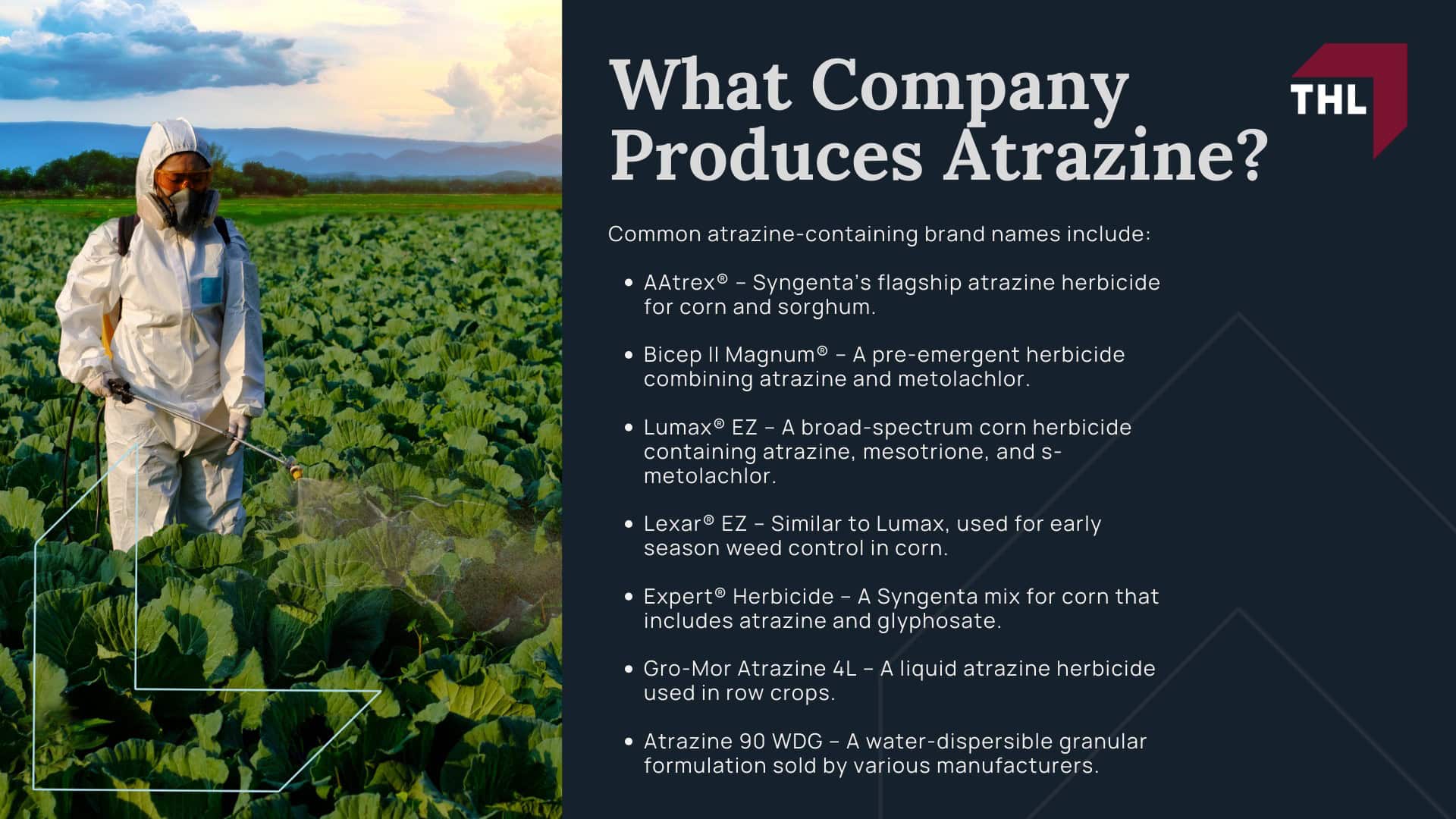
Common atrazine-containing brand names include:
- AAtrex® – Syngenta’s flagship atrazine herbicide for corn and sorghum.
- Bicep II Magnum® – A pre-emergent herbicide combining atrazine and metolachlor.
- Lumax® EZ – A broad-spectrum corn herbicide containing atrazine, mesotrione, and s-metolachlor.
- Lexar® EZ – Similar to Lumax, used for early season weed control in corn.
- Expert® Herbicide – A Syngenta mix for corn that includes atrazine and glyphosate.
- Gro-Mor Atrazine 4L – A liquid atrazine herbicide used in row crops.
- Atrazine 90 WDG – A water-dispersible granular formulation sold by various manufacturers.
These products are used in both agricultural and, to a lesser extent, turf and residential applications.