Chicago
Case Types We Handle
Personal Injuries
Car Accidents
Truck Accidents
Motorcycle Accidents
Bicycle Accidents
Construction Accidents
Nursing Home Abuse
Wrongful Death
Slip and Fall Accidents
Daycare Injury & Abuse
Edwardsville
Case Types We Handle
Personal Injuries
Car Accidents
Truck Accidents
Motorcycle Accidents
Bicycle Accidents
Nursing Home Abuse
Wrongful Death
Slip and Fall Accidents
Daycare Injury & Abuse
Premises Liability
St. Louis
Case Types We Handle
Personal Injuries
Car Accidents
Truck Accidents
Motorcycle Accidents
Bicycle Accidents
Construction Accidents
Nursing Home Abuse
Wrongful Death
Slip and Fall Accidents
Daycare Injury & Abuse
Dangerous Drugs
Defective Products
Chemical Exposure

Ocaliva Lawsuit [2026 Update]

4.9
Google
•
677 reviews

Who Qualifies for the Ocaliva Lawsuit?

The Ocaliva lawsuit investigation centers on reports that Ocaliva (obeticholic acid) was linked to worsening liver function and severe complications in patients treated for primary biliary cholangitis.

After years of escalating safety concerns, clinical trial data and FDA analyses connected the medication to liver failure, transplants, and death in certain patients, including those without advanced liver disease.

These findings ultimately led to the drug’s withdrawal from the US market in 2025.

TorHoerman Law is actively reviewing potential claims linked to the medication.

Ocaliva Lawsuit; Ocaliva Lawsuit - Ocaliva Lawsuit Investigation Overview - torhoerman law; Ocaliva Lawsuit - Why Was Ocaliva Withdrawn from the US Commercial Market - torhoerman law; Ocaliva Lawsuit - Ocaliva Side Effects and Documented Injuries - torhoerman law; Ocaliva Lawsuit - Serious Liver Injuries - torhoerman law; Ocaliva Lawsuit - Common Severe Symptoms Reported Before Diagnosis - torhoerman law; Ocaliva Lawsuit - Other Adverse Effects - torhoerman law; Ocaliva Lawsuit - FDA Safety Communications About Ocaliva - torhoerman law; Ocaliva Lawsuit - Who Qualifies for an Ocaliva Lawsuit - torhoerman law; Ocaliva Lawsuit - Are Ocaliva Lawsuits Being Filed - torhoerman law; Ocaliva Lawsuit - Gathering Evidence for a Tepezza Lawsuit - torhoerman law; Ocaliva Lawsuit - Potential Compensation in Ocaliva Lawsuits - torhoerman law; Ocaliva Lawsuit - TorHoerman Law Investigating the Ocaliva Lawsuit - torhoerman law

Contact Us If You’ve Suffered Injuries Linked to Ocaliva Use

The Ocaliva lawsuit investigation centers on years of evidence showing that the drug, marketed by Intercept Pharmaceuticals, posed significant risks to patients treated for primary biliary cholangitis (PBC).

Although the drug works by targeting bile acid regulation, post-marketing data revealed persistent liver problems, rapid progression toward liver cirrhosis, and in some cases life-threatening complications.

Reports also documented instances of serious allergic reaction, worsening hepatic function, and hospitalizations despite the medication’s intended use.

The FDA issued multiple safety communications over time, ultimately adding a boxed warning after linking Ocaliva to severe injuries in both cirrhotic and non-cirrhotic patients.

As cases continued to emerge, regulators urged patients and healthcare providers to report adverse events, strengthening the evidence base around Ocaliva’s risks.

These findings contributed to the Ocaliva US market withdrawal, ending its availability after the agency determined the benefit–risk profile was no longer acceptable.

TorHoerman Law is actively reviewing potential claims linked to the medication.

Contact us today for a free consultation.

Use the chat feature on this page to find out if you qualify for an Ocaliva lawsuit through a free case evaluation.

Ocaliva Lawsuit Investigation Overview

The Ocaliva lawsuit investigation focuses on how the drug’s safety profile deteriorated over time, even though it was FDA approved in 2016 as a second-line treatment for adults with primary biliary cholangitis (PBC).

Marketed by Intercept Pharmaceuticals, the medication was designed to regulate bile acid production and support proper function of the bile ducts, but emerging clinical data revealed significant gaps between expected therapeutic benefits and real-world outcomes.

Patients and clinicians reported liver-related complications, rapid disease progression, and other serious health conditions, raising concerns that some risks were not clearly communicated when the drug entered the market.

Ocaliva treatment eventually received the agency’s most serious warning (a boxed warning) after evidence linked the drug to liver failure, transplant, and death in both cirrhotic and non-cirrhotic patients.

These issues were compounded by concerns about drug interactions, dosing errors, and questionable benefit compared to safer other treatments for PBC that became available later.
Ocaliva Lawsuit - Ocaliva Lawsuit Investigation Overview - torhoerman law

The ongoing investigation examines whether Intercept Pharmaceuticals failed to provide adequate risk disclosures, failed to update safety information in a timely manner, or continued promoting the drug despite mounting safety signals across multiple years.

As more injured patients come forward, the legal review continues to evaluate the full scope of harm associated with Ocaliva’s use and the company’s responsibility for those outcomes.

Why Was Ocaliva Withdrawn from the US Commercial Market?

The withdrawal of Ocaliva from the U.S. commercial market followed years of escalating safety concerns, regulatory investigations, and new evidence showing that the medication posed serious liver-related risks for patients treated for primary biliary cholangitis (PBC).

Although the drug was originally approved by the US Food and Drug Administration as a second-line therapy for patients who did not respond adequately to ursodeoxycholic acid, the drug information contained in Ocaliva’s labeling evolved significantly as adverse events accumulated.

Healthcare professionals and patients were repeatedly urged to submit adverse event reports as cases of liver decompensation, transplant, and death were identified in both cirrhotic and non-cirrhotic populations.

In late 2024, a required post-marketing study revealed a higher incidence of liver transplant and death among Ocaliva users compared to placebo, signaling that the risks extended even to patients previously considered appropriate candidates.

After reviewing these findings and other factors affecting the drug’s safety profile, the FDA issued a complete response letter denying full approval and subsequently requested that Intercept remove the drug from the market.
Ocaliva Lawsuit - Ocaliva Lawsuit Investigation Overview - torhoerman law; Ocaliva Lawsuit - Why Was Ocaliva Withdrawn from the US Commercial Market - torhoerman law

On September 11, 2025, Intercept Pharmaceuticals announced that it would withdraw Ocaliva through a voluntary withdrawal process in direct response to the agency’s request.

Following this announcement, Intercept created an expanded access program to help existing patients transition off the medication while discussing appropriate treatment options with their providers.

The decision reflected a regulatory conclusion that the risks of Ocaliva outweighed its uncertain clinical benefits, marking the end of its availability in the United States.
Ocaliva Side Effects and Documented Injuries

The medication Ocaliva (obeticholic acid) was once celebrated as a promising therapy for patients with Primary Biliary Cholangitis (PBC) who did not adequately respond to standard treatment.

Yet over time, mounting evidence linked Ocaliva to a spectrum of serious harms, including liver deterioration and organ-failure-type events.

According to the U.S. Food and Drug Administration, post-market data revealed that even patients without existing liver cirrhosis experienced outcomes such as liver transplant or death at rates higher than placebo.

Media reports echoed this pattern: “The agency identified 20 cases of serious liver damage associated with Ocaliva … including eight listings for transplant and six liver-related deaths.”

Healthcare professionals were urged to monitor liver tests frequently and to watch for signals of worsening liver function in patients on the drug.

Ocaliva Lawsuit - Ocaliva Lawsuit Investigation Overview - torhoerman law; Ocaliva Lawsuit - Why Was Ocaliva Withdrawn from the US Commercial Market - torhoerman law; Ocaliva Lawsuit - Ocaliva Side Effects and Documented Injuries - torhoerman law

Complicating matters, the drug’s manufacturer, Intercept Pharmaceuticals, pursued full approval over several years despite the uncertainty of benefit versus risk shown in confirmatory trials.

The fact that these risks emerged despite the drug being initially approved in 2016 underscores the gravity of the safety concerns.

In short, Ocaliva’s side-effect profile shifted from a hopeful second-line option into a subject of serious injury investigations.

Serious Liver Injuries

Serious liver injuries associated with Ocaliva have been widely documented in FDA safety communications, clinical trial data, and post-marketing reports.

Many patients began to develop symptoms that signaled sudden declines in liver function, often without clear warning signs in the early stages of treatment.

In several cases, the progression was rapid enough to constitute a medical emergency, requiring hospitalization, transplant evaluation, or life-support measures.

Reports also describe individuals experiencing unexpected weight loss, fatigue, and general health decline as their liver function worsened.

Some patients noted persistent “discomfort, abdominal pain”, which later correlated with significant hepatic impairment upon clinical evaluation.

These findings highlight the severity of liver-related reactions linked to Ocaliva and reinforce why the medication was ultimately withdrawn from the U.S. market.

Ocaliva Lawsuit - Ocaliva Lawsuit Investigation Overview - torhoerman law; Ocaliva Lawsuit - Why Was Ocaliva Withdrawn from the US Commercial Market - torhoerman law; Ocaliva Lawsuit - Ocaliva Side Effects and Documented Injuries - torhoerman law; Ocaliva Lawsuit - Serious Liver Injuries - torhoerman law

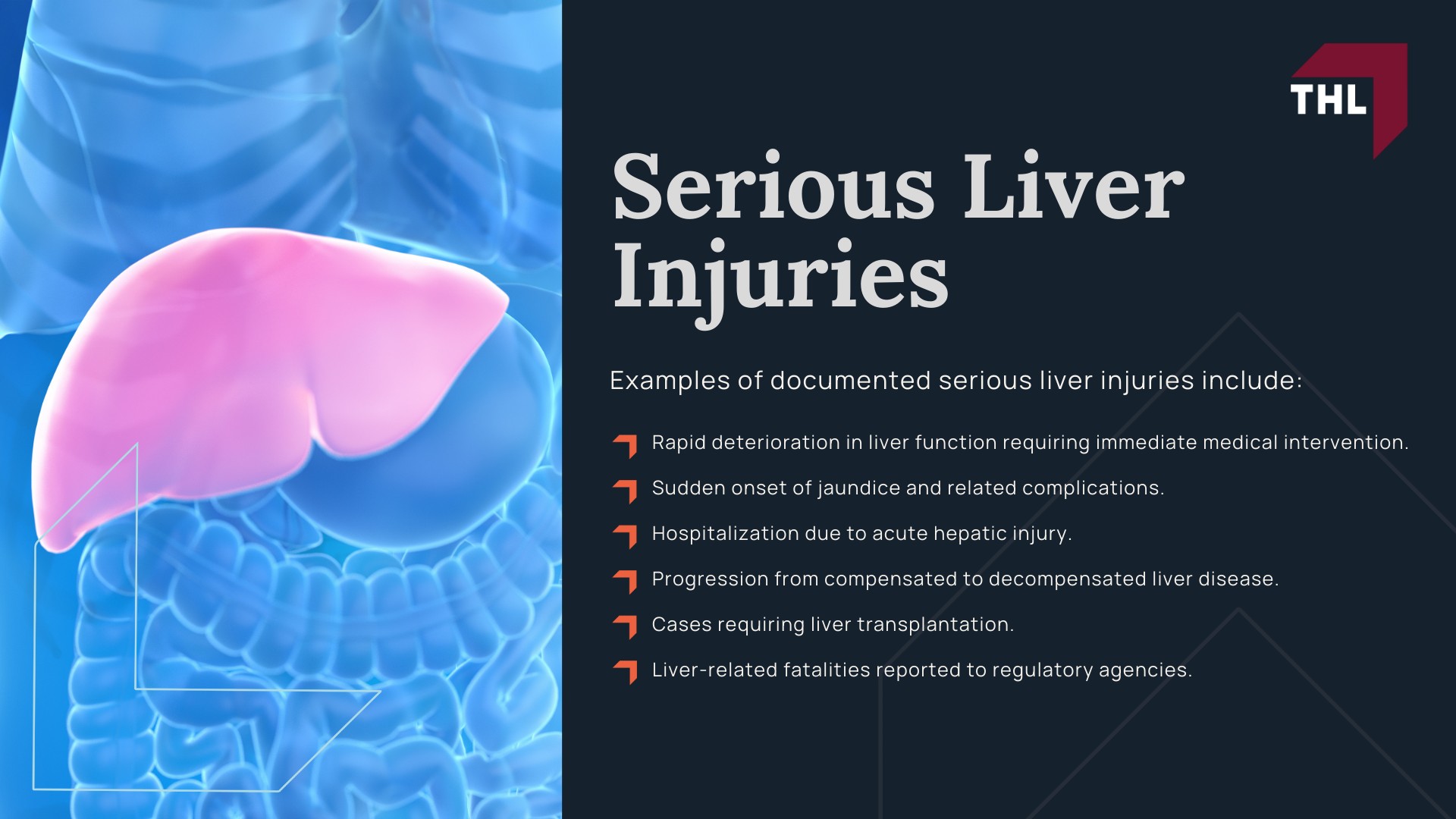
Examples of documented serious liver injuries include:

  • Rapid deterioration in liver function requiring immediate medical intervention.
  • Sudden onset of jaundice and related complications.
  • Hospitalization due to acute hepatic injury.
  • Progression from compensated to decompensated liver disease.
  • Cases requiring liver transplantation.
  • Liver-related fatalities reported to regulatory agencies.

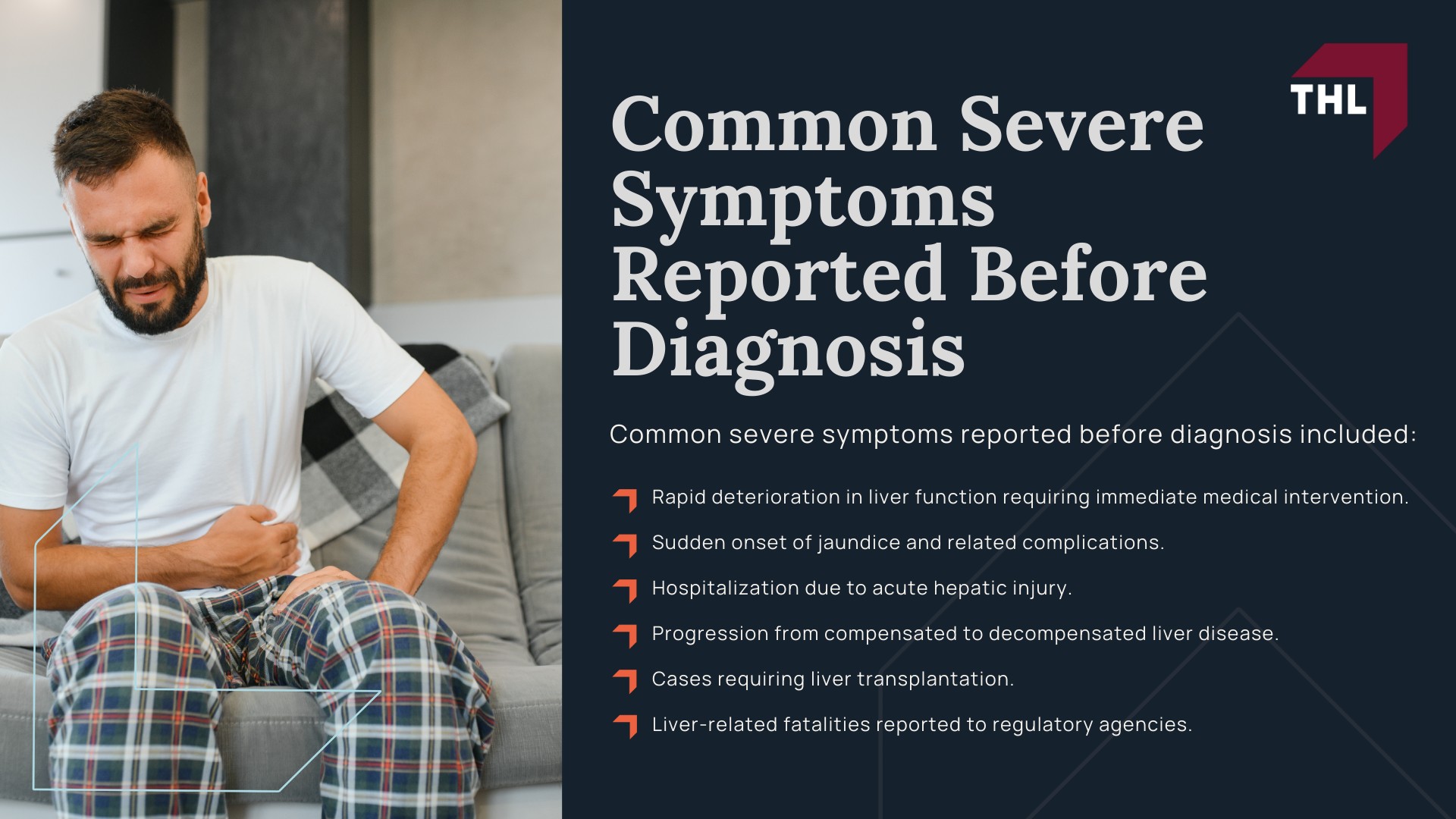
Common Severe Symptoms Reported Before Diagnosis

Many patients who later experienced significant liver complications reported a pattern of severe early symptoms that appeared before any formal diagnosis was made.

These cases raised concerns about whether a broader medication recall should have been considered earlier in the drug’s lifecycle.

Individuals with varying health history profiles noted the following symptoms, often assuming they were a normal part of their condition rather than early indicators of harm.

In reality, these warning signs frequently required immediate medical care, especially as more information emerged about risks associated with certain FDA approved drug products.

Patients were repeatedly encouraged to immediately report unexpected or worsening symptoms to their providers so that appropriate monitoring and intervention could be arranged.

These reports helped inform the medical community and supported improved decision-making within health care settings.

Ocaliva Lawsuit - Ocaliva Lawsuit Investigation Overview - torhoerman law; Ocaliva Lawsuit - Why Was Ocaliva Withdrawn from the US Commercial Market - torhoerman law; Ocaliva Lawsuit - Ocaliva Side Effects and Documented Injuries - torhoerman law; Ocaliva Lawsuit - Serious Liver Injuries - torhoerman law; Ocaliva Lawsuit - Common Severe Symptoms Reported Before Diagnosis - torhoerman law

Common severe symptoms reported before diagnosis included:

  • Extreme fatigue or sudden loss of energy.
  • Unexplained itching or skin irritation.
  • Loss of appetite or rapid decline in overall well-being.
  • Nausea or digestive changes that worsened over time.
  • Sudden changes in weight or overall physical condition.
  • Early signs of jaundice or changes in skin and eye coloration.

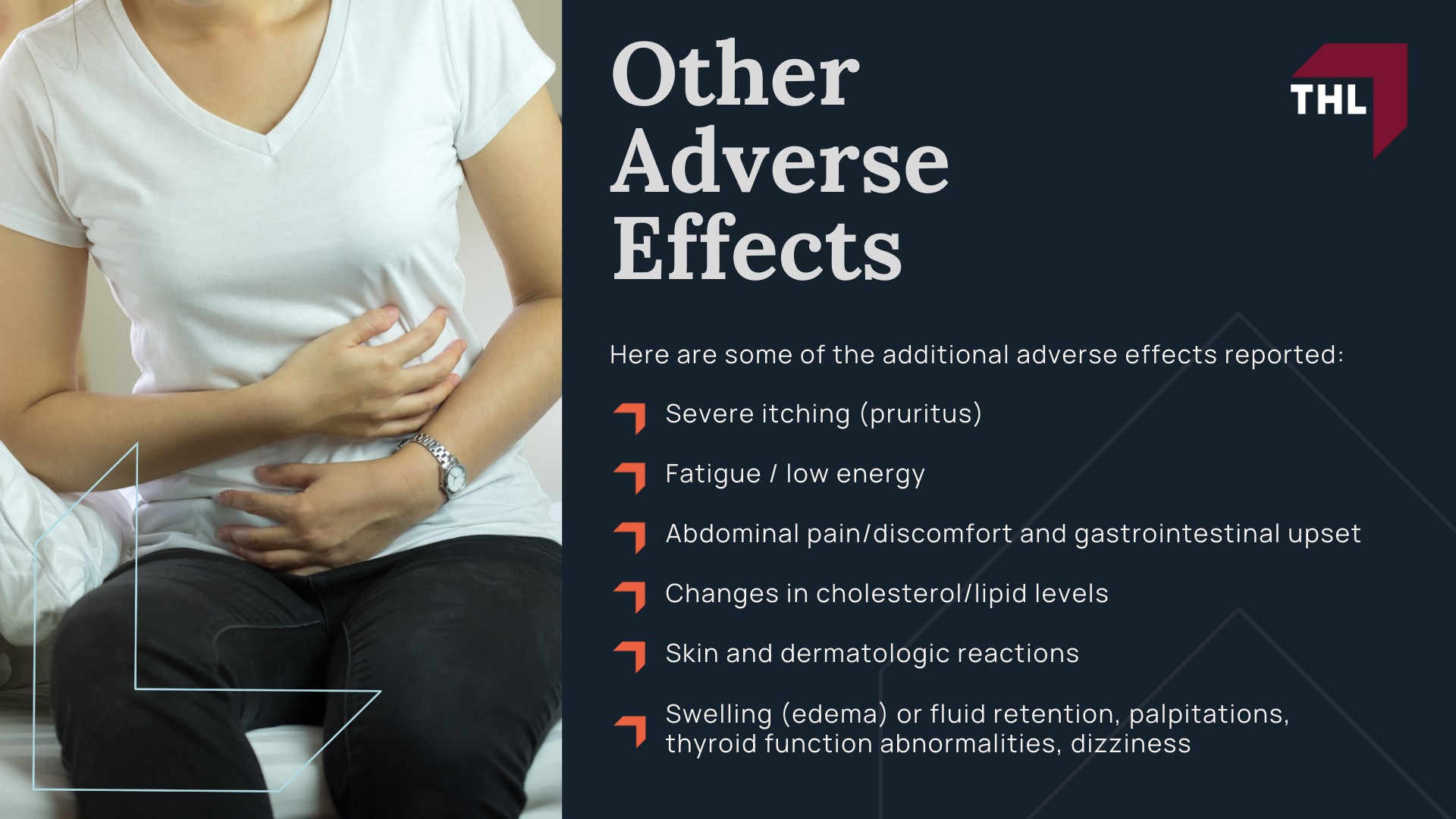
Other Adverse Effects

There are many other adverse effects associated with Ocaliva (obeticholic acid) beyond the serious liver injuries.

These additional side‐effects are important for potential claimants to understand, because they reflect the broader risk profile of the drug and help show that the harm was not limited to only the most severe outcomes.

Ocaliva Lawsuit - Ocaliva Lawsuit Investigation Overview - torhoerman law; Ocaliva Lawsuit - Why Was Ocaliva Withdrawn from the US Commercial Market - torhoerman law; Ocaliva Lawsuit - Ocaliva Side Effects and Documented Injuries - torhoerman law; Ocaliva Lawsuit - Serious Liver Injuries - torhoerman law; Ocaliva Lawsuit - Common Severe Symptoms Reported Before Diagnosis - torhoerman law; Ocaliva Lawsuit - Other Adverse Effects - torhoerman law

Here are some of the additional adverse effects reported:

  • Severe itching (pruritus): One of the most frequently reported effects; studies have found significantly higher incidence on Ocaliva vs placebo.
  • Fatigue / low energy: Many users reported persistent tiredness that impacted daily living.
  • Abdominal pain/discomfort and gastrointestinal upset: Reports include upper or lower abdominal pain, bloating, constipation, and other digestive problems.
  • Changes in cholesterol/lipid levels: Ocaliva has been shown to reduce HDL (“good”) cholesterol significantly in some patients, raising cardiovascular concerns.
  • Skin and dermatologic reactions: Rash, eczema, skin irritation, and other dermal changes have been reported.
  • Swelling (edema) or fluid retention, palpitations, thyroid function abnormalities, dizziness: These systemic effects are less common but still documented.

FDA Safety Communications About Ocaliva

The U.S. Food and Drug Administration (FDA) issued a series of Drug Safety Communications (DSCs) about Ocaliva that progressively documented how risk concerns evolved from dosing errors to serious injuries in both cirrhotic and non-cirrhotic patients.

Ocaliva Lawsuit - Ocaliva Lawsuit Investigation Overview - torhoerman law; Ocaliva Lawsuit - Why Was Ocaliva Withdrawn from the US Commercial Market - torhoerman law; Ocaliva Lawsuit - Ocaliva Side Effects and Documented Injuries - torhoerman law; Ocaliva Lawsuit - Serious Liver Injuries - torhoerman law; Ocaliva Lawsuit - Common Severe Symptoms Reported Before Diagnosis - torhoerman law; Ocaliva Lawsuit - Other Adverse Effects - torhoerman law; Ocaliva Lawsuit - FDA Safety Communications About Ocaliva - torhoerman law

Taken together, these communications form a clear regulatory record that Ocaliva’s safety profile worsened over time and that the manufacturer and prescribers were repeatedly warned about serious liver injury.

September 2017

In September 2017, FDA released its first Drug Safety Communication on Ocaliva, warning that some patients with moderate to severe decreases in liver function were being dosed too frequently, which increased the risk of serious liver injury and death.

The agency noted that Ocaliva was being given daily instead of the recommended reduced dosing schedule in patients with hepatic impairment, and that this mis-dosing correlated with cases of severe liver damage and fatalities.

FDA responded by reminding prescribers of the need to adjust Ocaliva dosing based on liver function and called for close monitoring of patients with existing hepatic impairment.

February 2018: Boxed Warning and Dosing Clarification

On February 1, 2018, FDA issued an updated communication adding a boxed warning (its strongest label warning) to Ocaliva’s prescribing information.

The agency again emphasized that the drug had been “incorrectly dosed daily instead of weekly” in patients with moderate to severe PBC, which “increased the risk of serious liver injury.”

This DSC clarified recommendations for screening, dosing, monitoring, and managing PBC patients with more advanced liver disease, and explicitly tied the boxed warning to the need for reduced dosing in these groups.

It marked the point where Ocaliva officially carried FDA’s “most serious” label-based warning for liver injury risk.

May 2021: Restriction in Patients With Advanced Cirrhosis

In May 2021, FDA issued another Drug Safety Communication stating that it was restricting the use of Ocaliva in PBC patients with advanced cirrhosis.

The agency reported that Ocaliva “can cause serious harm” in these patients, including serious liver injury and liver failure, and added a new contraindication for patients with PBC and advanced cirrhosis (e.g., evidence of portal hypertension, a prior decompensation event).

The updated label and Medication Guide reflected these restrictions and instructed clinicians to avoid Ocaliva in advanced cirrhosis and to discontinue treatment if there were signs of disease progression.

Even with these changes, FDA later noted that some patients with advanced cirrhosis were still receiving the drug despite the contraindication, underscoring the ongoing risk environment.

December 2024: Serious Liver Injury in Patients Without Cirrhosis

On December 12, 2024, FDA issued a new DSC titled “Serious liver injury being observed in patients without cirrhosis taking Ocaliva”.

After reviewing data from the required confirmatory trial (Study 747-302), FDA reported cases of serious liver injury in PBC patients without cirrhosis, including patients who required liver transplant, and found that the risk was notably higher for those taking Ocaliva compared with placebo.

In this communication, FDA highlighted:

  • That earlier restrictions had already addressed advanced cirrhosis, but these new data showed risk extending to non-cirrhotic patients considered appropriate treatment candidates.
  • That the agency had identified multiple serious liver injury cases (including transplant and death) despite prior label changes and boxed warnings.
  • That clinicians should monitor liver tests frequently and discontinue Ocaliva if there was evidence of liver disease progression or lack of efficacy.

FDA also linked this DSC to Ocaliva’s broader regulatory status: the same data contributed to a Complete Response Letter denying full approval, and the agency signaled that, under the accelerated-approval framework, failure to demonstrate a favorable benefit–risk balance could lead to withdrawal of the drug from the market.

Who Qualifies for an Ocaliva Lawsuit?

Individuals may qualify for an Ocaliva lawsuit if their medical history and treatment experience show that they were placed at risk by the drug’s evolving safety profile.

Eligibility often depends on whether a patient received Ocaliva for primary biliary cholangitis under dosing or monitoring conditions that later proved unsafe.

Many claims involve people who experienced rapid declines in liver function or unexpected health complications despite following their prescribed regimen.

Others may qualify if they were never informed of the drug’s boxed warning, updated contraindications, or the FDA’s ongoing safety communications.

Families who lost loved ones after sudden liver-related events may also be eligible to pursue a wrongful-death claim.

Individuals whose providers continued Ocaliva despite evidence of liver progression, or prescribed it despite cirrhosis later deemed contraindicated, may have valid legal claims.

Anyone unsure about their situation is encouraged to speak with an attorney for a detailed review of their records and treatment timeline.

Ocaliva Lawsuit - Ocaliva Lawsuit Investigation Overview - torhoerman law; Ocaliva Lawsuit - Why Was Ocaliva Withdrawn from the US Commercial Market - torhoerman law; Ocaliva Lawsuit - Ocaliva Side Effects and Documented Injuries - torhoerman law; Ocaliva Lawsuit - Serious Liver Injuries - torhoerman law; Ocaliva Lawsuit - Common Severe Symptoms Reported Before Diagnosis - torhoerman law; Ocaliva Lawsuit - Other Adverse Effects - torhoerman law; Ocaliva Lawsuit - FDA Safety Communications About Ocaliva - torhoerman law; Ocaliva Lawsuit - Who Qualifies for an Ocaliva Lawsuit - torhoerman law

You may be eligible if you or a loved one:

  • Took Ocaliva for primary biliary cholangitis; and
  • Experienced one or more of the following after starting the medication:
    • Acute liver failure
    • Hepatic decompensation
    • Liver transplant
    • Serious hospitalization related to liver injury
    • Liver-related death
  • OR were prescribed Ocaliva despite having underlying cirrhosis contraindicated under later label revisions.
  • OR continued treatment even after evidence of liver progression.

Are Ocaliva Lawsuits Being Filed?

Lawyers across the country are actively reviewing potential Ocaliva injury claims, but there are no publicly documented reports yet of injury lawsuits being formally filed in state or federal courts.

Attorneys are evaluating cases involving liver failure, transplant, and death after Ocaliva use, and many firms are advertising that they are accepting clients.

These investigations are based on the FDA’s safety warnings, the drug’s confirmed risk profile, and its eventual withdrawal from the U.S. market.

Ocaliva Lawsuit - Ocaliva Lawsuit Investigation Overview - torhoerman law; Ocaliva Lawsuit - Why Was Ocaliva Withdrawn from the US Commercial Market - torhoerman law; Ocaliva Lawsuit - Ocaliva Side Effects and Documented Injuries - torhoerman law; Ocaliva Lawsuit - Serious Liver Injuries - torhoerman law; Ocaliva Lawsuit - Common Severe Symptoms Reported Before Diagnosis - torhoerman law; Ocaliva Lawsuit - Other Adverse Effects - torhoerman law; Ocaliva Lawsuit - FDA Safety Communications About Ocaliva - torhoerman law; Ocaliva Lawsuit - Who Qualifies for an Ocaliva Lawsuit - torhoerman law; Ocaliva Lawsuit - Are Ocaliva Lawsuits Being Filed - torhoerman law

However, there is not an established multidistrict litigation (MDL) or record of individual civil filings that have entered the court system.

The litigation is currently in the intake and evaluation phase, where attorneys gather medical records and assess eligibility.

Individuals who believe they were harmed by Ocaliva should still speak with an attorney promptly, as early case development is critical even before lawsuits begin appearing on public dockets.

Gathering Evidence for an Ocaliva Lawsuit

Gathering evidence for an Ocaliva lawsuit requires a clear record of how the medication was prescribed, how symptoms progressed, and how injuries were diagnosed and treated.

Attorneys typically review medical documentation to determine whether Ocaliva contributed to liver decline or other serious health complications.

Evidence also helps establish whether a patient was prescribed the drug despite evolving FDA warnings or contraindications.

The stronger and more complete the documentation, the easier it is to build a reliable timeline of events and show how the injury occurred.

Ocaliva Lawsuit - Ocaliva Lawsuit Investigation Overview - torhoerman law; Ocaliva Lawsuit - Why Was Ocaliva Withdrawn from the US Commercial Market - torhoerman law; Ocaliva Lawsuit - Ocaliva Side Effects and Documented Injuries - torhoerman law; Ocaliva Lawsuit - Serious Liver Injuries - torhoerman law; Ocaliva Lawsuit - Common Severe Symptoms Reported Before Diagnosis - torhoerman law; Ocaliva Lawsuit - Other Adverse Effects - torhoerman law; Ocaliva Lawsuit - FDA Safety Communications About Ocaliva - torhoerman law; Ocaliva Lawsuit - Who Qualifies for an Ocaliva Lawsuit - torhoerman law; Ocaliva Lawsuit - Are Ocaliva Lawsuits Being Filed - torhoerman law; Ocaliva Lawsuit - Gathering Evidence for a Tepezza Lawsuit - torhoerman law

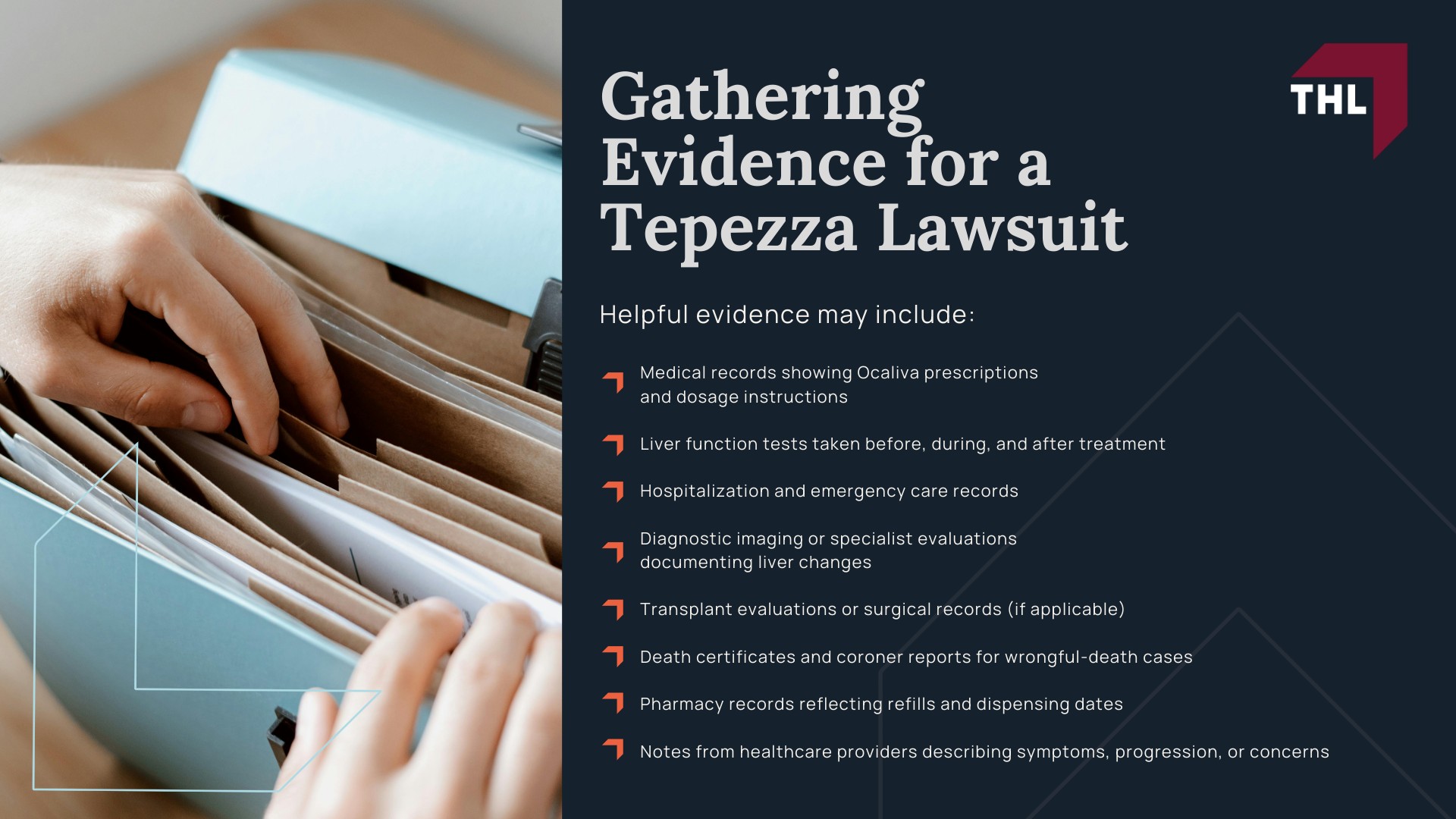
Helpful evidence may include:

  • Medical records showing Ocaliva prescriptions and dosage instructions
  • Liver function tests taken before, during, and after treatment
  • Hospitalization and emergency care records
  • Diagnostic imaging or specialist evaluations documenting liver changes
  • Transplant evaluations or surgical records (if applicable)
  • Death certificates and coroner reports for wrongful-death cases
  • Pharmacy records reflecting refills and dispensing dates
  • Notes from healthcare providers describing symptoms, progression, or concerns

Potential Compensation in Ocaliva Lawsuits

Damages represent the financial and personal losses a person suffers after being harmed by a dangerous or defective drug, and they form the basis of the compensation sought in an Ocaliva lawsuit.

Lawyers evaluate these losses by reviewing medical records, treatment costs, long-term health effects, and the broader impact the injury has had on a person’s life.

This assessment helps establish both the economic and non-economic harm caused by the medication.

Attorneys also work with medical experts, financial professionals, and life-care planners to calculate the full extent of damages.

Their goal is to present a clear, evidence-supported claim that advocates for the maximum compensation available under the law.

Ocaliva Lawsuit - Ocaliva Lawsuit Investigation Overview - torhoerman law; Ocaliva Lawsuit - Why Was Ocaliva Withdrawn from the US Commercial Market - torhoerman law; Ocaliva Lawsuit - Ocaliva Side Effects and Documented Injuries - torhoerman law; Ocaliva Lawsuit - Serious Liver Injuries - torhoerman law; Ocaliva Lawsuit - Common Severe Symptoms Reported Before Diagnosis - torhoerman law; Ocaliva Lawsuit - Other Adverse Effects - torhoerman law; Ocaliva Lawsuit - FDA Safety Communications About Ocaliva - torhoerman law; Ocaliva Lawsuit - Who Qualifies for an Ocaliva Lawsuit - torhoerman law; Ocaliva Lawsuit - Are Ocaliva Lawsuits Being Filed - torhoerman law; Ocaliva Lawsuit - Gathering Evidence for a Tepezza Lawsuit - torhoerman law; Ocaliva Lawsuit - Potential Compensation in Ocaliva Lawsuits - torhoerman law

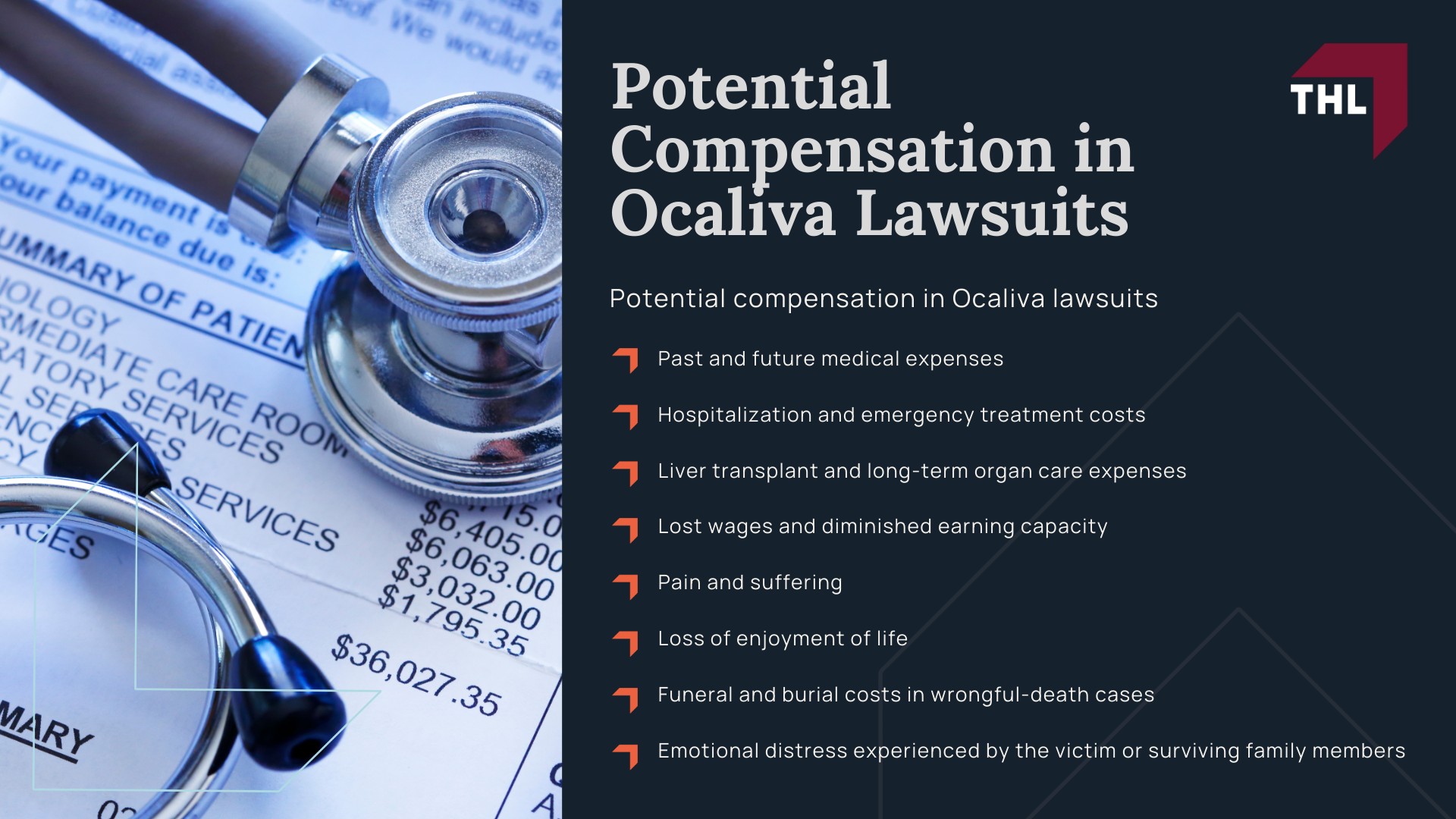
Potential compensation in Ocaliva lawsuits:

  • Past and future medical expenses
  • Hospitalization and emergency treatment costs
  • Liver transplant and long-term organ care expenses
  • Lost wages and diminished earning capacity
  • Pain and suffering
  • Loss of enjoyment of life
  • Funeral and burial costs in wrongful-death cases
  • Emotional distress experienced by the victim or surviving family members

TorHoerman Law: Investigating the Ocaliva Lawsuit

Ocaliva’s withdrawal from the U.S. market marks a turning point for patients and families seeking answers about unexpected liver injuries, transplants, or deaths linked to the medication.

The growing body of evidence (from FDA safety communications to post-marketing trial data) shows that many individuals were exposed to risks they could not have anticipated.

TorHoerman Law is actively investigating these cases and evaluating whether negligent design, inadequate warnings, or delayed safety updates contributed to preventable harm.

Our team is committed to helping injured patients understand their legal rights and determine whether they may be eligible for compensation.

Ocaliva Lawsuit - Ocaliva Lawsuit Investigation Overview - torhoerman law; Ocaliva Lawsuit - Why Was Ocaliva Withdrawn from the US Commercial Market - torhoerman law; Ocaliva Lawsuit - Ocaliva Side Effects and Documented Injuries - torhoerman law; Ocaliva Lawsuit - Serious Liver Injuries - torhoerman law; Ocaliva Lawsuit - Common Severe Symptoms Reported Before Diagnosis - torhoerman law; Ocaliva Lawsuit - Other Adverse Effects - torhoerman law; Ocaliva Lawsuit - FDA Safety Communications About Ocaliva - torhoerman law; Ocaliva Lawsuit - Who Qualifies for an Ocaliva Lawsuit - torhoerman law; Ocaliva Lawsuit - Are Ocaliva Lawsuits Being Filed - torhoerman law; Ocaliva Lawsuit - Gathering Evidence for a Tepezza Lawsuit - torhoerman law; Ocaliva Lawsuit - Potential Compensation in Ocaliva Lawsuits - torhoerman law; Ocaliva Lawsuit - TorHoerman Law Investigating the Ocaliva Lawsuit - torhoerman law

If you or a loved one experienced severe health complications after taking Ocaliva, you are not alone.

Contact TorHoerman Law today for a free, confidential case evaluation and speak with a legal team experienced in defective drug litigation.

Frequently Asked Questions

Published by:
Share
Picture of Tor Hoerman
Tor Hoerman

Tor Hoerman has represented injured individuals for more than 30 years, with experience spanning individual personal injury cases and nationwide mass tort litigation. His work includes car accidents, catastrophic injuries, product liability claims, and other serious injury cases. Tor has served in court-appointed leadership roles in national litigation and tried cases involving major corporate defendants.

TorHoerman Law’s legal content is researched and written by our editorial team and attorneys for legal accuracy, clarity, and relevance. We rely on statutes, court records, government publications, medical research, and other authoritative sources when applicable. This page provides general legal information and does not constitute legal advice.

TorHoerman Law reviews its legal content for factual accuracy, current information, and relevant legal context before publication and as material developments occur. This article is provided for general informational purposes and does not constitute legal advice. For guidance about a specific case, contact TorHoerman Law.

Additional Ocaliva Lawsuit resources on our website:
All
FAQs
Injuries & Conditions
Legal Help
Other Resources
Settlements & Compensation
News

You can learn more about this topic by visiting any of our Ocaliva Lawsuit pages listed below:

Ocaliva Lawsuit Settlement Amounts
Accepting Clients
Ocaliva Lawsuit Facts
Defendants
  • Intercept Pharmaceuticals, Inc.
Injuries named in lawsuit
  • Acute liver failure
  • Hepatic decompensation
  • Worsening liver disease
  • Liver transplant
  • Serious hospitalization
  • Liver-related death
You may qualify to file a claim if...
  • You or a loved one took Ocaliva (obeticholic acid) to treat primary biliary cholangitis (PBC).
  • You developed acute liver failure, hepatic decompensation, worsening liver disease, or another serious liver injury after taking Ocaliva.
  • Your condition resulted in hospitalization, a liver transplant, significant ongoing treatment, or death.
Have you or a loved one been injured?

A serious injury can change your life.

Speak with an experienced personal injury lawyer about your rights, your case, and the legal options available to you.
Google
•
677 reviews
4.9
★★★★★
Recovered damages
$4 Billion+

Table of Contents

Guides & Resources
About TorHoerman Law

TorHoerman Law represents people whose lives have been disrupted by serious injuries, unsafe products, and negligence. Our attorneys handle individual personal injury cases as well as national mass tort lawsuits involving major corporations.

Founded in 2009, our legal team brings more than 100 years of combined experience handling serious injury and complex civil litigation.

Do you believe you’re entitled to compensation?

Use our Instant Case Evaluator to find out in as little as 60 seconds!

$495 Million
Baby Formula NEC Lawsuit

In this case, we obtained a verdict of $495 Million for our client’s child who was diagnosed with Necrotizing Enterocolitis after consuming baby formula manufactured by Abbott Laboratories.

$20 Million
Toxic Tort Injury

In this case, we were able to successfully recover $20 Million for our client after they suffered a Toxic Tort Injury due to chemical exposure.

$103.8 Million
COX-2 Inhibitors Injury

In this case, we were able to successfully recover $103.8 Million for our client after they suffered a COX-2 Inhibitors Injury.

$4 Million
Traumatic Brain Injury

In this case, we were able to successfully recover $4 Million for our client after they suffered a Traumatic Brain Injury while at daycare.

$2.8 Million
Defective Heart Device

In this case, we were able to successfully recover $2.8 Million for our client after they suffered an injury due to a Defective Heart Device.

Other Ocaliva Lawsuit Resources

All
FAQs
Injuries & Conditions
Legal Help
Other Resources
Settlements & Compensation
News