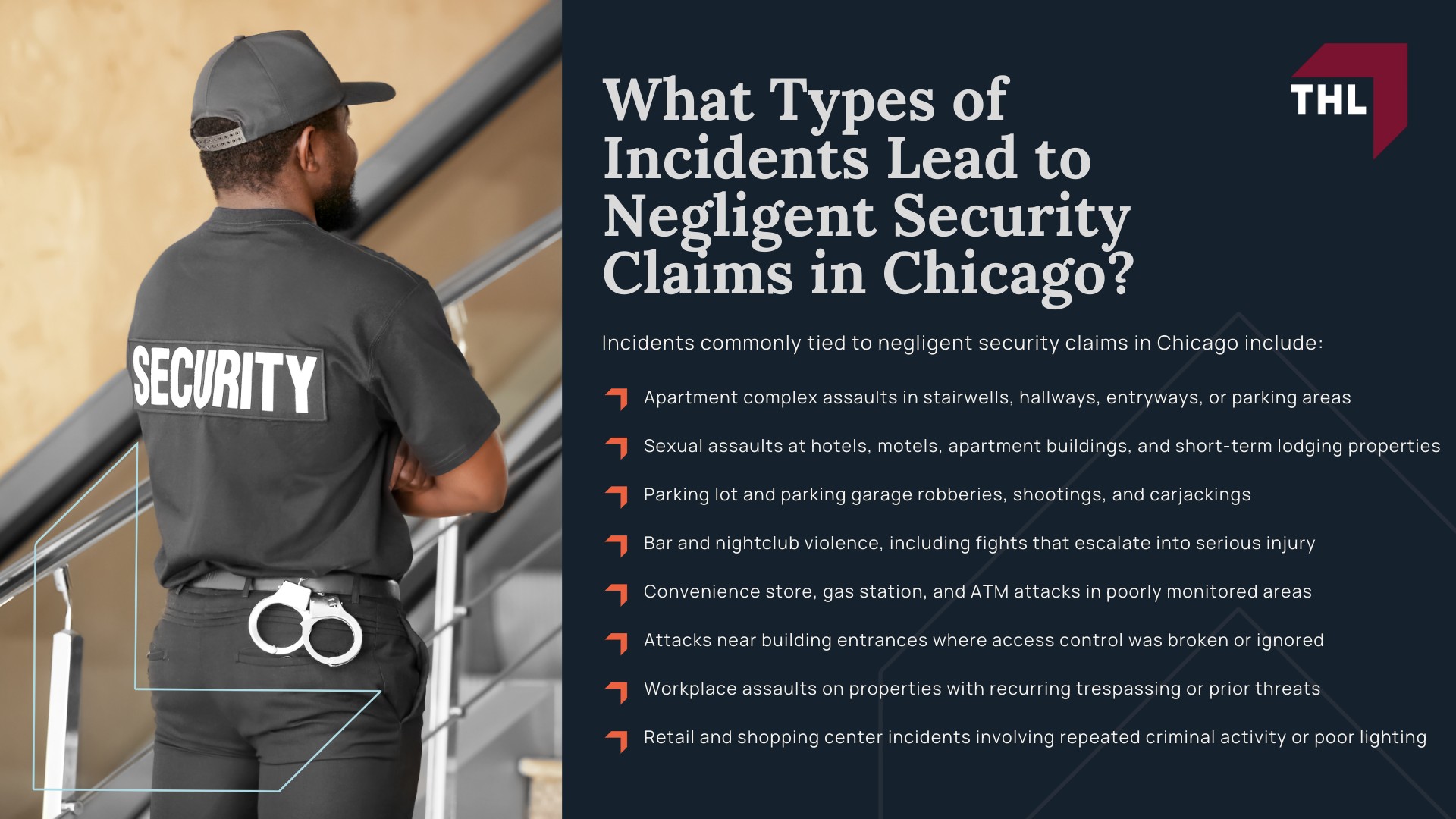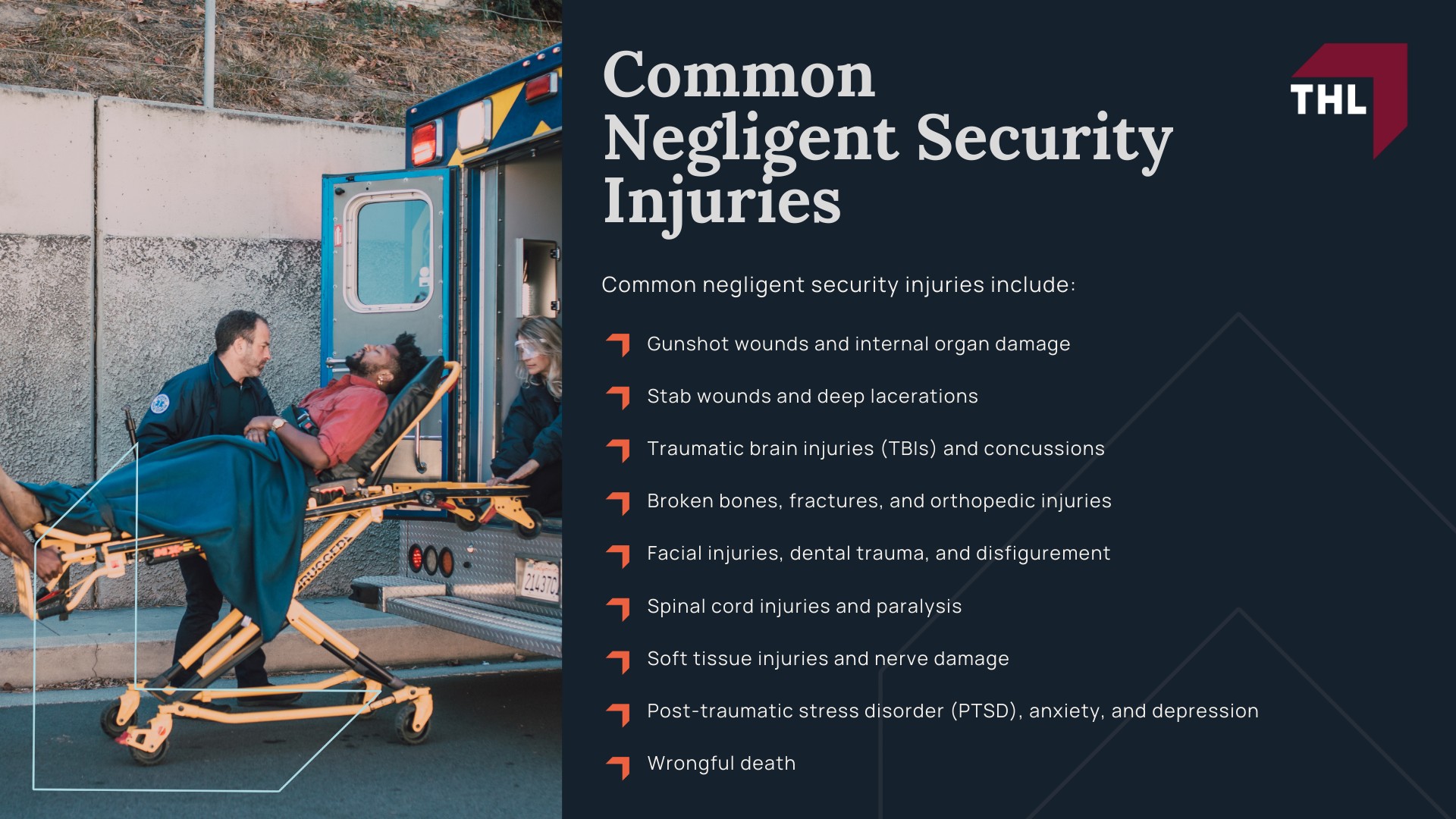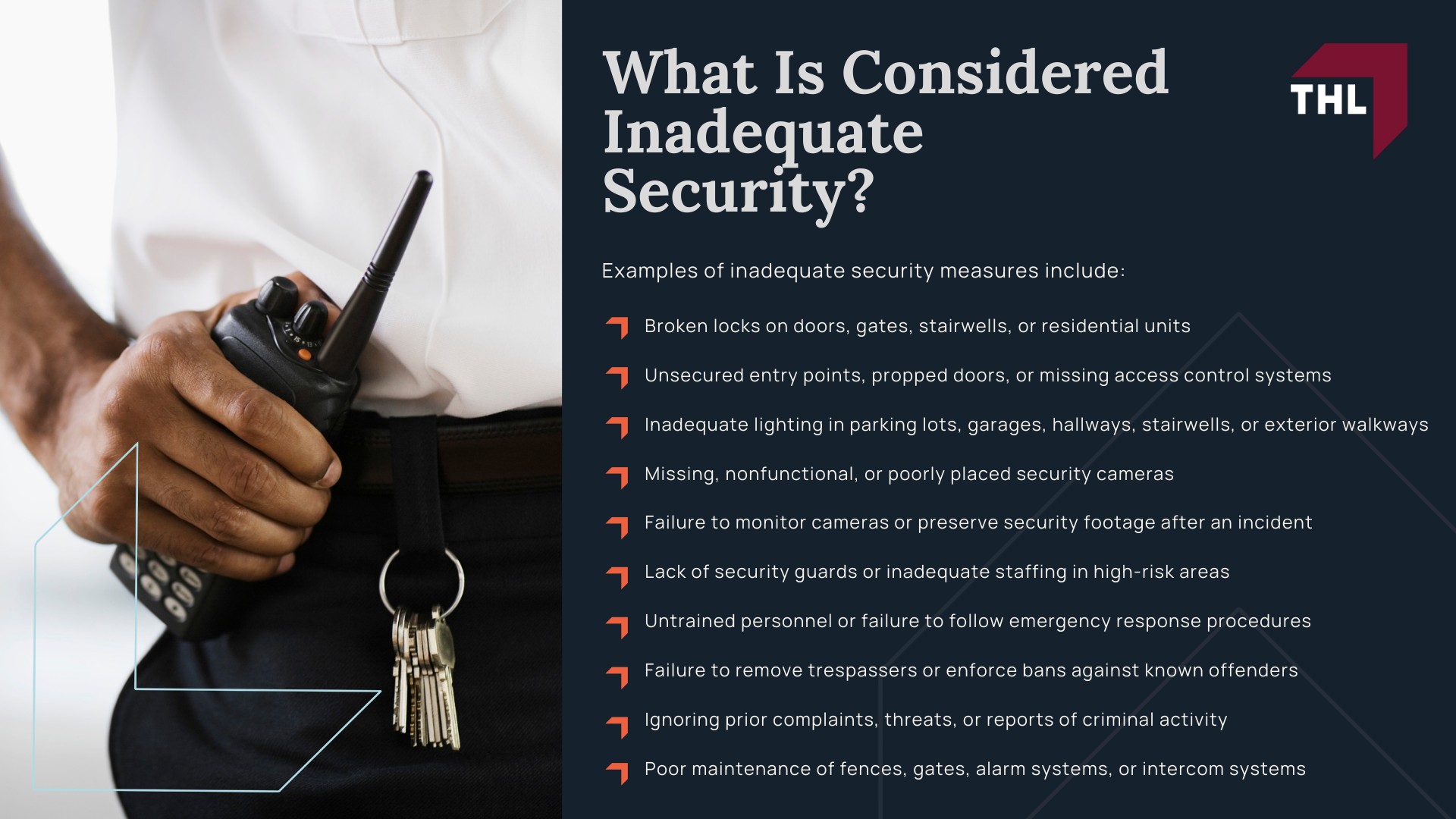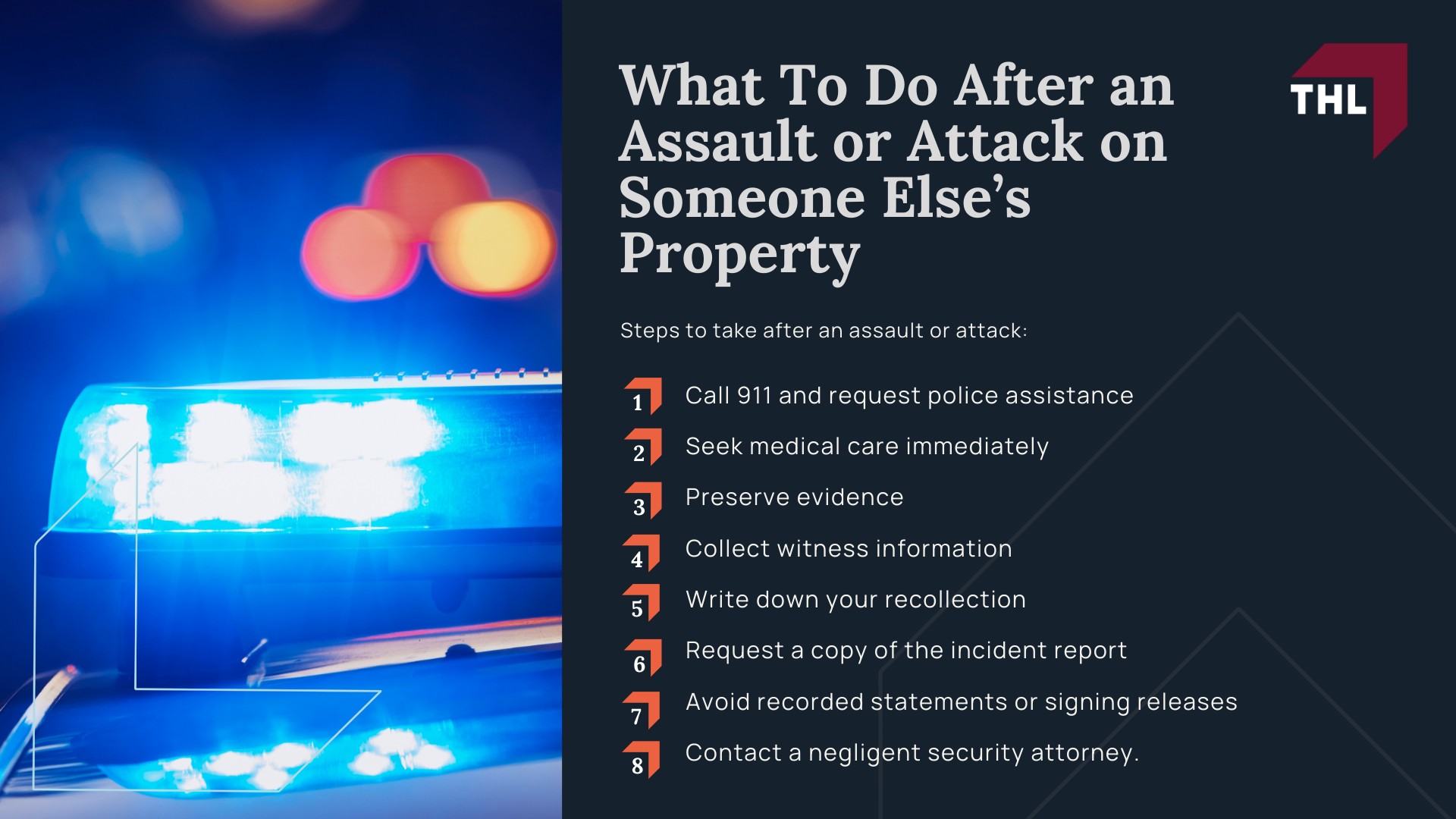
Negligent security is a type of premises liability claim that applies when someone is harmed by violence or other criminal activity on property where the danger was predictable and the owner did not take reasonable steps to reduce the risk.
In everyday terms, negligent security litigation focuses on whether a business owner or other responsible party failed to provide reasonable security measures in a setting where an attack was foreseeable based on prior incidents, repeated complaints, or known safety issues.
These cases can involve both commercial property (hotels, parking garages, bars, shopping centers, gas stations) and private property (apartment buildings, residential complexes, gated communities), especially when the property invites people onto the premises and profits from their presence.
The central question is not whether the owner could stop every crime, but whether the harm occurred due to negligent security, meaning the property’s safety plan, staffing, or physical safeguards did not match the level of risk.
In Illinois, property owners generally owe lawful visitors a duty to act with reasonable care under the circumstances, which can include taking steps to protect people from foreseeable violence when warning signs exist.
When security risks become predictable (such as repeated assaults in a parking garage, ongoing trespassing at an apartment complex, or violent incidents outside a bar), owners may be expected to adjust their approach, which can include better lighting, controlled access, working surveillance, and trained staff.
When a property owner’s failure leaves gaps that allow an attacker to target someone more easily, those failures may become the basis for a negligent security claim.
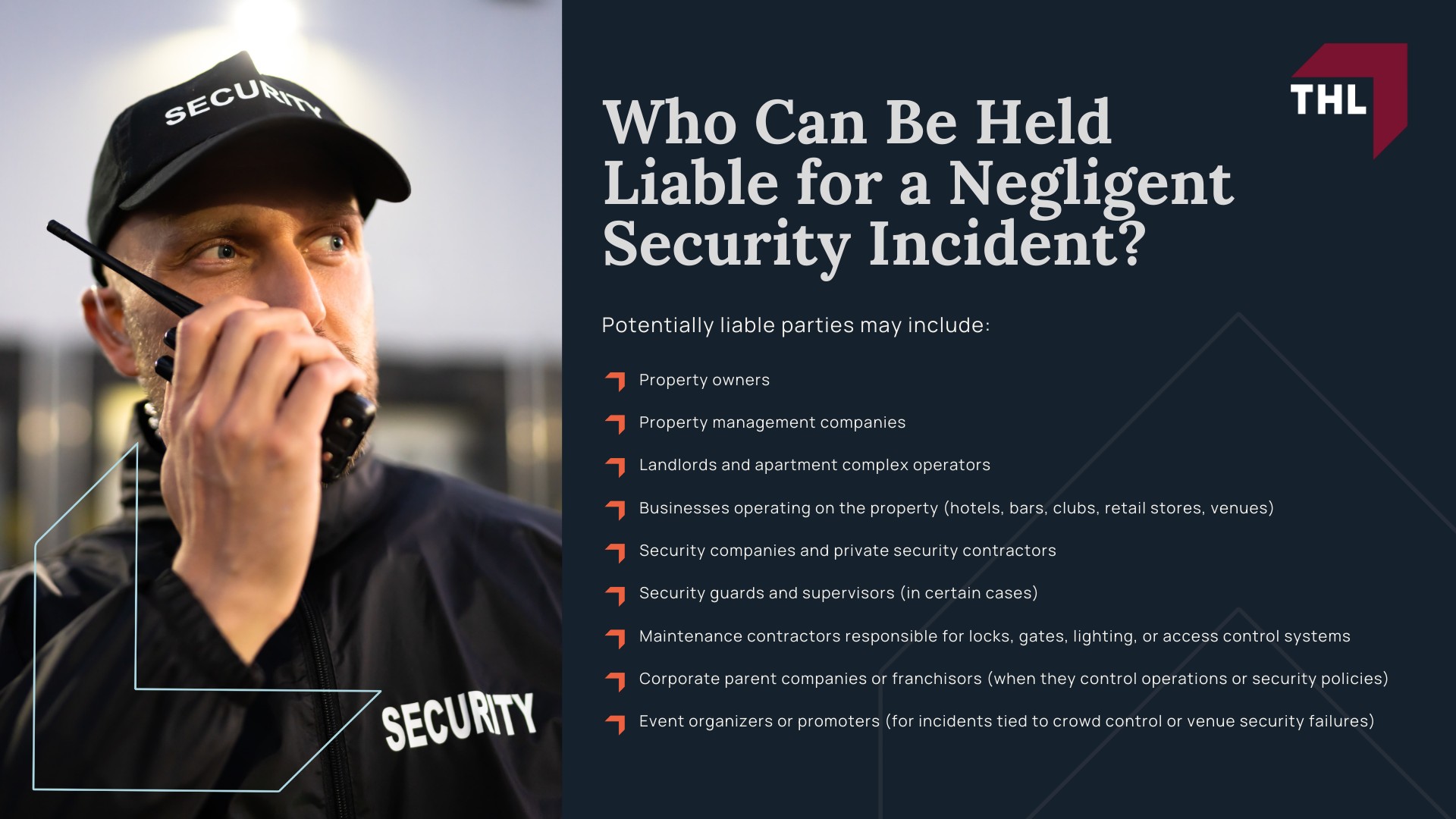
Many cases also involve third-party vendors, including security personnel and security companies, because security is often outsourced or managed through contractors rather than handled directly by the property owner.
Negligent security cases often come down to whether the property’s safety decisions were reasonable for the circumstances.
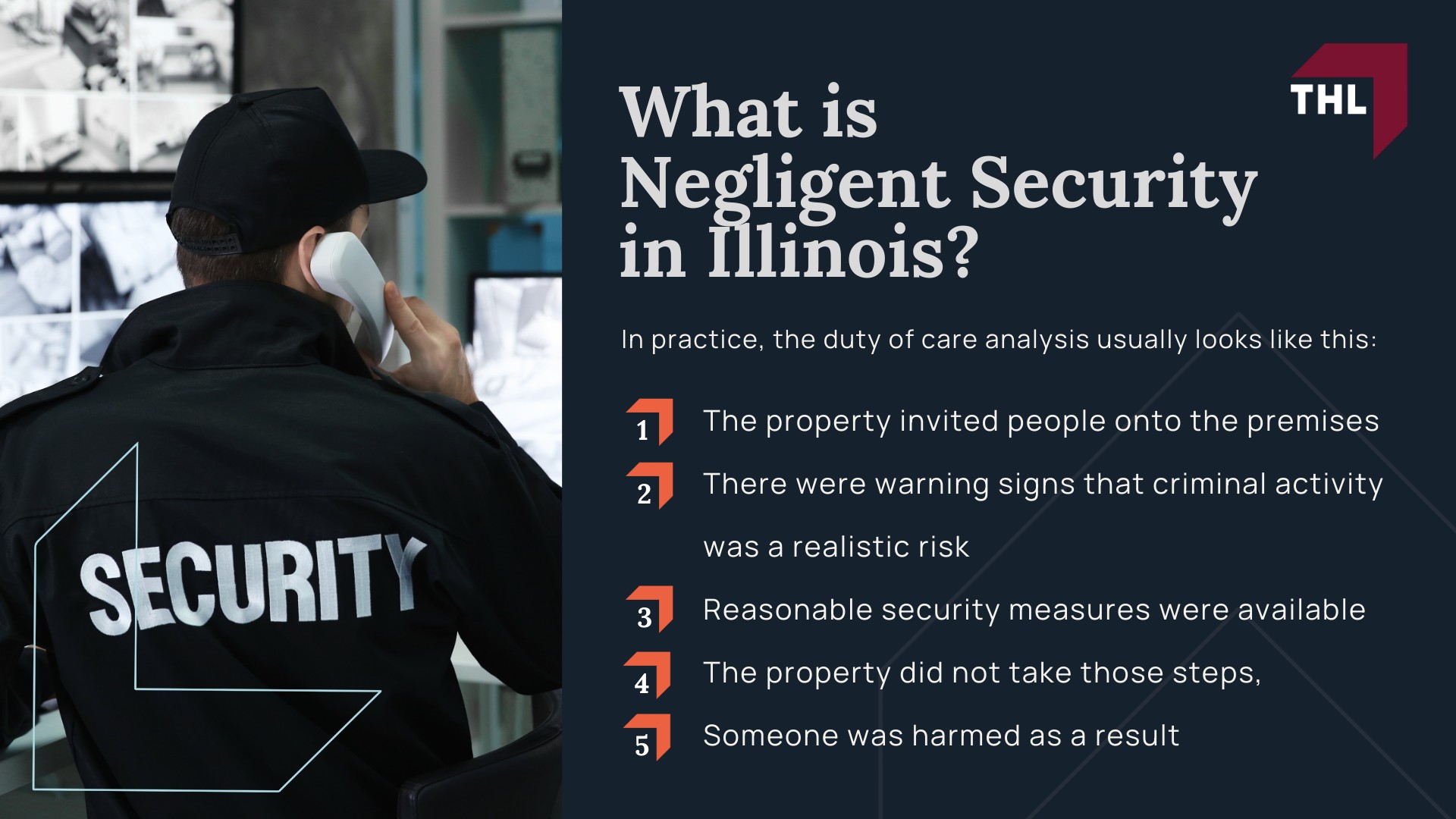
In practice, the duty of care analysis usually looks like this:
- The property invited people onto the premises (or otherwise allowed lawful access), creating an obligation to take reasonable steps to keep the property safe.
- There were warning signs that criminal activity was a realistic risk, such as prior incidents, repeated complaints, police calls, or known access issues.
- Reasonable security measures were available, meaning the risk could have been reduced through practical steps like functioning locks, access control, lighting, surveillance coverage, or staffing.
- The property did not take those steps, or failed to maintain them, creating a gap in protection that made an attack more likely or more severe.
- Someone was harmed as a result, and the evidence supports that the attack was connected to those security failures rather than being an unavoidable event.
Negligent security cases also follow a clear practical pattern: the stronger the evidence of foreseeable risk, the stronger the argument that additional security would have made a difference.
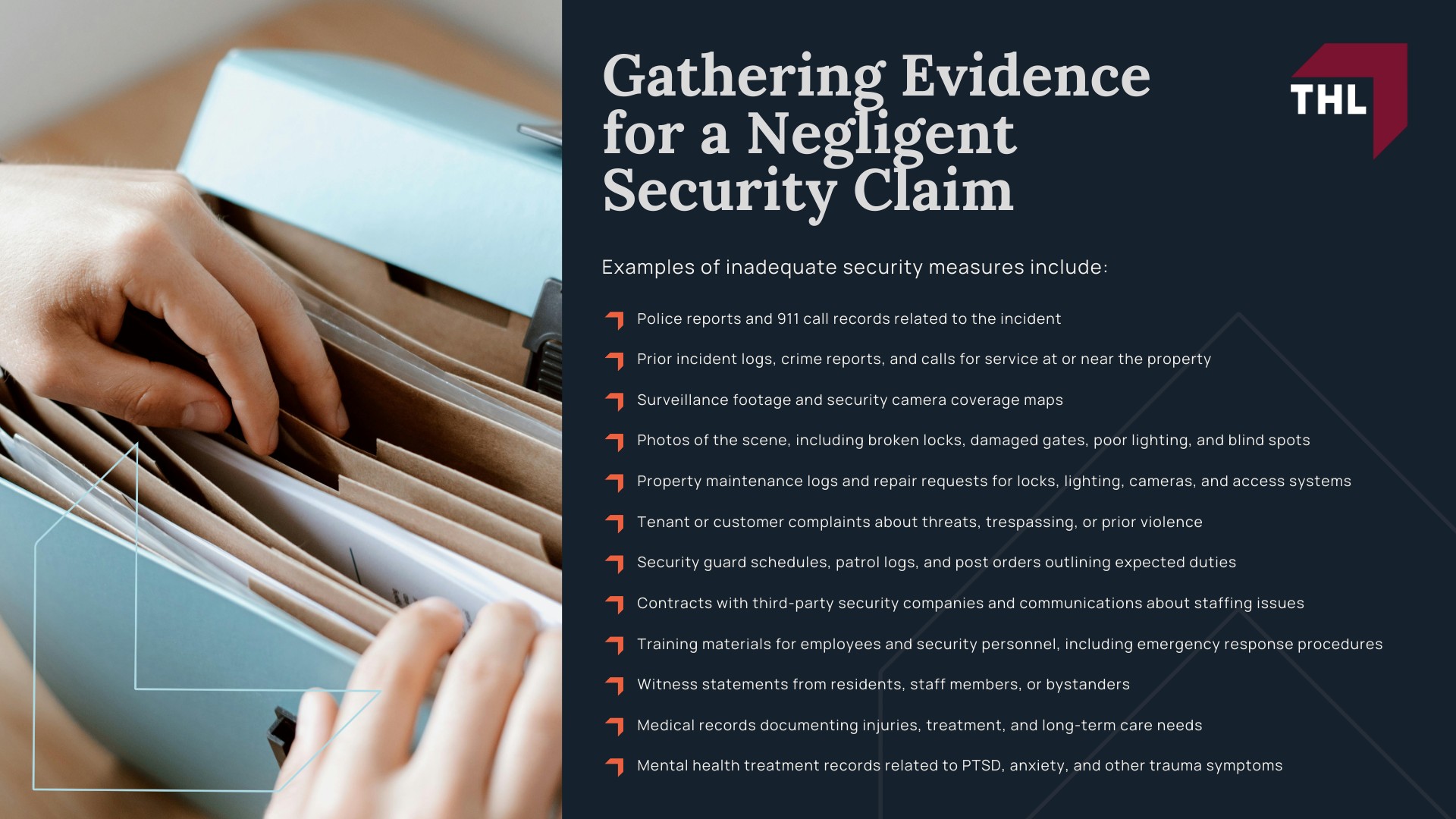
That is why filing negligent security claims often depends on documenting the property’s history of incidents, the conditions that made violence easier, and whether the owner ignored complaints, reports, or obvious warning signs.
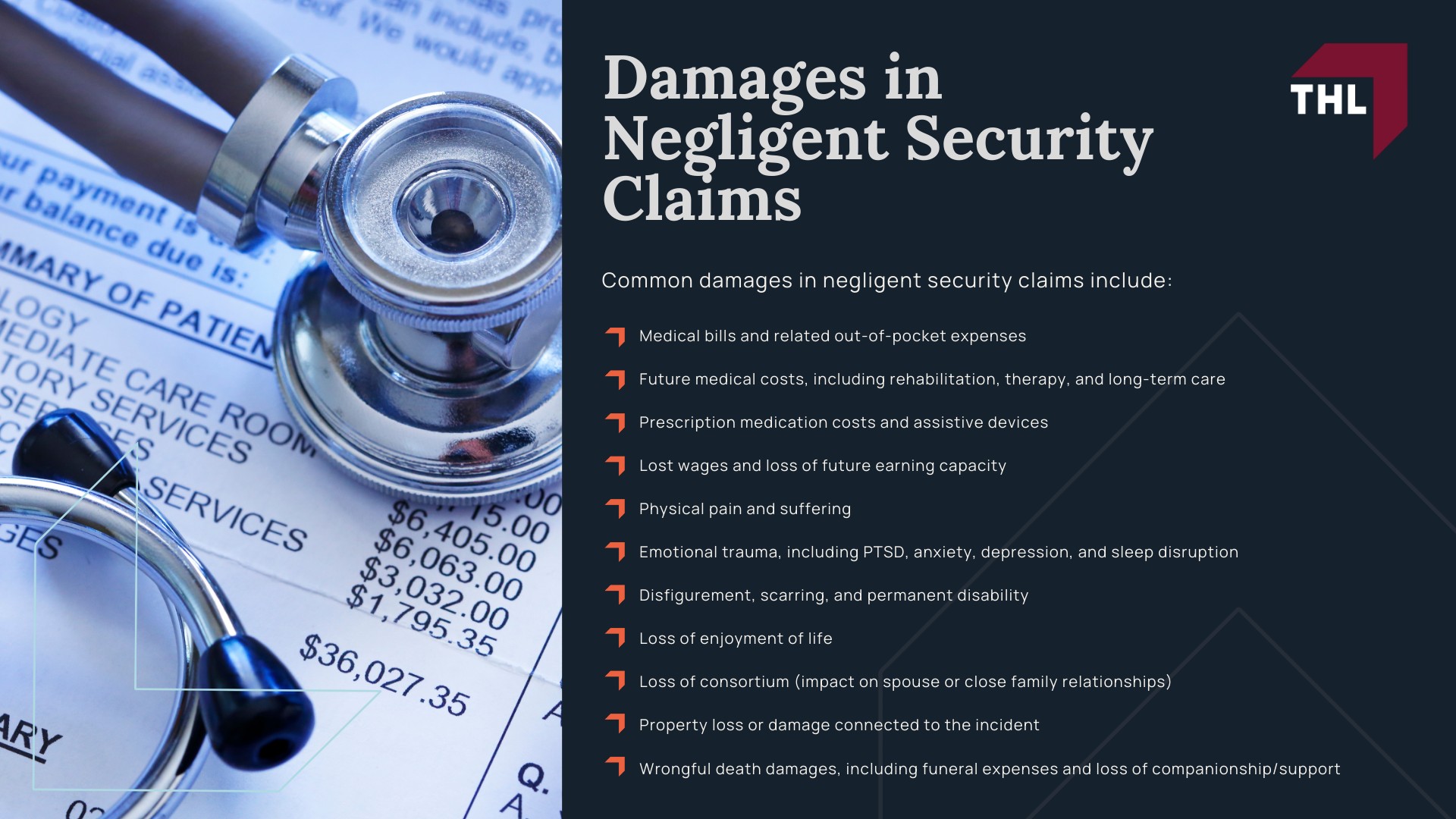
If a person is attacked and there is proof that a reasonable property owner would have taken additional safety steps, yet those steps were missing, victims may have the right to pursue damages for medical expenses, lost income, and other losses.
In that sense, negligent security claims are about accountability for predictable risks, not the criminal act itself, and they exist so victims can seek compensation when negligent property owners failed to take practical steps to reduce the chance of a preventable attack.
Illinois Law, Local Chicago Laws Relevant to Negligent Security Claims
Negligent security lawsuits in Chicago are usually brought under Illinois premises liability law, which requires property owners and occupiers to act with reasonable care under the circumstances.
That standard often becomes a security issue when a violent incident is tied to inadequate security measures in a place where criminal risks were foreseeable.
Illinois law also imposes strict filing deadlines for both personal injury and wrongful death cases, which affects how quickly victims and families must act after an attack.
Chicago has municipal licensing requirements for certain types of private security and “special policemen,” which can matter when a claim involves guards, security contractors, or failures to provide adequate security measures in high-risk settings.
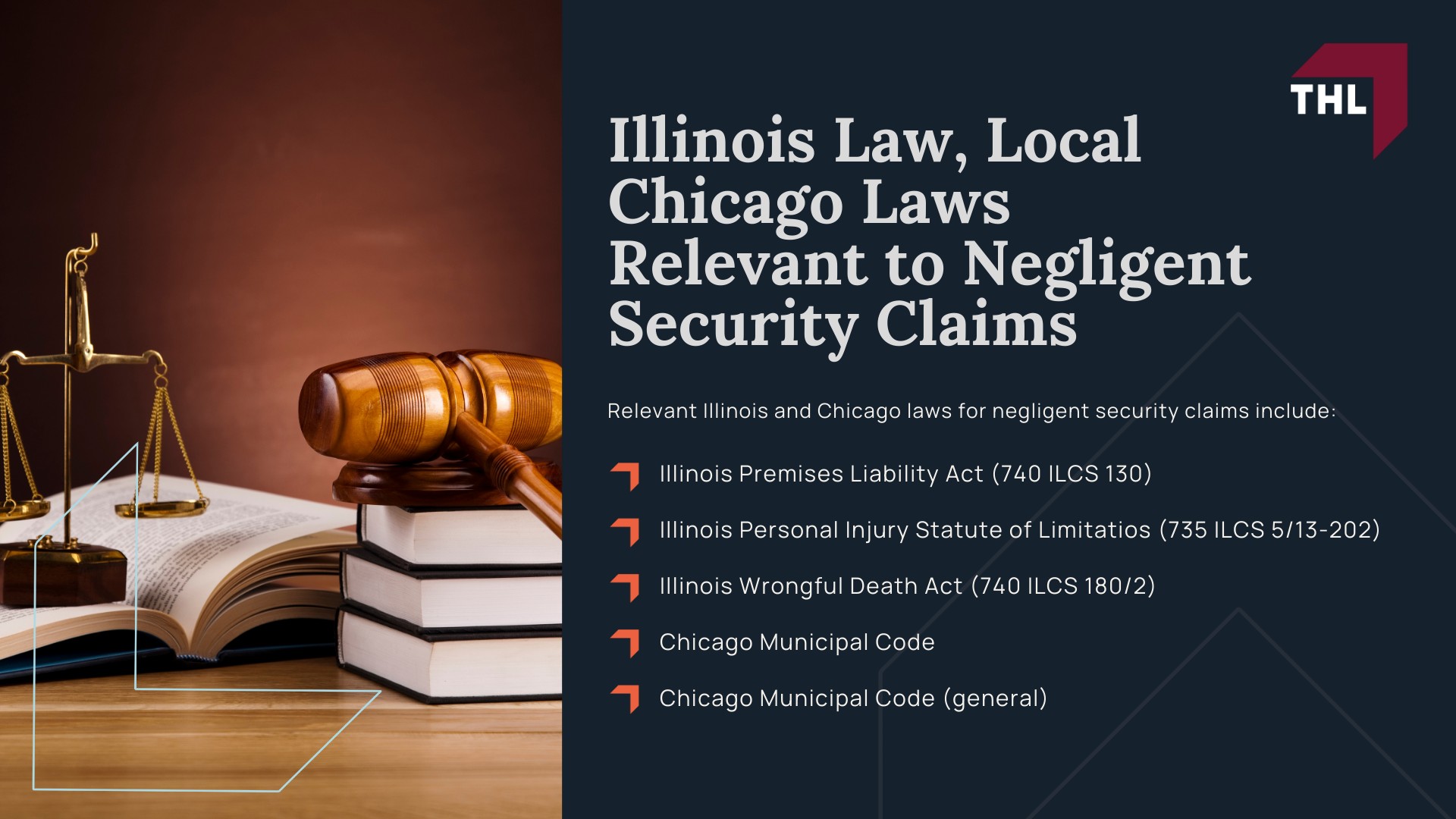
Relevant Illinois and Chicago laws for negligent security claims include:
- Illinois Premises Liability Act (740 ILCS 130): Establishes that the duty owed by an owner or occupier to lawful entrants is “reasonable care under the circumstances” for acts done or omitted on the premises, which is the baseline framework for negligent security claims.
- Illinois Personal Injury Statute of Limitations (735 ILCS 5/13-202): Requires most personal injury lawsuits, including negligent security claims based on assault-related injuries, to be filed within two years of when the cause of action accrued.
- Illinois Wrongful Death Act (740 ILCS 180/2): Requires wrongful death claims to generally be filed within two years of the date of death, which is relevant when a negligent security incident results in fatal injuries.
- Chicago Municipal Code – Special Policemen and Security Guards (Municipal Code Ch. 4-340): Defines and regulates “special policemen” and requires licensing for certain security guards hired to protect people or property within the City of Chicago, which can become relevant when a negligent security claim involves staffing, training, or oversight failures.
- Chicago Municipal Code (general): Chicago’s Municipal Code is the city’s compilation of ordinances; depending on the property type (bars, venues, hotels, residential buildings), local licensing and regulatory requirements may affect how security obligations are evaluated in a specific case.
In practice, litigating negligent security cases in Chicago often depends on tying these legal standards to concrete facts: what the property knew about prior incidents, what security steps were missing, and whether those omissions contributed to the harm.
Illinois’s “reasonable care” standard does not require perfect security, but it does require owners to respond reasonably to foreseeable threats, especially when a pattern of violence or repeated warnings exists.
Because filing deadlines are strict and evidence can disappear quickly, applying these laws to an individual case often starts with immediate evidence preservation and a careful analysis of whether the property’s security decisions fell below what the law considers reasonable under the circumstances.
“Foreseeability” in Chicago Negligent Security Cases
Foreseeability is one of the most important issues in Chicago negligent security cases because it helps define the property owner’s responsibility to protect people from violence on the premises.
The core question is whether the risk of criminal harm was predictable based on what the property knew or should have known before the incident occurred.
That can involve prior assaults or robberies on the property, repeated disturbances, police calls for service, tenant complaints, or clear security breakdowns that made dangerous conditions obvious.
When the risk is foreseeable, the argument becomes that the property should have implemented proper security measures that matched the level of danger, such as functional locks, controlled access, adequate lighting, monitoring, and trained security personnel.
Property owners and insurers often claim the attack was random and unavoidable, but evidence can show the harm followed a recognizable pattern that should have prompted action.
For victims, foreseeability matters because it is often the foundation needed to prove liability, showing the attack was not simply bad luck, but the result of security failures in a high-risk setting.
A negligent security claim becomes stronger when the facts show the property had multiple warnings and still failed to take reasonable steps to reduce the chance of an attack.