If you or a loved one suffered injuries, property damage, or other financial losses due to another party’s actions, you may be entitled to compensation for those losses.
Contact the experienced Chicago personal injury lawyers from TorHoerman Law for a free, no-obligation Chicago personal injury lawsuit case consultation today.
If you or a loved one suffered a personal injury or financial loss due to a car accident in Chicago, IL – you may be entitled to compensation for those damages.
Contact an experienced Chicago auto accident lawyer from TorHoerman Law today to see how our firm can serve you!
If you or a loved one have suffered injuries, property damage, or other financial losses due to a truck accident in Chicago, IL – you may qualify to take legal action to gain compensation for those injuries and losses.
Contact TorHoerman Law today for a free, no-obligation consultation with our Chicago truck accident lawyers!
If you or a loved one suffered an injury in a motorcycle accident in Chicago or the greater Chicagoland area – you may be eligible to file a Chicago motorcycle accident lawsuit.
Contact an experienced Chicago motorcycle accident lawyer at TorHoerman Law today to find out how we can help.
If you have been involved in a bicycle accident in Chicago at no fault of your own and you suffered injuries as a result, you may qualify to file a Chicago bike accident lawsuit.
Contact a Chicago bike accident lawyer from TorHoerman Law to discuss your legal options today!
Chicago is one of the nation’s largest construction centers.
Thousands of men and women work on sites across the city and metropolitan area on tasks ranging from skilled trades to administrative operations.
Unfortunately, construction site accidents are fairly common.
Contact TorHoerman Law to discuss your legal options with an experienced Chicago construction accident lawyer, free of charge and no obligation required.
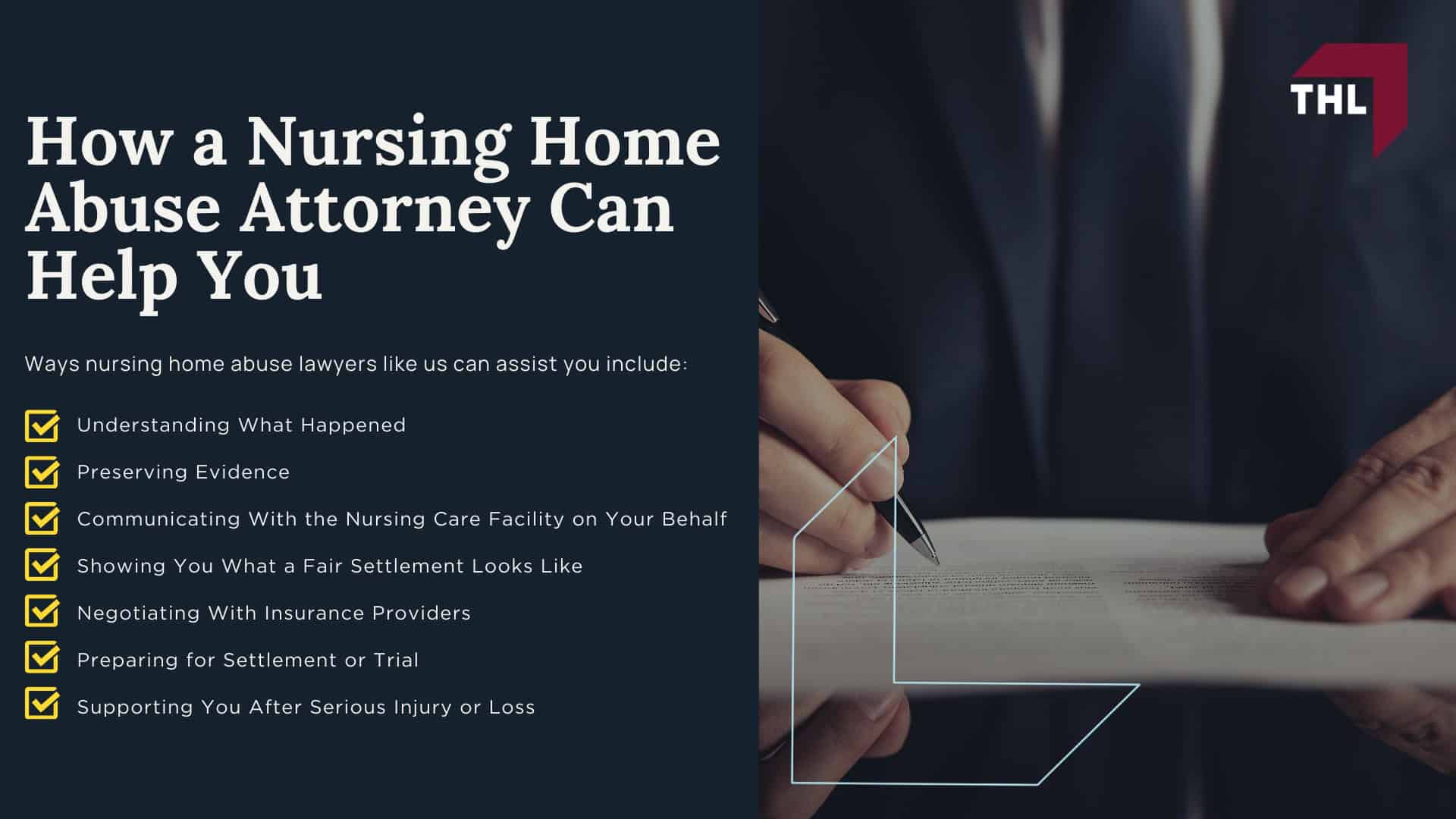
Nursing homes and nursing facilities should provide a safe, supportive environment for senior citizens, with qualified staff, nurses, and aids administering quality care.
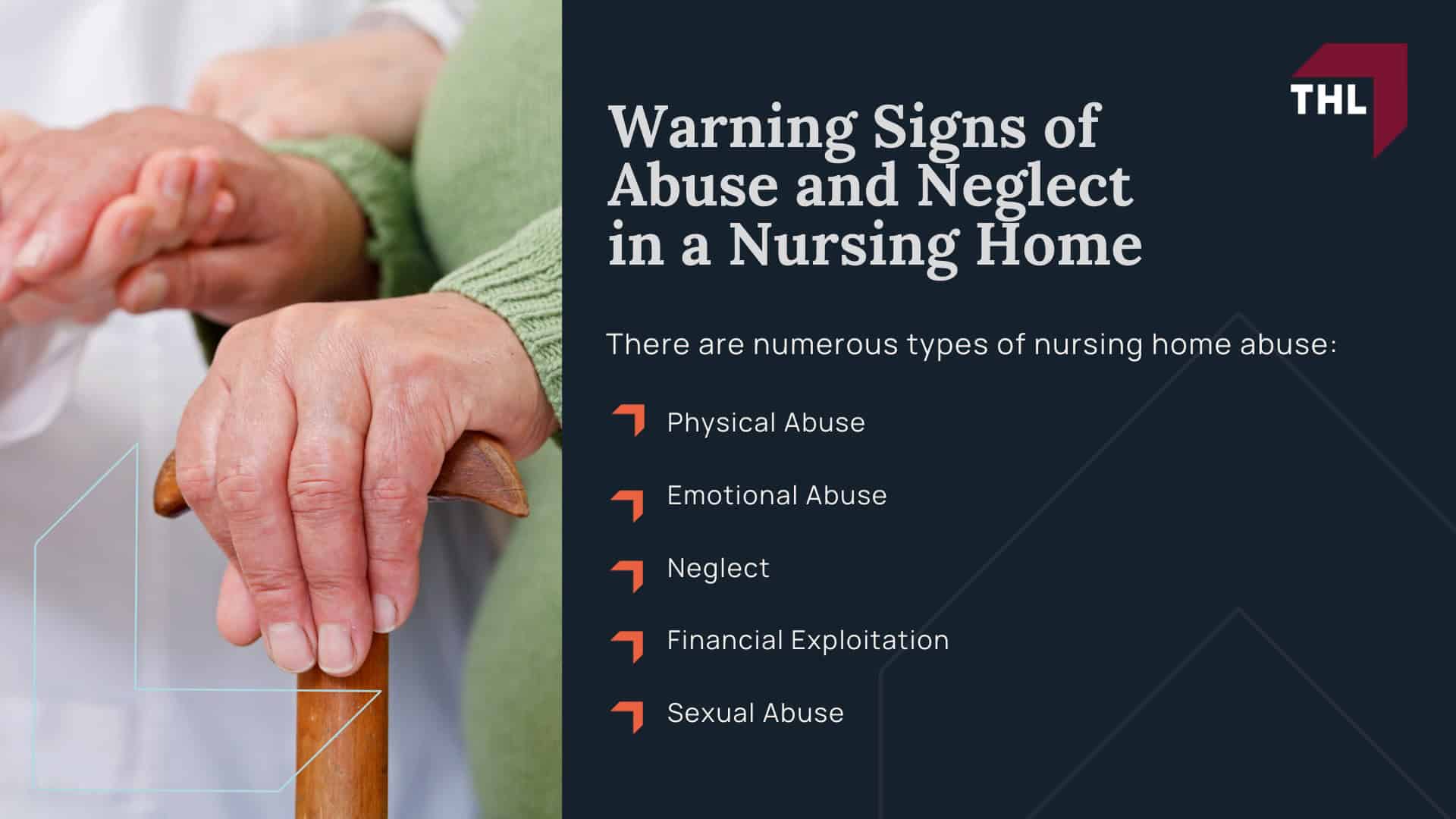
Unfortunately, nursing home abuse and neglect can occur, leaving residents at risk and vulnerable.
Contact an experienced Chicago nursing home abuse lawyer from TorHoerman Law today for a free consultation to discuss your legal options.
If you are a resident of Chicago, or the greater Chicagoland area, and you have a loved one who suffered a fatal injury due to another party’s negligence or malpractice – you may qualify to file a wrongful death lawsuit on your loved one’s behalf.
Contact a Chicago wrongful death lawyer from TorHoerman Law to discuss your legal options today!
If you have suffered a slip and fall injury in Chicago you may be eligible for compensation through legal action.
Contact a Chicago slip and fall lawyer at TorHoerman Law today!
TorHoerman Law offers free, no-obligation case consultations for all potential clients.
When a child is injured at a daycare center, parents are left wondering who can be held liable, who to contact for legal help, and how a lawsuit may pan out for them.
If your child has suffered an injury at a daycare facility, you may be eligible to file a daycare injury lawsuit.
Contact a Chicago daycare injury lawyer from TorHoerman Law today for a free consultation to discuss your case and potential legal action!
Case Types We Handle
If you or a loved one suffered injuries, property damage, or other financial losses due to another party’s actions, you may be entitled to compensation for those losses.
Contact the experienced Edwardsville personal injury lawyers from TorHoerman Law for a free, no-obligation Edwardsville personal injury lawsuit case consultation today.
If you or a loved one suffered a personal injury or financial loss due to a car accident in Edwardsville, IL – you may be entitled to compensation for those damages.
Contact an experienced Edwardsville car accident lawyer from TorHoerman Law today to see how our firm can serve you!
If you or a loved one have suffered injuries, property damage, or other financial losses due to a truck accident in Edwardsville, IL – you may qualify to take legal action to gain compensation for those injuries and losses.
Contact TorHoerman Law today for a free, no-obligation consultation with our Edwardsville truck accident lawyers!
If you or a loved one suffered an injury in a motorcycle accident in Edwardsville – you may be eligible to file an Edwardsville motorcycle accident lawsuit.
Contact an experienced Edwardsville motorcycle accident lawyer at TorHoerman Law today to find out how we can help.
If you have been involved in a bicycle accident in Edwardsville at no fault of your own and you suffered injuries as a result, you may qualify to file an Edwardsville bike accident lawsuit.
Contact an Edwardsville bicycle accident lawyer from TorHoerman Law to discuss your legal options today!
Nursing homes and nursing facilities should provide a safe, supportive environment for senior citizens, with qualified staff, nurses, and aids administering quality care.
Unfortunately, nursing home abuse and neglect can occur, leaving residents at risk and vulnerable.
Contact an experienced Edwardsville nursing home abuse attorney from TorHoerman Law today for a free consultation to discuss your legal options.
If you are a resident of Edwardsville and you have a loved one who suffered a fatal injury due to another party’s negligence or malpractice – you may qualify to file a wrongful death lawsuit on your loved one’s behalf.
Contact an Edwardsville wrongful death lawyer from TorHoerman Law to discuss your legal options today!
If you have suffered a slip and fall injury in Edwardsville you may be eligible for compensation through legal action.
Contact an Edwardsville slip and fall lawyer at TorHoerman Law today!
TorHoerman Law offers free, no-obligation case consultations for all potential clients.
When a child is injured at a daycare center, parents are left wondering who can be held liable, who to contact for legal help, and how a lawsuit may pan out for them.
If your child has suffered an injury at a daycare facility, you may be eligible to file a daycare injury lawsuit.
Contact an Edwardsville daycare injury lawyer from TorHoerman Law today for a free consultation to discuss your case and potential legal action!
If you or a loved one suffered injuries on someone else’s property in Edwardsville IL, you may be entitled to financial compensation.
If property owners fail to keep their premises safe, and their negligence leads to injuries, property damages or other losses as a result of an accident or incident, a premises liability lawsuit may be possible.
Contact an Edwardsville premises liability lawyer from TorHoerman Law today for a free, no-obligation case consultation.
Case Types We Handle
If you or a loved one suffered injuries, property damage, or other financial losses due to another party’s actions, you may be entitled to compensation for those losses.
Contact the experienced St. Louis personal injury lawyers from TorHoerman Law for a free, no-obligation St. Louis personal injury lawsuit case consultation today.
If you or a loved one suffered a personal injury or financial loss due to a car accident in St. Louis, IL – you may be entitled to compensation for those damages.
Contact an experienced St. Louis car accident lawyer from TorHoerman Law today to see how our firm can serve you!
If you or a loved one have suffered injuries, property damage, or other financial losses due to a truck accident in St. Louis, IL – you may qualify to take legal action to gain compensation for those injuries and losses.
Contact TorHoerman Law today for a free, no-obligation consultation with our St. Louis truck accident lawyers!
If you or a loved one suffered an injury in a motorcycle accident in St. Louis or the greater St. Louis area – you may be eligible to file a St. Louis motorcycle accident lawsuit.
Contact an experienced St. Louis motorcycle accident lawyer at TorHoerman Law today to find out how we can help.
If you have been involved in a bicycle accident in St. Louis at no fault of your own and you suffered injuries as a result, you may qualify to file a St. Louis bike accident lawsuit.
Contact a St. Louis bicycle accident lawyer from TorHoerman Law to discuss your legal options today!
St. Louis is one of the nation’s largest construction centers.
Thousands of men and women work on sites across the city and metropolitan area on tasks ranging from skilled trades to administrative operations.
Unfortunately, construction site accidents are fairly common.
Contact TorHoerman Law to discuss your legal options with an experienced St. Louis construction accident lawyer, free of charge and no obligation required.
Nursing homes and nursing facilities should provide a safe, supportive environment for senior citizens, with qualified staff, nurses, and aids administering quality care.
Unfortunately, nursing home abuse and neglect can occur, leaving residents at risk and vulnerable.
Contact an experienced St. Louis nursing home abuse attorney from TorHoerman Law today for a free consultation to discuss your legal options.
If you are a resident of St. Louis, or the greater St. Louis area, and you have a loved one who suffered a fatal injury due to another party’s negligence or malpractice – you may qualify to file a wrongful death lawsuit on your loved one’s behalf.
Contact a St. Louis wrongful death lawyer from TorHoerman Law to discuss your legal options today!
If you have suffered a slip and fall injury in St. Louis you may be eligible for compensation through legal action.
Contact a St. Louis slip and fall lawyer at TorHoerman Law today!
TorHoerman Law offers free, no-obligation case consultations for all potential clients.
When a child is injured at a daycare center, parents are left wondering who can be held liable, who to contact for legal help, and how a lawsuit may pan out for them.
If your child has suffered an injury at a daycare facility, you may be eligible to file a daycare injury lawsuit.
Contact a St. Louis daycare injury lawyer from TorHoerman Law today for a free consultation to discuss your case and potential legal action!
Case Types We Handle
The Ozempic lawsuit centers on allegations that Novo Nordisk failed to adequately warn consumers about serious risks associated with Ozempic and other GLP-1 medications.
Plaintiffs allege the drug has been linked to severe gastrointestinal injuries, including gastroparesis, as well as vision loss and other complications that have disrupted patients’ health, nutrition, employment, and daily functioning.
If you or a loved one developed gastroparesis, bowel obstruction, severe vomiting, vision loss, or other serious complications after taking Ozempic or another GLP-1 medication, you may have legal options.
Dupixent lawsuits allege that patients treated with dupilumab therapy later developed cutaneous T-cell lymphoma (CTCL), a rare form of non-Hodgkin lymphoma that can closely resemble severe eczema.
Research and published case reports have raised questions about whether some patients with atopic dermatitis face a higher risk of developing CTCL compared to similar patients who did not receive the drug.
Plaintiffs contend that Sanofi and Regeneron failed to warn patients and physicians about the possibility that Dupixent could worsen, accelerate, or reveal previously undiagnosed cutaneous lymphoma.
If you or a loved one has suffered a severe reaction or blood cancer linked to Dupixent, you may be eligible to take action and file a Dupixent lawsuit.
Suboxone, a medication often used to treat opioid use disorder (OUD), has become a vital tool which offers a safer and more controlled approach to managing opioid addiction.
Despite its widespread use, Suboxone has been linked to severe tooth decay and dental injuries.
Suboxone Tooth Decay Lawsuits claim that the companies failed to warn about the risks of tooth decay and other dental injuries associated with Suboxone sublingual films.
The chemotherapy drug Taxotere, commonly used for breast cancer treatment, has been linked to severe eye injuries, permanent vision loss, and permanent hair loss.
Taxotere Lawsuits are being filed by breast cancer patients and others who have taken the chemotherapy drug and subsequently developed vision problems.
If you or a loved one used Taxotere and subsequently developed vision damage or other related medical problems, you may be eligible to file a Taxotere Lawsuit and seek financial compensation.
Tylenol (Acetaminophen), one of the most popular over the counter medications for pain relief and high fever, has been associated with an increased risk of Autism Spectrum Disorder (ASD), Attention Deficit Hyperactivity Disorder (ADHD), and other developmental disorders in children exposed to Acetaminophen during pregnancy.
Legal claims against manufacturers and distributors of generic Acetaminophen have been investigated on behalf of pregnant women who used Tylenol during pregnancy and children who developed disorders such as Autism Spectrum Disorder, ADHD, and more.
TorHoerman Law is actively accepting and reviewing Tylenol lawsuit claims.
Spinal cord stimulator lawsuit claims allege that these devices are defectively designed and improperly marketed without adequate warnings, leading to severe injuries for patients.
TorHoerman Law is investigating claims involving spinal cord stimulators that allegedly caused serious injury instead of the relief patients were led to expect.
If you or a loved one experienced complications following spinal cord stimulator surgery, you may be eligible to pursue compensation through a spinal cord stimulator lawsuit.
Several studies have found a correlation between heavy social media use and mental health challenges, especially among younger users.
Social media harm lawsuits claim that social media companies are responsible for onsetting or heightening mental health problems, eating disorders, mood disorders, and other negative experiences of teens and children
You may be eligible to file a Social Media Mental Health Lawsuit if you are the parents of a teen, or teens, who attribute their use of social media platforms to their mental health problems.
Thousands of Uber sexual assault claims have been filed by passengers who suffered violence during rides arranged through the platform.
The ongoing Uber sexual assault litigation spans both federal law and California state court, with a consolidated Uber MDL (multi-district litigation) currently pending in the Northern District of California.
Uber sexual assault survivors across the country are coming forward to hold the company accountable for negligence in hiring, screening, and supervising drivers.
If you or a loved one were sexually assaulted, sexually battered, or faced any other form of sexual misconduct from an Uber driver, you may be eligible to file an Uber Sexual Assault Lawsuit.
Roblox lawsuit claims center on allegations that the platform allowed predators to groom, exploit, and abuse children through unsafe design and inadequate protections.
TorHoerman Law is dedicated to helping families who believe their child was harmed on Roblox pursue justice and financial recovery.
For many families, legal action represents both a path to compensation and a way to demand systemic change in how Roblox treats the safety of its youngest players.
If your child was sexually abused, exploited, or exposed to harmful content through Roblox, you may be eligible to take legal action by filing a lawsuit against Roblox Corporation.
Although pressure cookers were designed to be safe and easy to use, a number of these devices have been found to have a defect that can lead to excessive buildup of internal pressure.
The excessive pressure may result in an explosion that puts users at risk of serious injuries such as burns, lacerations, an even electrocution.
If your pressure cooker exploded and caused substantial burn injuries or other serious injuries, you may be eligible to file a Pressure Cooker Lawsuit and secure financial compensation for your injuries and damages.
Olympus Scope lawsuit claims center on allegations that certain reusable Olympus endoscopes and related accessories exposed patients to dangerous bacterial contamination after medical procedures.
These infections can lead to hospitalization, IV antibiotic treatment, sepsis, organ failure, and death, leaving many patients with serious medical complications and lasting physical harm.
You may qualify to file an Olympus scope lawsuit if you underwent an ERCP or another endoscopic procedure involving Olympus equipment and later developed a serious bacterial infection.
Families who lost a loved one after infection-related complications linked to an Olympus scope procedure may also be able to pursue a wrongful death claim.
Vaginal Mesh Lawsuits are being filed against manufacturers of transvaginal mesh products for injuries, pain and suffering, and financial costs related to complications and injuries of these medical devices.
Over 100,000 Transvaginal Mesh Lawsuits have been filed on behalf of women injured by vaginal mesh and pelvic mesh products.
If you or a loved one have suffered serious complications or injuries from vaginal mesh, you may be eligible to file a Vaginal Mesh Lawsuit.
Breast mesh lawsuits involve allegations that certain mesh products used during breast reconstruction, augmentation, and lift procedures contributed to postoperative complications and the need for revision surgeries.
Patients who experienced complications after mesh-assisted breast procedures have reported chronic pain, reconstruction problems, cosmetic deformities, and additional revision surgeries.
If you or a loved one experienced serious complications after breast surgery involving mesh or an internal bra technique, you may be eligible to pursue a breast mesh lawsuit claim for the harm caused.
Patients with the PowerPort devices may possibly be at a higher risk of serious complications or injury due to a catheter failure, according to lawsuits filed against the manufacturers of the Bard PowerPort Device.
If you or a loved one have been injured by a Bard PowerPort Device, you may be eligible to file a Bard PowerPort Lawsuit and seek financial compensation.
The AngioDynamics port catheter lawsuit claims that defective implantable ports have caused patients to suffer dangerous fractures, blood clots, and infections due to the breakdown of the catheter’s material inside the body.
These failures can lead to life-threatening complications such as embolism, sepsis, or the need for surgical removal of the device.
If you or a loved one experienced severe complications such as blood clots, infections, or catheter fractures requiring surgery due to a defective AngioDynamics port catheter, you may be eligible to file an AngioDynamics Port Catheter Lawsuit and seek compensation.
NEC Lawsuit claims allege that certain formulas given to infants in NICU settings increase the risk of necrotizing enterocolitis (NEC) – a severe intestinal condition in premature infants.
Parents and guardians are filing NEC Lawsuits against baby formula manufacturers, alleging that the formulas contain harmful ingredients leading to NEC.
Despite the claims, Abbott and Mead Johnson deny the allegations, arguing that their products are thoroughly researched and dismissing the scientific evidence linking their formulas to NEC, while the FDA issued a warning to Abbott regarding safety concerns of a formula product.
You may be eligible to file a Toxic Baby Formula NEC Lawsuit if your child received baby bovine-based (cow’s milk) baby formula in the maternity ward or NICU of a hospital and was subsequently diagnosed with Necrotizing Enterocolitis (NEC).
Paraquat, a widely-used herbicide, has been linked to Parkinson’s disease, leading to numerous Paraquat Parkinson’s Disease Lawsuits against its manufacturers for failing to warn about the risks of chronic exposure.
Due to its toxicity, the EPA has restricted the use of Paraquat and it is currently banned in over 30 countries.
You may be eligible to file a Paraquat Lawsuit if you or a loved one were exposed to Paraquat and subsequently diagnosed with Parkinson’s Disease or other related health conditions.
Ethylene Oxide Lawsuit claims center on allegations that Sterigenics U.S., LLC and other defendants negligently released hazardous levels of ethylene oxide (EtO), exposing nearby residents and workers to a known carcinogen linked to breast cancer, leukemia, lymphoma, and other serious illnesses.
If you or a loved one were diagnosed with cancer or other serious health problems associated with exposure to ethylene oxide and lived near a facility with known emissions, you may be eligible to file an Ethylene Oxide Lawsuit and seek financial compensation.
Nitrous oxide lawsuit claims center on manufacturers, distributors, and retailers who profit from selling canisters that are widely misused as a recreational drug.
Reports link this misuse to severe neurological injuries, psychiatric symptoms, hypoxia, and deaths caused by accidents or overdose.
These cases are rapidly expanding as more evidence emerges of the profound physical, psychological, and social toll caused by nitrous oxide misuse.
If you or a loved one has suffered brain injuries, spinal cord or nerve damage, psychiatric symptoms, or even death linked to misused nitrous oxide, you may be eligible to pursue a nitrous oxide lawsuit claim and seek compensation for the harm caused.
Diacetyl popcorn lung lawsuit claims center on allegations that repeated inhalation of butter-flavoring chemicals in certain workplaces, including diacetyl and related substitutes, caused permanent and preventable airway damage.
Popcorn lung, medically known as bronchiolitis obliterans or constrictive bronchiolitis, is a serious obstructive lung disease that scars and narrows the small airways, leaving many people with persistent shortness of breath, chronic cough, and reduced exercise tolerance.
TorHoerman Law has experience handling diacetyl popcorn lung cases and is currently reviewing claims from workers who believe occupational exposure to these flavoring chemicals contributed to their diagnosis.
If you or a loved one were diagnosed with diacetyl induced lung disease or bronchiolitis obliterans, you may have grounds to pursue a diacetyl popcorn lung lawsuit for the harm caused to your lung tissue and long-term lung function.
Our firm is about people. That is our motto and that will always be our reality.
We do our best to get to know our clients, understand their situations, and get them the compensation they deserve.
At TorHoerman Law, we believe that if we continue to focus on the people that we represent, and continue to be true to the people that we are – justice will always be served.
Without our team, we would’nt be able to provide our clients with anything close to the level of service they receive when they work with us.
The TorHoerman Law Team commits to the sincere belief that those injured by the misconduct of others, especially large corporate profit mongers, deserve justice for their injuries.
Our team is what has made TorHoerman Law a very special place since 2009.