Chicago
Case Types We Handle
Personal Injuries
Car Accidents
Truck Accidents
Motorcycle Accidents
Bicycle Accidents
Construction Accidents
Nursing Home Abuse
Wrongful Death
Slip and Fall Accidents
Daycare Injury & Abuse
Edwardsville
Case Types We Handle
Personal Injuries
Car Accidents
Truck Accidents
Motorcycle Accidents
Bicycle Accidents
Nursing Home Abuse
Wrongful Death
Slip and Fall Accidents
Daycare Injury & Abuse
Premises Liability
St. Louis
Case Types We Handle
Personal Injuries
Car Accidents
Truck Accidents
Motorcycle Accidents
Bicycle Accidents
Construction Accidents
Nursing Home Abuse
Wrongful Death
Slip and Fall Accidents
Daycare Injury & Abuse
Dangerous Drugs
Defective Products
Chemical Exposure

Common Truck Accident Injuries

Published By:
Picture of Tor Hoerman
Tor Hoerman

Attorney Tor Hoerman, admitted to the Illinois State Bar Association since 1995 and The Missouri Bar since 2009, specializes nationally in mass tort litigations. Locally, Tor specializes in auto accidents and a wide variety of personal injury incidents occuring in Illinois and Missouri.

This article has been written and reviewed for legal accuracy and clarity by the team of writers and attorneys at TorHoerman Law and is as accurate as possible. This content should not be taken as legal advice from an attorney. If you would like to learn more about our owner and experienced injury lawyer, Tor Hoerman, you can do so here.

TorHoerman Law does everything possible to make sure the information in this article is up to date and accurate. If you need specific legal advice about your case, contact us. This article should not be taken as advice from an attorney.

What are the Most Common Injuries Sustained in Truck Accidents?

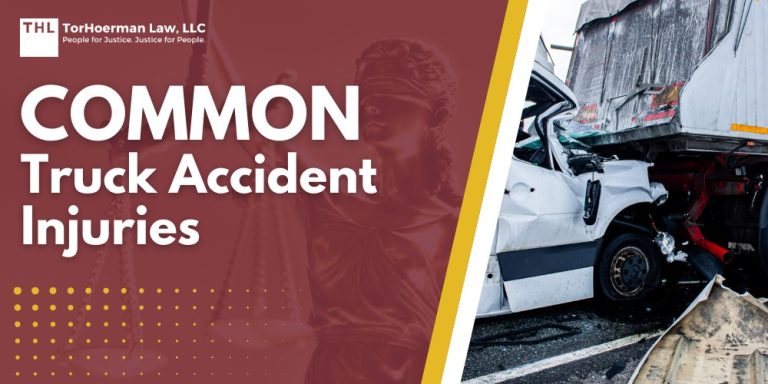
The most common truck accident injuries include traumatic brain injuries, spinal cord damage, broken bones, internal organ injuries, severe burns, and long-term soft tissue trauma.

These injuries can change how a person works, drives, or performs daily tasks, especially when recovery requires extended medical care.

Some injuries require surgery, hospital admission, or follow up care such as physical therapy, pain management, or neurological evaluation especially when victims sustain many injuries in the same crash.

TorHoerman Law reviews truck accident cases involving victims who suffered serious injuries through no fault of their own.

Common Truck Accident Injuries

Serious Injuries Caused by Truck Accidents: Complete Overview

In the United States, large commercial trucks are involved in thousands of crashes each year.

According to the Insurance Institute for Highway Safety, 4,354 people were killed in crashes involving large trucks in 2023, and 65 percent of those deaths were occupants of other vehicles.

Injuries suffered in truck accidents can be severe and require extensive medical treatment, prolonged hospitalization, ongoing rehabilitation, and can lead to permanent disability and long-term financial strain from mounting medical bills and lost income.

Many of injuries reported in truck crashes are associated with driver fatigue, improper cargo loading, or inadequate vehicle maintenance.

These conditions may affect vehicle control, braking performance, and overall vehicle stability.

A truck accident lawyer can determine whether these conditions contributed to the crash by reviewing operational records, inspection reports, and crash evidence, and identify which parties may be legally responsible, which may help injured victims pursue fair compensation from insurance companies who may otherwise minimize their claims.

TorHoerman Law reviews cases from truck accident victims who have suffered injuries due to someone else’s negligence and works to hold the responsible driver, trucking company, or other liable parties accountable for the harm caused.

Contact us today for a free consultation to find out if you qualify for a truck accident claim.

You can also use the chat feature on this page to find out if you qualify to take legal action.

Table of Contents

Why Truck Accident Injuries Are Often More Severe Than Car Crash Injuries

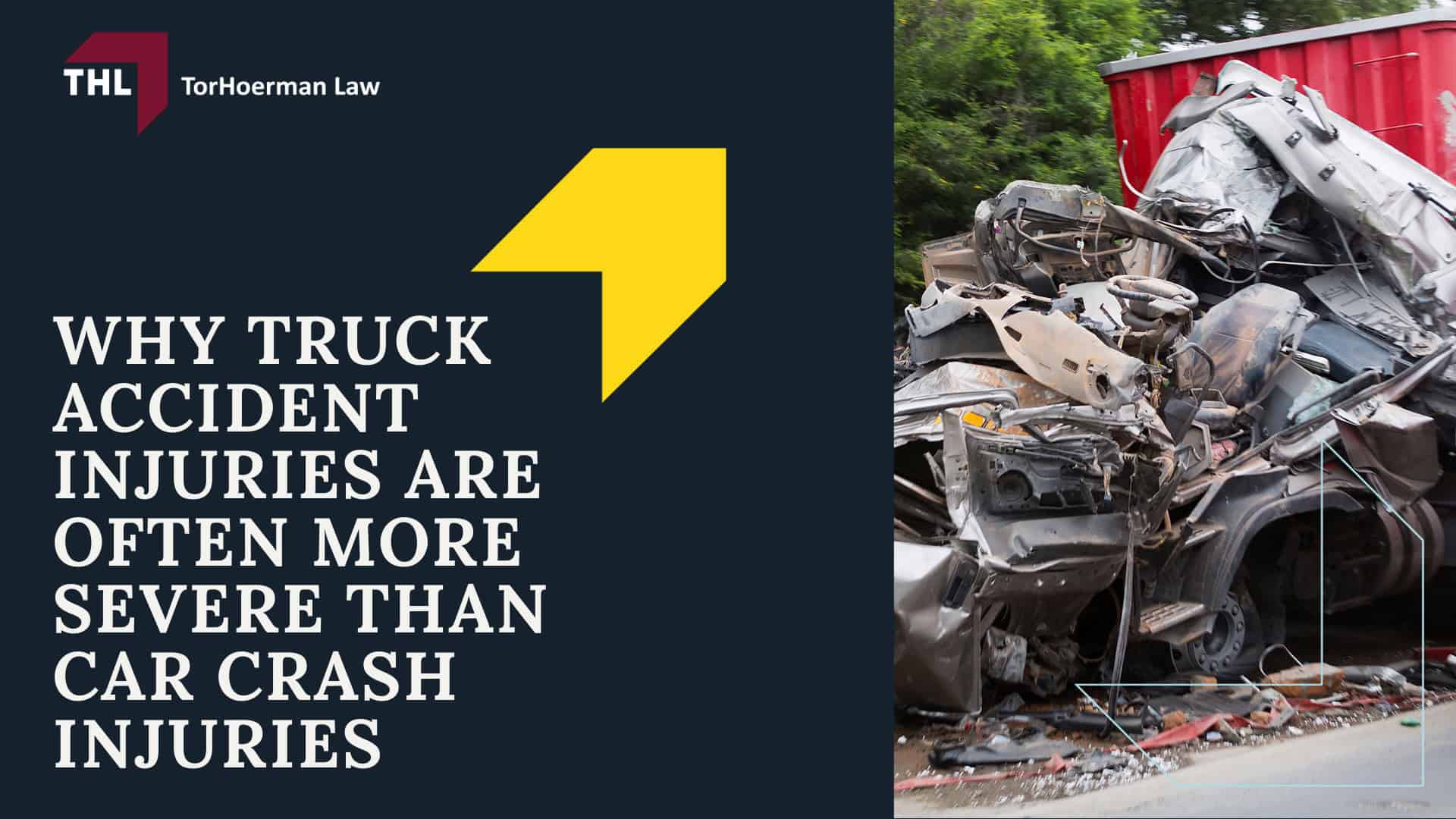
Large commercial trucks weigh significantly more than passenger vehicles.

A fully loaded tractor trailer can weigh up to 80,000 pounds, while most cars weigh between 3,000 and 4,000 pounds.

This weight difference increases crash force and energy transfer into the smaller vehicle.

When a smaller vehicle strikes or is struck by a truck, the passenger compartment may absorb a disproportionate amount of force. Structural intrusion can expose occupants directly to impact forces.

Certain crash types increase injury severity due to vehicle height and mass differences.

In underride crashes, a passenger vehicle can slide beneath the trailer, causing catastrophic head and neck trauma. Truck rollovers may crush nearby vehicles or spill cargo into traffic.

Multi vehicle pileups involving commercial trucks often result in injuries across several vehicles because large trucks cannot stop as quickly as passenger cars.

The Federal Motor Carrier Safety Administration reports that fully loaded trucks may require 20 to 40 percent more stopping distance at highway speeds.

This extended stopping distance increases the risk of high impact collisions when traffic slows or stops suddenly.

Common Truck Accident Scenarios That Cause Serious Injury

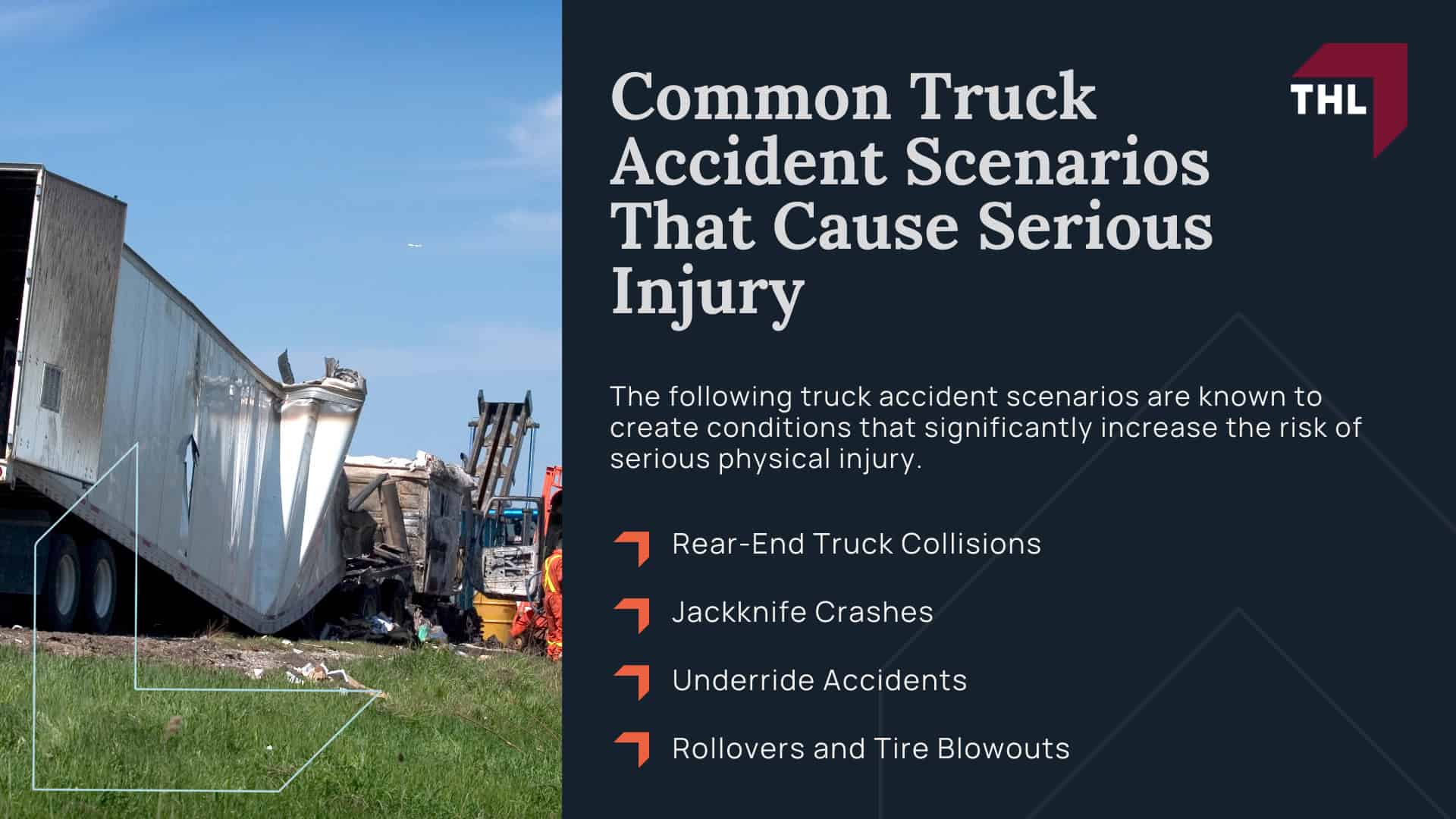
The following truck accident scenarios are known to create conditions that significantly increase the risk of serious physical injury.

Rear-End Truck Collisions

Rear-end collisions involving commercial trucks often occur when a fully loaded tractor trailer is unable to stop within the required distance. These crashes can occur due to excessive speed, brake system failure, delayed driver reaction, or driver distraction.

Due to the truck’s mass and longer stopping distance, the rear structure of a passenger vehicle may collapse inward on impact.

This intrusion can expose occupants to direct force, and resulting injuries may include traumatic brain injuries identified through CT imaging, spinal fractures confirmed by MRI, and internal bleeding that requires emergency surgical treatment.

Jackknife Crashes

A jackknife crash occurs when the trailer swings outward at an angle to the cab, often during sudden braking or loss of traction.

This can block multiple lanes and involve several vehicles involved in a chain-reaction collision.

These crashes commonly produce crush injuries, multiple complex fractures, and thoracic trauma. These injuries may require surgical intervention, admission to intensive care, and extended rehabilitation.

Underride Accidents

Underride accidents happen when a passenger vehicle slides under the rear or side of a truck trailer.

As the cars sit lower than trailers, the front of the car can go underneath the elevated trailer body, and the roof can be crushed or torn off on impact.

These crashes have a high risk of death because the trailer can strike directly into the head and neck area.

Survivors may suffer severe facial fractures or serious neck injuries that require surgery.

Rollovers and Tire Blowouts

Truck rollovers can occur when cargo shifts inside the trailer, when a driver takes a turn at unsafe speeds, or when tire failure affects vehicle stability.

Federal cargo securement and vehicle stability requirements exist to prevent injuries by reducing the risk of trailer imbalance and rollover events.

A tire blowout can cause sudden loss of steering control and send debris into surrounding traffic.

Federal inspection and tire maintenance regulations, including 49 CFR § 396.3 (Inspection, Repair, and Maintenance) and 49 CFR § 393.75(Tires), require motor carriers to monitor tire condition and pressure to prevent mechanical failure and loss of vehicle control.

An experienced truck accident attorney reviews driver logs, maintenance records, and electronic data to determine whether required safety inspections, cargo securement procedures, and maintenance practices intended to prevent injuries were followed before the crash occurred.

Traumatic Brain Injuries (TBI) Caused by Truck Accidents

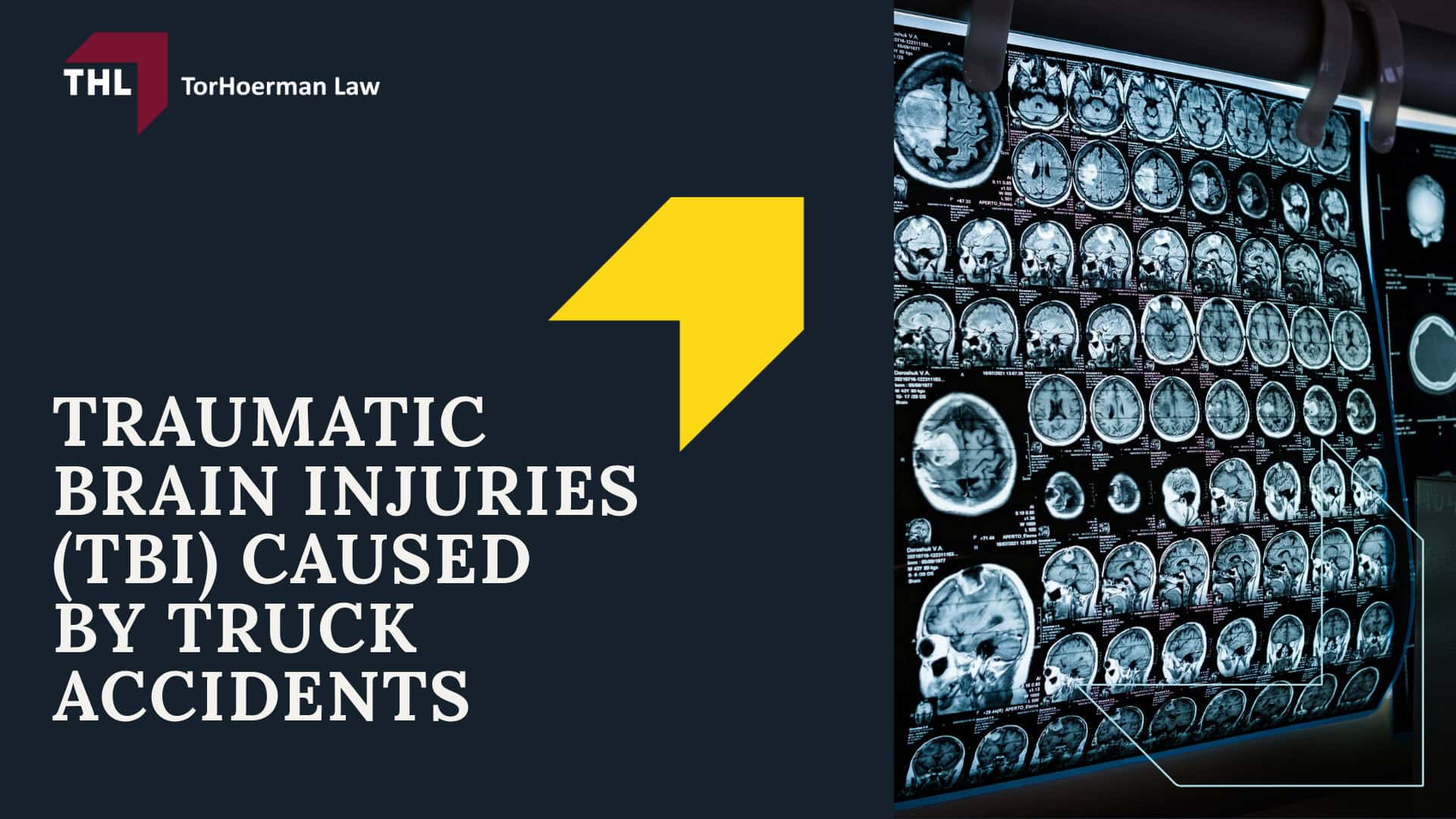
A traumatic brain injury (TBI) is damage to the brain caused by a sudden hit, blow, or force to the head.

TBI can range from a mild concussion to a more serious injury involving bleeding, swelling, or physical damage to brain tissue.

In truck injury crashes, TBIs often happen when a person’s head hits the steering wheel, window, or another hard surface.

They can also result from violent shaking and rapid deceleration, where the brain shifts inside the skull during the impact.

Symptoms may not appear right away or can develop hours or even days later. Common signs include headaches, confusion, nausea, memory problems, and mood changes.

Doctors may use a neurological exam, CT scan, or MRI to confirm the injury. Severe cases can lead to long-term cognitive problems, seizures, or personality changes.

Concussions and Mild Traumatic Brain Injuries

A concussion is a mild traumatic brain injury caused by a direct blow to the head or a sudden force that causes the brain to move inside the skull.

This movement can disrupt normal brain function even when there is no visible structural damage on imaging.

Common symptoms include:

  • Headache or pressure in the head
  • Dizziness or balance problems
  • Confusion or slowed thinking
  • Nausea or vomiting
  • Sensitivity to light or noise
  • Memory problems
  • Mood changes or irritability

Diagnosis is based on a neurological examination, review of reported symptoms, and imaging such as a CT scan when physicians need to evaluate possible bleeding or other complications.

Moderate to Severe Brain Injuries

Moderate to severe brain injuries can include intracranial bleeding, brain swelling that increases pressure inside the skull, or diffuse axonal injury, which occurs when nerve fibers are torn during rapid acceleration or deceleration.

These injuries may lead to permanent cognitive impairment, speech difficulties, motor dysfunction, or loss of independence. Long-term care and rehabilitation are often required.

Long-Term Effects of a Truck Accident Brain Injury

A truck accident brain injury can cause lasting cognitive and functional impairment.

The severity depends on the area of the brain injured and the extent of damage.

Common long-term effects include:

  • Memory loss and difficulty concentrating
  • Slowed thinking and reduced ability to process information
  • Speech problems, including difficulty forming or understanding words
  • Personality changes, such as irritability, depression, or impulsive behavior
  • Post-traumatic seizures requiring ongoing medical treatment

Severe brain injuries may prevent a return to prior employment, especially in jobs requiring coordination, attention, or decision-making.

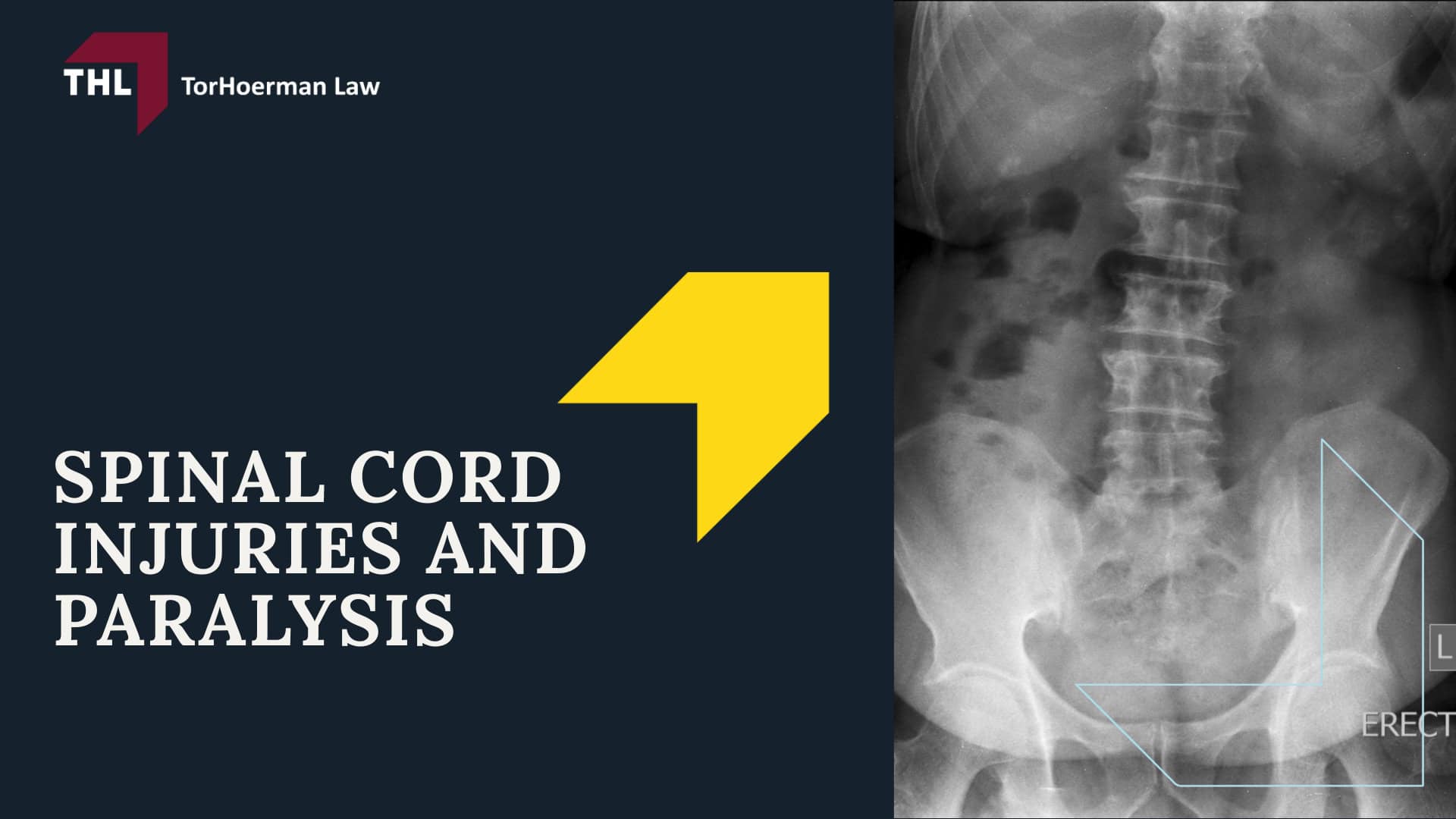
Spinal Cord Injuries and Paralysis

Spinal cord injuries are among the most life-altering outcomes of truck crashes.

The force of a truck crash can break bones in the spine or damage the spinal cord, which can affect movement and sensation below the injury.

A spinal cord injury involves direct damage to the cord itself, unlike a back injury that affects muscles or ligaments without nerve disruption.

Injury to the spinal cord can lead to paralysis and permanent loss of function.

Symptoms may include numbness, weakness, loss of movement, and loss of bladder or bowel control.

Depending on the location of the injury, paralysis may affect the lower body, known as paraplegia, or both the arms and legs, known as quadriplegia.

Herniated Discs and Nerve Compression

Blunt force trauma in truck crashes commonly causes herniated discs, which occur when the inner portion of a spinal disc pushes through its outer layer.

This displacement can place pressure on nearby nerves and interfere with normal nerve signals.

Individuals may experience radiating pain, numbness, weakness, or sciatica symptoms that extend into the arms or legs, depending on the location of the injury.

Diagnosis often involves physical examination and imaging such as MRI to confirm nerve compression.

Treatment may include physical therapy, anti inflammatory medication, epidural injections, or surgery when nerve pressure causes persistent pain or functional limitation.

Partial or Complete Spinal Cord Damage

Spinal cord damage may be classified as partial or complete, depending on the extent of nerve disruption.

Partial injuries may allow limited movement or sensation below the injury level, although strength and coordination may be reduced.

This level of spinal cord damage can result in permanent paralysis and require long-term use of mobility devices such as wheelchairs.

Medical treatment may include spinal stabilization, rehabilitation therapy, and ongoing care to address permanent physical limitations.

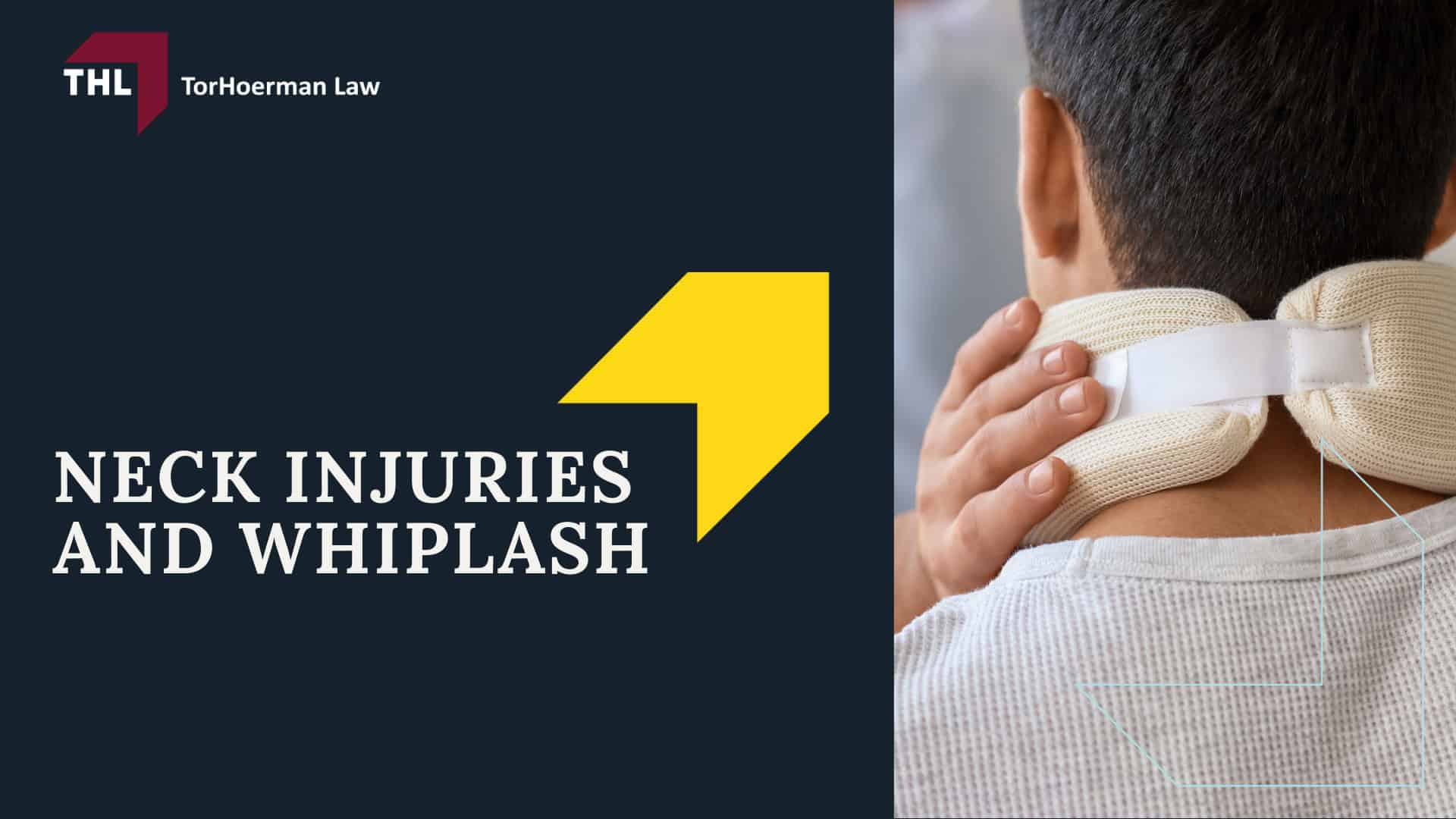
Neck Injuries and Whiplash

Neck injuries are common in truck accidents, even when there are no visible fractures.

Sudden forward and backward motion can strain the cervical spine and surrounding soft tissue.

Whiplash occurs when the head is rapidly forced in one direction and then snapped back.

This motion can stretch or tear muscles and ligaments and may irritate nearby nerves.

Symptoms often include neck stiffness, headaches, dizziness, and shoulder pain. Initial treatment may involve rest, physical therapy, and imaging such as X-rays or MRI if symptoms continue.

Soft Tissue Neck Injuries

Truck accidents can cause soft tissue injuries when sudden impact forces stretch or tear muscles and ligaments in the neck.

Soft tissue injuries include muscle strains, ligament sprains, persistent stiffness, headaches, and reduced range of motion.

Pain may worsen with movement or prolonged sitting, especially during driving, lifting, or extended periods of inactivity.

Doctors typically diagnose these injuries through physical examination and may order MRI imaging if symptoms persist or nerve involvement is suspected.

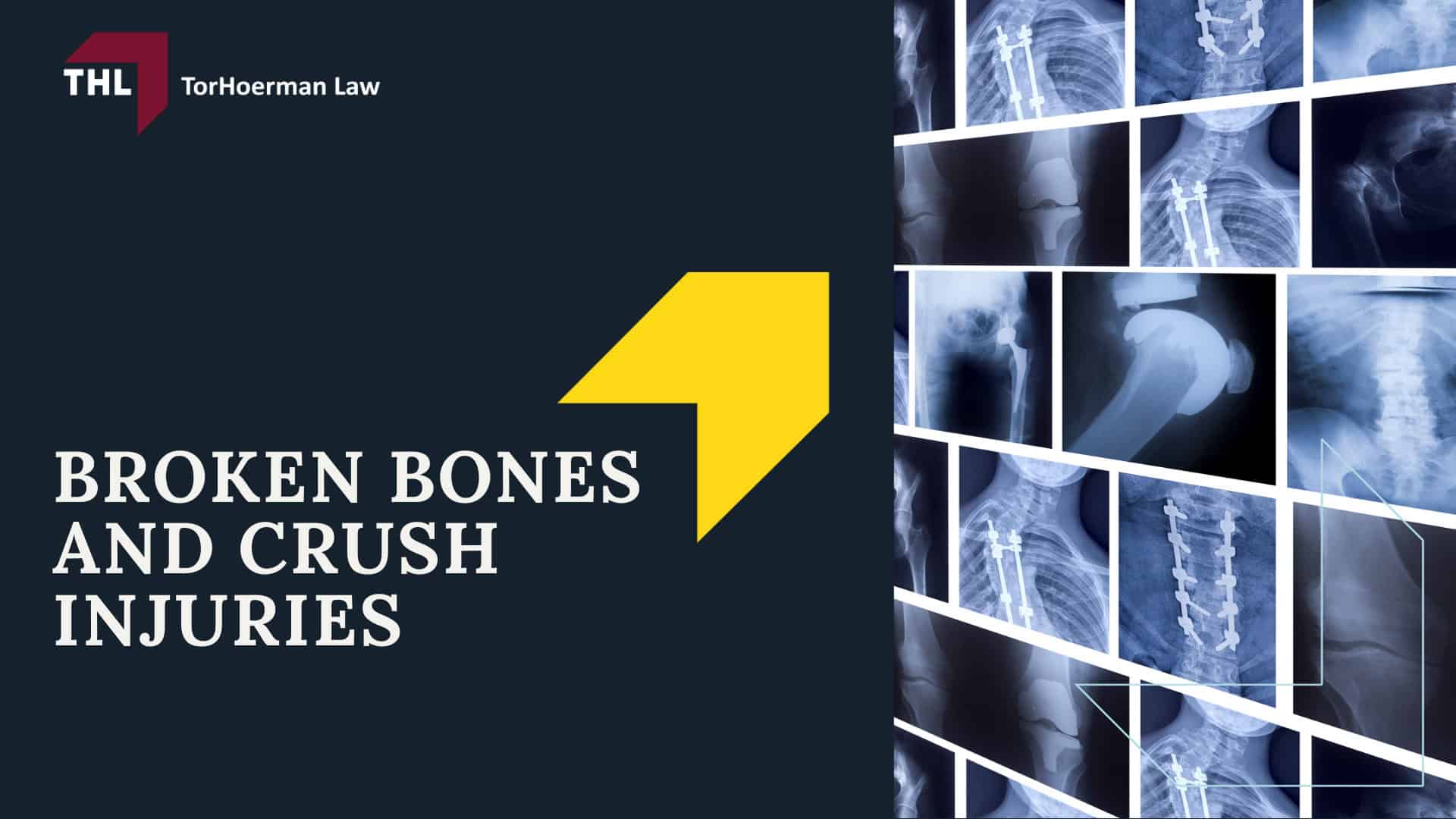
Broken Bones and Crush Injuries

Broken bones and fractures are common in truck crashes because of the size and weight difference between commercial trucks and passenger vehicles.

The force of impact can cause significant vehicle intrusion, where doors, dashboards, or roof structures collapse into the occupant space.

In severe collisions, victims may be trapped inside crushed passenger compartments, placing direct pressure on limbs, rib cage, and the pelvis.

Fractures in these cases often require surgical fixation to restore alignment and stability.

Internal hardware such as plates, screws, or rods may be used to hold the bone in place during healing.

Common Truck Accident Fractures

Truck crashes frequently result in fractures to multiple parts of the body due to direct impact and structural intrusion:

  • Rib fractures: Common in high-force collisions and can interfere with breathing or puncture internal organs.
  • Pelvic fractures: Often caused by side-impact or crush forces and may be associated with internal bleeding.
  • Leg fractures: Frequently occur when the lower dashboard collapses into the driver’s legs.
  • Arm fractures: May result from bracing during impact or contact with interior surfaces.
  • Collarbone fractures: Often linked to seat belt restraint during sudden deceleration.
  • Facial fractures: Can occur from impact with the steering wheel, airbag deployment, or shattered glass.

Compound Fractures and Surgical Fixation

Open fractures occur when a broken bone pierces through the skin during a truck crash.

This type of injury exposes bone and surrounding tissue to external contamination, increasing the risk of infection and delayed healing.

Emergency treatment often involves surgical cleaning, known as debridement, to remove damaged tissue and reduce infection risk.

Surgeons may use metal rods, plates, or pins to stabilize the bone and restore proper alignment.

Recovery may require hospitalization, follow-up imaging, and rehabilitation to monitor healing and restore function.

Crush Injuries and Compartment Syndrome

Crush injuries occur when a body part is trapped or compressed during a rollover, underride crash, or when a person is pinned inside a damaged vehicle.

The sustained pressure damages muscle and blood vessels.

As the tissue swells, it is confined within tight muscle compartments.

This can reduce blood flow and limit oxygen supply.

Compartment syndrome occurs when pressure inside that space becomes so high that circulation is blocked.

Without prompt surgical release, permanent damage or amputation may result.

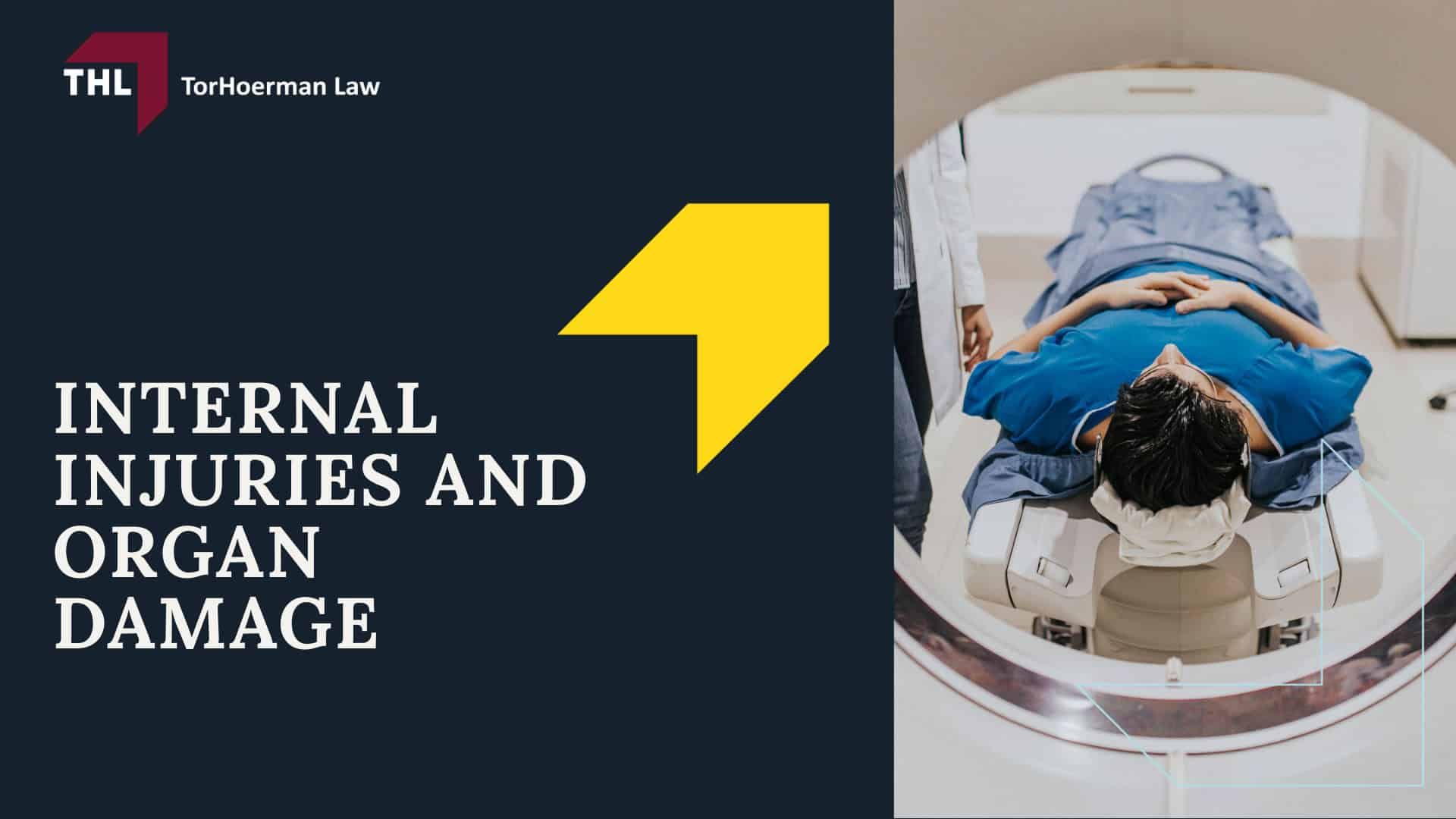
Internal Injuries and Organ Damage

Internal injuries are among the most dangerous outcomes of truck crashes because they may not be visible at the scene.

A victim can appear stable while bleeding or organ damage develops internally.

These are common injuries caused by high-force impacts and may occur alongside head injuries or closed head injuries.

Blunt trauma can tear blood vessels or damage internal organs, leading to internal bleeding.

As blood loss continues, the body may enter shock, a condition in which vital organs do not receive enough oxygen.

Symptoms are not always immediate.

A victim may later experience dizziness, weakness, abdominal swelling, or confusion. Without prompt medical treatment, internal injuries can become fatal.

Internal Bleeding

Internal bleeding occurs when blood vessels are torn during impact, allowing blood to collect inside the body rather than exiting through an open wound.

In truck crashes, this often results from blunt force to the abdomen, chest, or pelvis.

Because the bleeding is not externally visible, diagnosis may require imaging such as a CT scan or ultrasound. Signs can include dizziness, abdominal swelling, rapid heartbeat, pale skin, or loss of consciousness.

Internal bleeding requires emergency medical care to stabilize the condition and prevent victims from life-threatening complications.

Damage to Organs (Liver, Spleen, Kidneys, Lungs)

High-speed truck crashes can cause direct trauma to internal organs.

The liver and spleen are particularly vulnerable because they are highly vascular and can bleed extensively when torn.

Kidney injuries may occur from blunt impact to the lower back or side, sometimes leading to internal bleeding or impaired kidney function.

Lung injuries can result from chest compression, causing breathing difficulty or oxygen loss.

Organ damage often requires close monitoring, imaging studies, and in some cases emergency surgery to control bleeding or repair torn tissue.

Chest Trauma and Collapsed Lung

Severe chest trauma is common in high-impact truck crashes, especially when the steering wheel, dashboard, or seat belt exerts force against the chest.

Rib fractures can puncture underlying lung tissue or damage surrounding structures.

A collapsed lung, medically known as pneumothorax, occurs when air escapes into the space between the lung and chest wall.

This prevents the lung from fully expanding and can cause sharp chest pain and shortness of breath.

Treatment may require insertion of a chest tube to remove trapped air and allow the lung to re-expand. Without prompt care, breathing complications can become life-threatening.

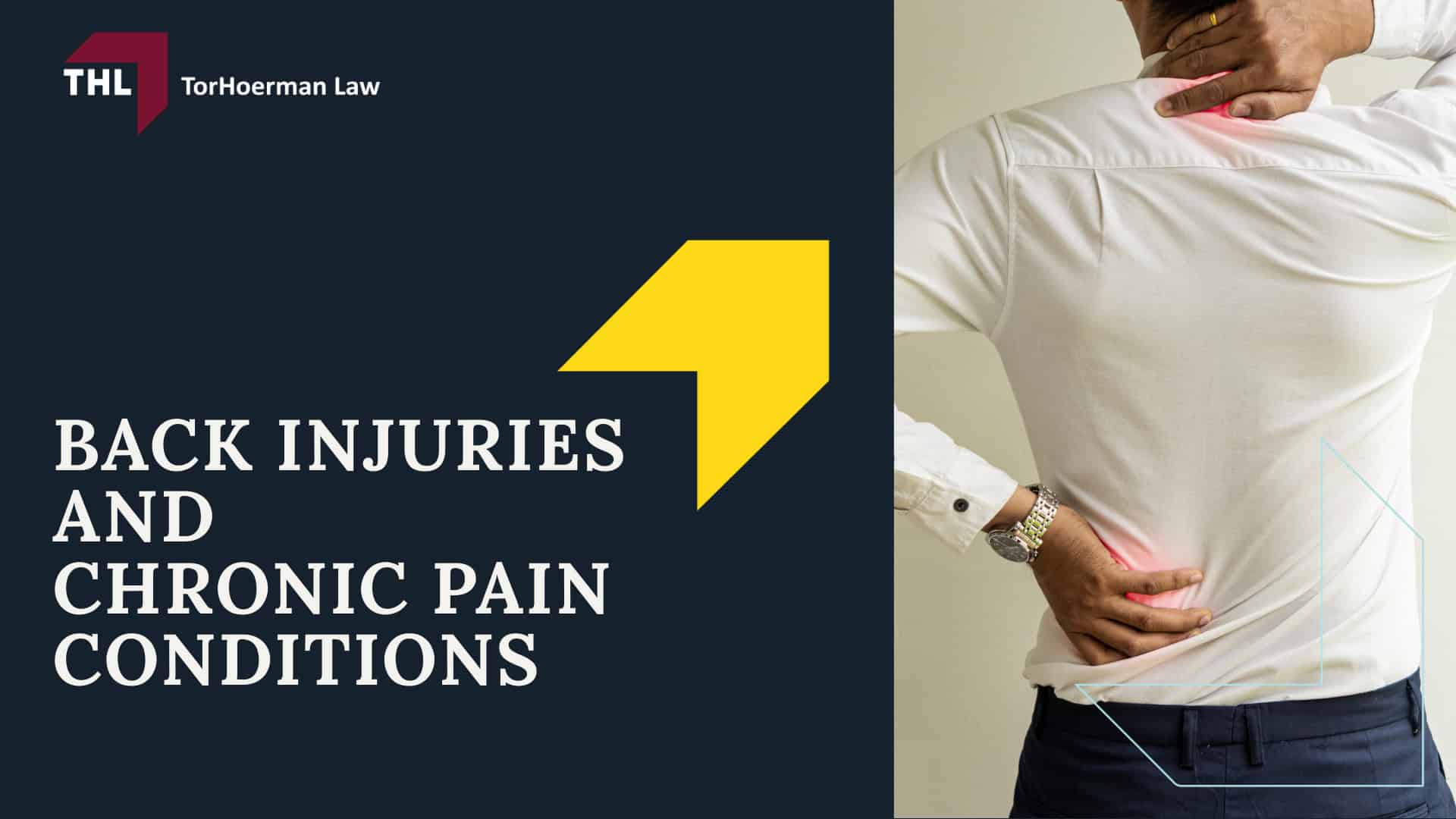
Back Injuries and Chronic Pain Conditions

Truck crashes often expose the spine to sudden compression, twisting, or hyperextension.

These forces can cause serious damage to muscles, ligaments, intervertebral discs, or vertebral bones.

A back strain involves overstretching or tearing of muscles or ligaments.

Structural injuries involve physical damage to spinal discs, vertebrae, or nerves, confirmed through MRI or CT imaging.

Structural injuries carry a higher risk of long-term impairment.

Many truck crash victims report persistent pain lasting months or years.

Chronic pain can restrict bending, lifting, prolonged sitting, and other routine physical activities.

Lumbar Disc Injuries

Lumbar disc herniation occurs when the soft center of a spinal disc pushes through its outer layer.

This can compress nearby nerves, producing radiating pain, numbness, or weakness in the lower back and legs.

Diagnosis typically involves MRI scans and neurological examination.

Treatment may include physical therapy, epidural steroid injections, or surgical procedures such as discectomy.

Severe disc damage can limit mobility and reduce physical work capacity.

Vertebrae Fractures

Spinal fractures involve cracking or collapse of vertebral bones, often caused by high-force impact.

Compression fractures can destabilize the spine and place pressure on the spinal cord or nerves.

Treatment may require bracing, vertebroplasty, spinal fusion, or decompression surgery.

Recovery can extend for several months, and some fractures result in permanent spinal instability or chronic pain.

Chronic Pain and Long-Term Mobility Problems

Chronic pain may persist after visible injuries have healed.

Nerve damage, scar tissue formation, and spinal degeneration can contribute to ongoing symptoms.

Long-term mobility problems may include reduced range of motion, muscle weakness, and difficulty standing or walking.

Medical evaluations often include pain management records, functional capacity assessments, and imaging studies to document lasting impairment.

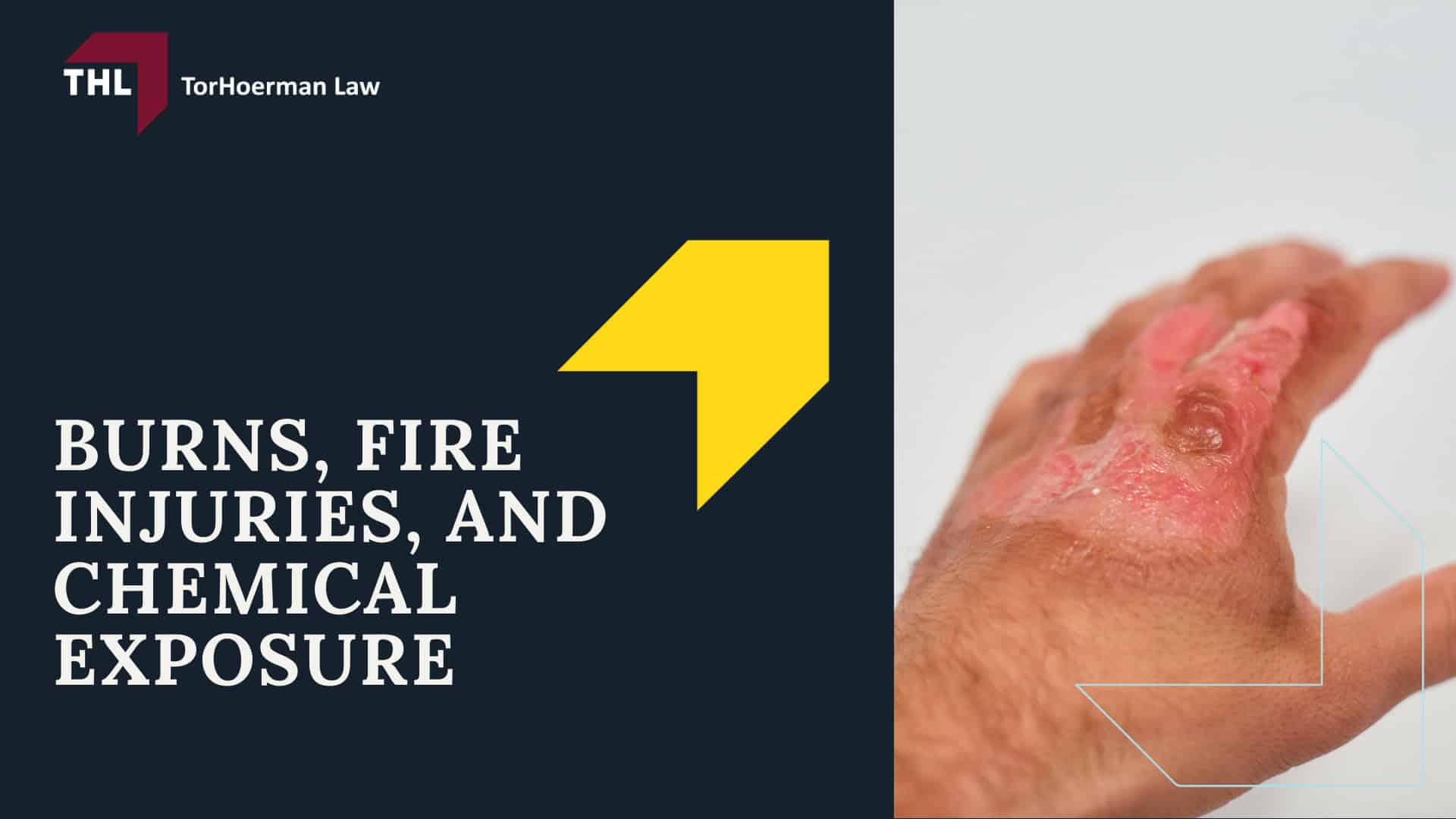
Burns, Fire Injuries, and Chemical Exposure

Truck crashes can trigger fuel fires when diesel tanks rupture or ignite during impact.

Some commercial trucks also transport flammable or hazardous cargo, which may explode or release dangerous substances during a collision.

Burn injuries often require treatment in specialized burn centers.

These injuries can destroy skin layers, damage nerves, and leave permanent scars that restrict movement, especially around joints such as the hands, neck, or legs.

Thermal Burns From Fire or Explosion

Thermal burns result from direct exposure to flames, hot metal, or blast heat.

Burn severity is classified by depth:

Complications can include infection, fluid loss, and delayed wound healing.

Chemical Burns From Hazardous Materials

Some trucks transport corrosive substances such as sulfuric acid, gasoline, or industrial solvents.

These chemicals can penetrate skin quickly and damage underlying tissue.

Immediate medical treatment is required to stop the chemical reaction and prevent deeper tissue destruction.

Scarring, Skin Grafts, and Long-Term Burn Care

Severe burns often require skin graft surgery, where healthy skin is used to replace damaged tissue. This helps close wounds and reduce infection risk.

Burn injuries may also cause permanent scarring, nerve damage, and visible disfigurement.

Long-term care may include reconstructive surgery, rehabilitation, and continued medical monitoring to address functional limitations.

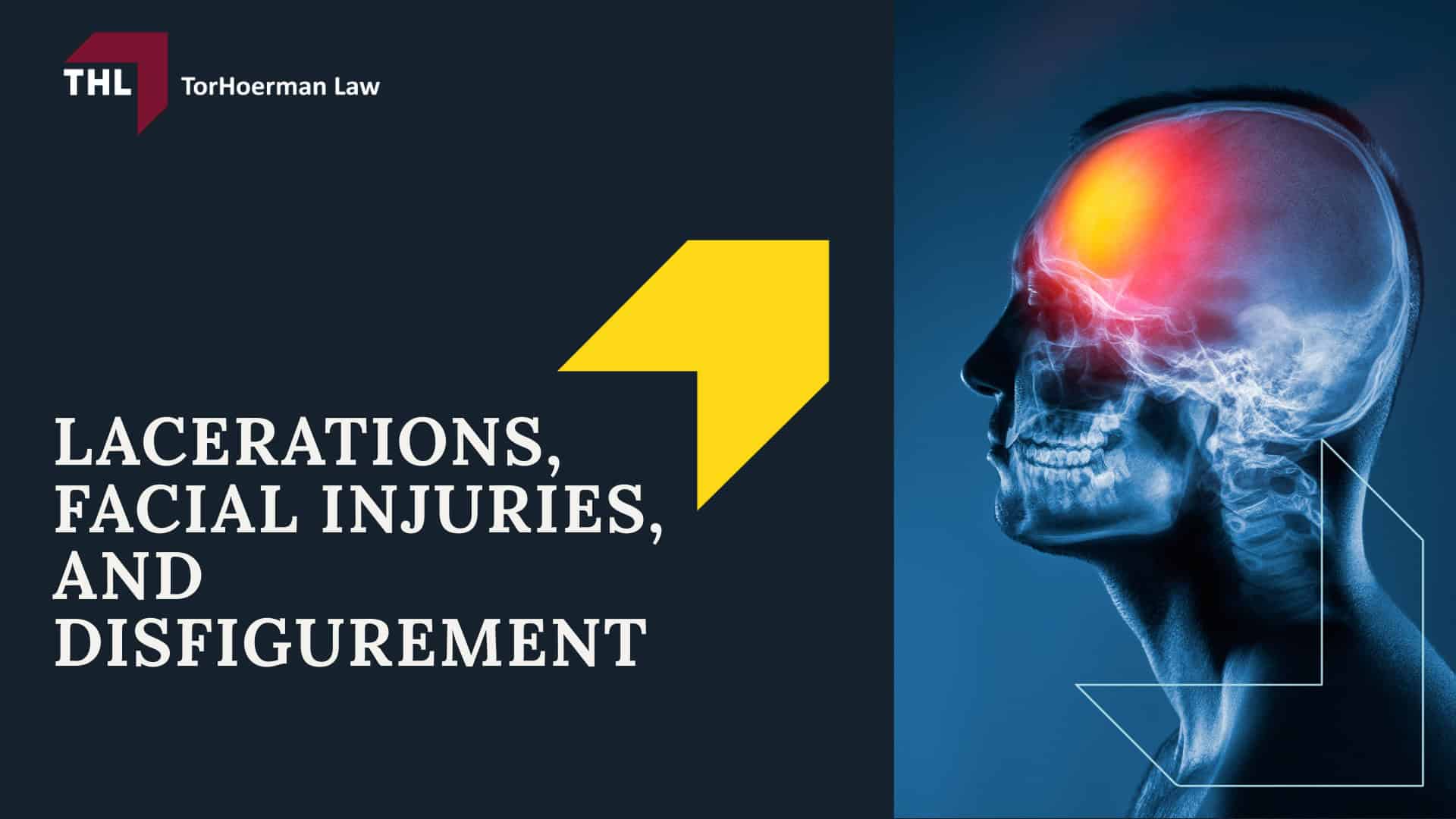
Lacerations, Facial Injuries, and Disfigurement

Truck crashes often produce sharp forces that drive broken glass, twisted metal, and roadway debris into the occupant compartment.

These impacts can cause deep cuts, facial trauma, and exposure of underlying tissue.

Lacerations from truck accidents can be medically dangerous due to rapid blood loss, nerve involvement, and infection risk.

Emergency treatment often focuses on bleeding control, wound cleaning, and structural repair.

Deep Cuts and Soft Tissue Damage

Truck accidents often cause deep lacerations when broken glass, metal intrusion, or crash debris penetrates the skin.

These injuries may extend through the skin, fat, and underlying muscle, depending on the force of impact.

Emergency treatment typically involves stitches, staples, or surgical repair to close the wound and control bleeding.

Severe lacerations may damage nearby nerves, resulting in numbness, reduced sensation, or loss of muscle control.

Open wounds from truck crash injuries carry a high risk of infection, especially when debris or contaminants enter the tissue.

Treatment may include wound cleaning, antibiotics, and follow-up care to support proper healing.

Facial Fractures and Dental Trauma

Facial injuries in truck accidents can include fractures of the jaw, cheekbones, nasal bones, or eye socket bones.

These fractures often occur when the face strikes the steering wheel, dashboard, or shattered vehicle components.

Diagnosis typically involves CT scans and physical examination to assess bone damage.

Treatment may require surgical fixation using plates or screws to restore facial structure and stability.

Dental trauma may include broken teeth, complete tooth loss, or jaw misalignment. These injuries may require reconstructive dental procedures, oral surgery, and long-term rehabilitation.

Permanent Scarring and Psychological Impact

Truck accident lacerations and facial injuries frequently result in permanent scarring. Scar tissue may affect facial appearance, skin flexibility, and nerve function.

Permanent disfigurement may also contribute to psychological effects such as anxiety, depression, or reduced self-confidence.

Amputations and Limb Loss

Amputations are among the most severe truck accident injuries and may occur when crushing forces damage limbs beyond medical repair.

High-impact collisions, vehicle intrusion, and rollover events can expose arms or legs to extreme compression or structural collapse.

Some amputations occur at the crash scene, while others become medically necessary later due to complications such as infection, nerve destruction, or loss of blood circulation.

Traumatic Amputation at the Crash Scene

Traumatic amputation refers to immediate limb loss caused by crushing forces during the collision.

This can occur when a limb is trapped between vehicle components or compressed by collapsing metal structures.

These injuries often involve extensive blood loss, nerve damage, and soft tissue destruction.

Emergency medical care focuses on stabilizing the patient and controlling hemorrhage before surgical treatment.

Surgical Amputation After Severe Injury

In some truck accident cases, doctors may need to perform surgical amputation when a limb is too severely damaged to heal.

This may occur when crushing injuries destroy blood vessels, cut off circulation, or cause extensive tissue damage.

Without adequate blood flow, the affected tissue can die, increasing the risk of serious infection.

Doctors evaluate blood circulation, nerve function, and the extent of tissue damage before making this decision.

Prosthetics and Lifelong Rehabilitation

Many individuals require prosthetic devices to restore limited limb function after amputation.

Prosthetics require custom fitting, adjustment, and periodic replacement over time.

Long-term rehabilitation often includes physical therapy, mobility training, and ongoing medical care.

Medical documentation may also assess permanent disability, reduced mobility, and the need for continued assistive support.

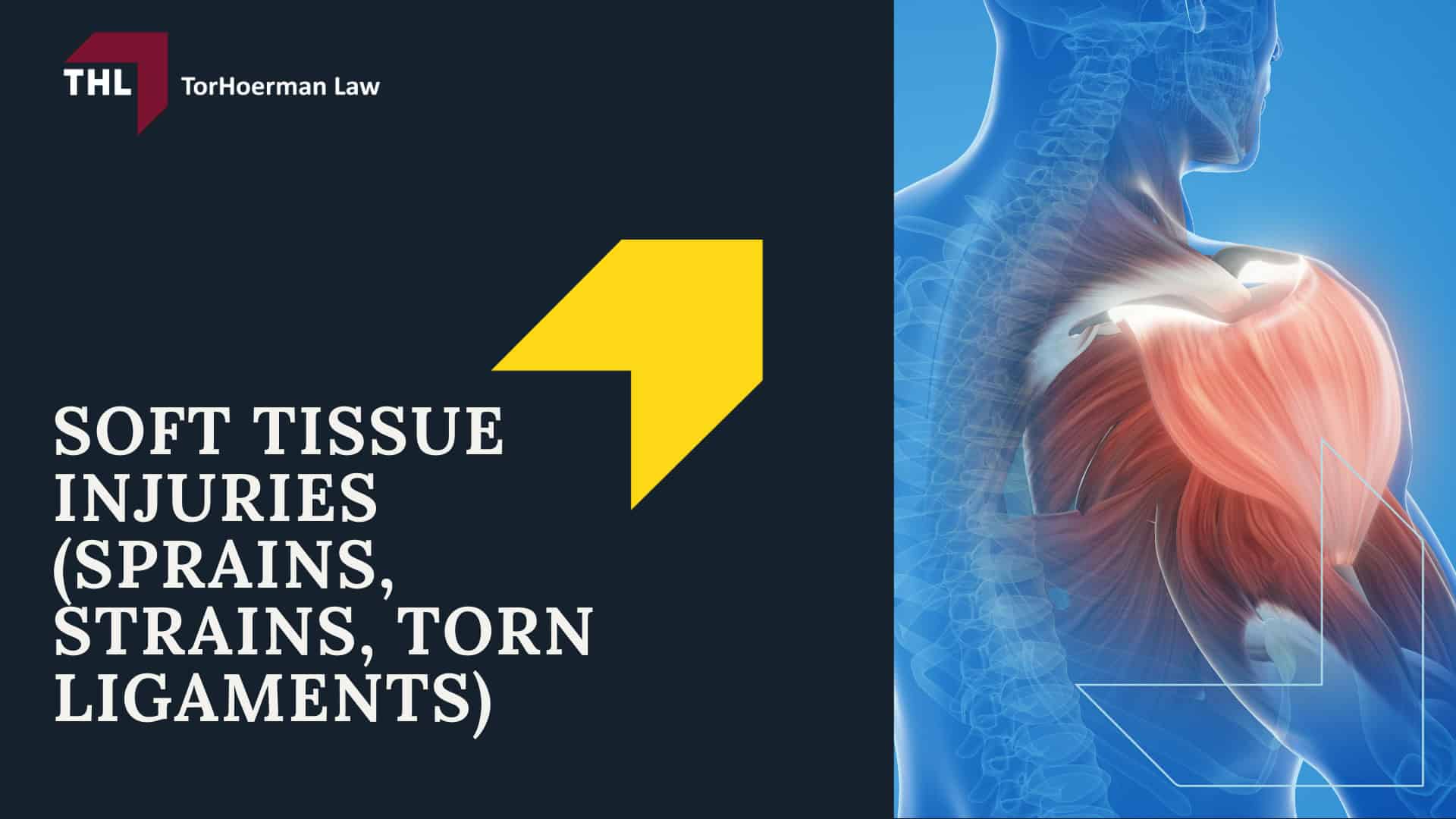
Soft Tissue Injuries (Sprains, Strains, Torn Ligaments)

Soft tissue injuries occur when crash forces stretch or tear muscles, ligaments, or tendons.

These injuries commonly affect the neck, back, shoulders, and knees.

Symptoms may include pain, stiffness, weakness, and reduced range of motion that can limit lifting, walking, or sustained movement.

Doctors diagnose these injuries through physical examination and may order MRI imaging or functional testing to identify ligament or tendon damage.

These injuries may not appear on early X rays because they affect muscles and ligaments rather than bone.

Doctors may use MRI imaging and physical examination findings to identify soft tissue damage.

Insurance companies may question these injuries when initial imaging does not show visible structural abnormalities.

Ongoing medical records, MRI findings, and rehabilitation documentation are often used to confirm the injury and document its effect on movement and physical function.

Torn Rotator Cuffs and Shoulder Injuries

Truck accidents can cause rotator cuff tears when the shoulder absorbs direct impact or when the arm is forcefully pulled during the collision.

This injury affects the group of tendons that stabilize the shoulder joint and allow controlled arm movement.

Individuals may experience reduced arm strength, limited range of motion, and pain when lifting, reaching, or performing overhead activities.

Treatment may include:

  • Physical therapy to restore strength and joint stability
  • Anti inflammatory medication or steroid injections
  • Surgical repair in cases involving complete tendon tears

Orthopedic records and imaging studies help confirm the severity of the injury.

Knee Injuries and Torn ACL/MCL

Knee ligament injuries often result from dashboard impact, sudden twisting, or force transmitted through the lower body.

These injuries can affect stability and weight bearing ability.

Medical evaluation may identify:

  • ACL or MCL ligament tears confirmed through MRI
  • Joint swelling, instability, or limited knee motion
  • Functional limitations affecting walking or standing

Severe ligament damage may require surgical reconstruction and structured rehabilitation.

Long-Term Joint Instability

Severe soft tissue injuries from a truck accident can weaken the ligaments that support a joint, reducing its ability to remain stable during movement.

This damage may cause the joint to shift abnormally, increasing the risk of repeated injury and long-term degeneration.

Individuals may experience persistent swelling, weakness, pain, and reduced control during walking, lifting, or other routine activities.

Treatment may include physical therapy to strengthen surrounding muscles, surgical stabilization when instability persists, and continued orthopedic care.

Psychological Injuries After a Truck Accident

Many victims of truck accidents experience psychological harm in addition to physical trauma.

Violent crashes, extended hospitalization, chronic pain, or permanent disability can significantly affect emotional stability.

These reactions are common injuries caused by severe collisions and may persist long after physical wounds begin to heal.

The emotional aftermath of a truck accident can linger for years, affecting the victim’s quality of life and daily functioning.

PTSD After a Serious Truck Crash

Many individuals injured in truck accidents may experience post-traumatic stress disorder.

PTSD symptoms can include flashbacks of the crash, recurring nightmares, panic attacks, and avoidance of driving or riding in vehicles.

Some victims also develop sleep disturbance, irritability, and heightened fear in traffic situations.

These symptoms can persist long after physical injuries begin to heal and may interfere with employment, relationships, and daily activities.

Support systems are crucial for the emotional recovery of truck accident victims, particularly when trauma-related symptoms remain ongoing.

Depression and Anxiety During Recovery

The recovery period can involve ongoing chronic pain, limited mobility, and financial stress from missed work.

Loss of independence and reduced ability to participate in normal activities may contribute to depression or persistent anxiety.

These conditions can interfere with daily functioning and relationships.

Psychological Treatment and Documentation

When psychological symptoms continue after the crash, victims may seek counseling, psychiatric evaluation, or medication to manage anxiety, depression, or post-traumatic stress disorder.

Treatment can extend for months or years depending on symptom severity and response to care.

In a truck accident claim, therapy records, formal psychiatric diagnoses, and documented medication history may be reviewed to establish when the condition began, how it progressed, and the extent to which it affects the victim’s daily functioning.

Wrongful Death and Fatal Truck Accident Injuries

Truck accidents are more likely to result in death than other vehicle collisions due to the size and weight of commercial vehicles.

Federal crash data shows that occupants of smaller vehicles, pedestrians, and motorcyclists account for a large share of deaths in truck related fatal crashes.

These groups face greater exposure to direct impact forces and crushing injuries.

Passenger vehicles provide limited structural protection, while pedestrians and motorcyclists lack external protection entirely.

Common Fatal Injuries in Truck Accidents

Fatal truck accident injuries often involve catastrophic damage to vital organs and body systems.

These injuries may include:

  • Severe traumatic brain injuries resulting in irreversible brain damage
  • Internal bleeding causing rapid blood loss and organ failure
  • Spinal cord severing, leading to immediate loss of neurological function
  • Multiple blunt force injuries affecting the chest, abdomen, and skeletal structure

When a Fatal Injury Leads to a Wrongful Death Claim

A wrongful death claim may arise when a person dies as a result of injuries sustained in a truck accident.

This type of claim is brought by surviving family members when medical evidence and crash investigation findings show that the injuries from the collision caused the death.

These claims address losses related to the death, including loss of financial support and the impact on the family.

Supporting evidence may include medical records, autopsy reports, and official crash investigation findings that document the cause of death.

To establish wrongful death, evidence must show that:

  • A duty of care existed, such as a driver’s obligation to operate the vehicle safely
  • That duty was breached through unsafe conduct or regulatory violations
  • The breach directly caused the fatal injury, supported by medical documentation
  • The death resulted in measurable financial losses and loss of support

In addition to wrongful death, a survival action may also arise.

This claim addresses the injury, medical treatment, and physical harm the person experienced between the crash and death, based on hospital records, physician notes, and treatment timelines.

Medical Treatment and Documentation After a Truck Accident

Medical treatment after a truck accident addresses the injury and creates a medical record documenting the person’s condition from the time of the crash.

Emergency room records typically include reported symptoms, physical examination findings, and the physician’s initial diagnosis.

These records help establish the presence of injury shortly after the collision.

Doctors may order diagnostic imaging such as CT scans, MRI studies, or X rays to identify fractures, internal bleeding, spinal damage, or head injuries.

These imaging reports provide objective medical evidence and confirm the location and severity of structural injury.

When injuries involve the spine, brain, joints, or internal organs, patients may be referred to specialists such as orthopedic surgeons or neurologists.

These specialists review imaging results, confirm diagnoses, and document treatment recommendations, including surgery, rehabilitation, or ongoing care.

Rehabilitation and follow up records also document recovery and functional limitations.

These may include:

  • Physical therapy records showing mobility restrictions and improvement
  • Rehabilitation notes describing strength, coordination, and pain levels
  • Physician follow up records confirming ongoing symptoms and treatment response

These records establish the progression of the injury, treatment provided, and the extent of recovery or permanent impairment.

How Truck Accident Injuries Affect Compensation Claims

Severe truck accident injuries often increase the value of a claim because they require extended treatment and may limit a person’s ability to work.

Compensation depends on documented losses, insurance coverage, and state law.

  • Economic damages: emergency treatment, hospital care, surgery, rehabilitation, future medical care, lost wages, reduced earning capacity, and property damage.
  • Non-economic damages: physical pain, emotional suffering, loss of enjoyment of life, and loss of consortium.

Medical Expenses and Long-Term Care Costs

Truck accident injuries often require immediate medical treatment followed by continued care over time.

Medical expenses may begin at the time of emergency treatment and continue through recovery and rehabilitation.

Common medical expenses may include:

  • Emergency room treatment, hospitalization, and surgical procedures
  • Diagnostic imaging such as CT scans, MRI studies, and X rays to evaluate injury severity
  • Physical therapy and rehabilitation to restore strength, mobility, and function
  • Follow-up visits with specialists such as orthopedic surgeons or neurologists
  • Prescription medications to manage pain, inflammation, or neurological symptoms

Long-term care may be required when injuries result in permanent impairment or ongoing medical needs.

This may include:

  • Assistive devices such as wheelchairs, braces, or mobility supports
  • Continued rehabilitation and pain management treatment
  • Periodic imaging and medical evaluations to monitor recovery or complications
  • In-home care or assistance with daily activities in severe cases

Lost Income and Reduced Ability to Work

Truck accident injuries can require extended time away from work.

Some individuals are unable to return to physically demanding jobs due to disability or permanent restrictions.

Claims may include lost wages and reduced earning capacity when medical evidence shows lasting work limitations.

Pain, Suffering, and Loss of Quality of Life

Compensation may include chronic pain, permanent physical limits, and reduced independence.

Non-economic damages also address emotional and psychological harm tied to the crash.

Truck accidents can cause significant emotional trauma for victims and their families.

Many people face not only physical injuries but also psychological injuries that can interfere with daily functioning.

Some individuals develop post-traumatic stress disorder, anxiety, or depression.

The emotional aftermath can last for years and affect sleep, concentration, relationships, and overall quality of life.

Counseling, psychiatric care, and documented treatment records may become relevant in evaluating these damages.

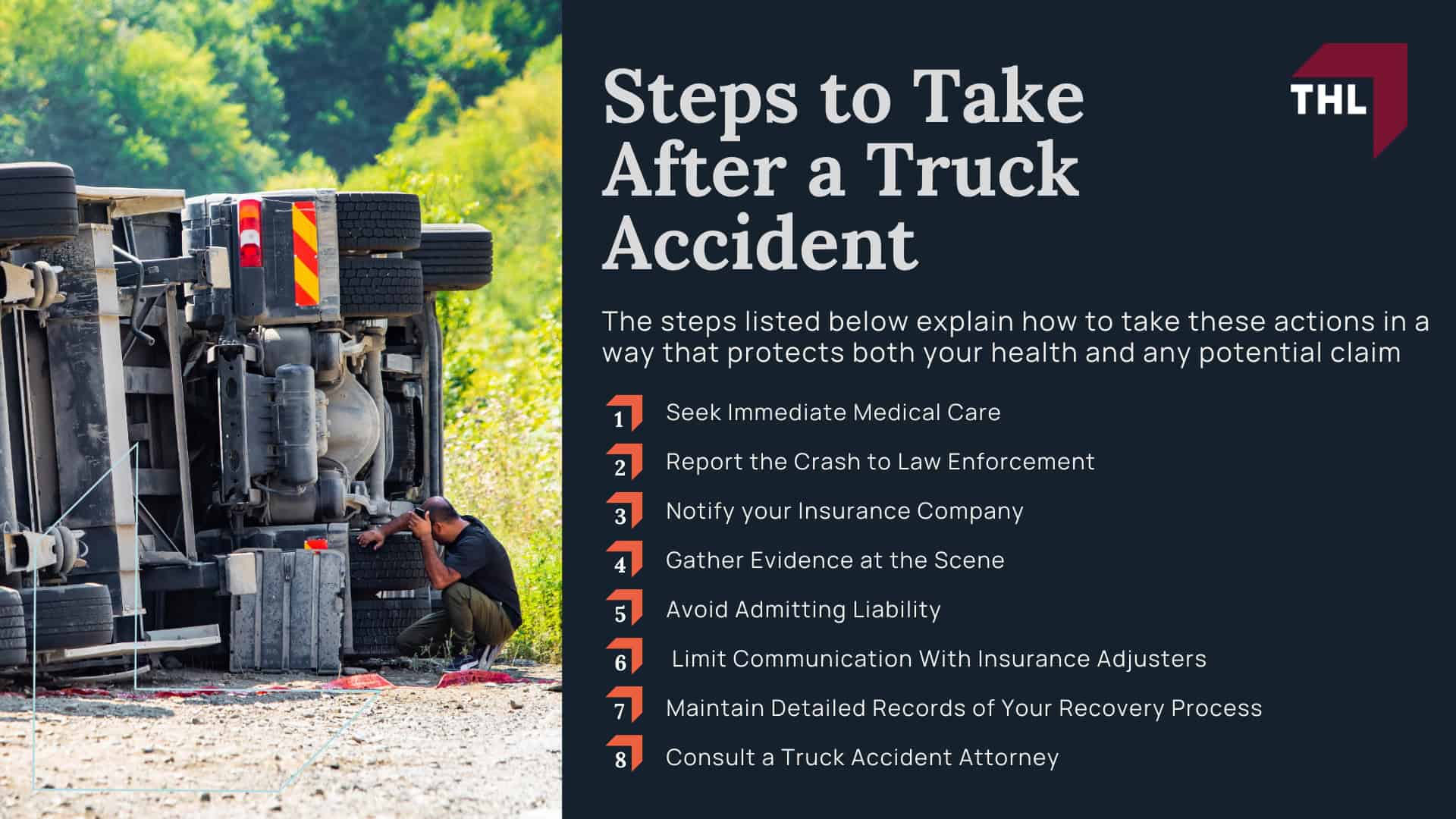
Steps to Take After a Truck Accident

After a truck accident, seeking compensation for truck accident injuries typically involves promptly obtaining medical records, making sure the crash is reported to police, and speaking with a personal injury attorney.

The steps listed below explain how to take these actions in a way that protects both your health and any potential claim.

1. Seek Immediate Medical Care

You should seek medical attention as soon as possible after a truck accident, even if your injuries seem minor at first.

Prompt evaluation creates medical records that connect your injuries directly to the collision and may detect internal injuries, concussions, or fractures that are not immediately visible.

2. Report the Crash to Law Enforcement

Contact law enforcement so that officers can prepare an official accident report.

This report typically documents vehicle positions, roadway conditions, driver statements, and witness accounts, all of which can become important evidence in injury claims.

3. Notify your Insurance Company

Report the accident to your insurance company within the time required by your policy.

Share basic facts about when and where the crash occurred, but avoid admitting fault and giving detailed statements before you understand your injuries.

Insurance companies may try to reduce what they pay on a claim.

Truck accident cases often involve negotiating with insurers, and if an agreement cannot be reached, a personal injury lawsuit may be filed.

5. Gather Evidence at the Scene

Document the accident scene before vehicles are repositioned or debris is removed.

Take clear photographs of vehicle damage, skid marks, cargo spills, traffic signals, and surrounding roadway conditions, and collect witness contact information so that their accounts can be verified later.

6. Avoid Admitting Liability

You should avoid admitting liability or speculating about fault when speaking with other drivers, or police officers.

Statements made shortly after a crash may later be interpreted as admissions and could affect how fault is assessed.

7. Limit Communication With Insurance Adjusters

It is generally advisable to avoid speaking with insurance adjusters immediately after the accident without understanding your legal position.

Adjusters may request recorded statements or ask questions designed to minimize payouts, and early statements can later be used to dispute liability or reduce compensation.

8. Maintain Detailed Records of Your Recovery Process

Keep a detailed record of your recovery, including medical treatment, symptoms, and related expenses, to strengthen your claim.

Save discharge papers, imaging reports, prescription records, and therapy notes.

Track changes in pain levels, mobility limits, and days missed from work, and keep receipts for hospital bills, medications, rehabilitation, and transportation costs.

9. Consult a Truck Accident Attorney

Truck accidents often involve commercial insurance policies and multiple potentially responsible parties.

An attorney can evaluate liability, preserve evidence, and coordinate communications with insurers while pursuing maximum compensation based on documented injuries and verified losses.

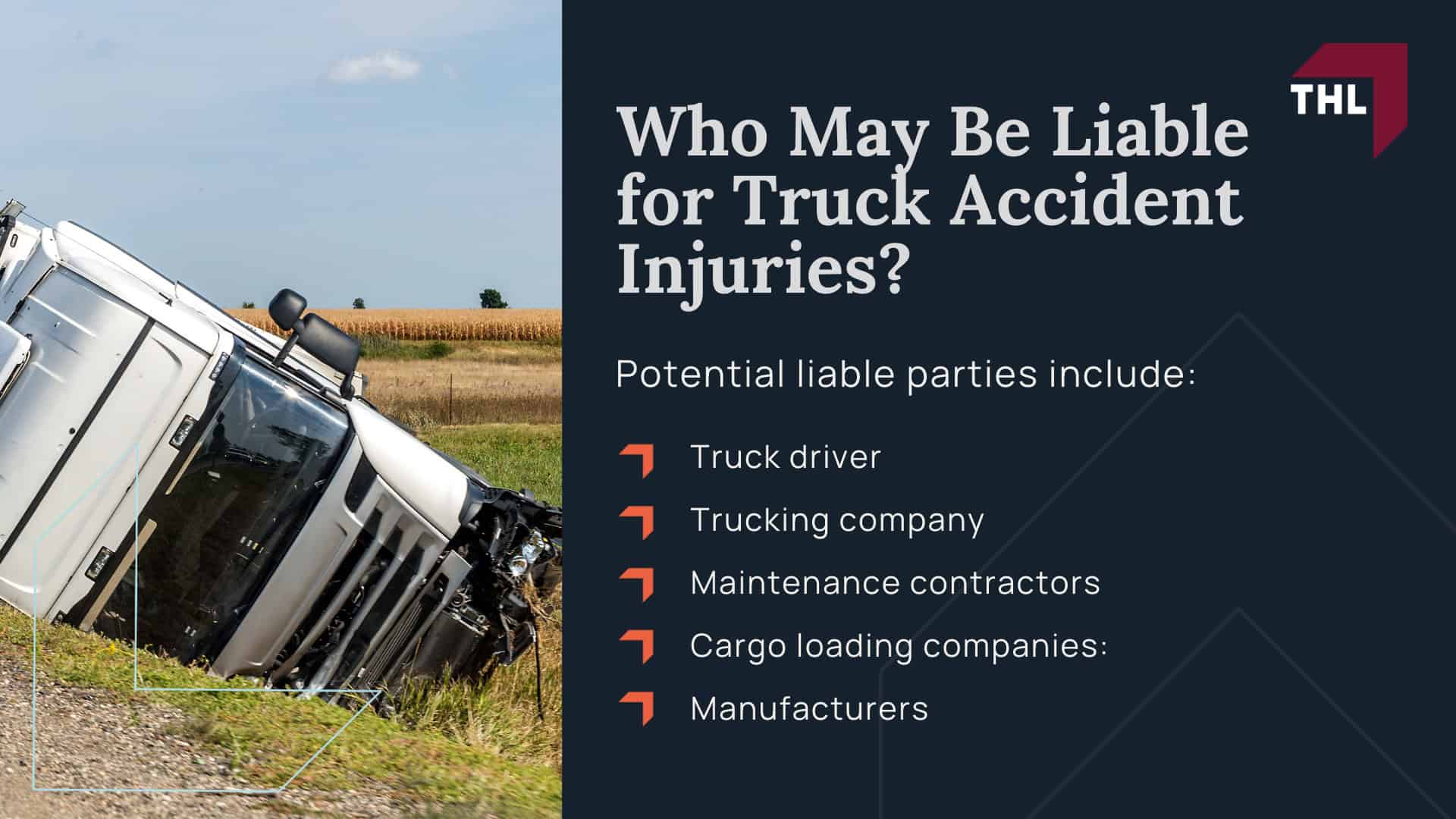
Who May Be Liable for Truck Accident Injuries?

Liability in truck accident cases often involves more than just the driver.

Commercial trucking operations include multiple parties responsible for vehicle operation, maintenance, and safety compliance.

Identifying the responsible parties is necessary to pursue compensation based on documented evidence, regulatory violations, and the specific factors that caused or contributed to the crash.

Potential liable parties include:

  • Truck driver: A driver may be liable for speeding, distracted driving, or violating hours-of-service regulations. Driver logs, electronic data, and crash reports may be reviewed.
  • Trucking company: Employers may be responsible for unsafe hiring, inadequate training, or failure to enforce safety and inspection requirements.
  • Maintenance contractors: Third-party maintenance providers may be liable if improper inspection or repair contributed to brake failure, tire blowouts, or mechanical malfunction.
  • Cargo loading companies: Improperly secured or overloaded cargo can cause rollovers or loss of vehicle control, creating liability for loading contractors.
  • Manufacturers: Defective brakes, tires, or steering components may contribute to crashes, and product defect analysis may identify manufacturer responsibility.

TorHoerman Law: Talk to An Experienced Truck Accident Lawyer

Truck accident injuries often involve multiple liable parties, including trucking companies, drivers, maintenance providers, and commercial insurers.

These claims frequently involve high-value insurance policies, and proving liability depends on preserved evidence such as driver logs, black box data, and maintenance records.

Our experienced personal injury lawyers represent truck accident victims and act quickly to secure operational records before they are lost or overwritten.

Early legal involvement helps preserve evidence necessary to establish fault and document injuries and property damage.

Our law firm has won more than $4 billion in verdicts and settlements for our clients.

TorHoerman Law offers free consultations and represents clients on a contingency fee basis, meaning legal fees are not charged unless compensation is recovered.

Frequently Asked Questions

Written By:
Picture of Tor Hoerman

Tor Hoerman

Owner & Attorney - TorHoerman Law

Do You
Have A Case?

Here, at TorHoerman Law, we’re committed to helping victims get the justice they deserve.

Since 2009, we have successfully collected over $4 Billion in verdicts and settlements on behalf of injured individuals.

Would you like our help?

About TorHoerman Law

At TorHoerman Law, we believe that if we continue to focus on the people that we represent, and continue to be true to the people that we are – justice will always be served.

Do you believe you’re entitled to compensation?

Use our Instant Case Evaluator to find out in as little as 60 seconds!

$20 Million
Toxic Tort Injury

In this case, we were able to successfully recover $20 Million for our client after they suffered a Toxic Tort Injury due to chemical exposure.

$103.8 Million
COX-2 Inhibitors Injury

In this case, we were able to successfully recover $103.8 Million for our client after they suffered a COX-2 Inhibitors Injury.

$4 Million
Traumatic Brain Injury

In this case, we were able to successfully recover $4 Million for our client after they suffered a Traumatic Brain Injury while at daycare.

$2.8 Million
Defective Heart Device

In this case, we were able to successfully recover $2.8 Million for our client after they suffered an injury due to a Defective Heart Device.

Guides & Resources
Do You
Have A Case?

Here, at TorHoerman Law, we’re committed to helping victims get the justice they deserve.

Since 2009, we have successfully collected over $4 Billion in verdicts and settlements on behalf of injured individuals.

Would you like our help?

Share

Related Guides

What Our Clients Have To Say