Active Litigation
Vaginal Mesh Lawsuit Facts
TorHoerman Law is actively accepting claims for the Vaginal Mesh Lawsuit.

American Medical Systems, a prominent manufacturer of medical devices, has been a key defendant in numerous transvaginal mesh lawsuits filed by women who suffered complications from their mesh products.
These lawsuits allege that American Medical Systems failed to adequately test their transvaginal mesh devices and did not sufficiently warn patients and healthcare providers about potential risks.
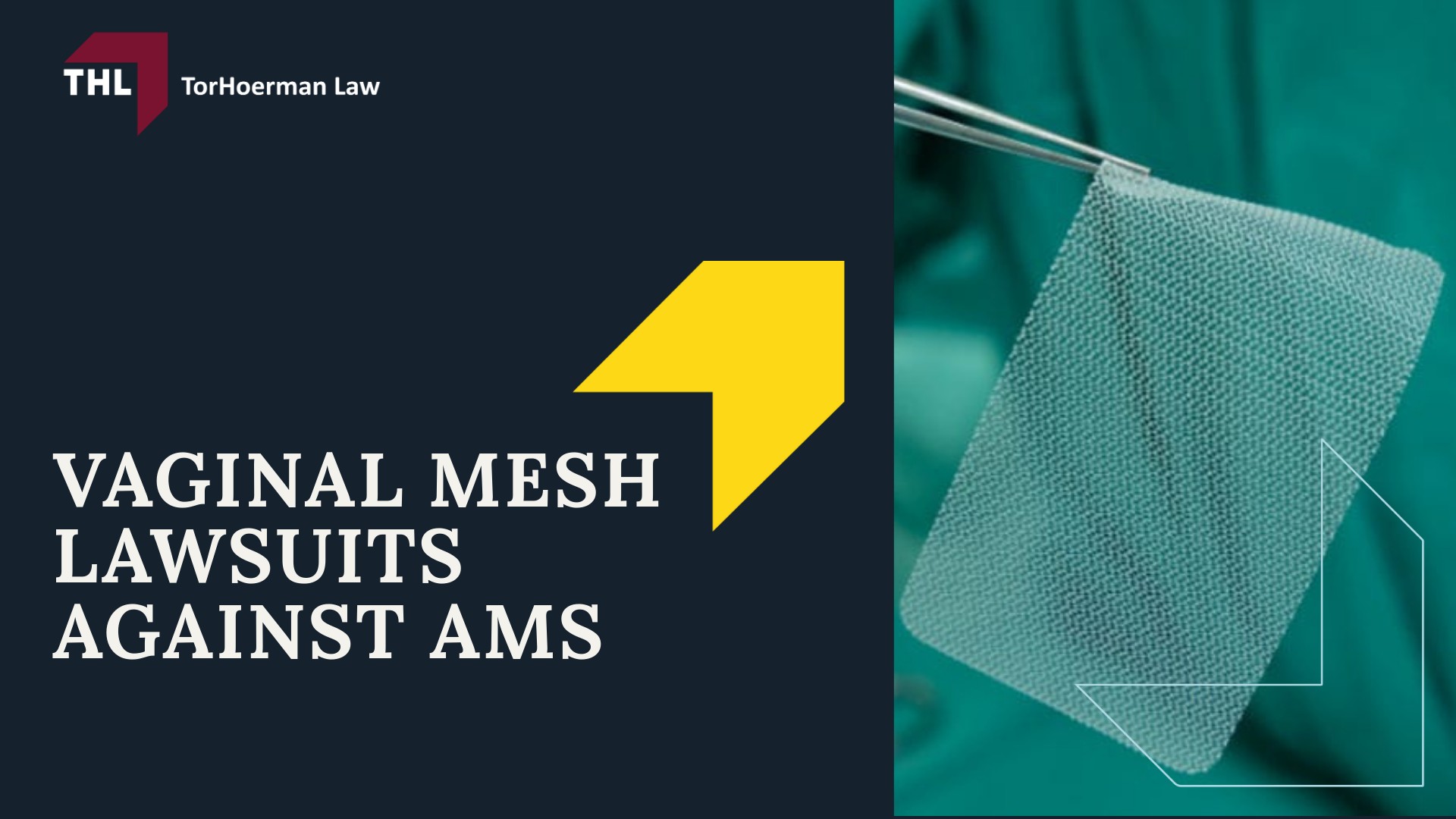
The legal actions have highlighted significant health issues, including severe pain and mesh erosion, linked to the use of these pelvic mesh implants.
As a result, American Medical Systems has faced substantial legal scrutiny and financial settlements, reflecting the broader concerns about the safety of transvaginal mesh in medical treatments.
A transvaginal mesh implant is a medical device designed to address certain pelvic floor conditions.
This surgical mesh was used to treat pelvic organ prolapse (POP) and stress urinary incontinence (SUI).
Pelvic organ prolapse occurs when the muscles and tissues that support the pelvic organs weaken or stretch, leading to the descent of pelvic organs.
This condition usually occurs after pregnancy or during menopause.
Stress urinary incontinence involves involuntary urine leakage during activities that put pressure on the bladder, such as coughing, sneezing, or exercising.
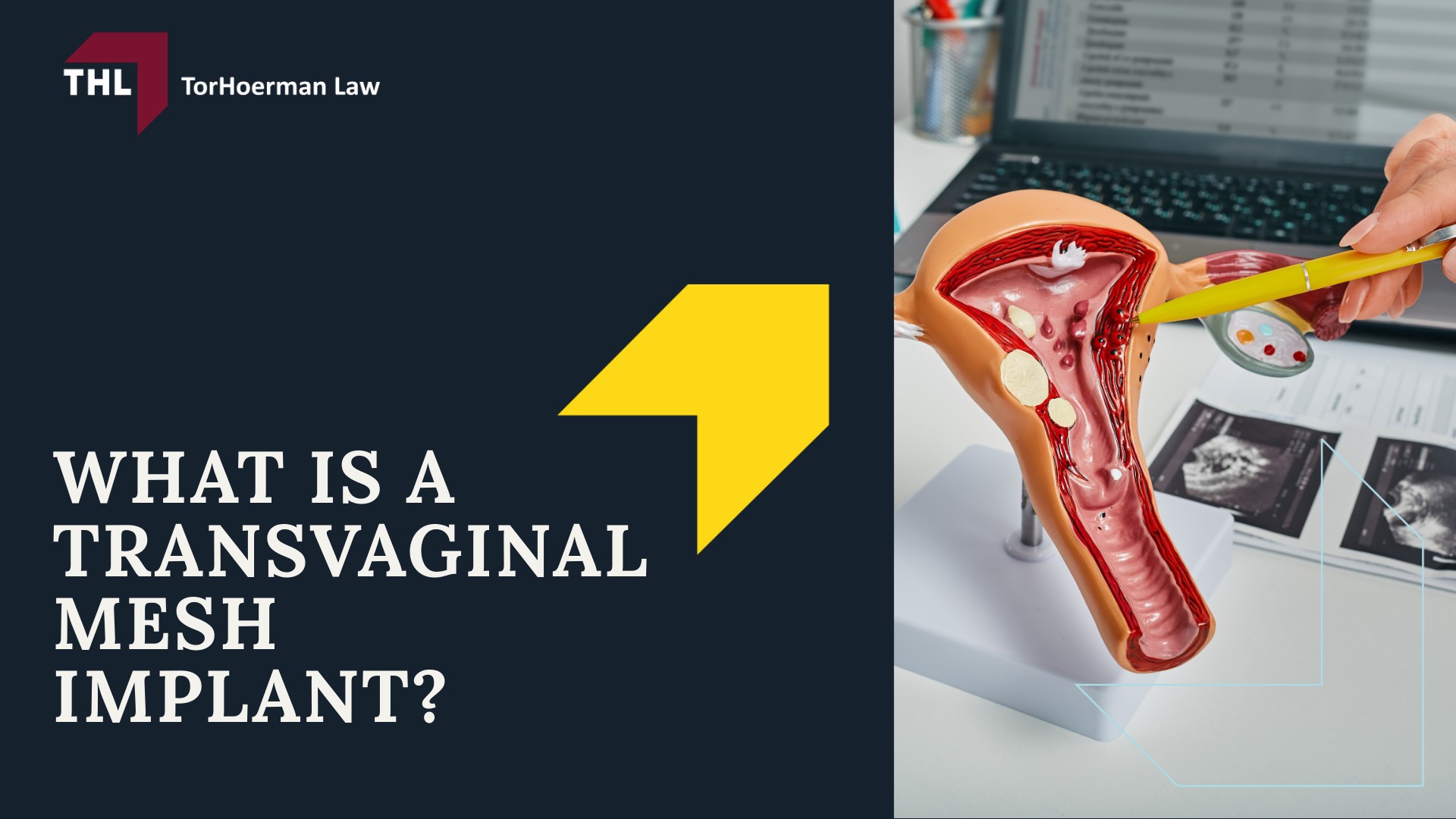
Transvaginal mesh implants are surgically implanted to provide additional support to the weakened pelvic tissues.
The mesh, typically made of synthetic materials like polypropylene, is designed to reinforce the vaginal wall and support the pelvic organs, preventing them from descending and alleviating symptoms.
The use of transvaginal mesh was initially considered a promising and permanent solution for women experiencing the debilitating effects of pelvic organ prolapse and stress urinary incontinence.
However, numerous studies are showing otherwise.
American Medical Systems is a subsidiary of Endo Pharmaceutical.
As a prominent medical device company, AMS has provided medical device solutions centered around urinary incontinence, erectile dysfunction, and other pelvic floor conditions for men and women.
Like most involved manufacturers, AMS faced a surge of lawsuits regarding its vaginal mesh implants since the early 2000s when the first reports of complications surfaced.
Plaintiffs alleged that AMS failed to adequately warn medical providers and patients about the potential risks associated with its products, leading to severe physical and emotional distress.
In 2014, AMS was the first company to pay $830 million to settle 20,000 claims.
Reports also show that the company has set aside $775 million to settle another 22,000 claims in August 2017.
Because of the serious complications and the escalating concerns over the safety of the vaginal mesh implant, the Food and Drug Administration (FDA) ordered an effective ban on manufacturing, distributing, and selling these implants in 2019.
This ban marked a significant development in the ongoing legal movement and catalyzed more women to pursue legal action against the manufacturers.
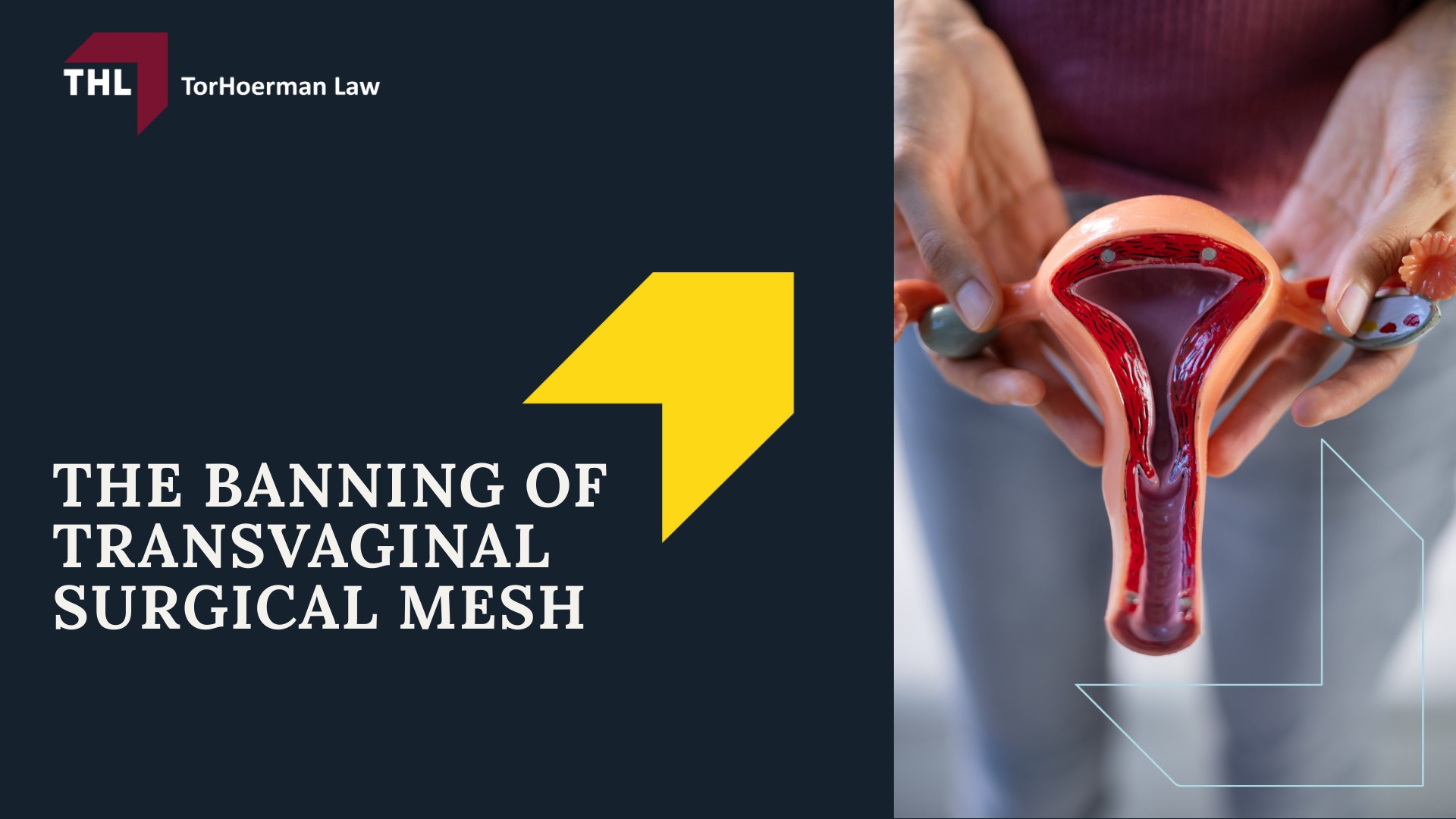
Today, the FDA continues its initiative to uphold the ban and learn more about the controversial medical device.
The agency is conducting various postmarket surveillance studies on different pelvic mesh implant manufacturers.
All seven major MDLs consolidated by the Judicial Panel on Multidistrict Litigation (JPML) at the early stages of the issue have now been settled, including those AMS faced.
However, the legal battle is far from over.

There are still numerous women who are suffering from injuries due to these surgical implants.
If you’re in such a situation, our legal team can help you determine if you have a case.
The use of vaginal mesh in medical procedures, intended to treat pelvic conditions, has led to unanticipated consequences for many patients.
These adverse outcomes have significantly impacted the quality of life and overall health of individuals who underwent such treatments.
The widespread reports of negative experiences following vaginal mesh implantation have prompted a reevaluation of its safety and efficacy in the medical community.
The severity and variety of issues associated with vaginal mesh have also led to a substantial number of legal actions against manufacturers.
Additionally, these complications have necessitated further medical interventions, often involving complex and repeated procedures.
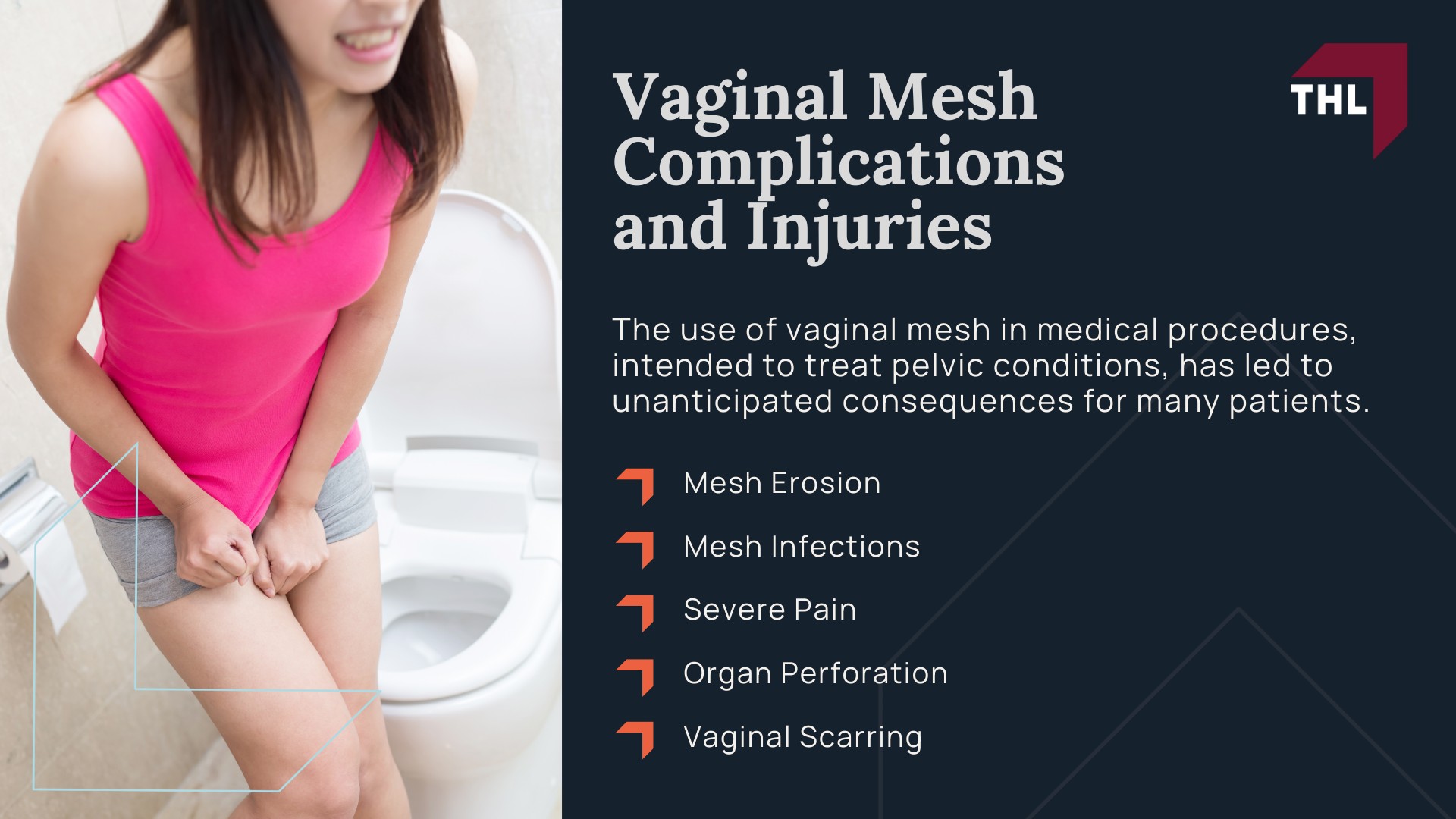
Mesh erosion, also known as mesh exposure or protrusion, occurs when the implanted mesh starts to push through the vaginal wall, causing a range of complications.
This condition can lead to chronic pain, discomfort, and various other issues, often necessitating additional surgical interventions.
The primary cause of mesh erosion is the synthetic nature of the mesh material.
Over time, the mesh may erode through the vaginal tissue, leading to the exposure of the mesh in the vaginal canal.
The erosion can also result from poor surgical technique, incorrect placement of the mesh, or a design flaw in the mesh product itself.
Complete or partial mesh removal is often necessary to alleviate symptoms and prevent further complications.
In some cases, doctors might require reconstructive surgery to repair the damaged vaginal tissues and provide support without the use of mesh.
Infections related to transvaginal mesh implants can be severe and lead to a range of health issues.
The implantation of a foreign device increases the risk of bacterial colonization, which, if left untreated, can result in persistent infections.
Infections can develop during or after the implantation procedure, and factors such as compromised immune systems, poor surgical hygiene, or pre-existing conditions can contribute to the development of infections.
Depending on the type and severity of the infection, the doctor might recommend antibiotic therapy to eliminate the bacterial infection.
Surgical mesh removal may be necessary to address the source of severe or persistent infections.
Severe and chronic pain is one of the most commonly reported complications associated with transvaginal mesh implants.
Pain can significantly impact a woman’s quality of life, affecting daily activities, relationships, and overall well-being.
The pain may be localized in the pelvic area or radiate to other body parts.
Various pain management strategies, including medications, physical therapy, and lifestyle modifications, may be recommended to alleviate pain symptoms.
Removing the mesh may be a viable treatment option in cases where the pain is unbearable and long-lasting.
Organ perforation occurs when the implanted mesh erodes through the vaginal wall or adjacent organs, leading to internal injuries.
This complication is life-threatening and requires immediate medical attention.
Immediate surgical intervention is typically required to repair the perforation and remove displaced mesh.
Surgeons may need to repair the damaged tissues and ensure the affected organs function correctly.
Moreover, patients who have experienced organ perforation may require ongoing monitoring to detect and address any long-term complications.
Vaginal scarring occurs when scar tissue forms around the implanted mesh, leading to discomfort, pain, and potential complications during sexual intercourse.
The presence of mesh can trigger an inflammatory response, leading to the formation of scar tissue.
Like with most of the complications mentioned, complete mesh removal is necessary to prevent vaginal scarring.
Your healthcare provider may recommend physical therapy techniques, such as pelvic floor therapy, to alleviate symptoms associated with scarring.
Addressing pain and discomfort may involve medications or other symptomatic treatments.
Women who received transvaginal mesh implants have reported various other complications.
These may include:
While we focus on American Medical Systems (AMS), we must recognize that several other manufacturers have faced legal challenges related to their transvaginal mesh products.
Other transvaginal mesh manufacturers named in lawsuits include:
Boston Scientific Corp. is a global medical technology company that develops and manufactures various medical devices.
It is known for contributing to various medical fields, including urology, cardiology, and gastroenterology.
Boston Scientific Corp. has faced legal challenges related to its transvaginal mesh products.
In 2015, the company settled 3,000 product lawsuits for $119 million.
In 2018, Boston Scientific paid $189 million to 47 states and Washington D.C. for cases regarding its vaginal mesh implants.
The plaintiffs claimed to have experienced complications such as mesh erosion, infections, and severe pain due to the use of Boston Scientific Corp.’s transvaginal mesh.
The legal actions against Boston Scientific are somewhat similar to AMS with its complications and lack of disclosures.
Coloplast is a Danish multinational company specializing in the development and manufacturing of medical devices, including products related to ostomy care, continence care, and wound care.
Coloplast has also been involved in transvaginal mesh lawsuits.
Like other manufacturers, lawsuits against Coloplast alleged that its mesh products have defective designs and that the company failed to warn about potential risks adequately.
In 2014, the company settled 400 vaginal mesh lawsuits for $16 million.
C.R. Bard, now a subsidiary of Becton, Dickinson, and Company (BD), is a multinational medical technology company specializing in developing and manufacturing medical devices.
Women who received C.R. Bard’s transvaginal mesh reported complications such as mesh erosion, infections, and severe pain.
C.R. Bard faced legal consequences related to its transvaginal mesh products.
During the early stages of the MDL, the company paid $200 million to resolve 3,000 cases.
The company did the same in 2020, settling for $60 million in 48 states and Washington D.C.
Ethicon, a subsidiary of Johnson & Johnson, is a global medical device company that produces a wide range of products, including surgical devices, wound-tending products, and women’s health solutions.
Allegations against the company included claims of negligence, design defects, and failure to warn about the potential risks associated with its mesh implants.
Ethicon faced its first trial regarding its defective vaginal mesh products in 2013 — it settled for $11 million.
In 2020, the company paid another hefty sum of nearly $10 million for violating the Kentucky Consumer Protection Act.
The state leaders stated that the company failed to disclose the risks associated with the mesh implantation.
Neomedic is a medical device company specializing in pelvic health products, including solutions for pelvic organ prolapse and urinary incontinence.
Like most primary manufacturers in this case, Neomedic was accused of improper disclosures and product defects.
Not much is known about the cases the company resolved through settlement, as most were confidential.
However, the company’s following products are banned in the country:
The legal actions against these manufacturers emphasize the need for rigorous testing and continuous monitoring of the safety and efficacy of medical devices.
Despite the resolution of many transvaginal mesh lawsuits, individuals who have suffered complications from these implants might still question their ability to seek legal action.
The good news is that the opportunity to file a lawsuit against the manufacturers of these medical devices remains open.
It is important to note, however, that not every case automatically qualifies for legal action.
The eligibility to file a lawsuit depends on various factors, such as the specific type of mesh implant used, the nature and severity of the complications experienced, the timeframe of the implantation and subsequent issues, and the adherence to the statute of limitations.
Potential claimants should consult with a specialized attorney experienced in transvaginal mesh litigation to evaluate their case’s merits and determine the feasibility of pursuing legal action.
This consultation typically involves a thorough review of medical records, the implant’s details, and the overall impact of the complications on the individual’s life.
This careful assessment is crucial to ensure that the case falls within the legal framework and has a viable chance of success.
To qualify for a vaginal mesh lawsuit, individuals typically need to demonstrate that they suffered injuries or complications directly resulting from the use of a transvaginal mesh implant.
The key factors that may strengthen a case include the following:
Strengthening a transvaginal mesh lawsuit requires gathering relevant evidence.
Here are some types of evidence you might need to file your vaginal mesh case:
The damages that individuals may be entitled to in a transvaginal mesh lawsuit can vary.
Compensation typically includes medical expenses related to treating complications, lost wages due to time off work, pain and suffering, emotional distress, and, in cases of severe harm, punitive damages.

Consulting with an experienced attorney is crucial to understanding the potential damages specific to an individual case.
Finding the right lawyer is critical for individuals considering a transvaginal mesh lawsuit.
Here are some key factors you should look for in a legal representative:
The transvaginal mesh lawsuits against American Medical Systems and other manufacturers underscore the severe consequences of medical device complications.
The stories of women who have experienced pain, suffering, and long-term health issues serve as a reminder of the importance of prioritizing patient safety in the development and marketing of medical products.
It is crucial for affected individuals to seek the support of experienced attorneys.
If you or a loved one have suffered from transvaginal mesh complications or injuries, you may be eligible to file a lawsuit and seek compensation.
Contact us now or use our chatbot to find out if you qualify for the transvaginal mesh lawsuit instantly.


