Ethicon became a central target in national litigation involving vaginal and pelvic mesh products implanted to treat stress urinary incontinence (SUI) and pelvic organ prolapse (POP).
Many of these transvaginal mesh cases focused on devices made with polypropylene mesh, which was intended to reinforce weakened pelvic support structures.
Plaintiffs in the vaginal mesh case against Ethicon commonly alleged that this material could interact poorly with vaginal tissue over time, contributing to inflammation, erosion or exposure, pain, and other complications.
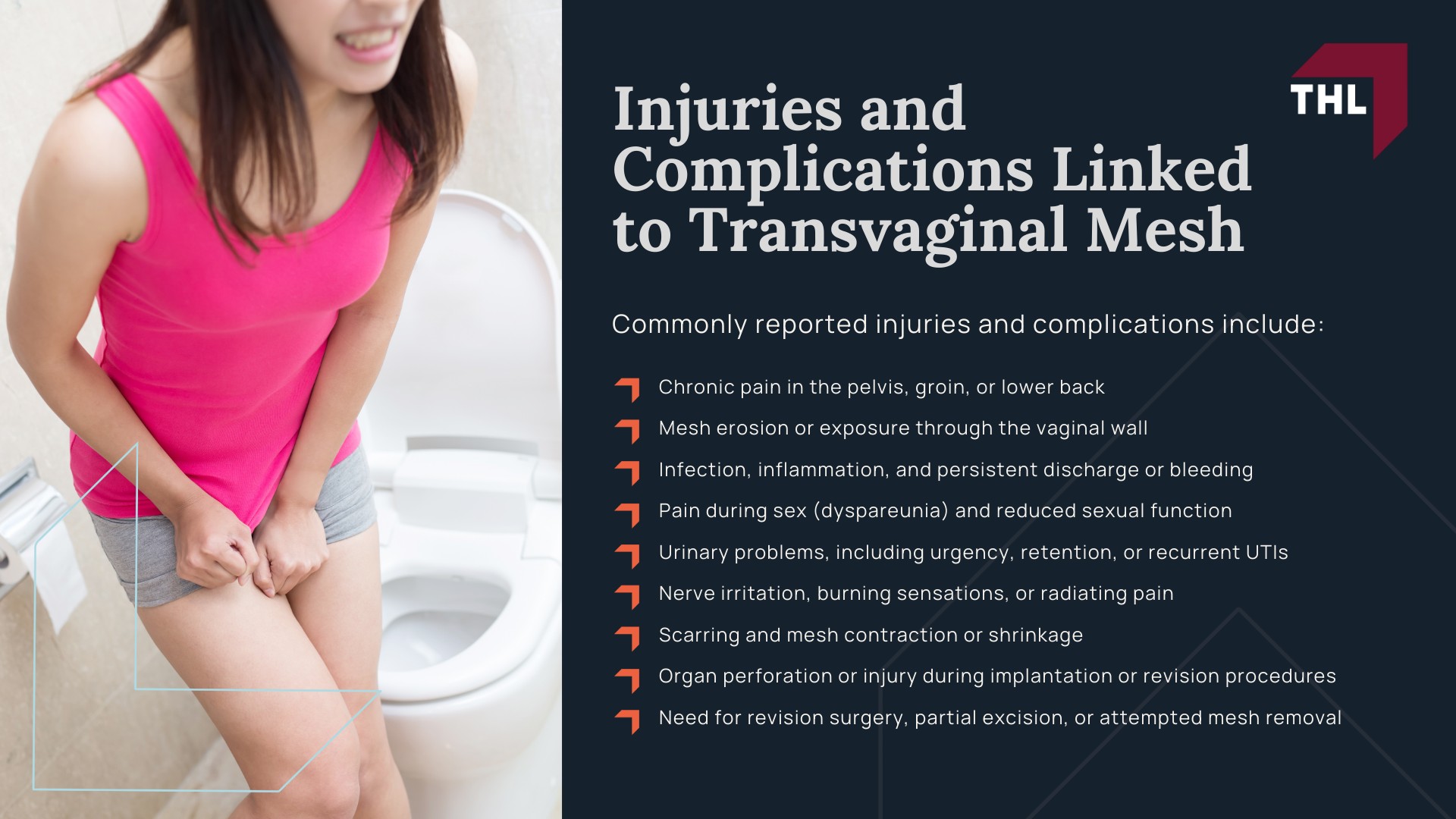
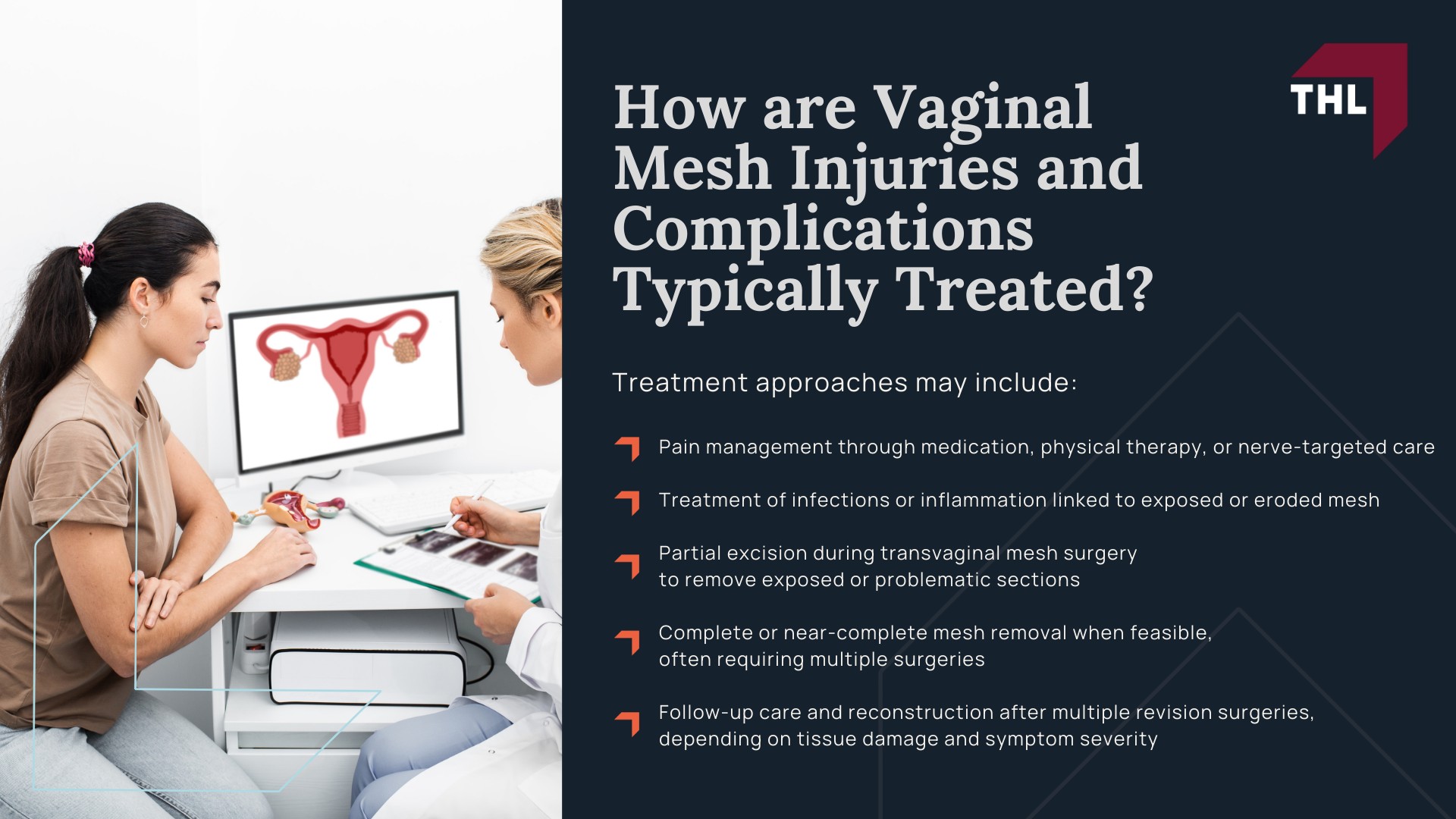
Reported vaginal mesh injuries often included chronic pelvic pain, painful intercourse, infections, urinary problems, bleeding, scarring, and repeat surgeries intended to revise or remove implanted mesh.
Because symptoms can emerge gradually, many claims turned on medical documentation that showed how complications developed, how the device was identified, and what treatment was required.
Ethicon was named in federal multidistrict litigation (MDL) proceedings that coordinated many of these cases in one court for pretrial management.
That MDL is now terminated, but lawyers are still investigating individual cases against the company because the injuries and alleged failure-to-warn or design issues can remain fact-intensive long after implantation.
For many patients, the key question is whether the records show a specific Ethicon device and a complication pattern consistent with the injuries described in prior litigation.

Developments in vaginal mesh lawsuits against Ethicon:
- Ethicon pelvic mesh lawsuits were centralized in federal multidistrict litigation (MDL No. 2327) in the Southern District of West Virginia to coordinate pretrial proceedings across many filed claims.
- The FDA’s long-running oversight of urogynecologic mesh, including major safety communications and evolving evidentiary demands, shaped how transvaginal prolapse mesh was evaluated by regulators and litigants.
- On April 16, 2019, the FDA ordered remaining manufacturers to stop selling and distributing transvaginal mesh products for POP repair in the United States, a major turning point in the broader mesh landscape.
- The court’s MDL docket information reflects that MDL 2327 was ultimately closed and terminated (March 19, 2021).
- Separate from MDL administration, reported trial outcomes and public reporting on Ethicon-related cases contributed to ongoing attention to device-specific allegations and claimed injury mechanisms.
For someone evaluating a potential claim today, the most important starting point is identifying which vaginal and pelvic mesh products were implanted and why, since SUI and POP procedures are not always discussed the same way in records.
A case review typically focuses on operative notes, implant stickers, and subsequent treatment records that document the course of symptoms and any corrective procedures.
Even without an active MDL, transvaginal mesh cases can still be pursued individually when the facts support allegations tied to a particular product, implantation history, and injury pattern.
These evaluations often center on how the mesh behaved in vaginal tissue, the seriousness of the resulting complications, and the extent of medical treatment required.
Ethicon Vaginal Mesh Products Named in Lawsuits
Ethicon was one of the most prominent vaginal mesh manufacturers named in nationwide litigation involving pelvic repair devices.
Claims involving Ethicon vaginal mesh devices often focus on specific product lines used in procedures for pelvic organ prolapse or stress urinary incontinence.
Patients may not recognize the product name at the time of surgery, since operative notes and billing records often use shorthand terms or brand families rather than full device identifiers.
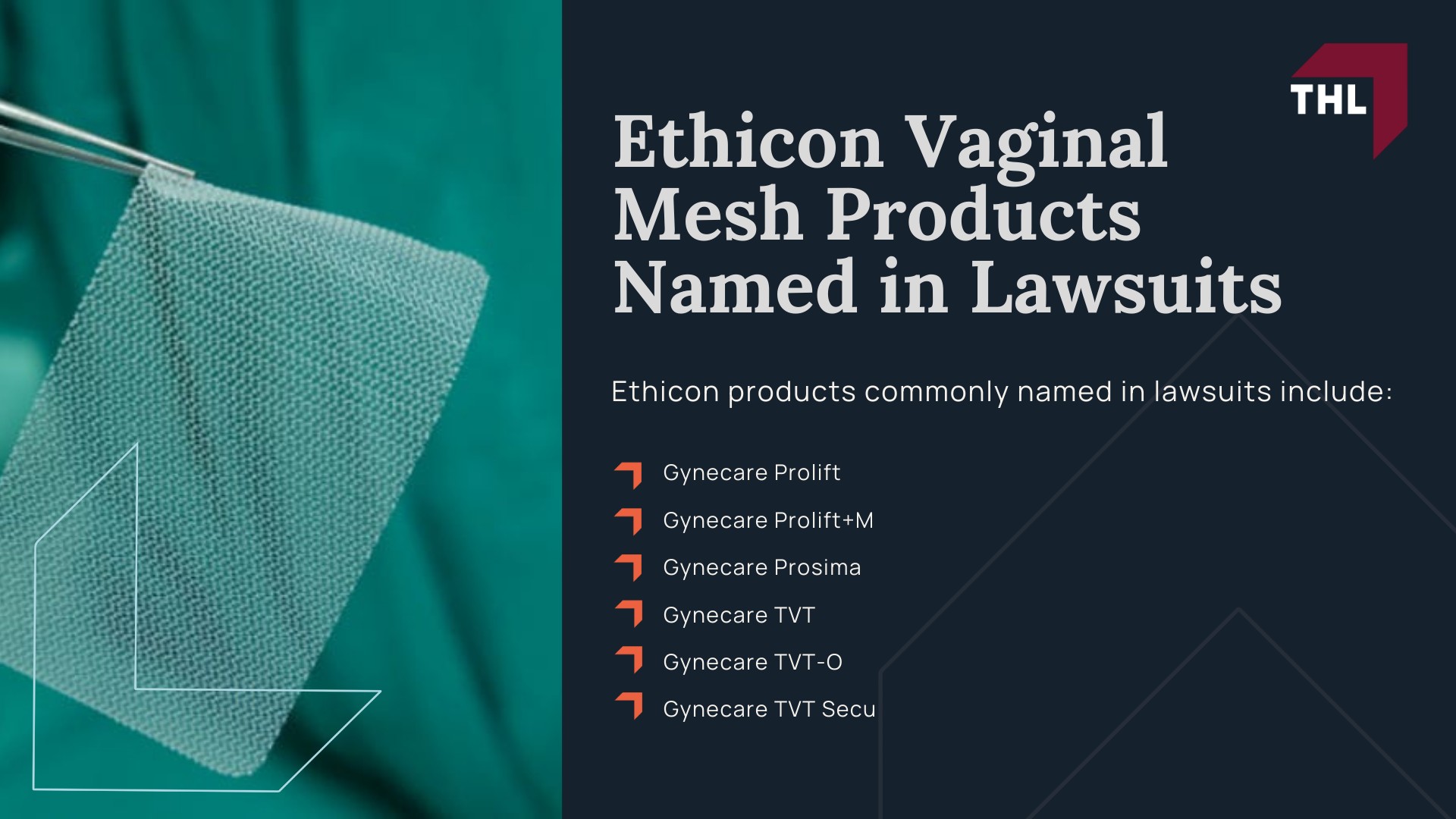
Ethicon products commonly named in lawsuits include:
- Gynecare Prolift
- Gynecare Prolift+M
- Gynecare Prosima
- Gynecare TVT
- Gynecare TVT-O
- Gynecare TVT Secu