Active Litigation
Breast Mesh Lawsuit Facts
TorHoerman Law is actively accepting claims for the Breast Mesh Lawsuit.

Breast mesh lawsuit settlement projections are based on how mass tort claims involving medical devices have historically been evaluated, not on any finalized breast mesh settlement program.
In internal bra and other breast procedures, including implant based breast reconstruction, compensation estimates commonly fall within a broad projected range of $50,000 to over $500,000, depending on the severity of injuries and the supporting evidence.
Claim value is heavily influenced by documented medical complications, including severe pain, infection, mesh migration, and whether a patient required one or more revision surgeries.
Proven past and future medical expenses, such as hospitalization and corrective procedures, directly affect potential compensation.
Economic losses, including lost wages and diminished earning capacity, are also considered when assessing settlement value.
In addition, non-economic damages, such as pain and suffering, permanent disfigurement, scarring, and emotional distress, may increase projected compensation in cases involving serious or lasting medical complications.
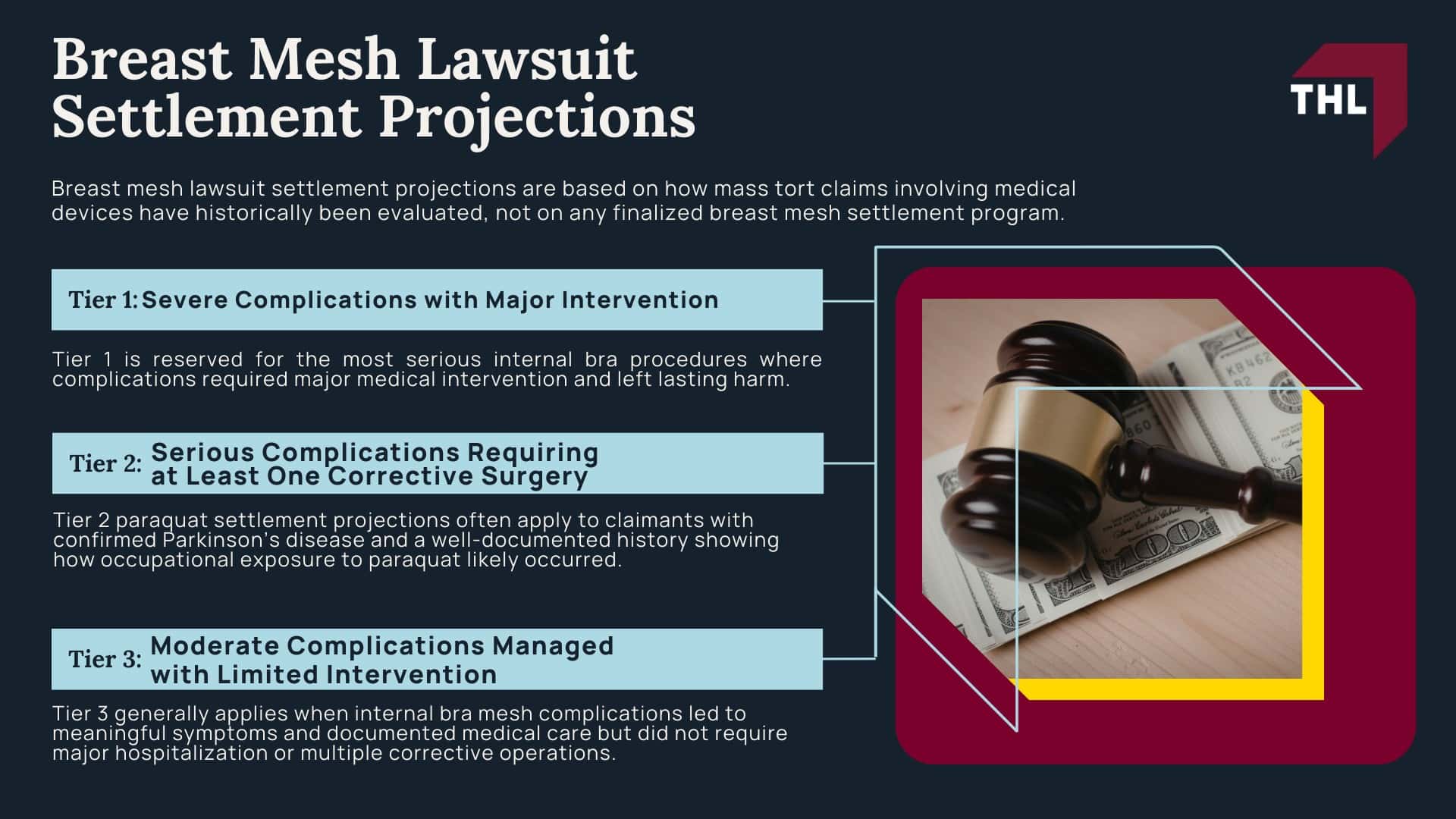
Tier 1 is reserved for the most serious internal bra procedures where complications required major medical intervention and left lasting harm.
Cases in this category often involve removal surgery, multiple corrective operations, or extended hospitalization tied to severe post-operative complications.
These claims commonly allege that breast mesh products or mesh materials contributed to a cascade of problems that could not be managed with conservative treatment.
Implant failure, significant wound breakdown, or confirmed skin necrosis often place a case in the highest tier because treatment can be extensive and outcomes can be permanent.
Estimated compensation range: $200,000 to $500,000.
Injuries that may signal a tier 1 case include:
Tier 2 generally applies when internal bra mesh products were used during breast reconstructive surgery and the patient later required at least one corrective operation to address complications that did not resolve with routine care.
These cases often involve medically documented problems such as chronic inflammation, persistent pain, or wound issues that interfere with healing and stability.
Fluid buildup, infection, or surrounding tissue damage may require surgical intervention to protect the implant pocket and prevent escalation.
Estimated compensation range: $100,000 to $200,000, with value influenced by the severity of symptoms, the treatment course, and whether the case shows signs of reconstructive failure.
Injuries that may signal a tier 2 case include:
Tier 3 generally applies when internal bra mesh complications led to meaningful symptoms and documented medical care but did not require major hospitalization or multiple corrective operations.
Patients in this category may still experience severe breast pain, persistent discomfort, or functional limitations that required repeated follow-up visits, imaging, and ongoing treatment.
In breast reconstruction surgery and cosmetic cases, these complications may include fluid collections, inflammation, or early scar-related tightness that improved with conservative care.
Some cases involve minor corrective procedures or limited surgical intervention, but not full implant removal or major reconstructive revision.
Estimated compensation range: $50,000 to $100,000, with the value shaped by medical documentation, duration of symptoms, and the overall impact on daily life.
Injuries that may signal a tier 3 case include:
Breast mesh lawsuit investigations focus on complications reported after surgeons used synthetic mesh, biologic meshes, or other scaffold products to reinforce breast tissue during implant and reconstructive procedures.
In breast augmentation and other augmentation procedures, internal bra breast mesh may be placed as part of an internal bra technique intended to support breast tissue and stabilize the implant pocket during healing.
These products are often cleared for soft tissue repair or reinforcement in general terms, but they have been used in breast surgery settings where patients later reported pain, infection, wound problems, implant malposition, or other complications.
When internal bra complications escalate, treatment can involve revision procedures, prolonged wound care, or mesh removal, sometimes paired with implant exchange or implant removal.
An internal bra lawsuit may allege that patients were not adequately warned about risks associated with placing mesh in delicate breast tissue, especially when the use was outside the product’s breast-specific indications.
Claim reviews also examine whether patients were told that mesh was being implanted, what product was used, and what information was provided about potential complications and revision risk.
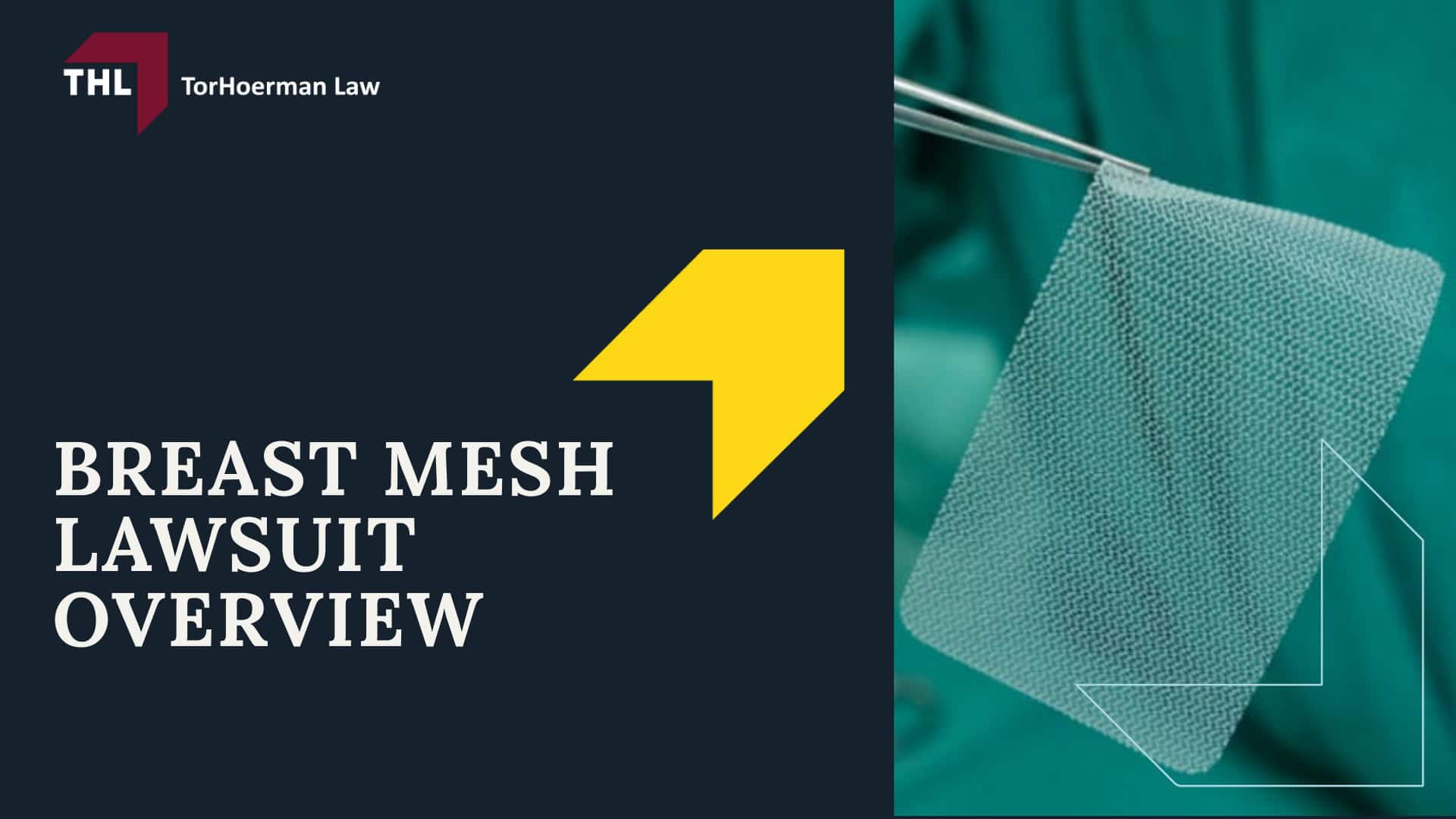
Because internal bra breast mesh procedures vary by surgeon technique, material type, and patient anatomy, these investigations tend to be evidence-driven and highly individualized.
The goal of a legal review is to determine whether the medical records support a link between the internal bra technique, the injuries reported, and the damages caused by additional treatment, including mesh removal when required.
Mesh-assisted breast procedures, including internal bra surgery used alongside breast implants, have led to investigations that focus on whether certain manufacturers adequately warned about risks when their products were used in breast applications.
These reviews often involve products marketed for soft-tissue reinforcement or fascial repair that were then adopted in breast surgery settings.
Because these cases are still developing, the list below reflects manufacturers most commonly discussed in current investigations and filings, not a finding of wrongdoing.
The key legal question is usually product identification, what the labeling said at the time, and whether complications in mesh assisted breast procedures were consistent with disclosed risk information.
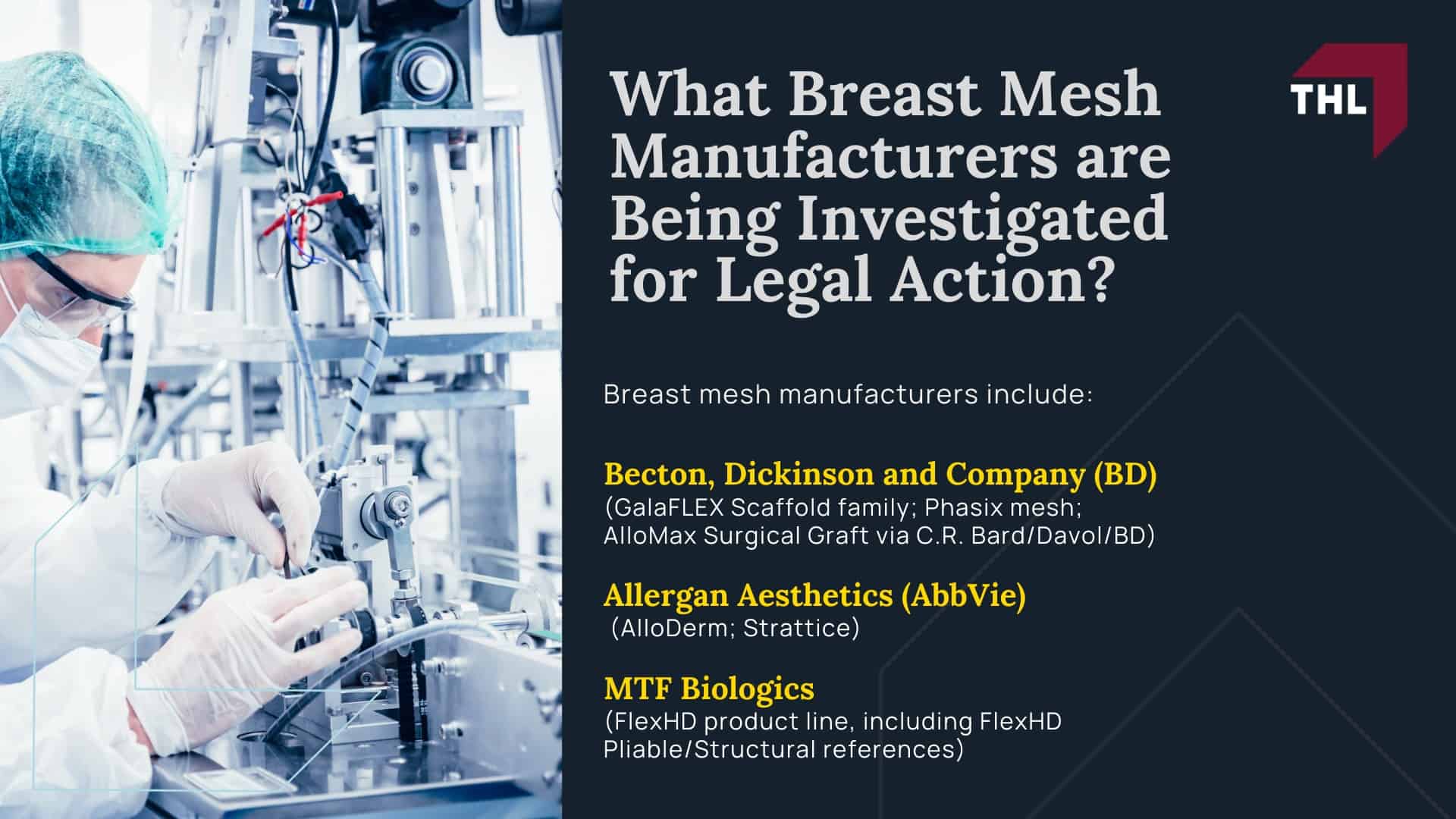
Breast mesh manufacturers include:
Clinical literature on mesh-assisted breast surgery describes a consistent set of complications, even though reported rates vary by technique, patient population, and the type of mesh used.
A systematic review and meta-analysis of synthetic mesh in implant-based reconstruction reported measurable short-term events such as seroma, infection, reoperation, and explant in the pooled data, confirming these outcomes are not hypothetical.
A separate meta-analysis of biosynthetic mesh in implant-based breast reconstruction likewise reported complications including seroma, hematoma, skin necrosis, infection, and implant loss, which are common endpoints in reconstruction studies.
Peer-reviewed discussions of implant-based reconstruction also identify core complications that affect breast shape and comfort over time, including capsular contracture, malposition, contour deformities, and skin envelope necrosis, which can occur with or without mesh but remain central to post-surgical risk.
In practice, plastic surgeons evaluate whether symptoms reflect expected recovery or whether complications suggest abnormal healing, infection, mechanical instability, or foreign-body reaction involving an internal bra mesh implant.
Evidence also shows outcomes can differ between biologic and synthetic mesh categories, with some analyses explicitly comparing infection and seroma rates across material types.
In lawsuit investigations, patients typically allege that a specific product failed to perform as intended or contributed to injuries suffered, but each case still turns on documentation and individualized medical facts.
Complications and injuries reported in mesh-supported breast procedures include:
Not every complication proves a device defect, and many of these outcomes can occur in breast surgery without mesh.
What matters for a claim review is whether records show an abnormal course tied to the implanted material, including the timing of symptoms and the need for corrective treatment.
Operative reports, revision notes, cultures, and photographs often provide the clearest picture of how the complication developed and whether mesh migration, tissue death, capsular contracture, or other injuries drove additional surgery.
Qualification for a breast mesh lawsuit usually begins with confirming that you underwent breast surgery involving mesh placed to support tissue, stabilize an implant pocket, or reinforce weakened areas.
Many claims involve patients who later developed complications such as infection, wound breakdown, chronic pain, implant malposition, implant loss, or revision surgery.
Evidence identifying the specific manufacturer, brand, and model of the mesh used is essential for claims, and that information is often found in operative reports, implant logs, and device sticker sheets.
To start an internal bra mesh claim, you’ll need to gather evidence including proof you received a breast mesh implant, proof of your injuries, and documentation of the damages you suffered.
Health care providers can be an important source of records, including post-operative notes, culture results, imaging, and revision surgery documentation that show how complications progressed.
Timing matters because the statute of limitations varies by state, typically ranging from one to three years after the injury was discovered, though exact deadlines depend on the jurisdiction and the facts of the case.
Each breast mesh lawsuit is reviewed individually, with settlements and awards reflecting the strength of the legal claim, not a fixed formula.
Current individual lawsuits may eventually be consolidated into a Multidistrict Litigation (MDL), but eligibility for review still depends on your records, your complication history, and the documented impact on your health and livelihood.
Strong evidence is essential in a breast mesh lawsuit because it documents exactly which product was used and how your injuries developed over time.
Medical records also establish the treatment timeline, including when symptoms began, what interventions were required, and whether additional surgery was needed.
Clear documentation helps connect the complications to measurable losses, such as medical bills, time missed from work, and long-term care needs.
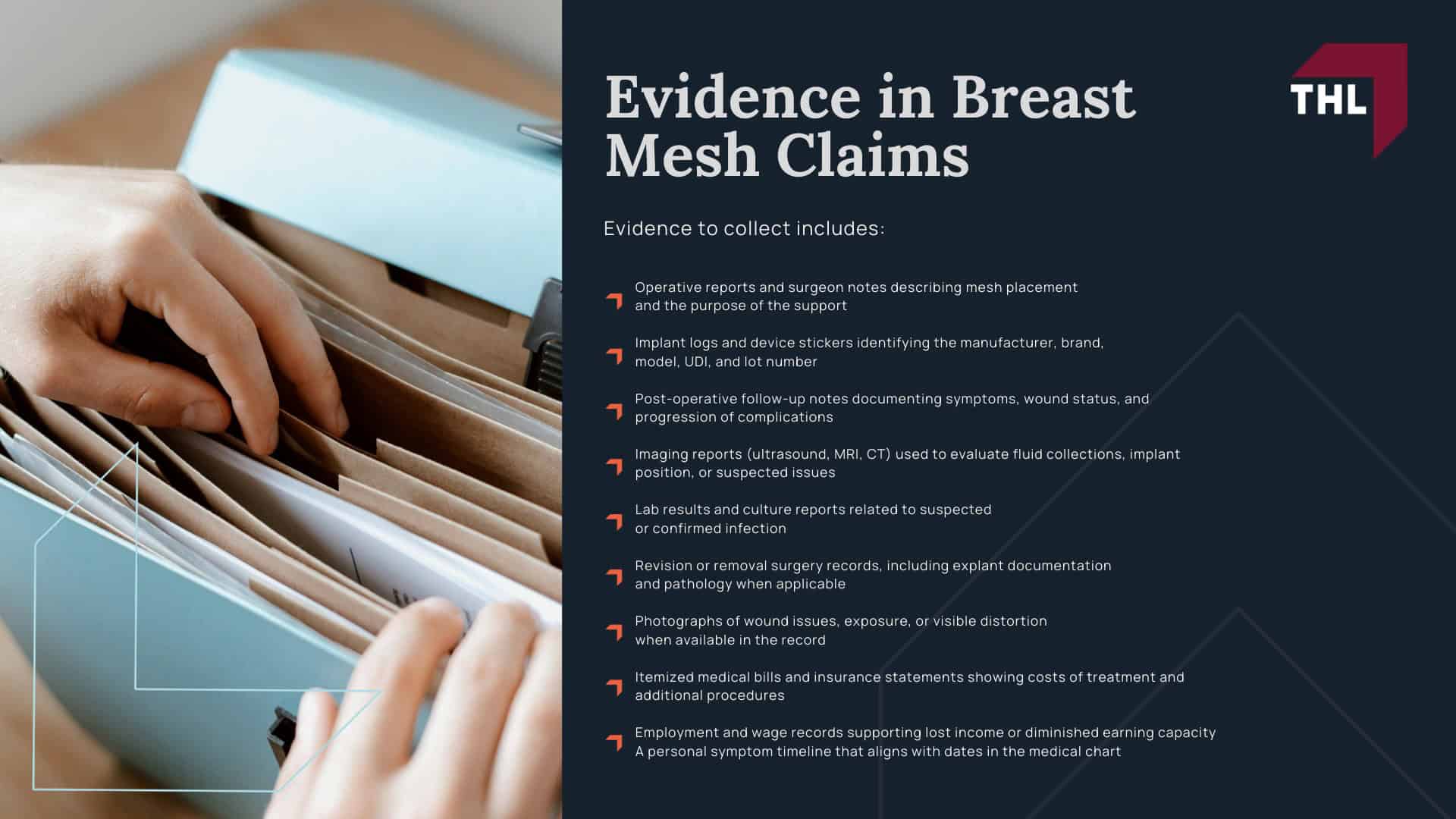
Evidence to collect includes:
Damages are the losses a person claims after injuries tied to breast surgery involving mesh, including breast reconstruction, breast lifts, or revision procedures.
Potential damages in breast mesh lawsuits may include medical expenses, lost wages, pain and suffering, and emotional distress.
Lawyers assess damages by reviewing the full medical timeline, the number and complexity of corrective procedures, and the documented financial and personal impact of the injuries, then organizing that proof to advocate for compensation.
Each breast mesh lawsuit is reviewed individually, with settlements and awards reflecting the strength of the legal claim and the severity of harm, not a fixed formula, and successful plaintiffs may recover costs for revision surgeries, medical expenses, pain and suffering, and lost wages.
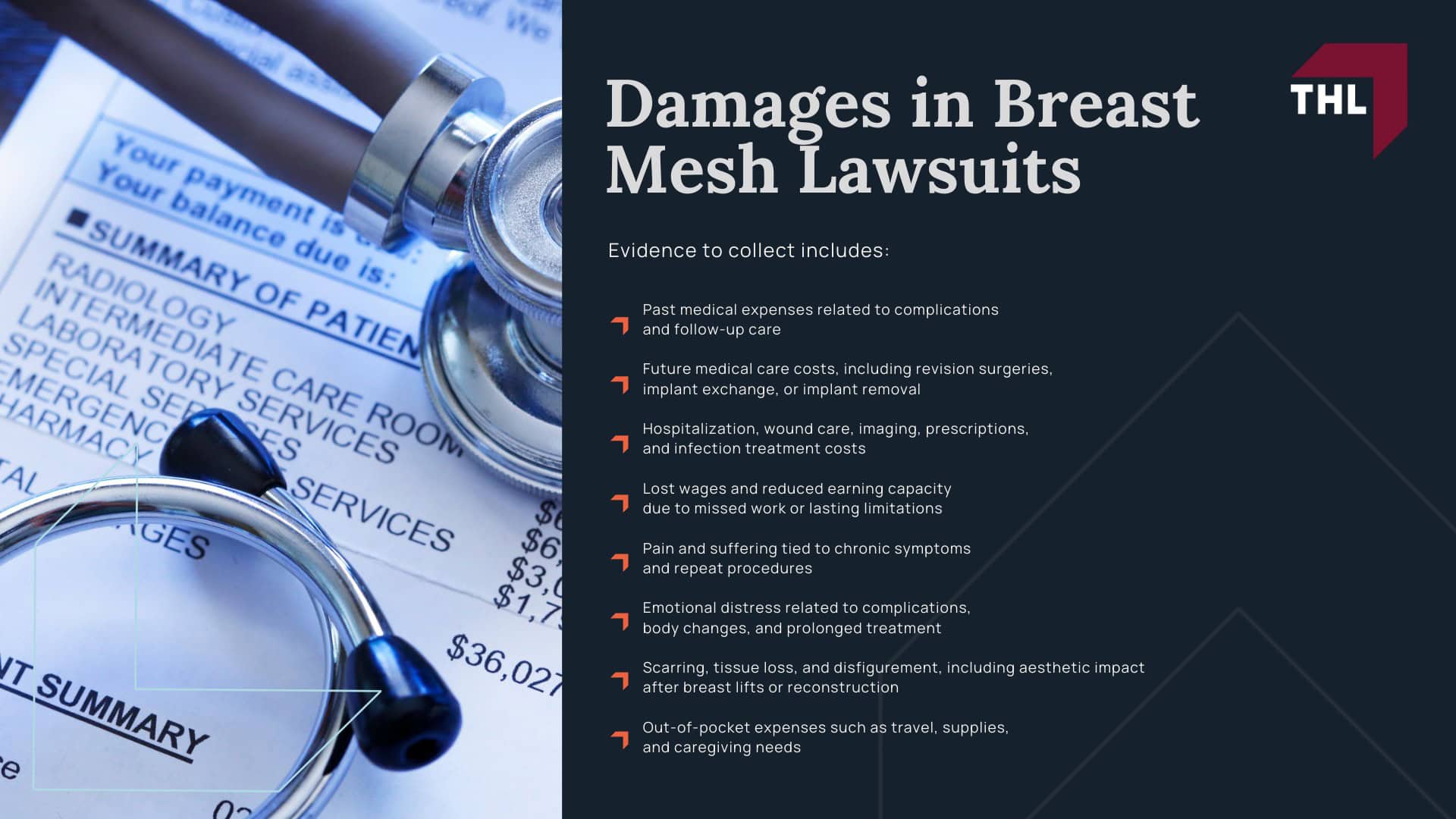
Damages may include:
Breast mesh complications can lead to prolonged pain, repeat surgeries, implant loss, and permanent changes that affect both health and quality of life.
When these outcomes occur, the medical records and product identification details often determine whether a claim can move forward.
TorHoerman Law reviews breast mesh cases by focusing on surgical documentation, complication timelines, and the full impact of the injuries suffered.

If you believe a breast mesh implant or internal bra procedure contributed to serious complications, TorHoerman Law can evaluate your records and explain whether your case may qualify for legal review.
Contact TorHoerman Law today to request a confidential consultation and learn what next steps may be available.


