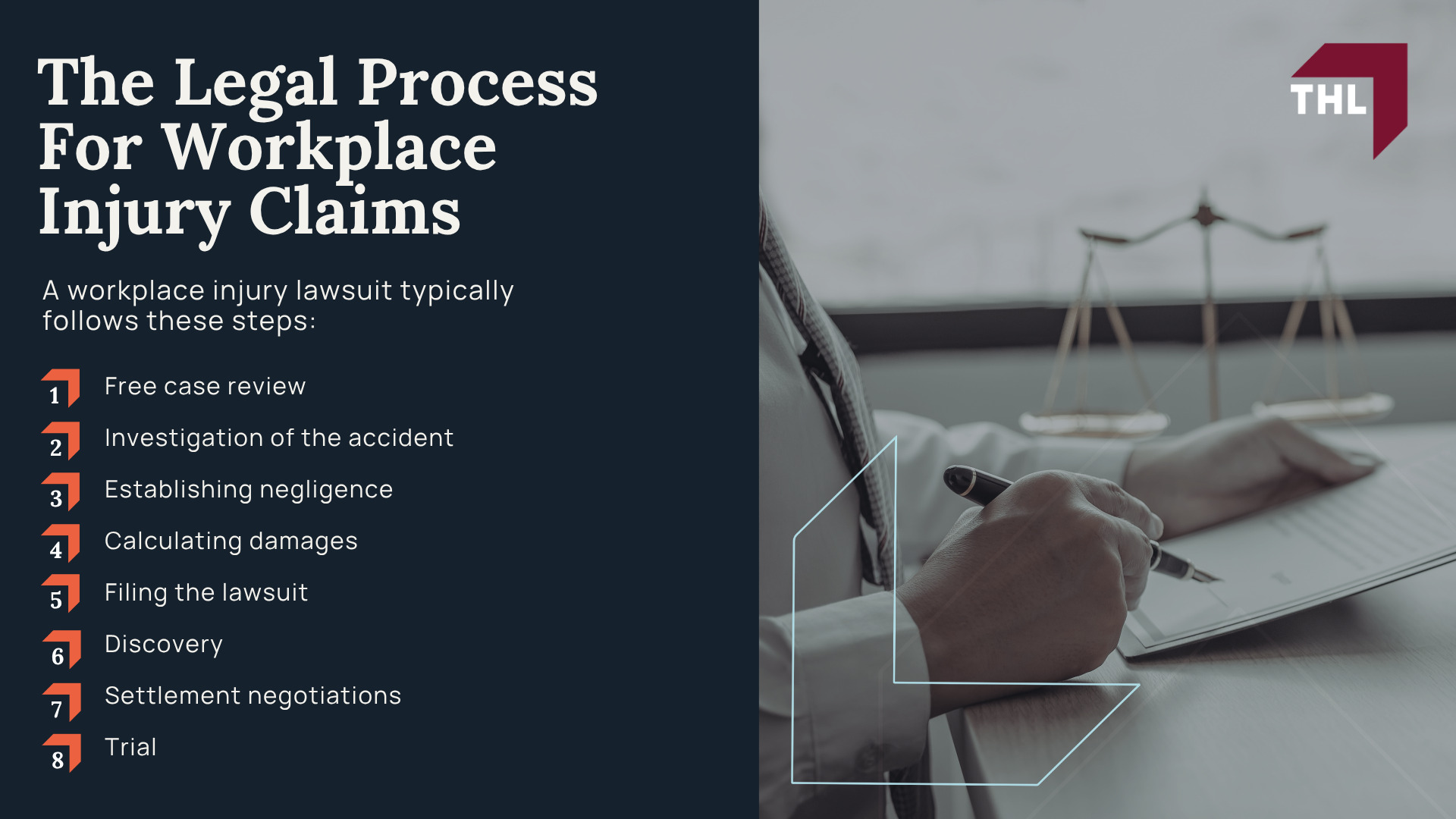
A workplace accident can leave an employee facing serious injuries, mounting medical bills, lost income, and uncertainty about what legal options are available.
In Illinois, most work-related injuries are initially addressed through workers’ compensation coverage, which provides certain benefits regardless of who caused the accident.
That system is designed to help employees receive medical treatment and wage-related benefits, but it does not provide the same categories of compensation as a personal injury lawsuit.
When another party, such as a contractor, property owner, equipment manufacturer, or negligent driver, contributed to a worker’s injuries, a separate personal injury claim may also be available.
Those claims are generally handled by a workers’ compensation attorney when only workers’ compensation benefits are involved, while a personal injury lawyer investigates whether a third-party negligence lawsuit can be pursued in addition to any workers’ compensation claim.
At our law firm, we evaluate every workplace accident to determine every available legal option and pursue the maximum compensation available while protecting our clients’ legal rights.

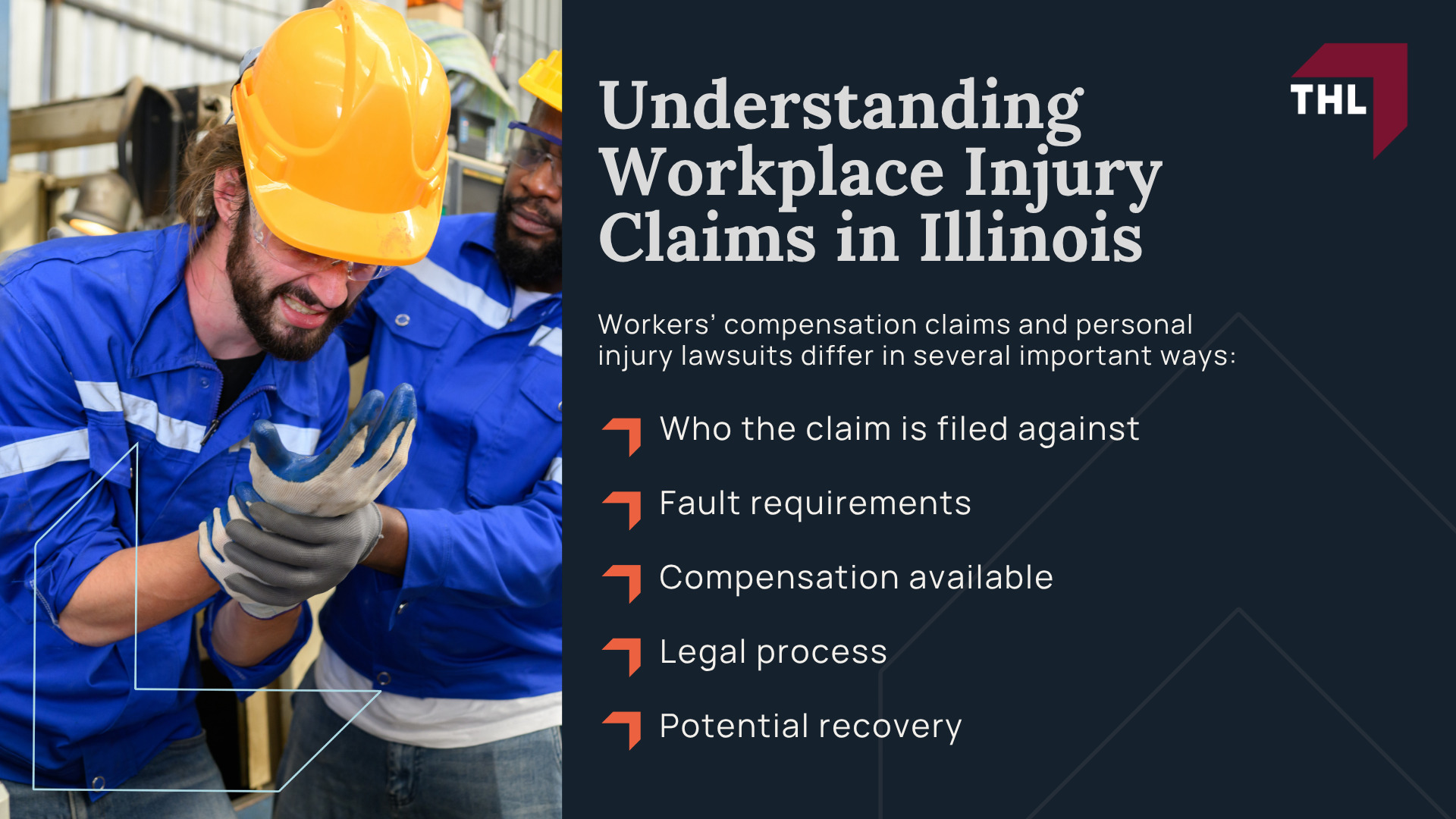
Workers’ compensation claims and personal injury lawsuits differ in several important ways:
- Who the claim is filed against: A workers’ compensation claim is filed against the employer’s workers’ compensation insurance, while a personal injury lawsuit is brought against a negligent third party that contributed to the workplace accident.
- Fault requirements: Workers’ compensation benefits are generally available without proving negligence, while a personal injury lawsuit requires evidence that another party’s negligence caused the injury.
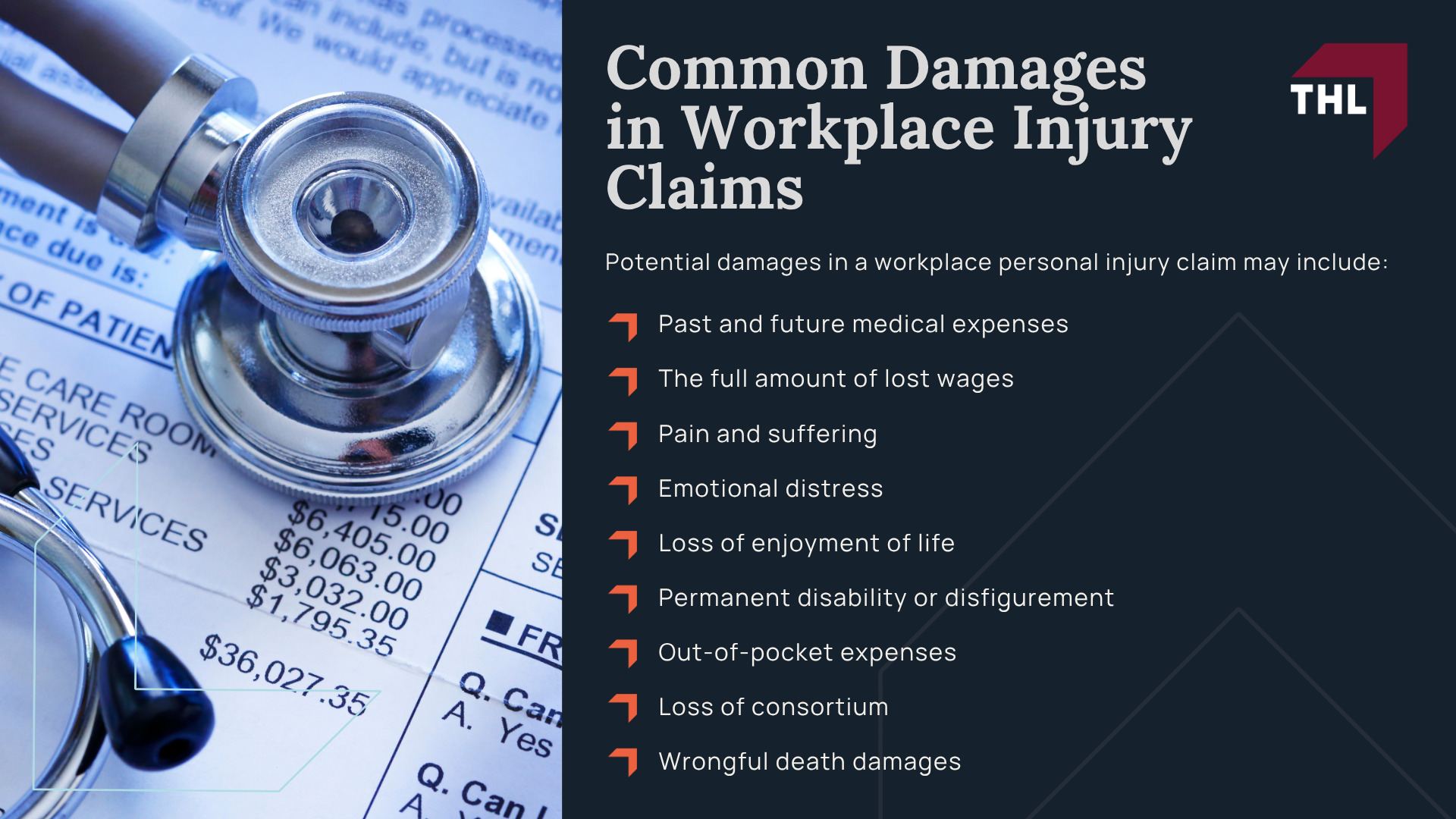
- Compensation available: Workers’ compensation provides statutory benefits such as medical treatment and partial wage replacement, while a personal injury lawsuit may also allow recovery for pain and suffering, emotional distress, and the full amount of lost wages and future earning capacity.
- Legal process: Workers’ compensation claims proceed through Illinois’ administrative system, while personal injury lawsuits are resolved through the civil court system.
- Potential recovery: Some workplace accidents involve only workers’ compensation, while others may support both a workers’ compensation claim and a third-party personal injury lawsuit.
Understanding the difference between these legal remedies can significantly affect the compensation available after a workplace injury.
A claim that initially appears limited to workers’ compensation may warrant additional investigation if another individual or company contributed to the accident.
TorHoerman Law investigates workplace accidents throughout Chicago and Illinois to determine whether a third-party personal injury lawsuit should be pursued in addition to any available workers’ compensation benefits.
What Should I Do After a Workplace Injury?
The steps you take after a workplace injury or illness can affect both your recovery and any future legal claim.
While injured workers receive workers’ compensation when they meet the requirements of Illinois law, some accidents also involve third-party negligence, making it important to preserve evidence and understand your rights under applicable employment laws.
Taking the following steps can help protect your health, strengthen your claim, and position you to pursue fair compensation, whether through workers’ compensation, a third-party lawsuit, or both with the guidance of a personal injury attorney.
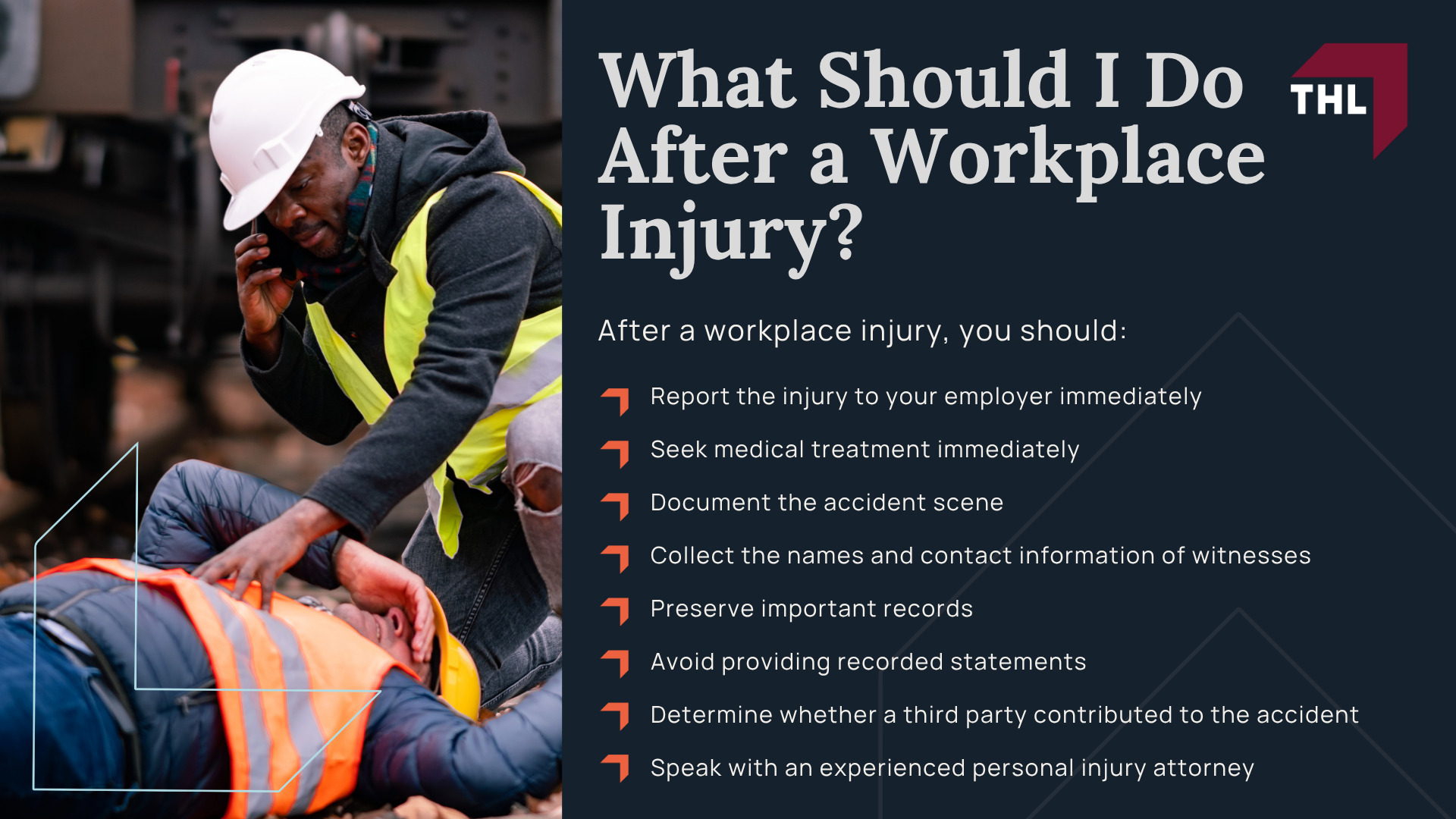
After a workplace injury, you should:
- Report the injury to your employer as soon as possible and follow your employer’s reporting procedures.
- Seek medical treatment immediately, even if your injuries initially appear minor.
- Document the accident scene by taking photographs or videos of the area, equipment involved, and any visible injuries if you are able.
- Collect the names and contact information of witnesses who observed the accident or the conditions leading to it.
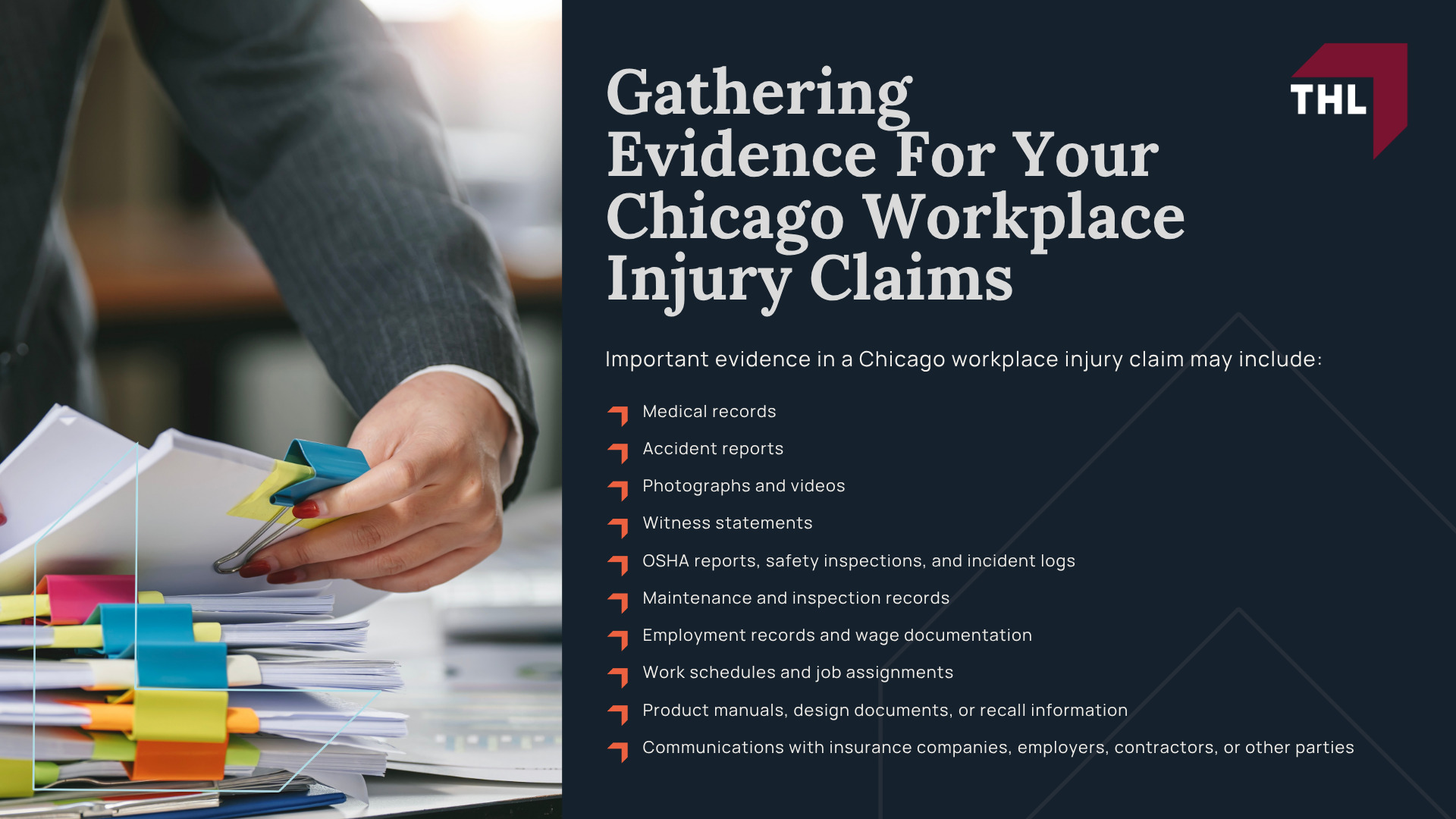
- Preserve important records, including medical records, accident reports, wage information, and communications related to the incident.
- Avoid providing recorded statements to insurance representatives before understanding your legal rights.
- Determine whether a third party contributed to the accident, such as a contractor, property owner, equipment manufacturer, or negligent driver.
- Speak with an experienced personal injury attorney to determine whether your case involves workers’ compensation benefits, a third-party personal injury lawsuit, or both.
When Can You File a Personal Injury Lawsuit After a Workplace Injury?
Most workplace injuries in Illinois are handled through the workers’ compensation system, which generally prevents employees from suing their employers for work-related injuries.
A separate personal injury lawsuit may be available, however, when a negligent third party, such as a contractor, subcontractor, property owner, equipment manufacturer, or negligent driver, caused or contributed to the accident.
Those cases are governed by Illinois personal injury law rather than the Workers’ Compensation Act and may allow recovery for damages that are not available through workers’ compensation alone, including pain and suffering.
Workplace accidents involving construction sites, defective machinery, commercial vehicle collisions, and unsafe premises are among the situations where third-party claims commonly arise.
An experienced workplace injury lawyer can investigate the accident, identify every potentially liable party, and determine whether a personal injury lawsuit should be pursued in addition to any available workers’ compensation benefits.
Can You File a Personal Injury Case and a Workers Compensation Claim at the Same Time?
Yes. In some situations, an injured worker may pursue both a workers’ compensation claim and a third-party personal injury lawsuit arising from the same workplace accident.
While receiving workers’ compensation benefits for medical treatment and lost wages, the injured employee may also have the right to seek additional damages from a negligent contractor, property owner, equipment manufacturer, or other third party whose actions contributed to the injury.
The two claims serve different purposes because workers’ compensation provides statutory benefits, while a personal injury lawsuit seeks to hold a negligent third party financially responsible for the broader damages caused by the accident.
Not every workplace injury qualifies for both types of claims, making it important to investigate the circumstances of the accident and identify every potentially liable party.
Experienced on-the-job injury lawyers can evaluate the facts, determine which legal avenues are available, and pursue every source of compensation permitted under Illinois law.