The Dupixent lawsuit settlement projections discussed below are illustrative only and reflect how similar dangerous drug lawsuits involving cancer diagnoses have been evaluated in the past.
This prescription drug used to treat atopic dermatitis and other inflammatory diseases, and it has been prescribed to many patients for long-term symptom control.
Lawsuits allege that some individuals later received a blood cancer diagnosis after treatment, raising questions about whether early warning signs were missed.
Claims focus on whether the drug manufacturers, Sanofi and Regeneron, failed to adequately warn patients and healthcare providers about potential lymphoma risks.
At this time, there have been no settlements or jury verdicts in Dupixent cases, and no formal settlement program exists.
The projections that follow are based on outcomes in comparable mass tort litigation and are presented to help affected individuals understand how courts have historically evaluated claims when patients seek compensation after serious drug-related injuries.

Tier 1: Highest Severity Claims
Tier 1 claims represent the most serious cases currently being evaluated in the Dupixent litigation, including wrongful death and catastrophic disease progression.
These cases often involve patients taking Dupixent who later developed lymphoma that progressed to advanced or systemic disease before it was properly identified.
Allegations frequently center on an undiagnosed lymphoma that may have involved malignant activity in white blood cells, including aggressive subtypes such as NK cell lymphomas, before diagnosis occurred.
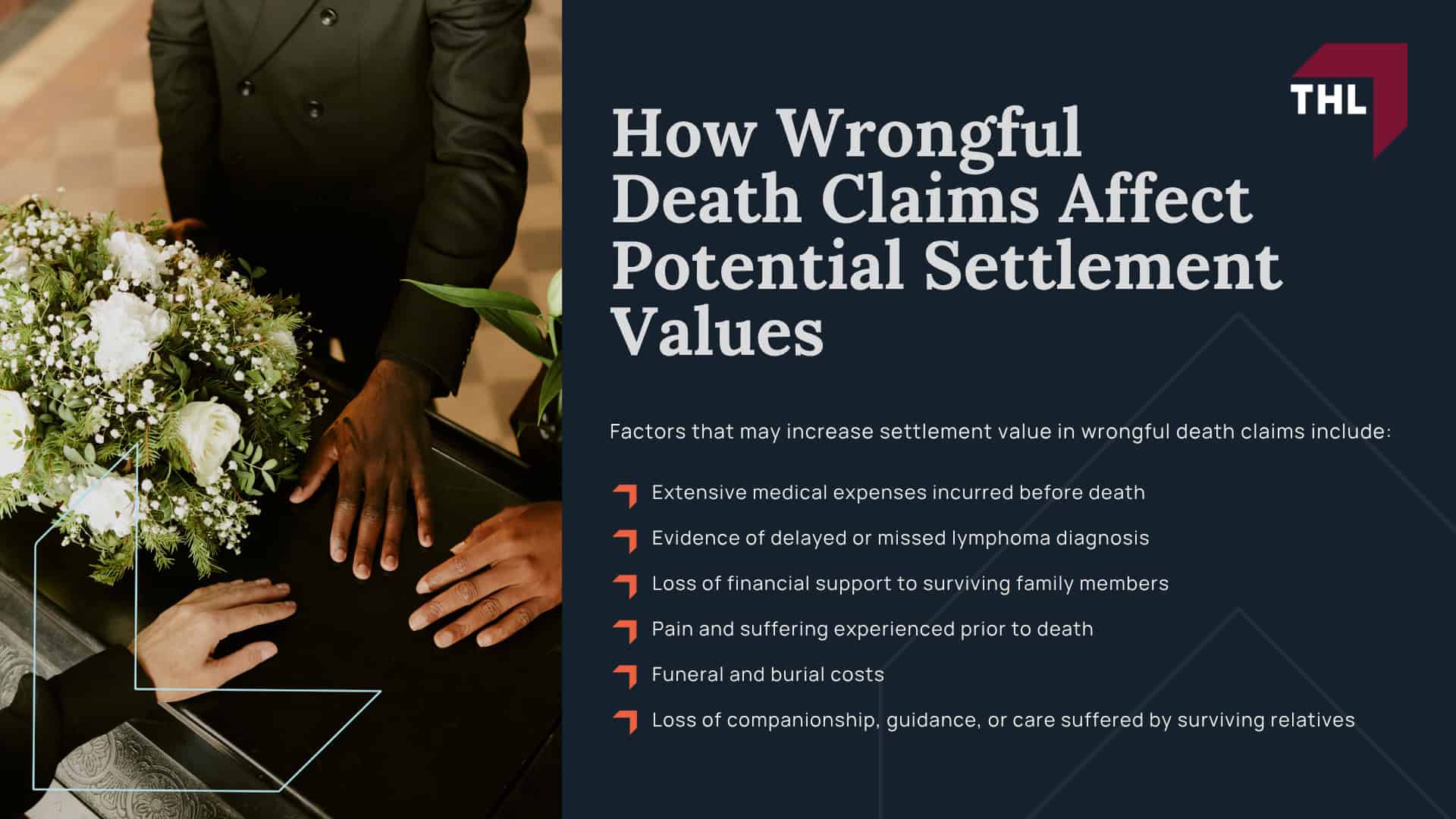
In the most severe scenarios, families pursue a Dupixent wrongful death lawsuit after a loved one dies from complications related to advanced lymphoma.
Based on outcomes in comparable dangerous drug and cancer mass torts, settlement projections for Tier 1 claims may range from approximately $750,000 to more than $2,000,000, depending on the facts of the case.
Factors that tend to place a claim in this tier include late-stage diagnosis, extensive medical treatment, loss of life expectancy, and substantial economic and non-economic damages.
These figures are not guarantees and do not reflect actual Dupixent settlements, which have not yet occurred, but instead provide context drawn from prior litigation involving severe, life-altering injuries.
Tier 2: Severe Injury Claims
Tier 2 claims generally involve adult patients who were prescribed Dupixent and later diagnosed with cutaneous T-cell lymphoma, a rare cancer that is medically classified as a form of non-Hodgkin lymphoma.
In many cases, these patients were initially treated for chronic skin inflammation, with early lymphoma symptoms mistaken for eczema or another benign skin condition rather than correctly identified as lymphoma affecting the skin.
Patients treated with Dupixent in this category often required extensive follow-up care, including repeated biopsies, systemic therapies, or long-term oncology monitoring after diagnosis.
While CTCL is sometimes informally described as a type of skin cancer, it is more accurately a cancer of immune cells that manifests on the skin, which contributes to diagnostic confusion.
These cases typically do not involve wrongful death but do reflect serious, life-altering injuries and prolonged medical intervention.
Based on outcomes in comparable dangerous drug and cancer litigation, illustrative settlement projections for Tier 2 claims generally range from approximately $250,000 to $750,000, depending on disease severity, duration of exposure, and documented damages.
As with all Dupixent cases, these figures are not guarantees and are provided only for contextual reference, not as predictions of outcome.
Tier 3: Moderate Injury Claims
Tier 3 claims generally involve patients who experienced CTCL symptoms after Dupixent use but were diagnosed at an earlier stage of disease.
These cases often include individuals whose condition was identified before significant systemic involvement, allowing treatment to begin without the most severe long-term complications seen in higher tiers.
CTCL belongs to a group of rare blood cancers, and even early-stage disease can require ongoing medical care, monitoring, and lifestyle adjustments.
Patients in this tier may not face life-threatening outcomes, but they often endure prolonged treatment, uncertainty, and disruption to daily life.
Based on outcomes in comparable dangerous drug and cancer litigation, illustrative settlement projections for Tier 3 claims generally range from approximately $100,000 to $250,000.
Placement within this tier depends on factors such as how quickly the disease was identified, the scope of treatment required, and the extent of economic and non-economic damages.
Although these claims are less severe than higher tiers, affected individuals may still pursue legal action to address the harm associated with delayed recognition or progression of lymphoma following Dupixent use.
Tier 4: Lower Severity Claims
Tier 4 claims generally involve cases where cutaneous T-cell lymphoma was identified at an early stage and treated before significant progression occurred.
These claims may include patients whose symptoms prompted timely testing, limiting the extent of medical intervention and long-term impact.
While the injuries in this tier are considered lower in severity compared to advanced lymphoma cases, they may still involve substantial disruption, stress, and medical oversight.
In these matters, defective drug lawyers evaluate whether earlier warnings or monitoring could have changed the course of care, even when outcomes were less severe.
Based on outcomes in comparable pharmaceutical litigation, illustrative settlement projections for Tier 4 claims typically range from approximately $50,000 to $100,000.
These cases often involve limited treatment costs and fewer lasting complications but still require participation in the legal process, including reviewing medical records and expert evaluation.
Individuals in this tier may still consider filing lawsuits to address the consequences of delayed recognition or exposure, with each claim assessed on its own facts rather than a preset formula.