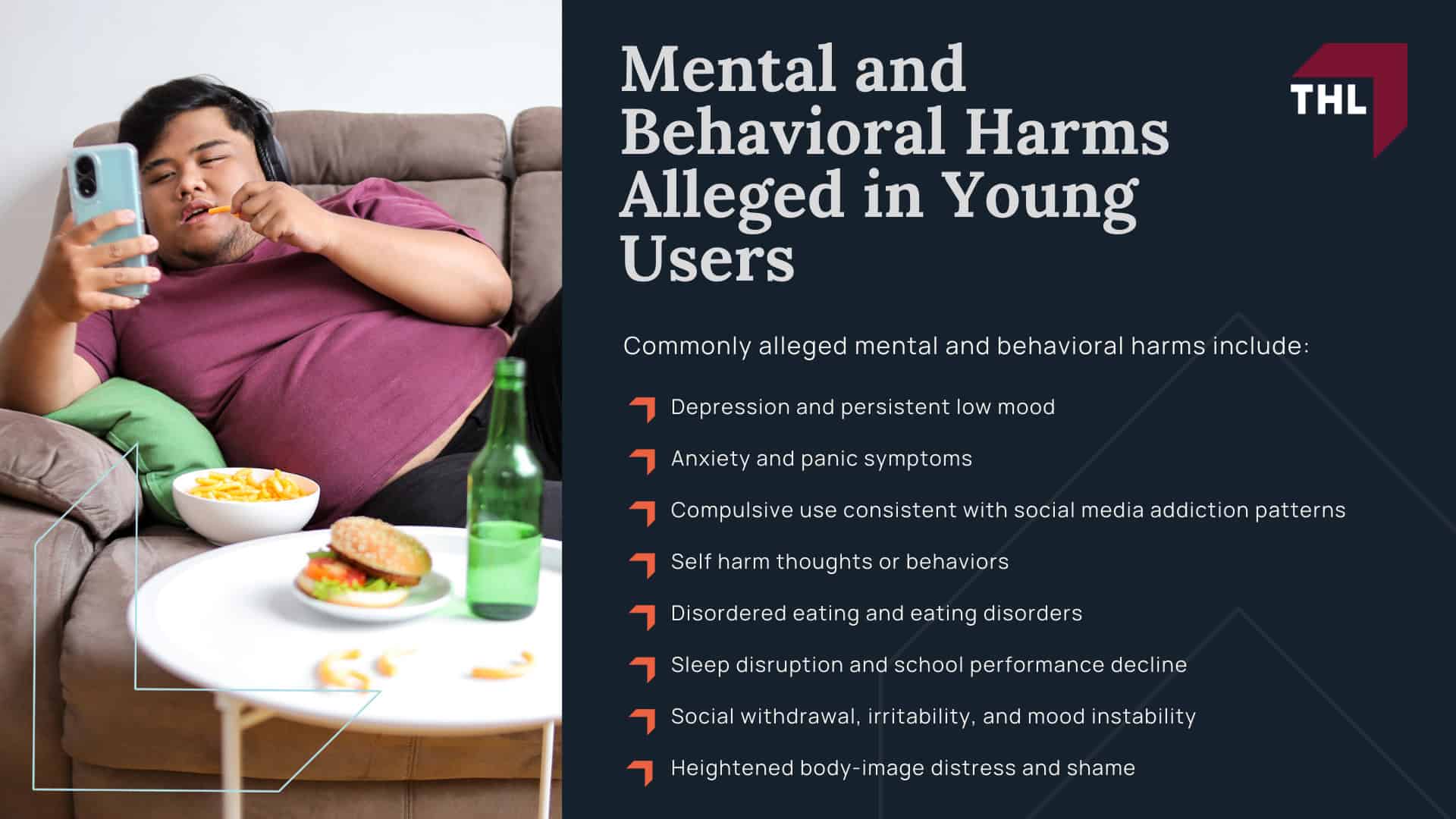
Thousands of lawsuits filed against major social media companies allege that popular social media platforms were designed negligently and have contributed to a growing youth mental health crisis, including depression, anxiety, social media addiction, self-harm, and eating disorders.
For people searching specifically about a YouTube addiction lawsuit, the core idea is similar: plaintiffs claim certain design practices used across social media apps may encourage compulsive use, expose users to harmful content loops, and increase the risk of mental health issues, especially for minors and vulnerable social media users.
These cases are included in the broader social media MDL, where claims across platforms are grouped because they raise overlapping questions about product design, youth usage patterns, and alleged mental health harm.
Although YouTube is the focus for many families, it is typically not treated as an isolated product in the litigation narrative.
Plaintiffs often point to shared engagement features and business incentives across the social media giants, and they argue that children’s usage patterns were not adequately protected despite growing concerns about children’s mental health.
In some cases, school districts have also filed or supported claims, alleging that widespread social media harm has increased demands for counseling, staffing, and student support, framing the issue as a community-level social media harm lawsuit rather than only an individual dispute.
At the same time, liability is not automatic, and these cases can involve complex defenses, especially arguments tied to the Communications Decency Act, which can affect certain claims depending on how they are pleaded and what conduct is alleged.
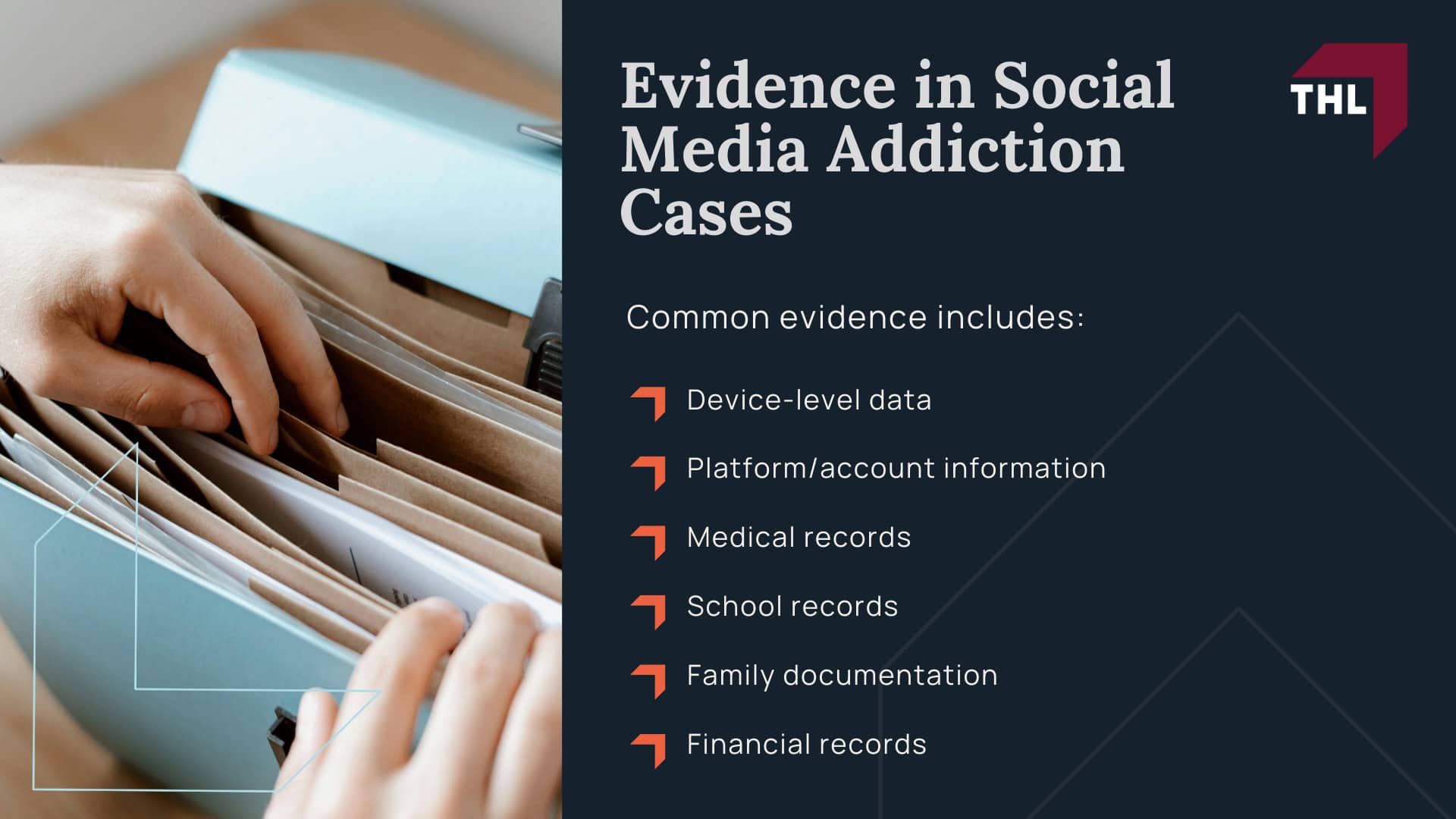
That’s why these matters often turn on evidence about design, knowledge, and decision-making (sometimes including references to alleged internal company documents cited in complaints and reporting) rather than general public debate about “screen time.”
If you believe you or your child developed mental health issues connected to compulsive YouTube use, a lawyer can help evaluate whether a social media addiction lawsuit may potentially fit your circumstances and what steps may be available.
Why Alphabet Inc. is Named as a Defendant in the Social Media Addiction MDL
Alphabet Inc. is commonly named because it is YouTube’s parent company and is alleged to have ownership, oversight, and influence over how YouTube operates, evolves, and is monetized.
In a typical social media MDL framing, plaintiffs claim the harm is driven less by one isolated feature and more by a broader ecosystem of design choices (recommendation systems, engagement loops, notifications, and monetization strategies) that can shape user behavior at scale.
For that reason, lawsuits may name Alphabet Inc. alongside other major technology defendants, arguing that corporate-level control and business decisions are central to how the product was designed, tested, and optimized.
This subsection is often important for readers because it explains why YouTube is discussed as part of a larger social media landscape rather than as a standalone website.
Plaintiffs may argue that corporate parents and affiliated entities should be included when they allegedly participated in or benefited from the decisions that drove engagement and growth, particularly among minors.
They may also argue that responsibility should be evaluated across the chain of decision-making (what leadership knew, what was prioritized, and how safety concerns were addressed) rather than focusing only on a single product team.
As with other social media addiction litigation, naming Alphabet does not mean liability is guaranteed.
The legal debate can involve multiple issues, including how plaintiffs characterize the alleged misconduct and what is and isn’t shielded by the Communications Decency Act.
In practice, these cases often focus on whether the claims are framed around platform design and alleged product practices (as opposed to treating the platform purely as a publisher of third-party content), and what evidence supports allegations of mental health harm.
If you’re considering a YouTube addiction lawsuit, a lawyer can explain how these theories are typically pleaded, what facts tend to matter most, and how the broader social media harm litigation may relate to your specific situation.