
The Fisher-Price Snuga Swings were introduced in October 2010, quickly becoming popular among parents for their design and features meant to soothe infants with gentle swinging motions.
With options to rock side-to-side or front-to-back, a soft plush body support, and soothing music, the swings promised to calm babies and give parents some peace of mind.
Marketed as a safe, comfortable place for infants to relax, Snuga Swings became a household staple, especially for new parents seeking trusted brands for infant care.
However, while the product’s intended purpose was to comfort, severe safety concerns began to surface over the years, prompting scrutiny and, ultimately, a recall of more than 2 million Snuga Swings.
Reports emerged linking the Fisher-Price Snuga Swings to suffocation incidents, raising alarms about potential design defects and hazardous elements within the product.
Between 2012 and 2022, at least five infant deaths were associated with these swings.
In these tragic cases, infants who were unrestrained or placed in the swing with bedding materials succumbed to suffocation.
Parents and caregivers were often unaware that even if the product wasn’t explicitly marketed as a sleep device, it posed a substantial risk when infants fell asleep while unrestrained.
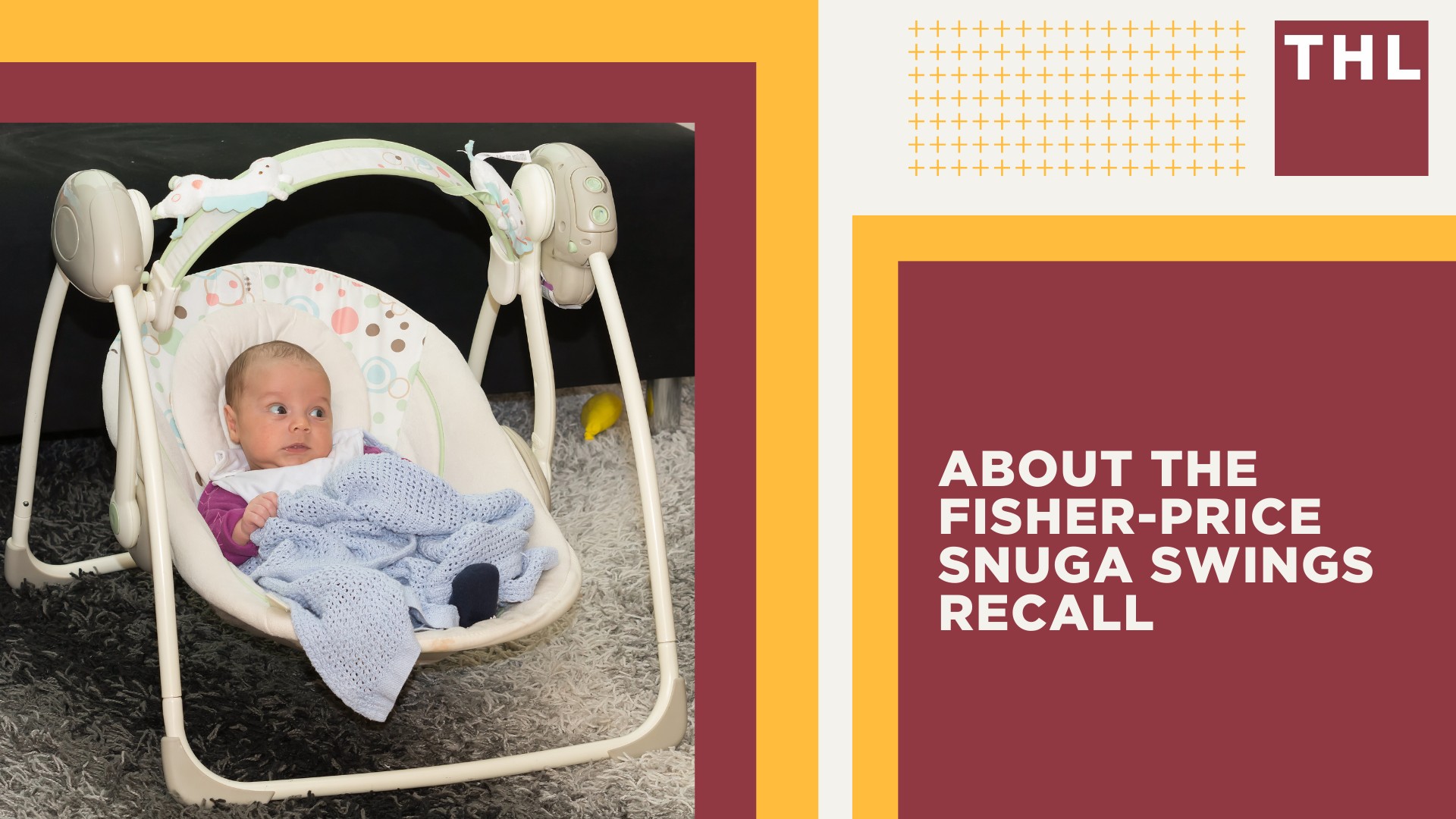
Concerns also centered on the product’s headrest and body support insert, which could compress and obstruct a baby’s airway, creating a risk of suffocation if infants’ heads fell forward or to the side.
These tragic incidents underscore the dangers of inclined products for infant sleep, which have repeatedly shown unsafe sleeping conditions in studies and safety tests.
The recall has reignited discussions around the responsibility of manufacturers to prioritize safety over aesthetics or convenience, particularly in products designed for vulnerable infants.
The Consumer Product Safety Commission (CPSC) has reinforced its safe sleep guidelines, reminding parents to only use firm, flat surfaces like cribs or bassinets for infant sleep and to avoid inclined sleepers, swings, or products with added bedding.
Safety advocates continue to urge parents to stop using products like the Snuga Swing for unsupervised rest, emphasizing that infant sleep safety must remain the industry’s top priority.
If your child, or a loved one’s child, suffered injuries or tragically passed away due to defects on the Fisher-Price Snuga Infant Swings, you may be eligible to pursue legal action and financial compensation.
Contact our law firm for more information and a free consultation.
You can also use the chat feature on this page to get in touch with our legal team.
What Should Parents Do If They Have a Snuga Swing?
If you own a Fisher-Price Snuga Swing, you should take immediate steps to ensure the product is safe for any continued use.
Fisher-Price advises removing both the headrest and body support insert from the swing, as these components are linked to potential suffocation risks.
Parents should only use the swing when the child is awake and supervised, avoiding its use as a sleep product.
Parents can contact Fisher-Price for a $25 refund as part of the recall.
What Stores Sold the Snuga Infant Swings?
The Fisher-Price Snuga Infant Swings were sold through various major retailers across the United States, Canada, and Mexico.
These swings were available both in physical stores and online platforms.

The following is a list of retailers that sold the Snuga Infant Swings:
- Amazon
- Toys R Us
- Walmart
- Sam’s Club
- Target
- Other major retailers
These retailers offered the swings to a wide consumer base, contributing to the distribution of approximately 2.1 million units in the U.S., about 99,000 in Canada, and around 500 in Mexico.
What are the Specific Product Models of the Snuga Swing?
The Fisher-Price Snuga Swing recall encompasses 21 specific models, each identified by a unique product number.

These models, sold between October 2010 and January 2024, include:
- BGB32: My Little Snugakitty™ Cradle ‘n Swing
- CCF38: My Little Snugabunny™ Swing
- CHM56: My Little Snugabear Cradle ‘n Swing
- CHM69: My Little Snugabear Ballerina Cradle ‘n Swing
- CHM76: Safari Dreams Cradle ‘n Swing
- CHM78: Moonlight Meadow Swing
- DRG43: Sweet Snugapuppy™ Swing
- FKL21: Deluxe Swing – Surreal Serenity™
- GJB53: Sweet Snugamonkey Swing
- GKH44: Blooming Flowers Swing
- GNG38: Fawn Meadows Deluxe Swing
- GNG40: Peek-a-boo Fox Swing
- GVF83: Dots & Spots Puppy Swing
- HBM23: Snow Leopard Swing
- HDY10: Hearthstone Swing
- HGX49: Baby Raccoon Swing
- V0099: My Little Snugabunny Cradle ‘n Swing
- W9510: My Little Sweetie™ Deluxe Cradle ‘n Swing
- X7051: My Little SnugaMonkey™ Cradle ‘n Swing
- X7345: My Little Snugapuppy™ Cradle ‘n Swing
- X7347: My Little Snugabear Cradle ‘n Swing
For detailed information on each model and the recall, please refer to the official recall notice by the U.S. Consumer Product Safety Commission.
What Has Been the Company’s Response to the Dangers and Subsequent Recall?
In response to the dangers associated with the infant swings, Fisher-Price collaborated with the US Consumer Product Safety Commission to initiate the recall on October 10, 2024.
The company advised consumers, as mentioned previously, to immediately remove both the headrest and body support insert from the seat pad before continuing to use the swing for awake-time activities.
Fisher-Price’s response has faced criticism from safety experts and consumer advocates.
William Wallace, associate director of safety policy at Consumer Reports, stated, “There should be a full refund, and Fisher-Price should be urging people to throw away these swings.”
Wallace also hit on the CPSC’s ability to enforce recalls, saying that “”The CPSC can’t easily force companies to issue a strong recall—typically, the agency can only get companies to carry out recalls that are voluntary and on the terms that the company agrees to.”
Richard Trumka Jr, commissioner of the US Consumer Product Safety Commission (CPSC) expressed similar concerns, stating that the flawed recall and safety alerts were “doomed to fail and will keep many babies in harm’s way.”


