Active Litigation
Nitrous Oxide Lawsuit Facts
TorHoerman Law is actively accepting claims for the Nitrous Oxide Lawsuit.


Nitrous oxide canisters can explode when pressure inside the container exceeds the product’s safe design limits or when a pressurized container is exposed to unsafe conditions.
Nitrous oxide may be stored as a compressed gas or liquefied gas under pressure, which means heat, storage conditions, valve integrity, equipment compatibility, and container design all affect safety.
‘Although nitrous oxide is not typically classified as a flammable gas, it can support combustion and intensify fires when fuel, heat, or combustible materials are present.
A canister may rupture, burst, or contribute to a fire when it is heated, punctured, over-pressurized, damaged, improperly stored, discarded with residual gas, or used with defective valves, regulators, dispensers, or incompatible equipment.
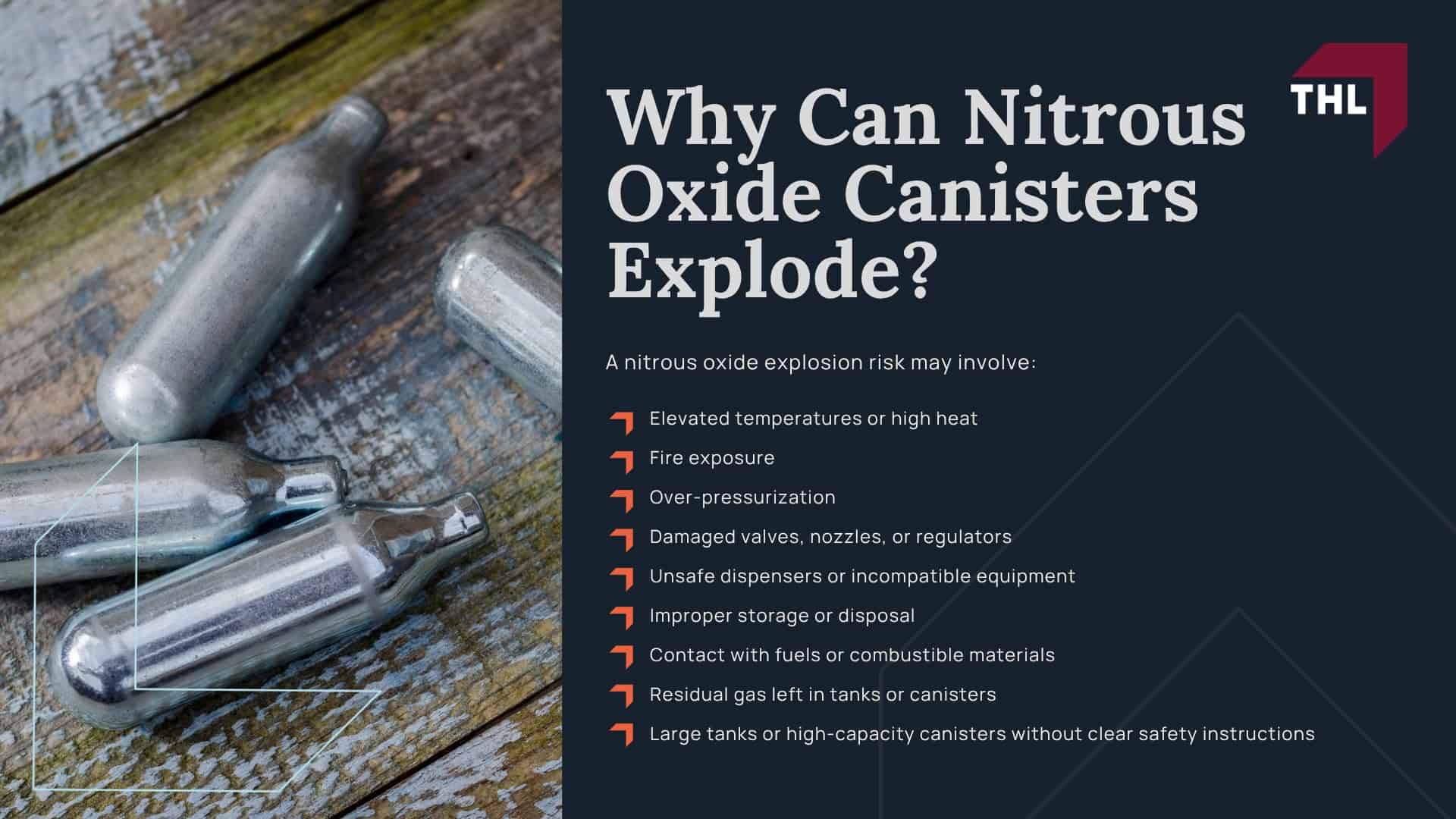
A nitrous oxide explosion risk may involve:
These risks may be more serious when products are sold in large containers, used with accessories that are not properly matched to the product, or distributed without clear warnings about heat, pressure, combustion, storage, and disposal hazards.
Nitrous oxide canisters and tanks are pressurized containers.
Some products are small whipped cream chargers, while others are large tanks or flavored canisters sold for culinary use.
Larger containers may hold more nitrous oxide gas and may create greater pressure-related risks if they are heated, punctured, damaged, or improperly handled.
The physical properties of nitrous oxide matter. When liquid nitrous oxide is stored in a sealed tank, changes in temperature can affect vapor pressure inside the container.
If the pressure rises, the tank, valve, or dispenser may fail.

Pressurized nitrous oxide products may include:
Heat exposure is one of the major pressure-related risks for nitrous oxide canisters.
When a pressurized container is exposed to elevated temperatures, direct sunlight, fire, hot vehicles, high heat, or nearby ignition sources, the pressure inside the canister may increase.
Over-pressurization may cause a canister or tank to rupture, burst, or explode.
Even when a container does not explode, leaking nitrous oxide may displace oxygen, create inhalation hazards, and intensify fire when combustible materials are present.

Storage risks may include:
Valves, nozzles, regulators, and dispensers help control how nitrous oxide is released from a canister or tank.
If this equipment is defective, incompatible, poorly designed, or used with the wrong container, gas may leak or release unexpectedly.
A defective valve or regulator may create pressure control problems.
A damaged nozzle or unsafe dispenser may cause rapid gas release, cold burns, equipment rupture, or ignition hazards if the gas is released near fuels, heat, sparks, or flames.

Equipment-related allegations may involve:
Yes.
Although nitrous oxide is not generally classified as a flammable gas, pressurized nitrous oxide containers can contribute to fires and explosions under certain conditions.
Safety agencies and product safety data sheets warn that nitrous oxide may accelerate combustion, increase fire intensity, and create additional hazards when cylinders are exposed to heat, flames, sparks, or combustible materials.
Pressurized containers may also rupture violently if internal pressure rises beyond the limits the container was designed to withstand.
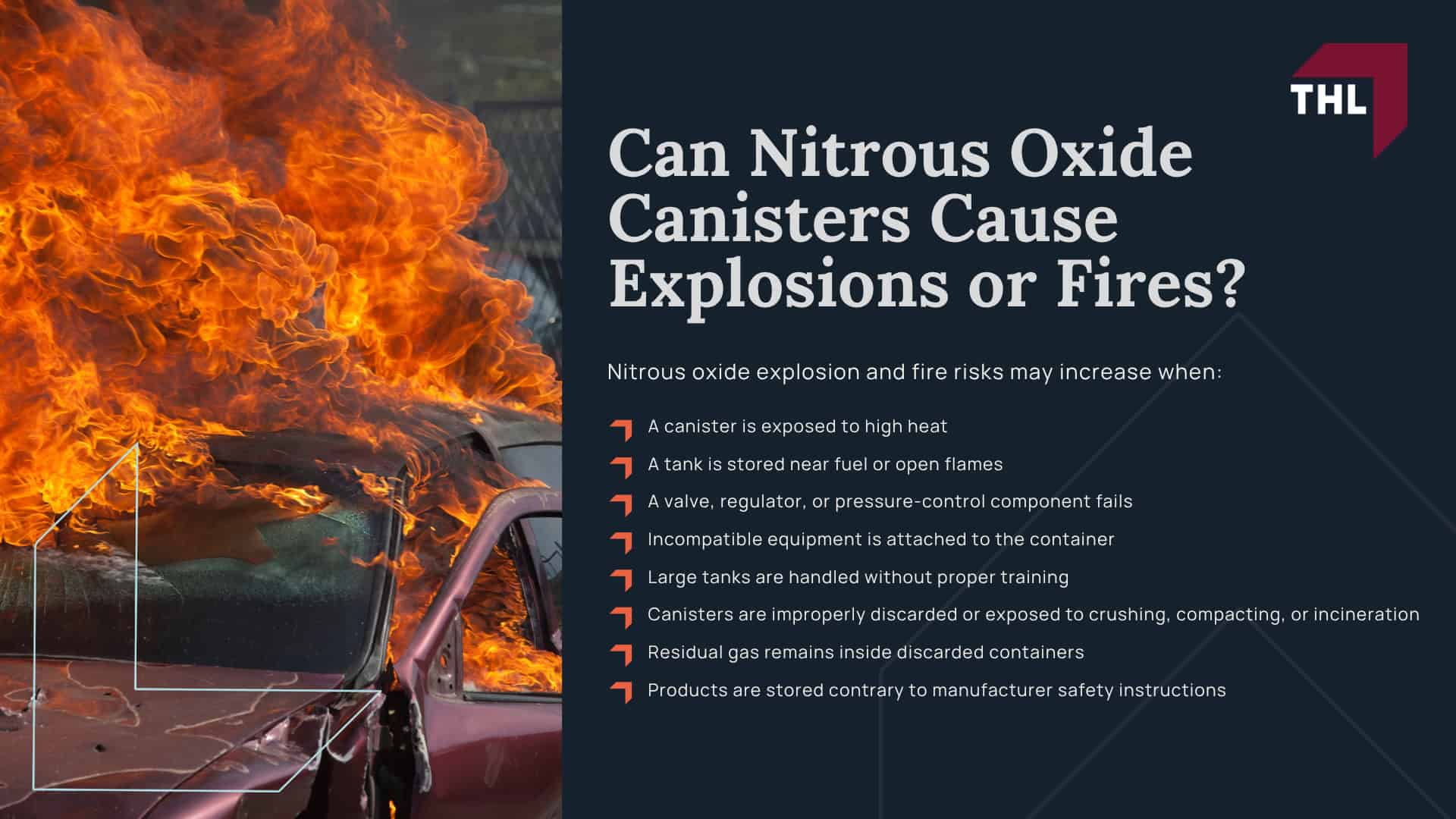
Nitrous oxide explosion and fire risks may increase when:
Because nitrous oxide can both support combustion and remain stored under significant pressure, an incident may cause burns, blast injuries, flying debris, property damage, and other serious harm even when the gas itself is not the original source of ignition.
A nitrous oxide canister explosion may cause severe injuries through fire, heat, pressure release, flying debris, or the force of the blast itself.
The severity of the injuries often depends on the size of the container, the amount of gas involved, the proximity of the injured person to the explosion, and whether the incident also involved a fire.
Some victims require emergency medical treatment, hospitalization, surgery, burn care, reconstructive procedures, or long-term rehabilitation.

Potential injuries may include:
In some cases, victims may also suffer psychological injuries, including anxiety, depression, sleep disturbances, or emotional trauma following a serious explosion or fire.
The long-term effects often depend on the nature of the injuries, the treatment required, and whether permanent impairments remain after recovery.
Nitrous oxide canisters may be sold legally for legitimate uses, including making whipped cream, medical anesthesia, dental pain relief, and certain industrial applications.
The World Health Organization has recognized nitrous oxide as an anesthetic medicine, and it remains used in lawful medical and commercial settings.
The legal issue is not simply whether nitrous oxide can be sold.
Lawsuits may focus on whether companies sold, marketed, distributed, or failed to restrict nitrous oxide products in ways that encouraged recreational use, unsafe handling, drug use, or misuse.
Legal access may depend on location.
The UK government restricted nitrous oxide possession for wrongful inhalation and made recreational purposes unlawful under controlled drug rules, with penalties that may include an unlimited fine in some circumstances.
South Australia has also restricted retail sale conditions, including age and late-night sale rules.
Drug Science and other drug policy groups have discussed how restrictions, health warnings, and public health education may affect nitrous oxide misuse.

Nitrous oxide canisters may be sold as:
State rules vary.
A lawsuit may depend on where the product was sold, what the seller knew, and whether the product was intended for legitimate use or foreseeable recreational misuse.
Allegations against nitrous oxide manufacturers and sellers may focus on whether companies knew or should have known that their products could create explosion, fire, burn, pressure, inhalation, or health risks.

Potential defendants may include:
Claims may allege that these companies failed to warn about explosion risks, pressure hazards, combustion hazards, fire risks, improper disposal, and injuries linked to recreational use.
Claims may also allege that certain products were marketed in ways that made misuse foreseeable.
A failure-to-warn claim may allege that nitrous oxide manufacturers and sellers did not provide adequate warnings about explosion, fire, burn, pressure, heat, and storage hazards.
Warnings may be especially important because nitrous oxide is widely recognized as laughing gas, a medical anesthetic, and a whipped cream product.
Consumers may not understand that nitrous oxide supports combustion, that a pressurized container may explode if heated, or that unsafe storage can create serious risks.

A lawsuit may examine whether warnings clearly addressed:
Failure-to-warn claims may also examine whether warnings were visible, specific, understandable, and strong enough to inform consumers of the actual risks.
A product defect claim may allege that a nitrous oxide canister, tank, valve, nozzle, regulator, dispenser, or packaging system was unsafe.
These claims may involve design defects, manufacturing defects, inadequate pressure controls, or insufficient instructions.
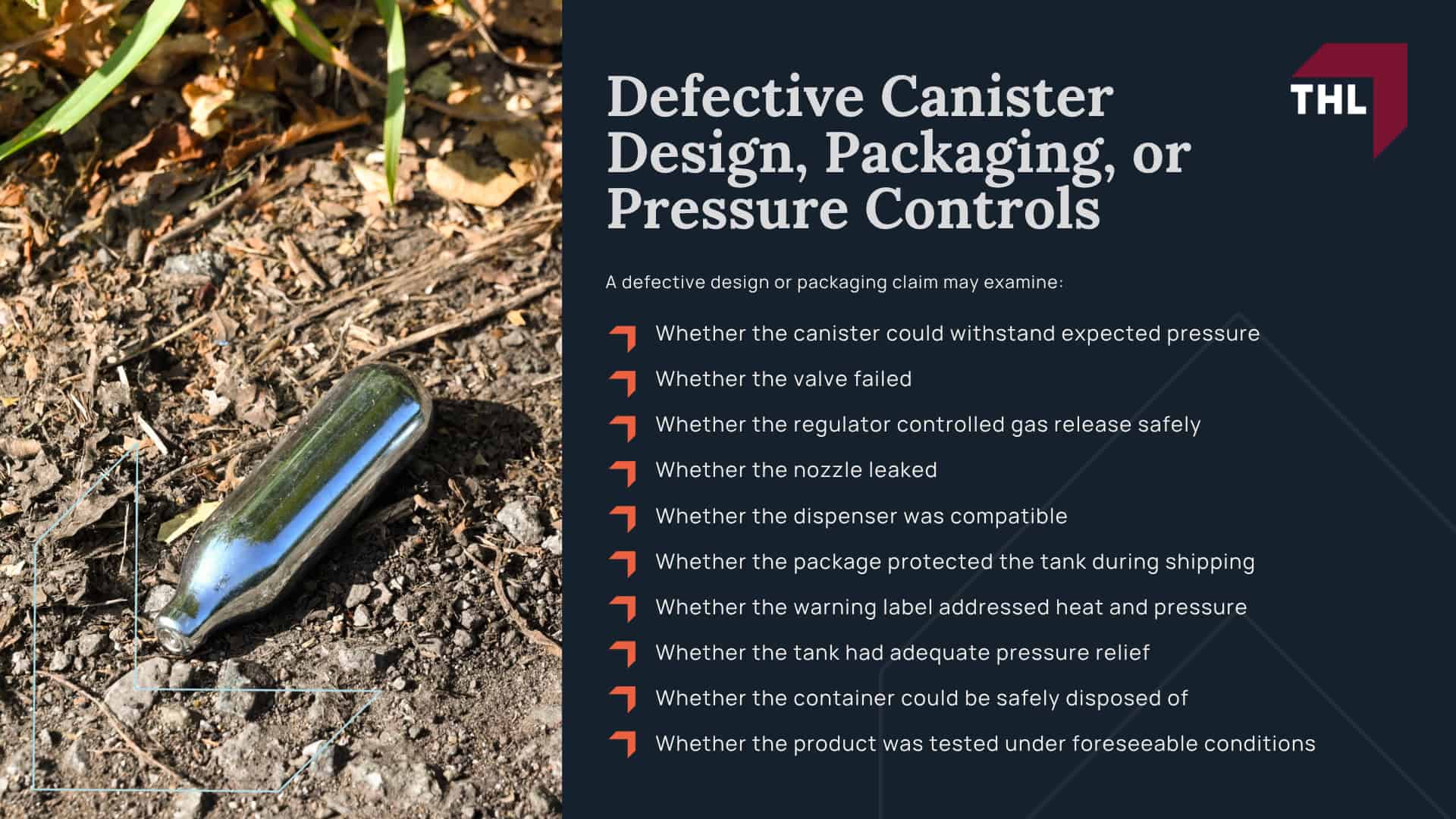
A defective design or packaging claim may examine:
If a canister ruptured, exploded, or intensified a fire, investigators may review the tank, valve, materials, manufacturing records, storage conditions, and incident scene.
Marketing claims may allege that certain nitrous oxide products were packaged, flavored, promoted, or sold in ways that encouraged misuse.
Plaintiffs may argue that large canisters were not marketed only to chefs, restaurants, or commercial food-service users, but were instead made appealing to recreational users.

Marketing factors may include:
A nitrous oxide explosion lawsuit may allege that foreseeable misuse increased the likelihood of unsafe storage, unsafe handling, inhalation, fire, pressure failure, and explosion.
Nitrous oxide products may be sold through smoke shops, gas stations, vape shops, convenience stores, online marketplaces, and third-party sellers.
Lawsuits may examine whether these sales channels made it more likely that products would be used recreationally rather than for legitimate whipped cream or culinary purposes.
Sales through smoke shops or gas stations may be relevant because those locations are not commonly associated with commercial food production.
Online retailers may also face questions if customers purchased large amounts repeatedly, bought accessories, or left reviews indicating recreational use.

A claim may investigate:
These facts may help determine whether a manufacturer, distributor, retailer, or online seller can be held accountable.
You may qualify for a nitrous oxide explosion lawsuit if you were injured when a nitrous oxide canister, tank, charger, valve, regulator, dispenser, or related product exploded, burst, ruptured, leaked, or contributed to a fire.

Potential qualifying injuries may include:
Your claim may depend on the product used, where it was purchased, how it was stored, whether heat or pressure was involved, whether the valve or equipment failed, and what warnings were provided.
Evidence is critical in a nitrous oxide explosion claim.
The goal is to show what product was involved, where it came from, how it failed, what warnings were provided, and how the explosion caused injury.
Useful evidence may include:
Do not throw away the canister, tank, valve, regulator, packaging, or damaged equipment.
These items may be essential evidence in a product liability investigation.
Compensation in a nitrous oxide explosion lawsuit may depend on the severity of the injury, the medical treatment required, the long-term prognosis, and how the explosion affects daily life.
A lawsuit may seek compensation for damages sustained.
Damages include:
No lawsuit can guarantee compensation.
A nitrous oxide explosion claim requires evidence that a product defect, inadequate warning, negligent sale, unsafe marketing practice, or other legally actionable conduct contributed to the injury.
If you were injured by a nitrous oxide explosion, seek emergency medical care immediately.
Move to fresh air if nitrous oxide gas is present, but do not re-enter an unsafe area or attempt to handle a leaking or damaged tank.
Steps to take may include:
A lawyer can help determine whether the explosion was linked to defective design, poor warnings, unsafe storage instructions, pressure failure, or other product-related factors.
If you suffered burns, blast injuries, eye trauma, hearing damage, respiratory injuries, scarring, nerve damage, spinal cord injury, permanent damage, or the death of a loved one after a nitrous oxide explosion, TorHoerman Law can review your potential claim.
Nitrous oxide explosion cases may involve complex product liability, chemical safety, occupational safety, and public health questions.
A lawyer may need to investigate the canister, tank, valve, regulator, dispenser, physical properties of the gas, temperature conditions, pressure data, storage instructions, warning labels, sale records, and incident scene.

TorHoerman Law is actively investigating claims involving nitrous oxide products, including Galaxy Gas, whippets, whipped cream chargers, large tanks, metal canisters, and products sold through smoke shops, gas stations, online retailers, and other sellers.
Contact TorHoerman Law today for a free consultation.
You can also use the chatbot on this page to see if you qualify instantly.


