Chicago
Case Types We Handle
Personal Injuries
Car Accidents
Truck Accidents
Motorcycle Accidents
Bicycle Accidents
Construction Accidents
Nursing Home Abuse
Wrongful Death
Slip and Fall Accidents
Daycare Injury & Abuse
Edwardsville
Case Types We Handle
Personal Injuries
Car Accidents
Truck Accidents
Motorcycle Accidents
Bicycle Accidents
Nursing Home Abuse
Wrongful Death
Slip and Fall Accidents
Daycare Injury & Abuse
Premises Liability
St. Louis
Case Types We Handle
Personal Injuries
Car Accidents
Truck Accidents
Motorcycle Accidents
Bicycle Accidents
Construction Accidents
Nursing Home Abuse
Wrongful Death
Slip and Fall Accidents
Daycare Injury & Abuse
Dangerous Drugs
Defective Products
Chemical Exposure

Nitrous Oxide Spinal Cord Injury Lawsuit

4.9
Google
•
677 reviews

Nitrous Oxide Spinal Cord Injury Lawsuit Overview

Nitrous oxide misuse has been linked to serious spinal cord and neurological injuries, including subacute combined degeneration, myelopathy, peripheral neuropathy, impaired mobility, and paralysis.

Recreational inhalation can interfere with vitamin B12 function and may damage parts of the nervous system responsible for movement, balance, sensation, and coordination.

Lawsuits are investigating whether certain nitrous oxide products were marketed, flavored, packaged, distributed, or sold in ways that made recreational misuse foreseeable while failing to adequately warn consumers about the risk of severe neurological injury.

If you developed spinal cord damage, loss of mobility, paralysis, or another serious neurological condition after using nitrous oxide products, TorHoerman Law can review your potential claim during a free consultation.

Nitrous Oxide Spinal Cord Injury Lawsuit; What Is the Nitrous Oxide Spinal Cord Injury Lawsuit About; Why Is Nitrous Oxide Linked to Spinal Cord Injuries; Nitrous Oxide and Vitamin B12 Inactivation; Myelopathy, Neuropathy, and Loss of Mobility; Can Nitrous Oxide Cause Spinal Cord Damage; Symptoms of Nitrous Oxide-Related Spinal Cord Injury; Nitrous Oxide Products Named in Spinal Cord Injury Lawsuits; Galaxy Gas Spinal Cord Injury Lawsuit; Whippets and Nitrous Oxide Charger Injury Claims; Large Nitrous Oxide Canisters and Neurological Injury Risks; How Are Nitrous Oxide Canisters Sold Legally; Allegations Against Nitrous Oxide Manufacturers and Sellers; Failure to Warn About Peripheral Neuropathy and Nerve Damage; Marketing Products for Foreseeable Recreational Misuse; Sales Through Smoke Shops, Gas Stations, and Online Retailers; Who May Qualify for a Nitrous Oxide Spinal Cord Injury Lawsuit; TorHoerman Law_ Contact a Nitrous Oxide Spinal Cord Injury Lawsuit Lawyer

TorHoerman Law Is Investigating Nitrous Oxide Spinal Cord Injury Claims

Nitrous oxide has legitimate uses in medicine, dentistry, and food preparation, but recreational inhalation presents a very different set of risks.

Medical researchers and public health authorities have linked repeated nitrous oxide exposure to serious neurological complications involving the spinal cord, peripheral nerves, and brain.

One of the primary concerns is the ability of nitrous oxide to inactivate vitamin B12, which plays a critical role in maintaining healthy nerve tissue and spinal cord function.

As neurological damage progresses, some users develop numbness, weakness, impaired balance, difficulty walking, loss of mobility, bowel or bladder dysfunction, and, in severe cases, paralysis.

Lawsuits are investigating whether manufacturers, distributors, retailers, and online sellers adequately warned consumers about these risks while continuing to sell products that were allegedly marketed in ways that made recreational misuse foreseeable.

These claims may involve flavored nitrous oxide canisters, whipped cream chargers, large tanks, and other products sold through smoke shops, gas stations, convenience stores, online marketplaces, and similar retail channels.

A successful claim often depends on medical evidence linking nitrous oxide exposure to spinal cord injury, subacute combined degeneration, peripheral neuropathy, or other neurological complications.

A spinal cord injury claim requires a careful review of the product used, where it was purchased, how it was marketed, what warnings were provided, and how nitrous oxide exposure contributed to the injury.

If you suffered spinal cord damage, nerve damage, impaired mobility, paralysis, or another serious neurological injury after using nitrous oxide, contact TorHoerman Law today for a free consultation.

You can also use the chatbot on this page to see if you qualify instantly.

What Is the Nitrous Oxide Spinal Cord Injury Lawsuit About?

The nitrous oxide spinal cord injury lawsuit focuses on claims by people who developed spinal cord damage, peripheral nerve damage, nitrous oxide induced neuropathy, partial paralysis, loss of mobility, or other neurological complications after recreational nitrous oxide use.

Nitrous oxide, commonly known as laughing gas, has accepted uses in medicine, dentistry, and making whipped cream.

Lawsuits may allege that certain nitrous oxide products were packaged, flavored, marketed, or sold in ways that made recreational use foreseeable, especially when metal canisters, whipped cream chargers, and large flavored tanks were sold through smoke shops, gas stations, online retailers, and other channels commonly associated with recreational drug use.

What Is the Nitrous Oxide Spinal Cord Injury Lawsuit About

These cases may involve people who used nitrous oxide in large quantities, people with prolonged exposure, and people with chronic nitrous oxide abuse.

A claim may investigate whether manufacturers, distributors, retailers, and online sellers failed to warn that nitrous oxide exposure can affect the spinal cord, brain, peripheral nervous system, and broader nervous system.

Why Is Nitrous Oxide Linked to Spinal Cord Injuries?

Nitrous oxide is linked to spinal cord injuries because nitrous oxide toxicity can interfere with vitamin B12 function, oxygen supply, and nerve signaling.

Nitrous oxide neurotoxicity may damage the spinal cord and peripheral nerves, especially when recreational users inhale large amounts or use nitrous oxide repeatedly over time.

One major concern is subacute combined degeneration, a condition involving damage to parts of the spinal cord that help control movement, balance, sensation, and joint position sense.

When nitrous oxide affects vitamin B12 activity, patients may develop neurological symptoms even when ordinary blood tests do not clearly show severe B12 deficiency.

What Is the Nitrous Oxide Spinal Cord Injury Lawsuit About; Why Is Nitrous Oxide Linked to Spinal Cord Injuries

Nitrous oxide-related spinal cord injury may involve:

  • Spinal cord damage
  • Subacute combined degeneration
  • Myelopathy
  • Peripheral neuropathy
  • Sensorimotor neuropathy
  • Peripheral nerve damage
  • Nerve damage in the legs, feet, arms, or hands
  • Difficulty walking
  • Loss of coordination
  • Bowel urgency or bladder problems
  • Partial paralysis
  • Permanent disability

The risk may be higher for people with chronic nitrous oxide use, prolonged exposure, folate deficiency, copper deficiency, pernicious anaemia, existing B12 deficiency, or delayed treatment.

Nitrous Oxide and Vitamin B12 Inactivation

Vitamin B12 is essential for healthy nerve and spinal cord function.

Nitrous oxide can inactivate vitamin B12, which may interfere with the body’s ability to maintain the protective covering around nerves.

This process can affect the spinal cord, brain, and peripheral nervous system.

In clinical practice, doctors may suspect nitrous oxide toxicity when patients presenting to the emergency department report neurological symptoms after recreational nitrous oxide use.

Medical professionals may ask patients to mention nitrous oxide use because the condition can be commonly misdiagnosed or inappropriately treated if nitrous oxide exposure is not disclosed.

What Is the Nitrous Oxide Spinal Cord Injury Lawsuit About; Why Is Nitrous Oxide Linked to Spinal Cord Injuries; Nitrous Oxide and Vitamin B12 Inactivation

Testing may include:

  • Vitamin B12 blood tests
  • Methylmalonic acid testing
  • Homocysteine levels
  • Mean corpuscular volume or corpuscular volume findings
  • Blood counts
  • Folate deficiency screening
  • Copper deficiency screening
  • Magnetic resonance imaging
  • Nerve conduction studies

Some patients may need long term supplementation with vitamin B12.

Early treatment may lead to clinical improvement, but delayed diagnosis can increase the risk of permanent damage.

Subacute Combined Degeneration of the Spinal Cord

Subacute combined degeneration is a serious neurological condition involving the spinal cord.

It is often associated with severe or functional vitamin B12 deficiency and has been reported in people with nitrous oxide abuse, especially after repeated or prolonged recreational nitrous oxide use.

The condition may affect the dorsal columns of the spinal cord, which help control vibration sense, balance, and joint position sense.

When these spinal cord pathways are damaged, a person may develop numbness, tingling, weakness, poor coordination, difficulty walking, or partial paralysis.

British neurologists have published treatment guidelines for nitrous oxide-induced subacute combined degeneration after reported cases increased among young people in the UK.

Researchers affiliated with Queen Mary University of London, the Royal London Hospital, and Barts Health NHS Trust have also described an East London surge in nitrous oxide-related spine damage and neurological symptoms.

Subacute combined degeneration may cause serious and permanent disability if it is not recognised early.

Most patients need immediate cessation of nitrous oxide, vitamin B12 treatment, neurological evaluation, and further investigation into related risk factors.

Myelopathy, Neuropathy, and Loss of Mobility

Nitrous oxide spinal cord injury may involve both myelopathy and neuropathy.

Myelopathy refers to spinal cord dysfunction, while neuropathy refers to nerve damage, often involving the peripheral nervous system. Some patients develop both, creating a pattern of myeloneuropathy.

Clinical manifestations may vary, but the legs are commonly affected.

Patients may suffer weakness, numbness, tingling, impaired balance, difficulty walking, loss of joint position sense, or loss of mobility.

Some patients also develop nerve related symptoms in the arms or hands.

What Is the Nitrous Oxide Spinal Cord Injury Lawsuit About; Why Is Nitrous Oxide Linked to Spinal Cord Injuries; Nitrous Oxide and Vitamin B12 Inactivation; Myelopathy, Neuropathy, and Loss of Mobility

Common clinical features may include:

  • Unsteady gait
  • Leg weakness
  • Numbness or tingling
  • Loss of balance
  • Reduced coordination
  • Burning nerve pain
  • Loss of joint position sense
  • Bowel urgency
  • Bladder dysfunction
  • Falls
  • Partial paralysis
  • Permanent disability

A nitrous oxide spinal cord injury lawsuit may examine whether companies warned users that nitrous oxide use could lead to myelopathy, peripheral neuropathy, sensorimotor neuropathy, and permanent neurological damage.

Can Nitrous Oxide Cause Spinal Cord Damage?

Nitrous oxide misuse may cause or contribute to spinal cord damage, especially when recreational nitrous oxide use is frequent, heavy, or prolonged.

Medical literature has described nitrous oxide-induced subacute combined degeneration, nitrous oxide induced neuropathy, and neurological complications involving the brain, spinal cord, and peripheral nerves.

Not every person who uses nitrous oxide will develop spinal cord damage.

Chronic nitrous oxide abuse, high-volume gas use, existing B12 deficiency, folate deficiency, copper deficiency, pernicious anaemia, and delayed treatment may place some users at higher risk.

What Is the Nitrous Oxide Spinal Cord Injury Lawsuit About; Why Is Nitrous Oxide Linked to Spinal Cord Injuries; Nitrous Oxide and Vitamin B12 Inactivation; Myelopathy, Neuropathy, and Loss of Mobility; Can Nitrous Oxide Cause Spinal Cord Damage

Patients should seek medical help if they develop neurological symptoms after nitrous oxide use.

Doctors may need a high index of suspicion because nitrous oxide-related spinal cord injury can resemble other conditions, including Guillain Barre syndrome, multiple sclerosis, or other neurological disorders.

Symptoms of Nitrous Oxide-Related Spinal Cord Injury

Symptoms of nitrous oxide-related spinal cord injury may begin gradually and worsen over time.

Some recreational users first notice numbness or tingling before developing weakness, balance problems, difficulty walking, or bowel and bladder symptoms.

What Is the Nitrous Oxide Spinal Cord Injury Lawsuit About; Why Is Nitrous Oxide Linked to Spinal Cord Injuries; Nitrous Oxide and Vitamin B12 Inactivation; Myelopathy, Neuropathy, and Loss of Mobility; Can Nitrous Oxide Cause Spinal Cord Damage; Symptoms of Nitrous Oxide-Related Spinal Cord Injury

Symptoms may include:

  • Numbness in the legs, feet, arms, or hands
  • Tingling or burning nerve sensations
  • Weakness in the legs or arms
  • Difficulty walking
  • Loss of balance
  • Poor coordination
  • Reduced joint position sense
  • Falls or trouble standing
  • Bowel urgency
  • Bladder problems
  • Neuropathy
  • Partial paralysis
  • Paralysis
  • Confusion, memory problems, or other neurological symptoms
  • Anxiety, depression, hallucinations, or other mental health symptoms

Patients may require magnetic resonance imaging, nerve conduction studies, blood tests, and further investigation to determine whether nitrous oxide exposure contributed to spinal cord damage, peripheral neuropathy, or other neurological damage.

Nitrous Oxide Products Named in Spinal Cord Injury Lawsuits

Nitrous oxide products named in lawsuits, public warnings, and legal investigations include whipped cream chargers, large nitrous oxide canisters, flavored tanks, and products marketed for culinary use.

These products may be sold legally for food preparation, but lawsuits allege that certain companies knew or should have known that many consumers were buying them for recreational nitrous oxide use.

What Is the Nitrous Oxide Spinal Cord Injury Lawsuit About; Why Is Nitrous Oxide Linked to Spinal Cord Injuries; Nitrous Oxide and Vitamin B12 Inactivation; Myelopathy, Neuropathy, and Loss of Mobility; Can Nitrous Oxide Cause Spinal Cord Damage; Symptoms of Nitrous Oxide-Related Spinal Cord Injury; Nitrous Oxide Products Named in Spinal Cord Injury Lawsuits

Products and brands discussed in warnings or lawsuits may include:

  • Galaxy Gas
  • Whippets or whip-its
  • Whipped cream chargers
  • Nitrous oxide chargers
  • Large nitrous oxide canisters
  • Flavored nitrous oxide tanks
  • Metal canisters
  • Products sold on Amazon or other online retailers
  • Products sold through smoke shops, vape shops, gas stations, and convenience stores
  • Balloons, nozzles, crackers, dispensers, or related accessories

A nitrous oxide spinal cord injury claim may review the exact product used, the seller, the product label, warnings, flavoring, marketing, purchase history, and whether the product was sold in a way that made recreational inhalation foreseeable.

Galaxy Gas Spinal Cord Injury Lawsuit

A Galaxy Gas spinal cord injury lawsuit may involve people who suffered neurological damage, nerve damage, peripheral neuropathy, spinal cord damage, loss of mobility, or partial paralysis after using Galaxy Gas nitrous oxide products.

Galaxy Gas products have been discussed in lawsuits and legal investigations involving flavored nitrous oxide canisters allegedly sold as culinary products.

Plaintiffs may claim that the branding, flavors, size, retail placement, and online availability of these products encouraged recreational nitrous oxide use, especially among young people and recreational users.

What Is the Nitrous Oxide Spinal Cord Injury Lawsuit About; Why Is Nitrous Oxide Linked to Spinal Cord Injuries; Nitrous Oxide and Vitamin B12 Inactivation; Myelopathy, Neuropathy, and Loss of Mobility; Can Nitrous Oxide Cause Spinal Cord Damage; Symptoms of Nitrous Oxide-Related Spinal Cord Injury; Nitrous Oxide Products Named in Spinal Cord Injury Lawsuits; Galaxy Gas Spinal Cord Injury Lawsuit

Potential allegations in a Galaxy Gas spinal cord injury claim may include:

  • Failure to warn about spinal cord damage
  • Failure to warn about vitamin B12 inactivation
  • Failure to warn about nitrous oxide neurotoxicity
  • Failure to warn about peripheral nerve damage
  • Marketing flavored products in ways that made misuse foreseeable
  • Selling products through smoke shops, gas stations, and online sellers
  • Minimizing the risk of serious neurological complications

These claims require careful review of the product, the seller, the injuries, the warnings provided, and the medical evidence connecting nitrous oxide exposure to spinal cord injury.

Whippets and Nitrous Oxide Charger Injury Claims

Whippets, sometimes spelled whip-its, usually refer to small nitrous oxide chargers used in whipped cream dispensers.

Although these products have legitimate culinary uses, they may be dangerous when people inhale the gas directly or transfer nitrous oxide into balloons for recreational use.

Whippets and nitrous oxide charger injury claims may involve people who developed nitrous oxide induced neuropathy, spinal cord damage, peripheral nerve damage, or other neurological complications after repeated nitrous oxide use.

Some users inhale many chargers in a short period, while others develop chronic nitrous oxide abuse over weeks, months, or years.

What Is the Nitrous Oxide Spinal Cord Injury Lawsuit About; Why Is Nitrous Oxide Linked to Spinal Cord Injuries; Nitrous Oxide and Vitamin B12 Inactivation; Myelopathy, Neuropathy, and Loss of Mobility; Can Nitrous Oxide Cause Spinal Cord Damage; Symptoms of Nitrous Oxide-Related Spinal Cord Injury; Nitrous Oxide Products Named in Spinal Cord Injury Lawsuits; Galaxy Gas Spinal Cord Injury Lawsuit; Whippets and Nitrous Oxide Charger Injury Claims

These claims may involve:

  • Whipped cream chargers
  • Small nitrous oxide cartridges
  • Boxes of chargers purchased online
  • Nitrous oxide crackers or dispensers
  • Balloons used to inhale gas
  • Repeated recreational nitrous oxide use
  • Numbness, tingling, weakness, neuropathy, or loss of mobility

A lawsuit may allege that sellers failed to warn that nitrous oxide toxicity can affect the nervous system, spinal cord, vitamin B12 function, and peripheral nerves.

Large Nitrous Oxide Canisters and Neurological Injury Risks

Large nitrous oxide canisters may increase neurological injury risks because they can contain far more gas than small whipped cream chargers.

Lawsuits may allege that large canisters made it easier for users to inhale large quantities of nitrous oxide, increasing the risk of oxygen deprivation, B12 deficiency, spinal cord damage, and peripheral neuropathy.

Large canisters may be especially relevant when they are flavored, sold online, or distributed through retail channels not commonly associated with professional food preparation.

Recreational users may inhale directly from canisters, dispense gas into balloons, or use accessories that allow repeated inhalation.

What Is the Nitrous Oxide Spinal Cord Injury Lawsuit About; Why Is Nitrous Oxide Linked to Spinal Cord Injuries; Nitrous Oxide and Vitamin B12 Inactivation; Myelopathy, Neuropathy, and Loss of Mobility; Can Nitrous Oxide Cause Spinal Cord Damage; Symptoms of Nitrous Oxide-Related Spinal Cord Injury; Nitrous Oxide Products Named in Spinal Cord Injury Lawsuits; Galaxy Gas Spinal Cord Injury Lawsuit; Whippets and Nitrous Oxide Charger Injury Claims; Large Nitrous Oxide Canisters and Neurological Injury Risks

Risks associated with large nitrous oxide canisters may include:

  • High-volume gas use
  • Prolonged exposure
  • Chronic nitrous oxide abuse
  • Oxygen deprivation
  • Loss of consciousness
  • Brain injury
  • Spinal cord injury
  • Peripheral nerve damage
  • Neuropathy
  • Difficulty walking
  • Partial paralysis
  • Delayed medical care

A nitrous oxide spinal cord injury lawsuit may examine whether the size, flavoring, packaging, labeling, and sale of large canisters contributed to foreseeable recreational misuse.

How Are Nitrous Oxide Canisters Sold Legally?

Nitrous oxide canisters may be sold legally for legitimate purposes, including whipped cream preparation, culinary use, medical use, dental use, and certain industrial applications.

Nitrous oxide is not automatically illegal because it can be used in lawful settings.

The legal issue is whether companies sold, marketed, distributed, or failed to restrict nitrous oxide products in ways that encouraged recreational inhalation rather than legitimate use.

Lawsuits may focus on whether sellers ignored signs of nitrous oxide abuse, especially when customers bought large quantities, flavored canisters, or related accessories.

What Is the Nitrous Oxide Spinal Cord Injury Lawsuit About; Why Is Nitrous Oxide Linked to Spinal Cord Injuries; Nitrous Oxide and Vitamin B12 Inactivation; Myelopathy, Neuropathy, and Loss of Mobility; Can Nitrous Oxide Cause Spinal Cord Damage; Symptoms of Nitrous Oxide-Related Spinal Cord Injury; Nitrous Oxide Products Named in Spinal Cord Injury Lawsuits; Galaxy Gas Spinal Cord Injury Lawsuit; Whippets and Nitrous Oxide Charger Injury Claims; Large Nitrous Oxide Canisters and Neurological Injury Risks; How Are Nitrous Oxide Canisters Sold Legally

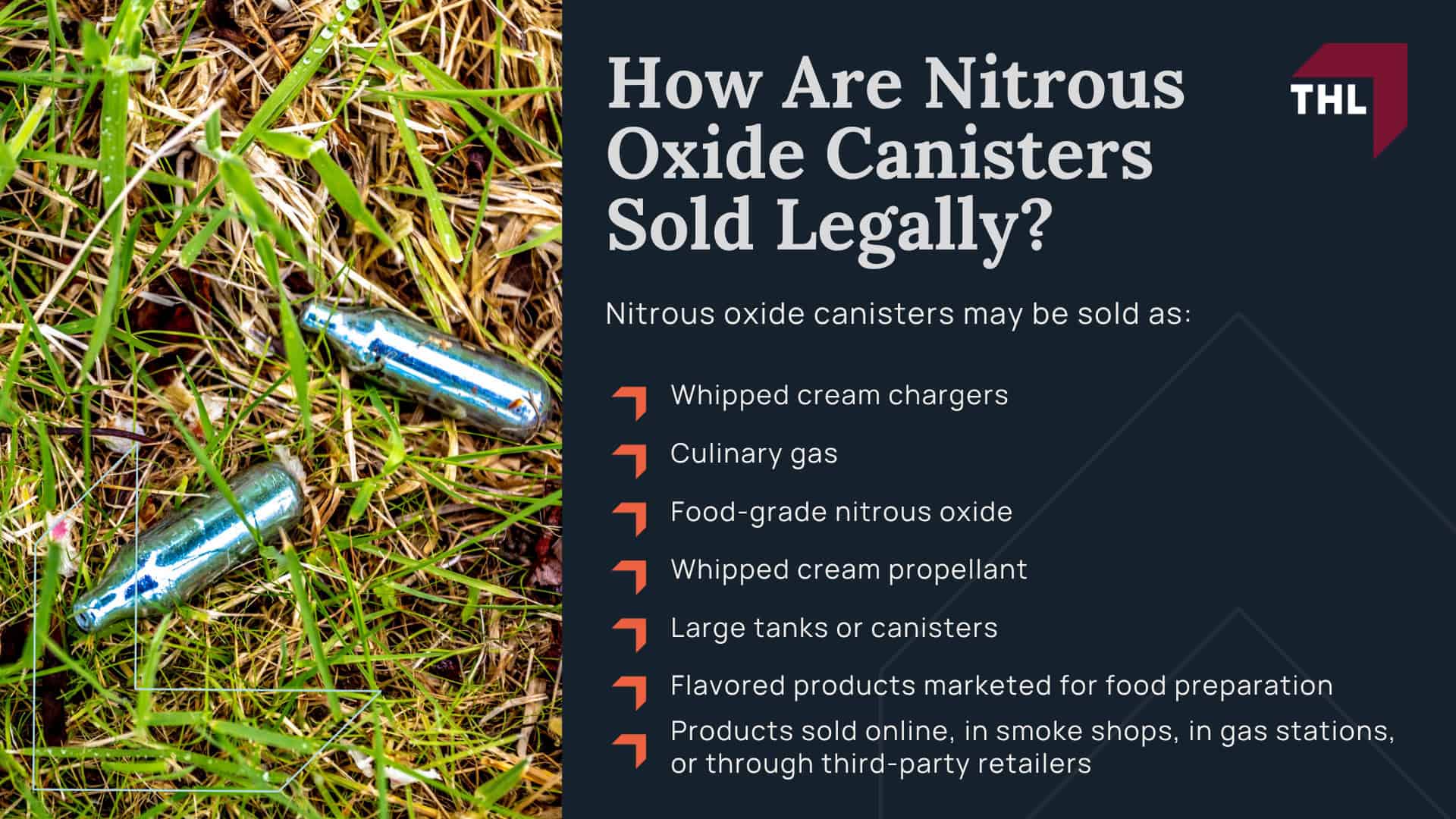
Nitrous oxide canisters may be sold as:

  • Whipped cream chargers
  • Culinary gas
  • Food-grade nitrous oxide
  • Whipped cream propellant
  • Large tanks or canisters
  • Flavored products marketed for food preparation
  • Products sold online, in smoke shops, in gas stations, or through third-party retailers

State laws vary.

Some laws restrict sales when a seller knows or should know that nitrous oxide will be used as a recreational drug.

Allegations Against Nitrous Oxide Manufacturers and Sellers

Allegations against nitrous oxide manufacturers and sellers may focus on whether companies knew or should have known that their products were being misused for recreational inhalation.

Plaintiffs may claim that companies continued selling flavored canisters, large tanks, chargers, and accessories despite evidence that consumers were inhaling nitrous oxide to get high.

What Is the Nitrous Oxide Spinal Cord Injury Lawsuit About; Why Is Nitrous Oxide Linked to Spinal Cord Injuries; Nitrous Oxide and Vitamin B12 Inactivation; Myelopathy, Neuropathy, and Loss of Mobility; Can Nitrous Oxide Cause Spinal Cord Damage; Symptoms of Nitrous Oxide-Related Spinal Cord Injury; Nitrous Oxide Products Named in Spinal Cord Injury Lawsuits; Galaxy Gas Spinal Cord Injury Lawsuit; Whippets and Nitrous Oxide Charger Injury Claims; Large Nitrous Oxide Canisters and Neurological Injury Risks; How Are Nitrous Oxide Canisters Sold Legally; Allegations Against Nitrous Oxide Manufacturers and Sellers

Potential defendants may include:

  • Nitrous oxide manufacturers
  • Product distributors
  • Smoke shops
  • Vape shops
  • Gas stations
  • Convenience stores
  • Online sellers
  • Amazon or other online marketplaces
  • Third-party sellers
  • Retailers that sold chargers, canisters, balloons, or accessories

Claims may allege that these companies failed to warn about nitrous oxide spinal cord injury, permanent disability, nerve damage, B12 deficiency, and other neurological complications.

They may also allege that certain products were marketed in ways that made misuse foreseeable.

Failure to Warn About Spinal Cord Damage and Nerve Injury

A failure-to-warn claim may allege that nitrous oxide manufacturers and sellers did not provide adequate warnings about spinal cord damage, nerve injury, peripheral neuropathy, nitrous oxide neurotoxicity, vitamin B12 inactivation, hypoxia, and permanent disability.

Warnings may be especially important because some recreational users believe nitrous oxide is harmless because it is used in medicine or whipped cream products.

Supervised medical use is different from inhaling nitrous oxide from canisters, tanks, chargers, or balloons without oxygen monitoring or medical supervision.

What Is the Nitrous Oxide Spinal Cord Injury Lawsuit About; Why Is Nitrous Oxide Linked to Spinal Cord Injuries; Nitrous Oxide and Vitamin B12 Inactivation; Myelopathy, Neuropathy, and Loss of Mobility; Can Nitrous Oxide Cause Spinal Cord Damage; Symptoms of Nitrous Oxide-Related Spinal Cord Injury; Nitrous Oxide Products Named in Spinal Cord Injury Lawsuits; Galaxy Gas Spinal Cord Injury Lawsuit; Whippets and Nitrous Oxide Charger Injury Claims; Large Nitrous Oxide Canisters and Neurological Injury Risks; How Are Nitrous Oxide Canisters Sold Legally; Allegations Against Nitrous Oxide Manufacturers and Sellers; Failure to Warn About Peripheral Neuropathy and Nerve Damage

A lawsuit may examine whether warnings clearly addressed:

  • Nitrous oxide spinal cord injury
  • Subacute combined degeneration
  • Nitrous oxide induced neuropathy
  • Peripheral nerve damage
  • Permanent nerve damage
  • Permanent disability
  • Brain and spinal cord injury
  • Vitamin B12 inactivation
  • Hypoxia and loss of consciousness
  • Bowel urgency or bladder complications
  • Risks from chronic nitrous oxide abuse
  • The need to seek medical help for neurological symptoms

Failure-to-warn claims may also review whether warnings were visible, specific, understandable, and strong enough to inform consumers of the actual risks.

Marketing Products for Foreseeable Recreational Misuse

Marketing claims may allege that certain nitrous oxide products were packaged, flavored, promoted, or sold in ways that made recreational misuse foreseeable.

Plaintiffs may argue that large flavored canisters were not marketed only to chefs or food-service professionals but were instead made appealing to recreational users.

What Is the Nitrous Oxide Spinal Cord Injury Lawsuit About; Why Is Nitrous Oxide Linked to Spinal Cord Injuries; Nitrous Oxide and Vitamin B12 Inactivation; Myelopathy, Neuropathy, and Loss of Mobility; Can Nitrous Oxide Cause Spinal Cord Damage; Symptoms of Nitrous Oxide-Related Spinal Cord Injury; Nitrous Oxide Products Named in Spinal Cord Injury Lawsuits; Galaxy Gas Spinal Cord Injury Lawsuit; Whippets and Nitrous Oxide Charger Injury Claims; Large Nitrous Oxide Canisters and Neurological Injury Risks; How Are Nitrous Oxide Canisters Sold Legally; Allegations Against Nitrous Oxide Manufacturers and Sellers; Failure to Warn About Peripheral Neuropathy and Nerve Damage; Marketing Products for Foreseeable Recreational Misuse

Marketing factors may include:

  • Flavored nitrous oxide products
  • Colorful packaging
  • Social media promotion
  • Online listings that suggested recreational use
  • Product reviews discussing inhalation
  • Bundled accessories
  • Large quantities sold to individual consumers
  • Repeated purchases without warnings or restrictions
  • Sales through smoke shops, vape shops, and gas stations

A nitrous oxide spinal cord injury lawsuit may allege that companies profited from foreseeable misuse while presenting products as legal culinary gas.

Sales Through Smoke Shops, Gas Stations, and Online Retailers

Nitrous oxide products may be sold through smoke shops, gas stations, vape shops, convenience stores, online marketplaces, and third-party sellers.

Lawsuits may examine whether these sales channels made it more likely that products would be used recreationally rather than for legitimate whipped cream or food preparation.

Sales through smoke shops or gas stations may be relevant because those locations are not commonly associated with commercial culinary use.

Online retailers may also face questions if users purchased large quantities repeatedly, bought related accessories, or left reviews indicating recreational nitrous oxide use.

What Is the Nitrous Oxide Spinal Cord Injury Lawsuit About; Why Is Nitrous Oxide Linked to Spinal Cord Injuries; Nitrous Oxide and Vitamin B12 Inactivation; Myelopathy, Neuropathy, and Loss of Mobility; Can Nitrous Oxide Cause Spinal Cord Damage; Symptoms of Nitrous Oxide-Related Spinal Cord Injury; Nitrous Oxide Products Named in Spinal Cord Injury Lawsuits; Galaxy Gas Spinal Cord Injury Lawsuit; Whippets and Nitrous Oxide Charger Injury Claims; Large Nitrous Oxide Canisters and Neurological Injury Risks; How Are Nitrous Oxide Canisters Sold Legally; Allegations Against Nitrous Oxide Manufacturers and Sellers; Failure to Warn About Peripheral Neuropathy and Nerve Damage; Marketing Products for Foreseeable Recreational Misuse; Sales Through Smoke Shops, Gas Stations, and Online Retailers

A claim may investigate:

  • Where the product was purchased
  • Whether the seller checked age or intent
  • Whether the buyer purchased large quantities
  • Whether the product was sold with balloons, dispensers, or other accessories
  • Whether online reviews discussed inhalation
  • Whether the listing emphasized flavor, effects, or recreational appeal
  • Whether warnings were visible before purchase
  • Whether the retailer continued selling despite safety concerns

These facts may help determine whether a manufacturer, distributor, retailer, or online seller can be held accountable.

Who May Qualify for a Nitrous Oxide Spinal Cord Injury Lawsuit?

You may qualify for a nitrous oxide spinal cord injury lawsuit if you suffered spinal cord damage, subacute combined degeneration, myelopathy, peripheral neuropathy, sensorimotor neuropathy, nerve damage, partial paralysis, or another serious neurological injury after nitrous oxide use.

What Is the Nitrous Oxide Spinal Cord Injury Lawsuit About; Why Is Nitrous Oxide Linked to Spinal Cord Injuries; Nitrous Oxide and Vitamin B12 Inactivation; Myelopathy, Neuropathy, and Loss of Mobility; Can Nitrous Oxide Cause Spinal Cord Damage; Symptoms of Nitrous Oxide-Related Spinal Cord Injury; Nitrous Oxide Products Named in Spinal Cord Injury Lawsuits; Galaxy Gas Spinal Cord Injury Lawsuit; Whippets and Nitrous Oxide Charger Injury Claims; Large Nitrous Oxide Canisters and Neurological Injury Risks; How Are Nitrous Oxide Canisters Sold Legally; Allegations Against Nitrous Oxide Manufacturers and Sellers; Failure to Warn About Peripheral Neuropathy and Nerve Damage; Marketing Products for Foreseeable Recreational Misuse; Sales Through Smoke Shops, Gas Stations, and Online Retailers; Who May Qualify for a Nitrous Oxide Spinal Cord Injury Lawsuit

Potential qualifying injuries may include:

  • Nitrous oxide spinal cord injury
  • Subacute combined degeneration
  • Myelopathy
  • Peripheral neuropathy
  • Sensorimotor neuropathy
  • Peripheral nerve damage
  • Permanent nerve damage
  • Difficulty walking
  • Loss of mobility
  • Weakness in the legs or arms
  • Numbness or tingling
  • Bowel urgency or bladder problems
  • Brain injury
  • Cognitive impairment
  • Mental health complications linked to nitrous oxide abuse

A claim may be stronger if medical professionals connected your symptoms to nitrous oxide exposure, vitamin B12 inactivation, elevated methylmalonic acid, elevated homocysteine levels, magnetic resonance imaging findings, nerve conduction studies, or other evidence of neurological damage.

Evidence That May Help Support a Nitrous Oxide Spinal Cord Injury Claim

Evidence is essential in a nitrous oxide spinal cord injury claim.

The goal is to show what product was used, where it came from, how it was marketed, what warnings were provided, and how nitrous oxide exposure contributed to spinal cord damage.

What Is the Nitrous Oxide Spinal Cord Injury Lawsuit About; Why Is Nitrous Oxide Linked to Spinal Cord Injuries; Nitrous Oxide and Vitamin B12 Inactivation; Myelopathy, Neuropathy, and Loss of Mobility; Can Nitrous Oxide Cause Spinal Cord Damage; Symptoms of Nitrous Oxide-Related Spinal Cord Injury; Nitrous Oxide Products Named in Spinal Cord Injury Lawsuits; Galaxy Gas Spinal Cord Injury Lawsuit; Whippets and Nitrous Oxide Charger Injury Claims; Large Nitrous Oxide Canisters and Neurological Injury Risks; How Are Nitrous Oxide Canisters Sold Legally; Allegations Against Nitrous Oxide Manufacturers and Sellers; Failure to Warn About Peripheral Neuropathy and Nerve Damage; Marketing Products for Foreseeable Recreational Misuse; Sales Through Smoke Shops, Gas Stations, and Online Retailers; Who May Qualify for a Nitrous Oxide Spinal Cord Injury Lawsuit; TorHoerman Law_ Contact a Nitrous Oxide Spinal Cord Injury Lawsuit Lawyer; What to Do If You Developed Spinal Cord Damage After Using Nitrous Oxide; Compensation in a Nitrous Oxide Spinal Cord Injury Lawsuit; Evidence That May Help Support a Nitrous Oxide Spinal Cord Injury Claim

Useful evidence may include:

  • Product canisters, tanks, chargers, boxes, labels, or packaging
  • Receipts from smoke shops, gas stations, or retailers
  • Amazon or online order history
  • Screenshots of product listings
  • Photos of the product and warning labels
  • Balloons, nozzles, crackers, dispensers, or other accessories
  • Medical records that mention nitrous oxide use
  • Emergency department records
  • Neurology records
  • Magnetic resonance imaging results
  • Nerve conduction studies
  • Blood tests
  • Vitamin B12 levels
  • Methylmalonic acid results
  • Homocysteine levels
  • Mean corpuscular volume findings
  • Records showing neuropathy, spinal cord damage, or subacute combined degeneration
  • Physical therapy and rehabilitation records
  • Psychological support or mental health records when relevant
  • Witness statements
  • Messages or social media posts showing recreational nitrous oxide use
  • Employment records showing lost wages or reduced ability to work

Do not throw away the product, canister, charger, or packaging.

Preserve the product and any proof of purchase if you are considering a lawsuit.

Compensation in a Nitrous Oxide Spinal Cord Injury Lawsuit

Compensation in a nitrous oxide spinal cord injury lawsuit may depend on the severity of the injury, the medical treatment required, the long-term prognosis, and how the injury affects daily life.

A lawsuit may seek compensation for damages sustained.

What Is the Nitrous Oxide Spinal Cord Injury Lawsuit About; Why Is Nitrous Oxide Linked to Spinal Cord Injuries; Nitrous Oxide and Vitamin B12 Inactivation; Myelopathy, Neuropathy, and Loss of Mobility; Can Nitrous Oxide Cause Spinal Cord Damage; Symptoms of Nitrous Oxide-Related Spinal Cord Injury; Nitrous Oxide Products Named in Spinal Cord Injury Lawsuits; Galaxy Gas Spinal Cord Injury Lawsuit; Whippets and Nitrous Oxide Charger Injury Claims; Large Nitrous Oxide Canisters and Neurological Injury Risks; How Are Nitrous Oxide Canisters Sold Legally; Allegations Against Nitrous Oxide Manufacturers and Sellers; Failure to Warn About Peripheral Neuropathy and Nerve Damage; Marketing Products for Foreseeable Recreational Misuse; Sales Through Smoke Shops, Gas Stations, and Online Retailers; Who May Qualify for a Nitrous Oxide Spinal Cord Injury Lawsuit; TorHoerman Law_ Contact a Nitrous Oxide Spinal Cord Injury Lawsuit Lawyer; What to Do If You Developed Spinal Cord Damage After Using Nitrous Oxide; Compensation in a Nitrous Oxide Spinal Cord Injury Lawsuit

Damages include:

  • Emergency department care
  • Hospitalization
  • Neurology appointments
  • Blood tests
  • Magnetic resonance imaging
  • Nerve conduction studies
  • Vitamin B12 treatment
  • Long term supplementation
  • Physical therapy
  • Occupational therapy
  • Mobility devices
  • Psychological support
  • Long-term rehabilitation
  • Future medical expenses
  • Lost wages
  • Loss of earning capacity
  • Pain and suffering
  • Loss of mobility
  • Permanent disability
  • Permanent damage to the nervous system
  • Home modifications
  • Long-term care needs

No lawsuit can guarantee compensation.

A nitrous oxide spinal cord injury claim requires evidence that the product, seller, or company contributed to the injury through defective warnings, negligent marketing, unlawful sales, or other legally actionable conduct.

What to Do If You Developed Spinal Cord Damage After Using Nitrous Oxide

If you developed numbness, tingling, weakness, difficulty walking, bowel urgency, bladder problems, partial paralysis, or other neurological symptoms after nitrous oxide use, seek medical help immediately.

These symptoms may indicate an urgent need for treatment.

What Is the Nitrous Oxide Spinal Cord Injury Lawsuit About; Why Is Nitrous Oxide Linked to Spinal Cord Injuries; Nitrous Oxide and Vitamin B12 Inactivation; Myelopathy, Neuropathy, and Loss of Mobility; Can Nitrous Oxide Cause Spinal Cord Damage; Symptoms of Nitrous Oxide-Related Spinal Cord Injury; Nitrous Oxide Products Named in Spinal Cord Injury Lawsuits; Galaxy Gas Spinal Cord Injury Lawsuit; Whippets and Nitrous Oxide Charger Injury Claims; Large Nitrous Oxide Canisters and Neurological Injury Risks; How Are Nitrous Oxide Canisters Sold Legally; Allegations Against Nitrous Oxide Manufacturers and Sellers; Failure to Warn About Peripheral Neuropathy and Nerve Damage; Marketing Products for Foreseeable Recreational Misuse; Sales Through Smoke Shops, Gas Stations, and Online Retailers; Who May Qualify for a Nitrous Oxide Spinal Cord Injury Lawsuit; TorHoerman Law_ Contact a Nitrous Oxide Spinal Cord Injury Lawsuit Lawyer; What to Do If You Developed Spinal Cord Damage After Using Nitrous Oxide

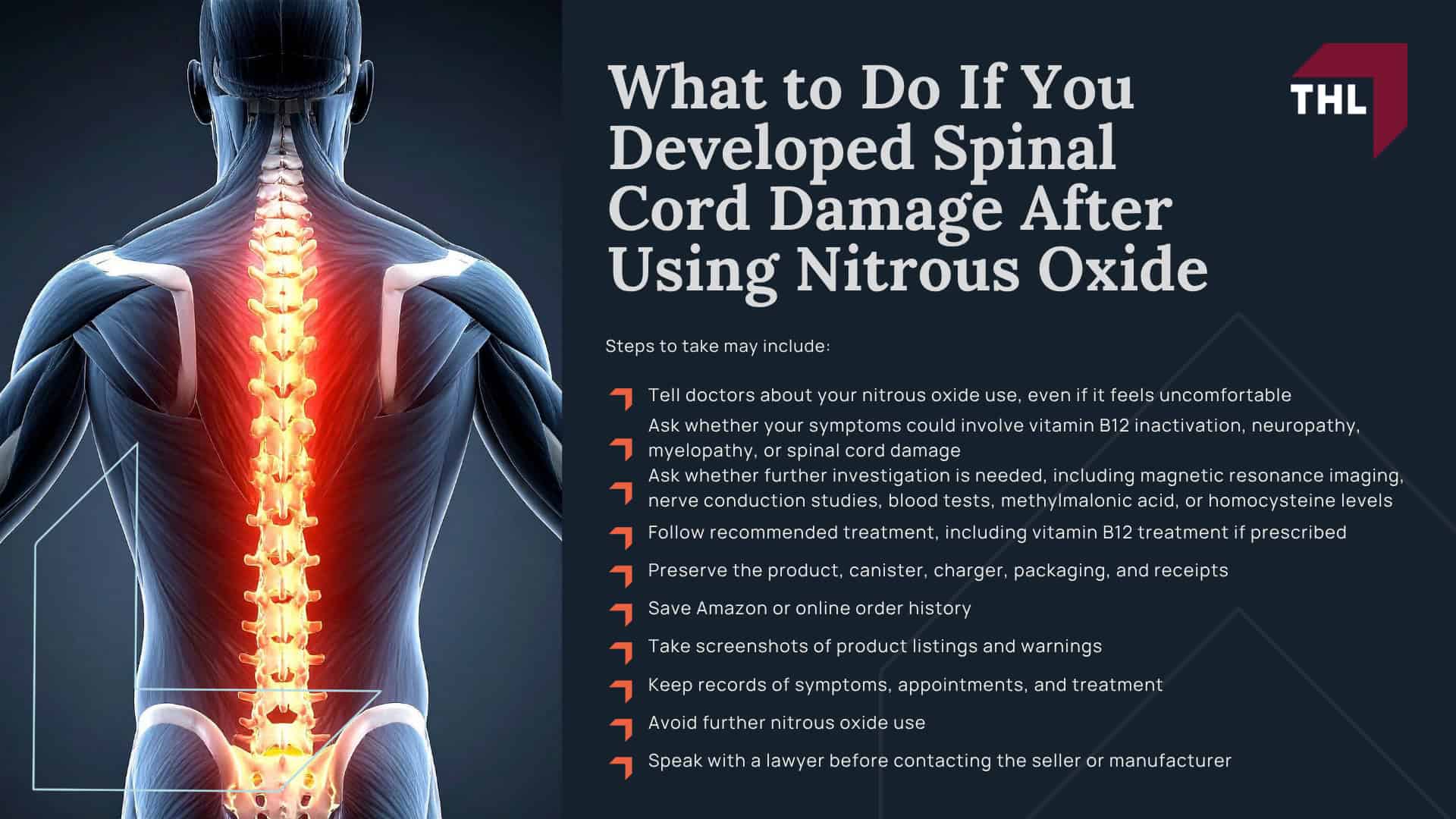
Steps to take may include:

  • Tell doctors about your nitrous oxide use, even if it feels uncomfortable
  • Ask whether your symptoms could involve vitamin B12 inactivation, neuropathy, myelopathy, or spinal cord damage
  • Ask whether further investigation is needed, including magnetic resonance imaging, nerve conduction studies, blood tests, methylmalonic acid, or homocysteine levels
  • Follow recommended treatment, including vitamin B12 treatment if prescribed
  • Preserve the product, canister, charger, packaging, and receipts
  • Save Amazon or online order history
  • Take screenshots of product listings and warnings
  • Keep records of symptoms, appointments, and treatment
  • Avoid further nitrous oxide use
  • Speak with a lawyer before contacting the seller or manufacturer

If the condition is recognised early, some patients may experience clinical improvement with treatment.

Others may suffer permanent disability or long-term neurological complications.

TorHoerman Law: Contact a Nitrous Oxide Spinal Cord Injury Lawsuit Lawyer

If you suffered spinal cord damage, subacute combined degeneration, myelopathy, nitrous oxide induced neuropathy, peripheral nerve damage, difficulty walking, partial paralysis, or another serious neurological injury after inhaling nitrous oxide, TorHoerman Law can review your potential claim.

Nitrous oxide spinal cord injury cases may involve complex medical and legal questions.

A lawyer may need to investigate the product used, the amount of nitrous oxide involved, the seller, the warnings provided, the medical diagnosis, and whether the injury was linked to recreational nitrous oxide use.

What Is the Nitrous Oxide Spinal Cord Injury Lawsuit About; Why Is Nitrous Oxide Linked to Spinal Cord Injuries; Nitrous Oxide and Vitamin B12 Inactivation; Myelopathy, Neuropathy, and Loss of Mobility; Can Nitrous Oxide Cause Spinal Cord Damage; Symptoms of Nitrous Oxide-Related Spinal Cord Injury; Nitrous Oxide Products Named in Spinal Cord Injury Lawsuits; Galaxy Gas Spinal Cord Injury Lawsuit; Whippets and Nitrous Oxide Charger Injury Claims; Large Nitrous Oxide Canisters and Neurological Injury Risks; How Are Nitrous Oxide Canisters Sold Legally; Allegations Against Nitrous Oxide Manufacturers and Sellers; Failure to Warn About Peripheral Neuropathy and Nerve Damage; Marketing Products for Foreseeable Recreational Misuse; Sales Through Smoke Shops, Gas Stations, and Online Retailers; Who May Qualify for a Nitrous Oxide Spinal Cord Injury Lawsuit; TorHoerman Law_ Contact a Nitrous Oxide Spinal Cord Injury Lawsuit Lawyer

TorHoerman Law is actively investigating claims involving nitrous oxide products, including Galaxy Gas, whippets, whipped cream chargers, metal canisters, large canisters, and products sold through smoke shops, gas stations, online retailers, and other sellers.

Contact TorHoerman Law today for a free consultation.

You can also use the chatbot on this page to see if you qualify instantly.

Frequently Asked Questions

Published by:
Share
Picture of Tor Hoerman
Tor Hoerman

Tor Hoerman has represented injured individuals for more than 30 years, with experience spanning individual personal injury cases and nationwide mass tort litigation. His work includes car accidents, catastrophic injuries, product liability claims, and other serious injury cases. Tor has served in court-appointed leadership roles in national litigation and tried cases involving major corporate defendants.

TorHoerman Law’s legal content is researched and written by our editorial team and attorneys for legal accuracy, clarity, and relevance. We rely on statutes, court records, government publications, medical research, and other authoritative sources when applicable. This page provides general legal information and does not constitute legal advice.

TorHoerman Law reviews its legal content for factual accuracy, current information, and relevant legal context before publication and as material developments occur. This article is provided for general informational purposes and does not constitute legal advice. For guidance about a specific case, contact TorHoerman Law.

Additional Nitrous Oxide Lawsuit resources on our website:
All
FAQs
Injuries & Conditions
Legal Help
Other Resources
Settlements & Compensation
News

You can learn more about this topic by visiting any of our Nitrous Oxide Lawsuit pages listed below:

Baking Bad Nitrous Oxide Lawsuit
Cloud9ine Nitrous Oxide Lawsuit
Cosmic Gas Nitrous Oxide Lawsuit
Galaxy Gas Lawsuit
Nitrous Oxide Brain Damage Lawsuit
Nitrous Oxide Explosion Lawsuit
Nitrous Oxide Lawsuit
Nitrous Oxide Paralysis Lawsuit
Nitrous Oxide Peripheral Neuropathy Lawsuit
Nitrous Oxide Wrongful Death Lawsuit
Accepting Clients
Nitrous Oxide Lawsuit Facts
Defendants
  • Galaxy Gas
  • Whip-It! / United Brands
  • Miami Magic
  • Monster Gas
  • Baking Bad
  • Cosmic Gas
  • Other manufacturers, distributors, and sellers
    Injuries named in lawsuit
    • Spinal cord damage
    • Peripheral neuropathy and nerve damage
    • Paralysis or impaired mobility
    • Brain injury and cognitive impairment
    • Blood clots, DVT, and pulmonary embolism
    • Hypoxia or oxygen deprivation
    • Psychiatric and neurological complications
    • Frostbite or airway injuries
    • Wrongful death
      You may qualify to file a claim if...
      • You or a loved one used a recreational nitrous oxide product such as Galaxy Gas, Whip-It!, Baking Bad, Cosmic Gas, Miami Magic, Monster Gas, or another flavored nitrous oxide product.
      • You developed a serious neurological, spinal cord, brain, blood-clot, hypoxia-related, or other significant injury after using nitrous oxide.
      • The injury required hospitalization, neurological treatment, rehabilitation, treatment for a blood clot or pulmonary embolism, or other significant medical care, or your loved one died after nitrous oxide use.
      Have you or a loved one been injured?

      A serious injury can change your life.

      Speak with an experienced personal injury lawyer about your rights, your case, and the legal options available to you.
      Google
      •
      677 reviews
      4.9
      ★★★★★
      Recovered damages
      $4 Billion+

      Table of Contents

      Guides & Resources
      About TorHoerman Law

      TorHoerman Law represents people whose lives have been disrupted by serious injuries, unsafe products, and negligence. Our attorneys handle individual personal injury cases as well as national mass tort lawsuits involving major corporations.

      Founded in 2009, our legal team brings more than 100 years of combined experience handling serious injury and complex civil litigation.

      Do you believe you’re entitled to compensation?

      Use our Instant Case Evaluator to find out in as little as 60 seconds!

      $495 Million
      Baby Formula NEC Lawsuit

      In this case, we obtained a verdict of $495 Million for our client’s child who was diagnosed with Necrotizing Enterocolitis after consuming baby formula manufactured by Abbott Laboratories.

      $20 Million
      Toxic Tort Injury

      In this case, we were able to successfully recover $20 Million for our client after they suffered a Toxic Tort Injury due to chemical exposure.

      $103.8 Million
      COX-2 Inhibitors Injury

      In this case, we were able to successfully recover $103.8 Million for our client after they suffered a COX-2 Inhibitors Injury.

      $4 Million
      Traumatic Brain Injury

      In this case, we were able to successfully recover $4 Million for our client after they suffered a Traumatic Brain Injury while at daycare.

      $2.8 Million
      Defective Heart Device

      In this case, we were able to successfully recover $2.8 Million for our client after they suffered an injury due to a Defective Heart Device.

      Other Nitrous Oxide Lawsuit Resources

      All
      FAQs
      Injuries & Conditions
      Legal Help
      Other Resources
      Settlements & Compensation
      News