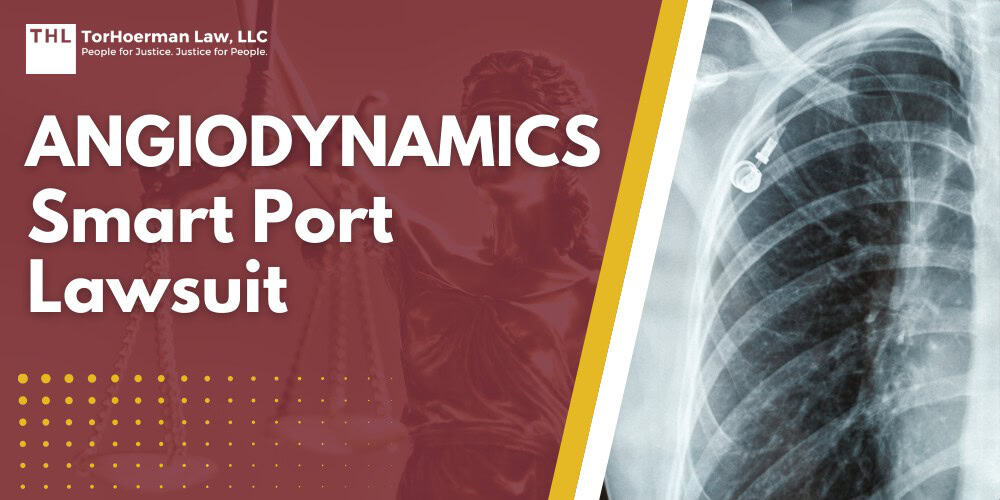
The AngioDynamics Smart Port lawsuit involves claims that the company’s port catheter devices are defective, leading to serious health risks for patients.
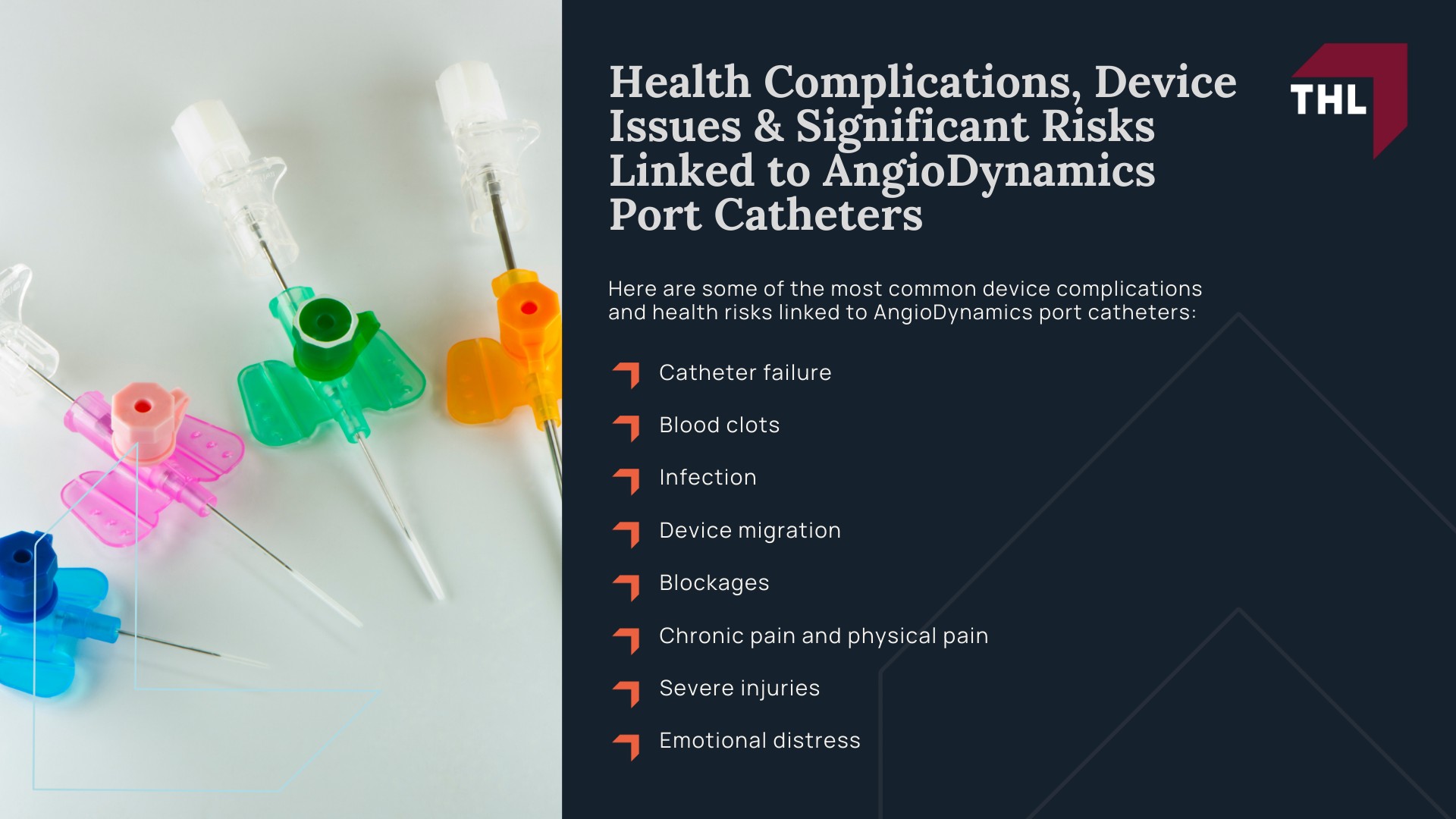
Affected patients allege that the Smart Port, which is designed for long-term intravenous treatments, is prone to catheter fracture, device migration, and material degradation.
These defects can cause severe complications, including deep vein thrombosis (DVT), infections, pulmonary embolism, and the need for surgical intervention to remove or replace the faulty device.
The lawsuits argue that AngioDynamics failed to adequately warn healthcare providers and patients about the risks linked to the implantable port devices.
The central legal issues include defective design, improper material selection, and inadequate product testing.
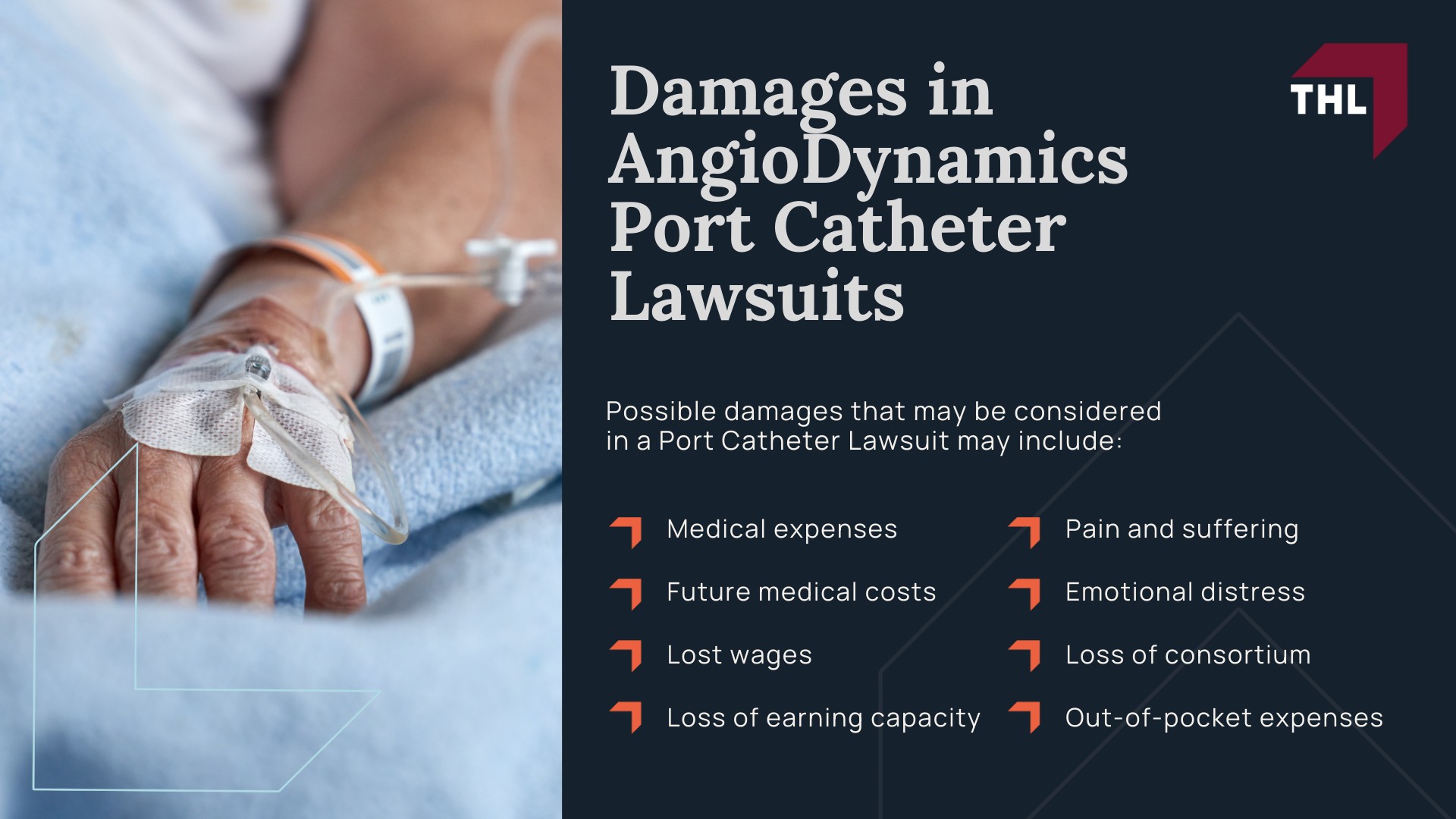
Plaintiffs are seeking compensation for medical expenses, lost wages, pain and suffering, and other damages related to their injuries.
The goal of the lawsuit is to hold AngioDynamics accountable for the harm caused by its defective devices.
TorHoerman Law is actively investigating these claims and representing individuals affected by Smart Port complications.
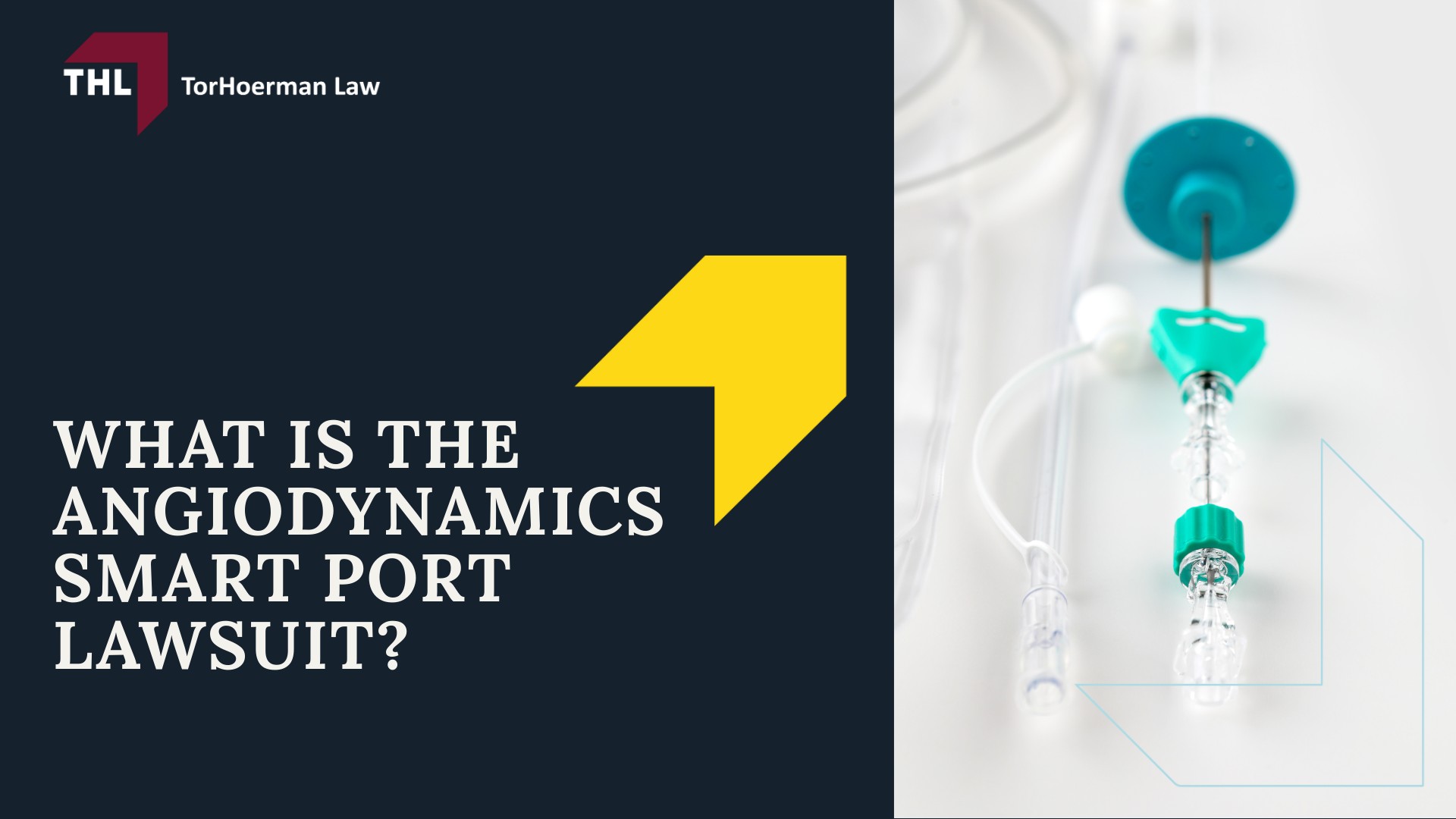
If you’ve suffered health complications due to device fractures, migration, or other issues, you may be eligible to file an AngioDynamics Smart Port Lawsuit.
Contact TorHoerman Law today for a free consultation.
Use the chat feature on this page to find out if you’re eligible to file an AngioDynamics Port Catheter Lawsuit instantly.
The AngioDynamics Port Catheter MDL: Overview
Due to the high number of similar claims, the AngioDynamics Port Catheter Lawsuits have been consolidated into a multidistrict litigation (MDL) in the United States District Court for the Southern District of California.
This MDL allows for the efficient handling of pretrial proceedings while preserving each plaintiff’s individual case.
Unlike a class action lawsuit, where a single case represents an entire group of plaintiffs and the outcome applies uniformly to all, an MDL consolidates individual lawsuits only for the pretrial process.
Each plaintiff in an MDL maintains their own case, meaning they can pursue compensation based on their unique injuries and damages.
Once pretrial proceedings, such as discovery and expert testimony, are completed, cases may be settled or sent back to their original courts for trial.
MDL is commonly used for complex product liability claims, such as those involving defective medical devices, because it helps streamline the legal process without compromising individual claims.
In contrast, a class action typically results in a single settlement or verdict that is divided among all class members, regardless of the specific impact on each person.
MDL ensures that shared issues—such as defective design, manufacturing flaws, and inadequate warnings—are addressed efficiently while still allowing plaintiffs to recover compensation tailored to their personal losses.
By consolidating the AngioDynamics Port Catheter Lawsuits into an MDL, the court aims to reduce duplicative discovery, avoid conflicting rulings, and encourage fair and timely resolutions.