A serious accident involving a commercial truck can leave an injured party with incapacitating injuries that make it impossible to gather evidence, speak with witnesses, or complete other recommended steps at the scene.
Semi-truck accidents can result in traumatic brain injuries, spinal cord damage, fractures, internal injuries, and other conditions requiring immediate emergency treatment.
In fatal crashes, surviving family members may also be dealing with hospitalization, funeral arrangements, and the possibility of even wrongful death litigation rather than collecting evidence themselves.
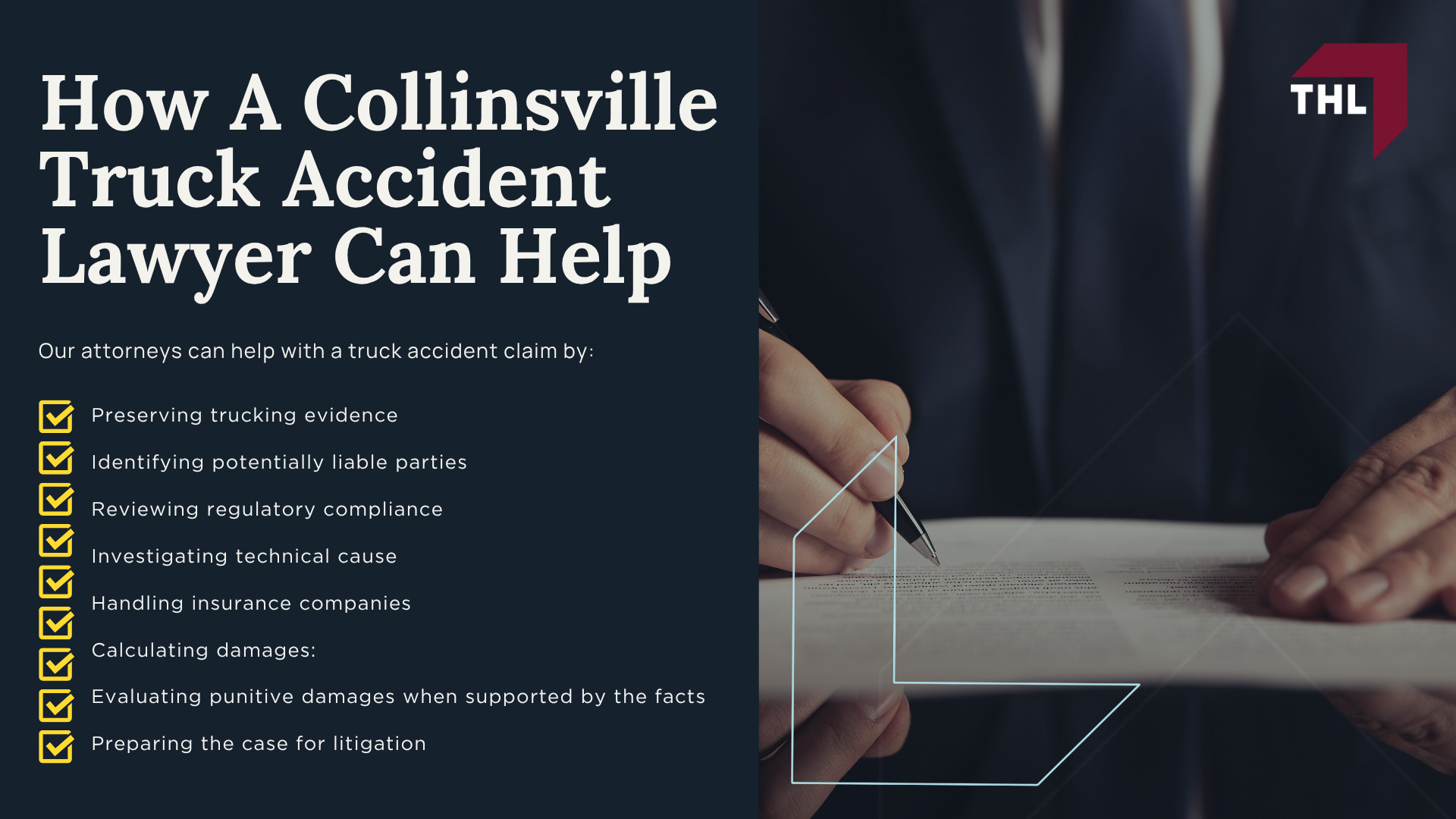
When a truck accident victim cannot protect the claim personally, an experienced attorney can begin obtaining records, preserving trucking-company evidence, locating witnesses, and investigating how the collision occurred.
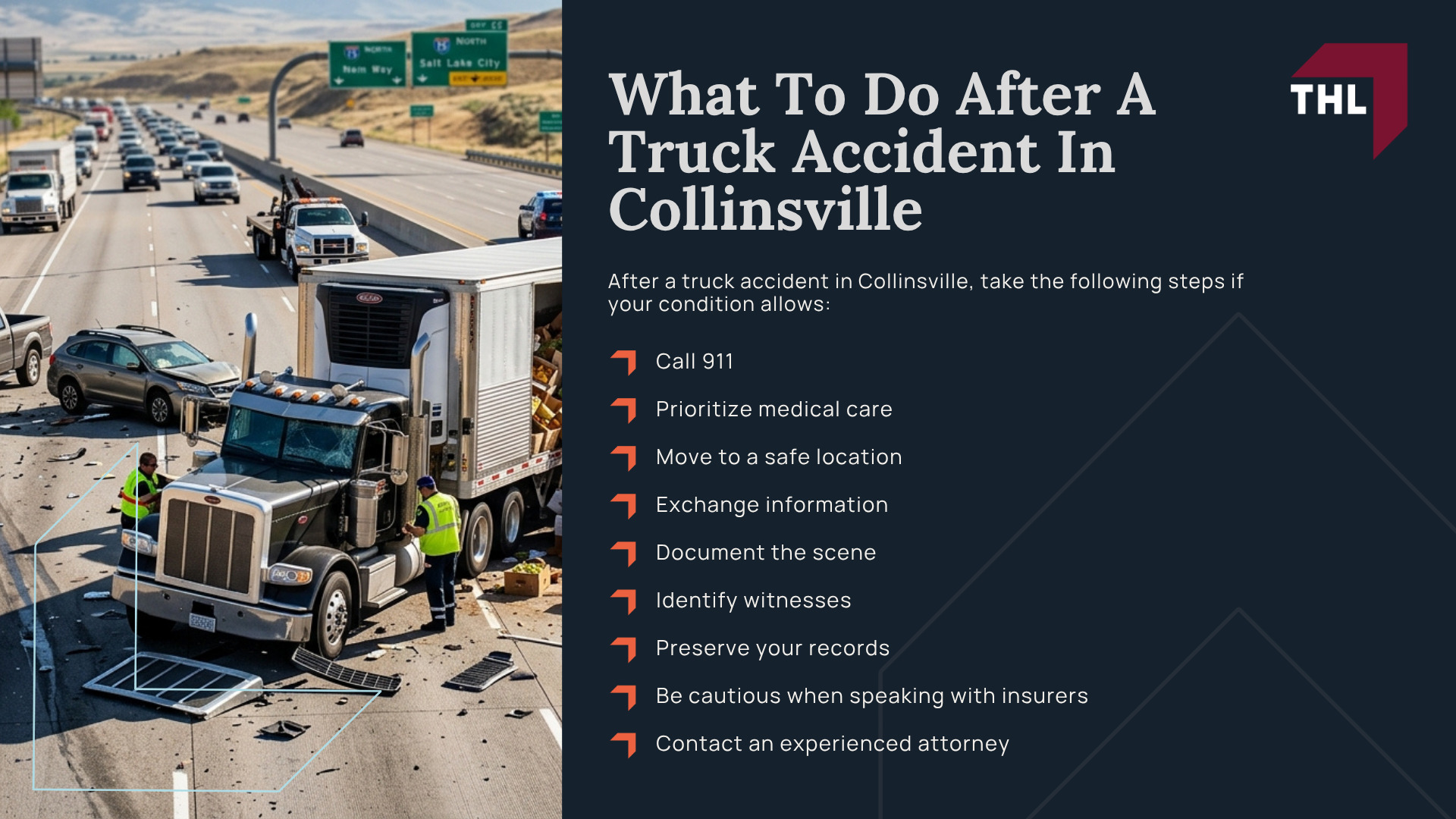
After a truck accident in Collinsville, take the following steps if your condition allows:
- Call 911: Report the collision and request police and emergency medical assistance.
- Prioritize medical care: Accept emergency treatment when needed and obtain follow-up care for symptoms that appear or worsen after the crash.
- Move to a safe location: If physically able, get away from moving traffic, leaking fuel, damaged cargo, or other hazards.
- Exchange information: Obtain the truck driver’s name, employer, insurance information, license plate number, and trucking-company information.
- Document the scene: Photograph vehicle damage, roadway conditions, debris, skid marks, cargo, visible injuries, and other relevant conditions when it is safe to do so.
- Identify witnesses: Collect contact information from anyone who saw the collision or events leading up to it.
- Preserve your records: Keep medical bills, treatment records, wage information, repair estimates, receipts, and insurance correspondence related to the crash.
- Be cautious when speaking with insurers: Avoid giving detailed or recorded statements to the trucking company’s insurer before understanding how the statement may affect your claim.
- Contact an experienced attorney: A lawyer can send evidence-preservation requests, obtain trucking records and electronic data, investigate potentially responsible parties, and handle insurer communications while you focus on treatment.
Severe injuries may prevent a truck accident victim from doing any of these things beyond receiving medical care, and failing to photograph the scene or collect records personally does not mean the claim cannot be investigated.
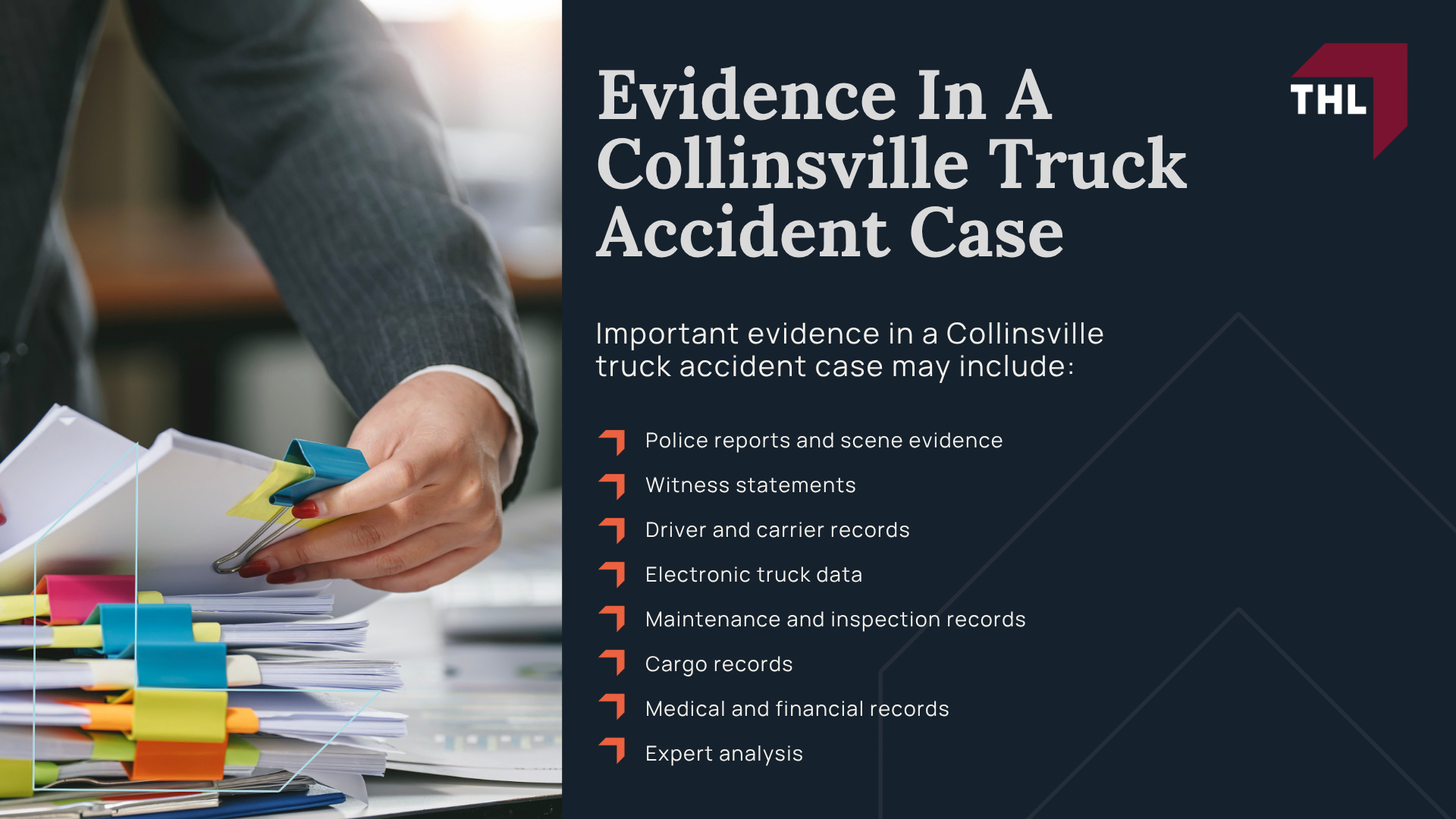
Our attorneys can work with police reports, witnesses, electronic truck data, driver records, maintenance documents, photographs, medical evidence, and other available information to reconstruct what happened and protect the injured party’s legal interests.
Common Types and Causes of Truck Accidents
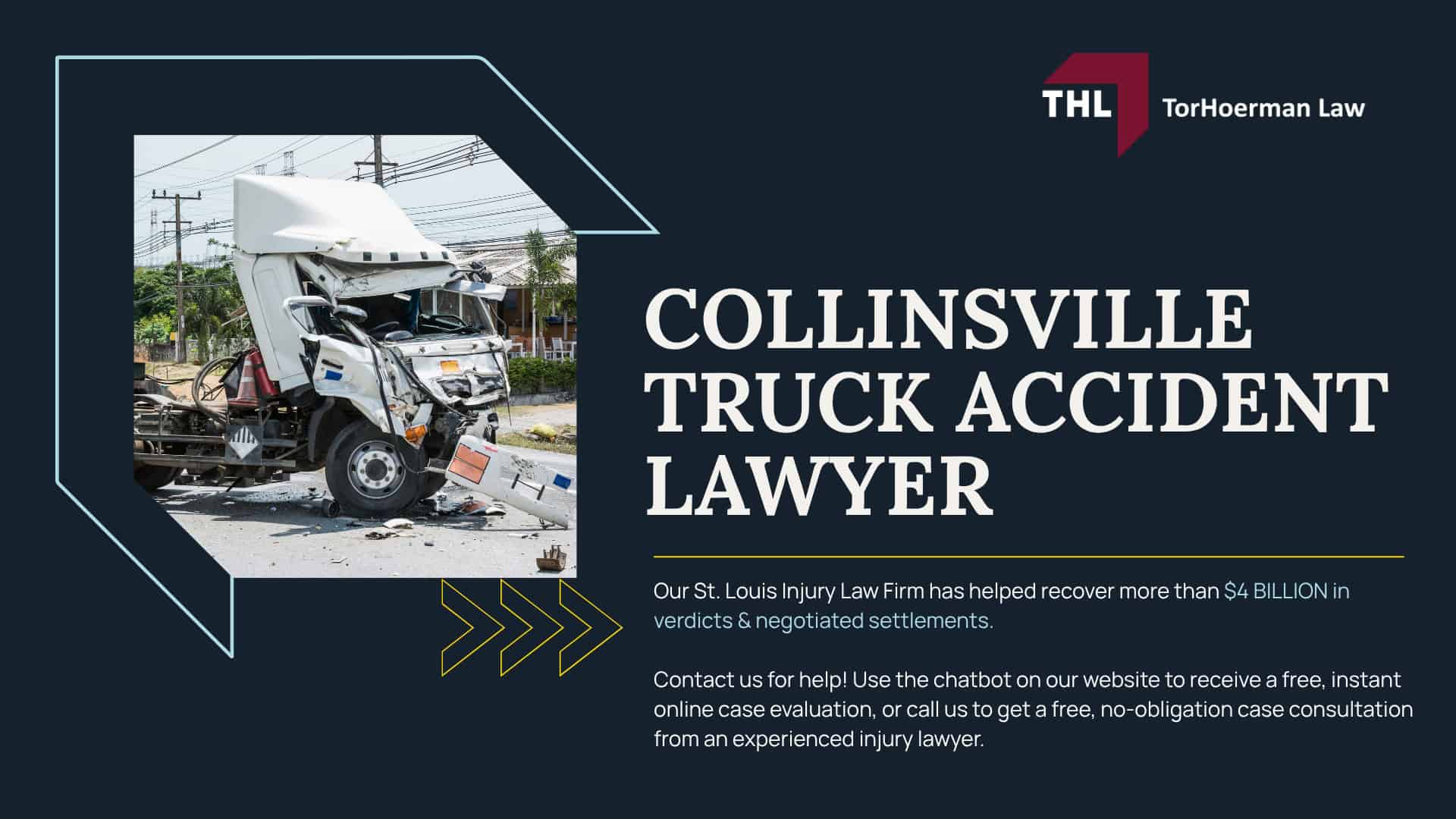
Large commercial trucks can be involved in rear-end collisions, rollovers, jackknife crashes, underride accidents, and other collisions capable of causing catastrophic or fatal injuries.
In 2024, 5,340 people were killed in crashes involving large trucks in the United States, according to the National Highway Traffic Safety Administration.
Seventy percent of those fatalities were occupants of other vehicles rather than people traveling in the large truck.
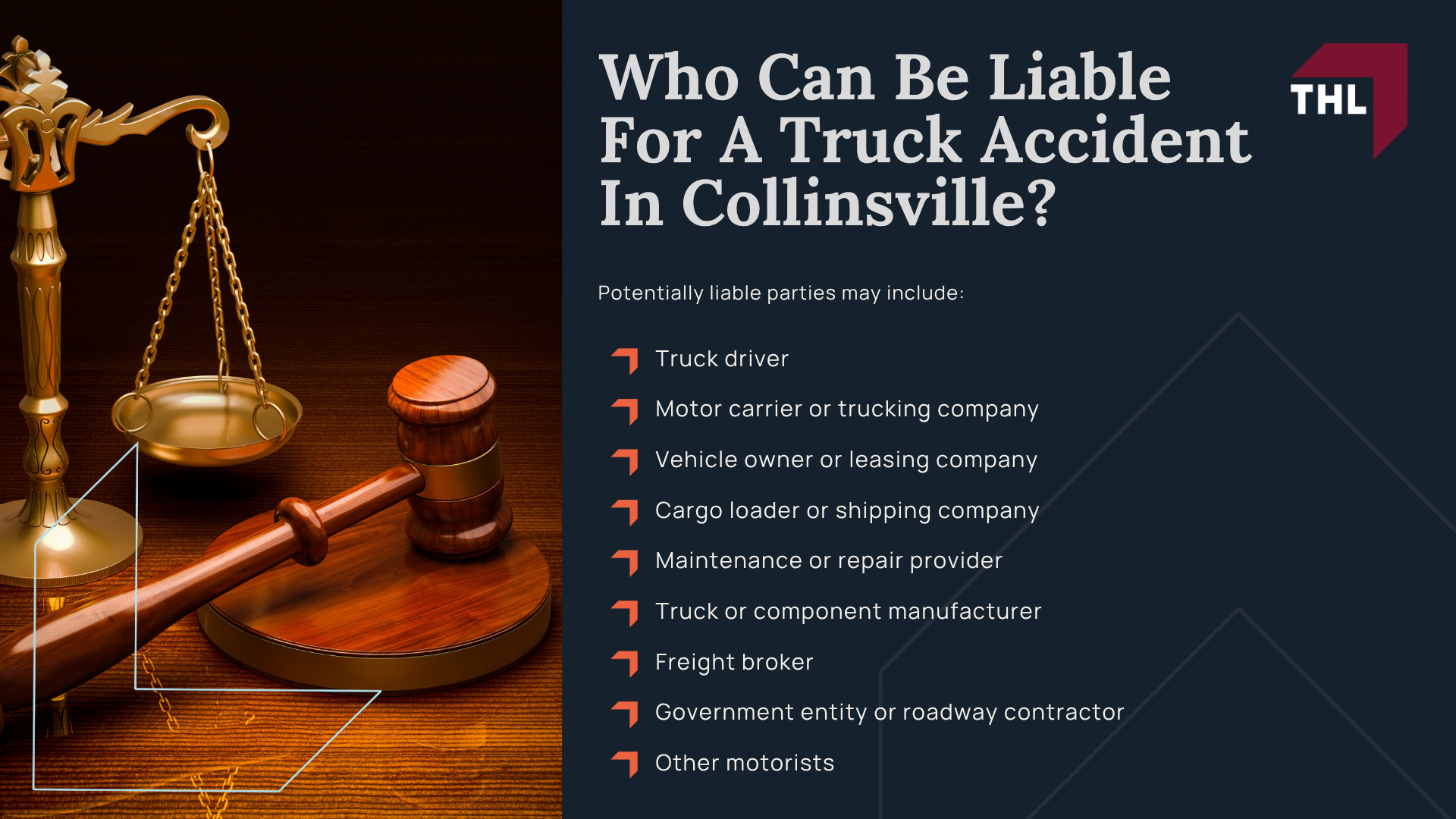
The causes and circumstances of fatal accidents vary, and an investigation may examine driver conduct, vehicle condition, cargo handling, trucking-company practices, roadway conditions, and compliance with federal safety regulations.
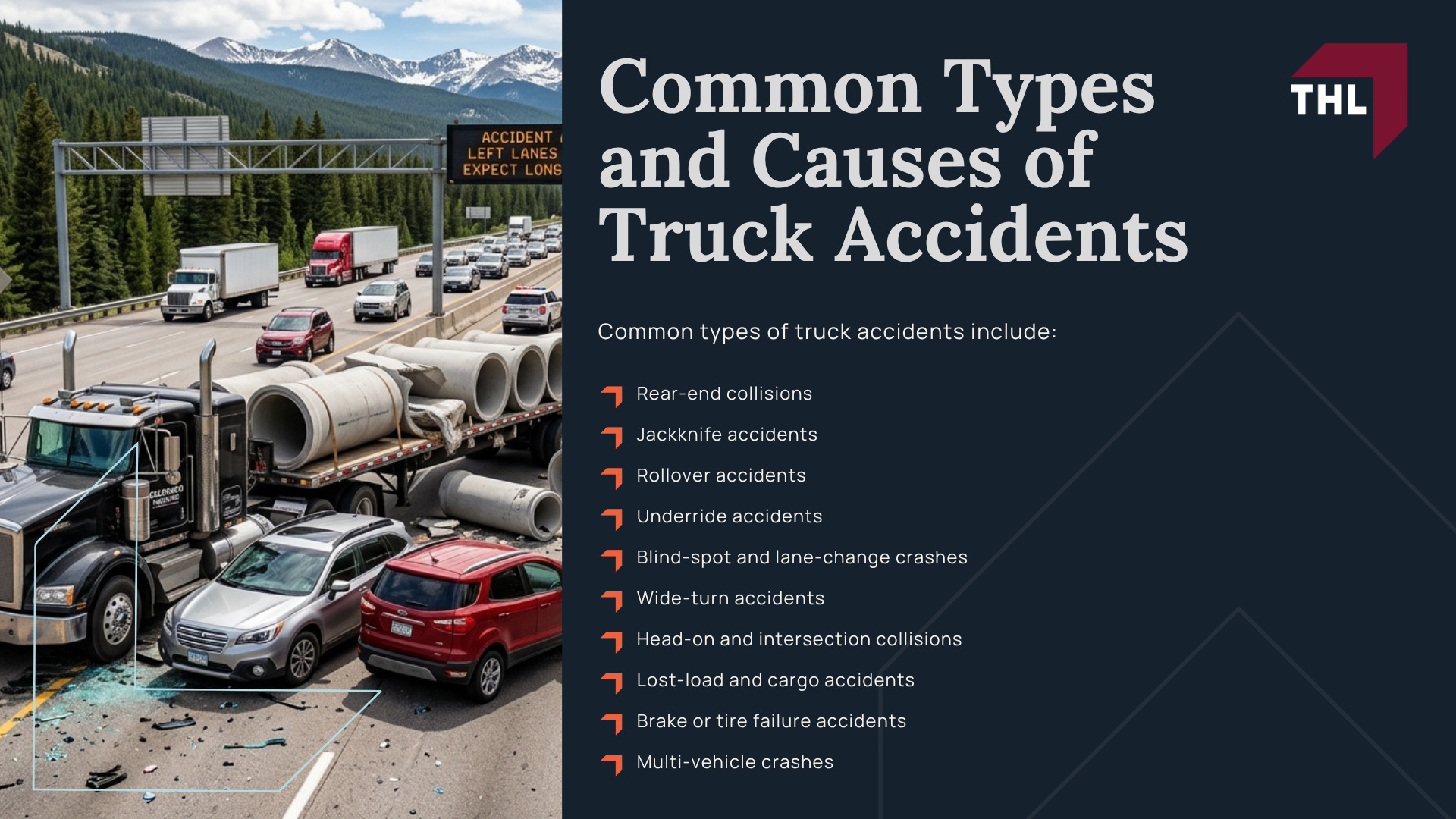
Common types of truck accidents include:
- Rear-end collisions: A large truck may strike slower or stopped traffic when the driver follows too closely, becomes distracted, travels too fast for conditions, or cannot stop within the available distance.
- Jackknife accidents: A tractor and trailer can fold toward one another when the trailer swings outward, potentially affecting several lanes of traffic.
- Rollover accidents: Excessive speed, abrupt steering, shifting cargo, improper loading, or loss of control can cause a commercial truck or trailer to overturn.
- Underride accidents: A smaller vehicle may travel beneath the side or rear of a large truck during a collision, creating a substantial risk of catastrophic or fatal injury.
- Blind-spot and lane-change crashes: Large trucks have substantial areas around the vehicle where other motorists may be difficult for the driver to see.
- Wide-turn accidents: Tractor-trailers often require additional space to complete turns, creating collision risks for vehicles, pedestrians, or cyclists alongside the truck.
- Head-on and intersection collisions: Failure to yield, distraction, impairment, excessive speed, or loss of vehicle control may result in severe frontal or side-impact crashes.
- Lost-load and cargo accidents: Improperly secured or unbalanced cargo can shift, fall into traffic, or affect the truck’s stability and handling.
- Brake or tire failure accidents: Poor maintenance, defective components, excessive wear, or inadequate inspections may contribute to a driver’s inability to stop or control the truck.
- Multi-vehicle crashes: The size and momentum of a commercial truck can cause an initial impact to involve several additional vehicles, particularly on highways and congested roads.
Driver behavior is one of the most common areas examined after a serious truck crash, including fatigue, distraction, speeding, impairment, unsafe lane changes, and failure to follow traffic laws.
Investigators may also review whether the driver was properly trained and qualified, whether the carrier imposed unsafe delivery schedules, and whether hours-of-service requirements were followed.
Mechanical issues can also contribute to a collision, particularly when brakes, tires, steering systems, or other components were defective, poorly maintained, or inadequately inspected.
Cargo loading, weather, roadway conditions, construction activity, and other operational factors may also affect how the crash occurred and which parties may be legally responsible.
Common Truck Accident Injuries
Truck collisions can cause injuries that are substantially more severe than those seen in a typical car crash because of the size, weight, and force generated by commercial vehicles.
Injured victims may require emergency treatment, surgery, rehabilitation, long-term medication, or ongoing specialist care depending on the nature of the trauma.
Spinal cord injuries, traumatic brain injuries, broken bones, internal injuries, and crush injuries can result in permanent physical limitations or reduced independence.
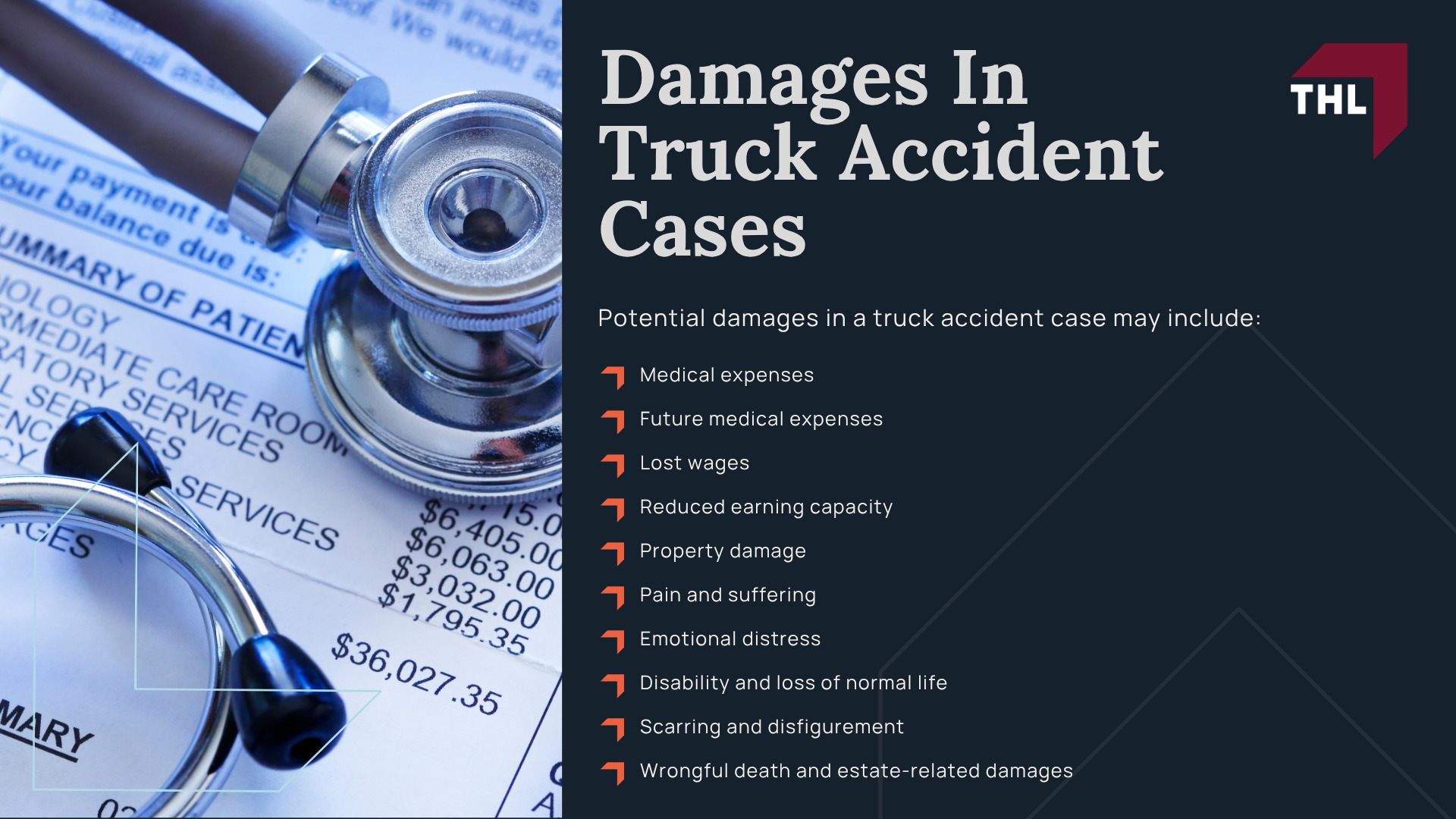
Our attorneys review medical records, diagnostic testing, treatment history, work restrictions, and prognosis information to document both the immediate and long-term effects of the crash.
Common truck accident injuries include:
- Traumatic brain injuries: Concussions, brain bleeding, cognitive impairment, memory problems, and other neurological complications may result from a violent impact.
- Spinal cord injuries: Damage to the spinal cord can cause weakness, loss of sensation, paralysis, bowel or bladder dysfunction, and other permanent impairments.
- Neck and back injuries: Herniated discs, vertebral fractures, ligament damage, and other spinal injuries may cause chronic pain and limited mobility.
- Broken bones and orthopedic injuries: Fractures involving the arms, legs, ribs, pelvis, shoulders, knees, or hips may require surgery and extended rehabilitation.
- Crush injuries: Occupants may suffer severe tissue, muscle, nerve, or bone damage when a smaller vehicle is compressed during the collision.
- Internal injuries: Trauma to the chest or abdomen may cause internal bleeding or damage to organs such as the lungs, liver, spleen, or kidneys.
- Burns and severe lacerations: Fires, leaking fuel, broken glass, exposed metal, or hazardous cargo may cause burns, deep cuts, scarring, and disfigurement.
- Nerve damage: Trauma to peripheral nerves may result in weakness, numbness, chronic pain, or reduced function in an affected limb.
- Amputations: Severe crush or vascular injuries may require surgical amputation or result in traumatic loss of a limb.
- Psychological injuries: Anxiety, depression, post-traumatic stress disorder, and other emotional effects may develop after a severe or fatal collision.
- Permanent disability: Serious neurological, orthopedic, or internal injuries may prevent an injured person from returning to prior employment or normal daily activities.
- Fatal injuries: Some truck crashes result in death and may support wrongful death and survival claims under Illinois law.