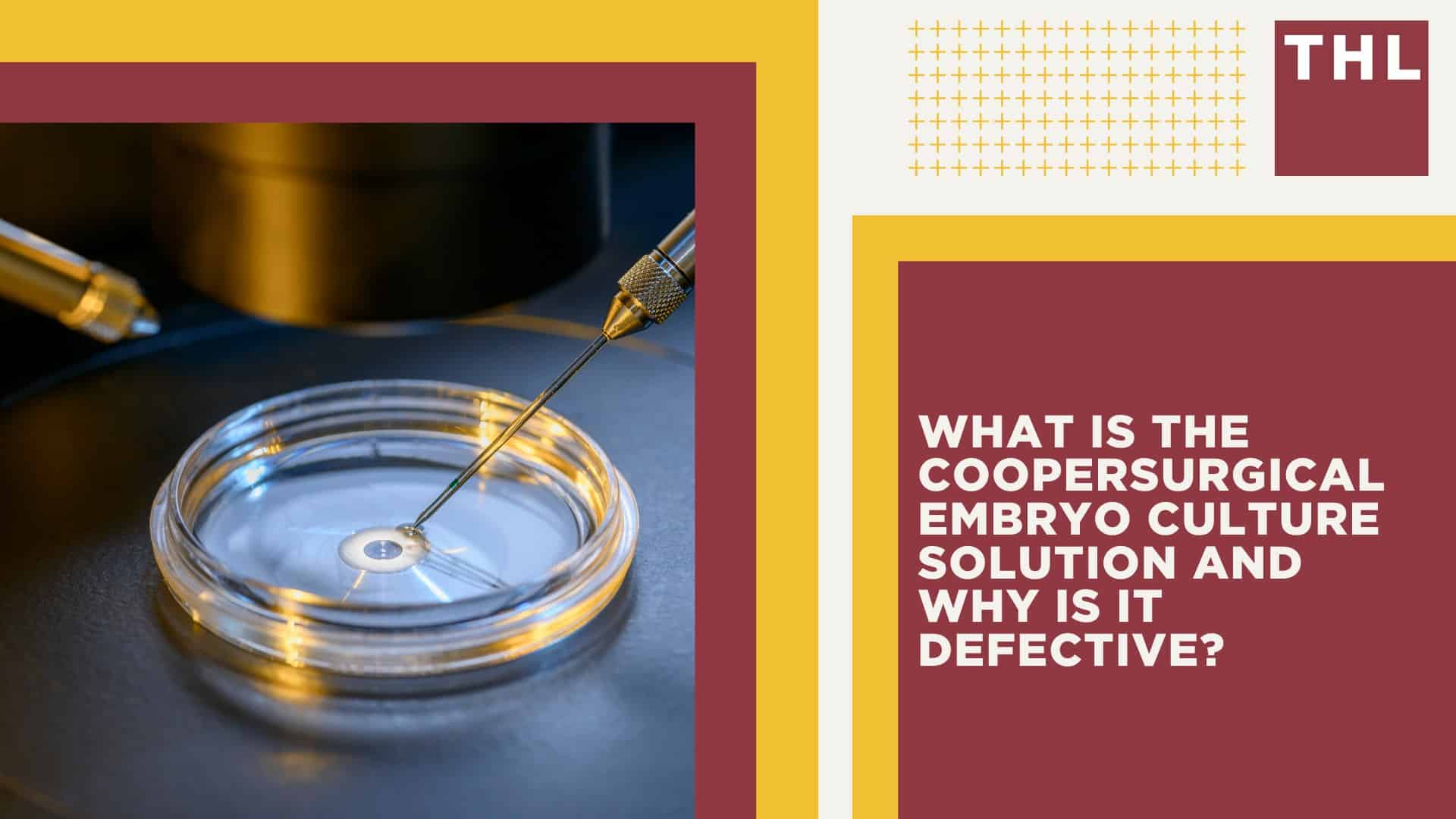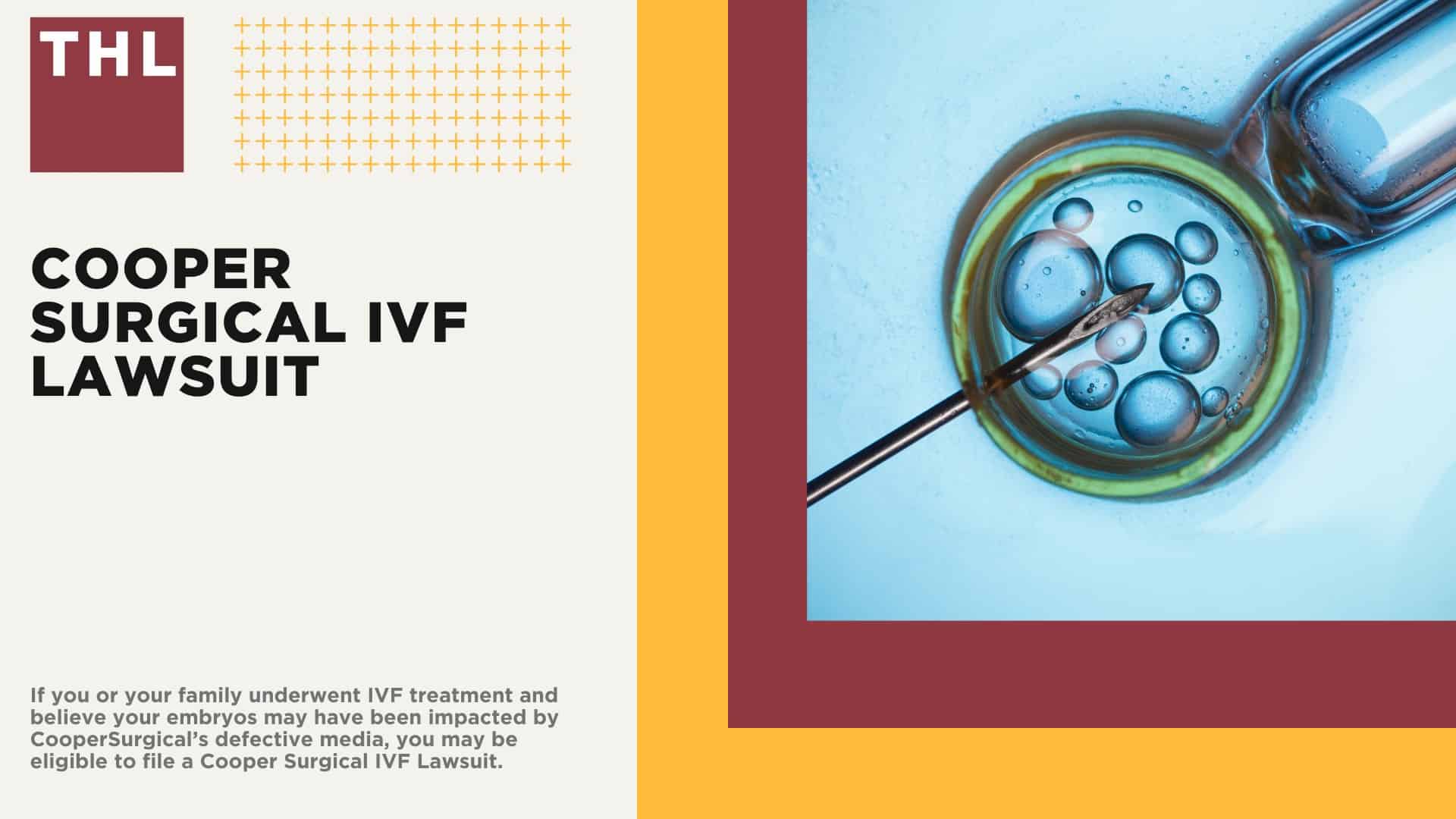
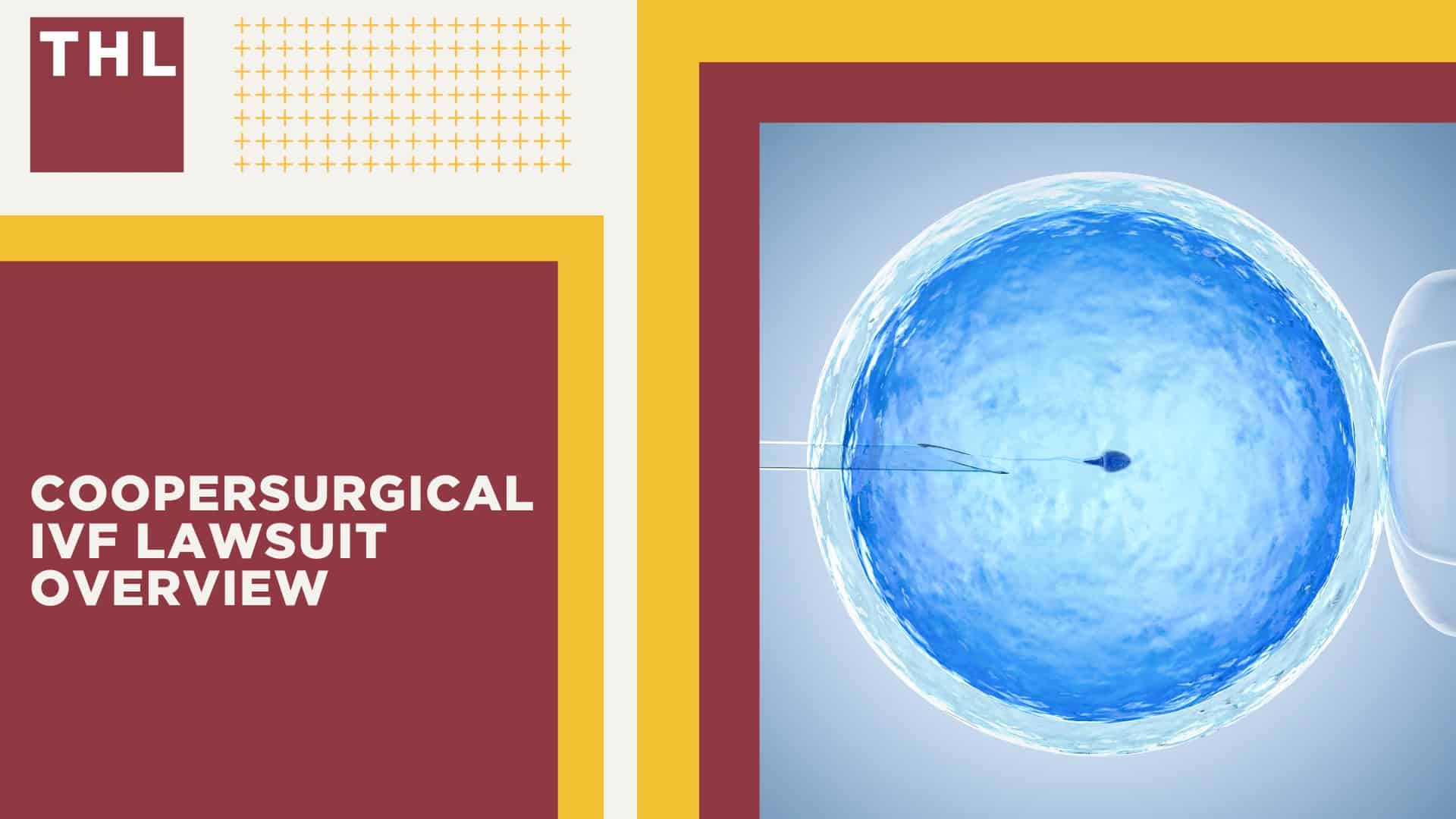
The CooperSurgical IVF Lawsuit centers around claims that the company’s defective embryo culture media, used in in-vitro fertilization (IVF) treatments, led to the destruction of viable embryos.
The embryo culture medium, essential for supporting the growth of embryos, was found to be missing critical nutrients, such as magnesium, necessary for proper embryo development.
As a result, many families experienced devastating losses during their IVF cycles, with embryos failing to develop or being rendered non-viable shortly after fertilization.
The product recall, which was quietly issued by CooperSurgical in December 2023, has affected an estimated 20,000 patients across the U.S. and internationally.
Lawsuits accuse the company of negligence, defective manufacturing, failure to properly test the product, and failing to inform patients directly of the risks.
Many plaintiffs argue that the recall came too late, after irreparable damage had been done, and that CooperSurgical prioritized profits over patient safety.
Families affected by the defective media are now seeking justice for the emotional and financial toll this disaster has caused.
Lawyers are actively investigating these cases and filing lawsuits on behalf of families impacted by the defective media, helping them seek compensation for emotional distress, medical expenses, and other damages.
Legal Grounds for CooperSurgical IVF Lawsuits
The lawsuits filed against CooperSurgical are built on several key legal theories, each aiming to hold the company accountable for the significant harm caused by their defective embryo culture media.
Families affected by the failure of CooperSurgical’s IVF solutions are pursuing claims that focus on multiple aspects of product liability, negligence, and ethical responsibility.
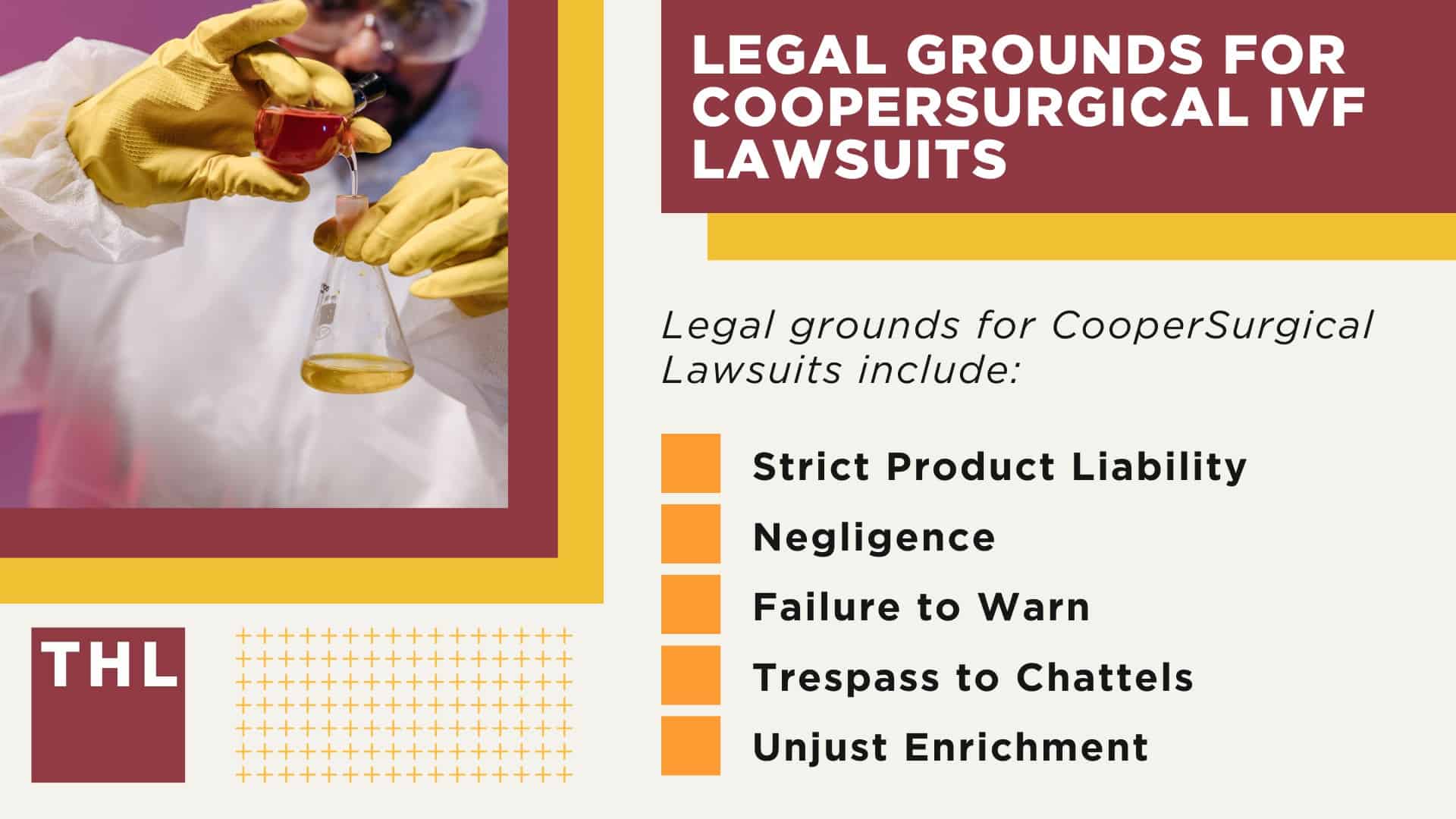
Legal grounds for CooperSurgical Lawsuits include:
- Strict Product Liability: Plaintiffs allege that CooperSurgical is liable under strict product liability laws because they manufactured and sold a defective product that caused harm. The defective embryo culture media directly impaired embryo development, leading to their destruction.
- Under this theory, plaintiffs argue that CooperSurgical is responsible for any harm caused by the product, regardless of intent or knowledge.
- Negligence: Central to these lawsuits is the claim of negligence. Plaintiffs argue that CooperSurgical failed to exercise reasonable care in the testing, design, and manufacturing of the embryo culture solution.
- Despite the vital role this product played in the sensitive IVF process, CooperSurgical allegedly did not conduct proper safety testing, which could have prevented the widespread embryo loss.
- The company’s delay in recalling the defective product is seen as a breach of their duty to protect patients.
- Failure to Warn: Another core legal claim involves CooperSurgical’s failure to warn fertility clinics and patients about the defective nature of their product.
- The lawsuits assert that the company was aware, or should have been aware, of the defect but failed to provide timely warnings or public statements. Instead, the recall was quietly issued to clinics, leaving many patients unaware that the solution used during their IVF cycles was potentially harmful.
- Trespass to Chattels: This legal doctrine, less commonly discussed in product liability cases, has been invoked in some of the CooperSurgical lawsuits. Plaintiffs claim that by providing a defective product, CooperSurgical interfered with their property rights—specifically, their embryos.
- This interference, caused by the defective culture medium, is seen as an unjust violation of their rights to control their embryos’ development.
- Unjust Enrichment: Some lawsuits include claims of unjust enrichment, alleging that CooperSurgical profited from selling a defective product at the expense of patients and families. Plaintiffs assert that the company unfairly benefited from the sale of faulty media, while families endured emotional and financial devastation due to the loss of embryos.
Is There a CooperSurgical Class Action Lawsuit?
Currently, the CooperSurgical IVF Lawsuits have not been consolidated into a class action lawsuit, but there is a strong push for them to be centralized into Multidistrict Litigation (MDL).
An MDL is a legal process that allows multiple similar lawsuits, filed across different federal courts, to be consolidated under one judge for pretrial proceedings.
This process streamlines discovery, reduces duplication, and helps prevent inconsistent rulings across various courts.
The plaintiffs in these cases, involving defective embryo culture media that caused embryo destruction during IVF treatments, are seeking to centralize more than 30 lawsuits in the Northern District of California.

The difference between a class action and an MDL lies in how the individual lawsuits are handled.
In a class action, all plaintiffs are treated as part of a single legal entity, with one outcome that applies to all members of the class.
Conversely, in an MDL, each lawsuit remains separate, but common issues—such as discovery and pretrial motions—are handled collectively to streamline the process.
After pretrial proceedings, if no settlement is reached, cases in an MDL can be returned to their original courts for individual trials.
Potential CooperSurgical Lawsuit Settlement Amounts
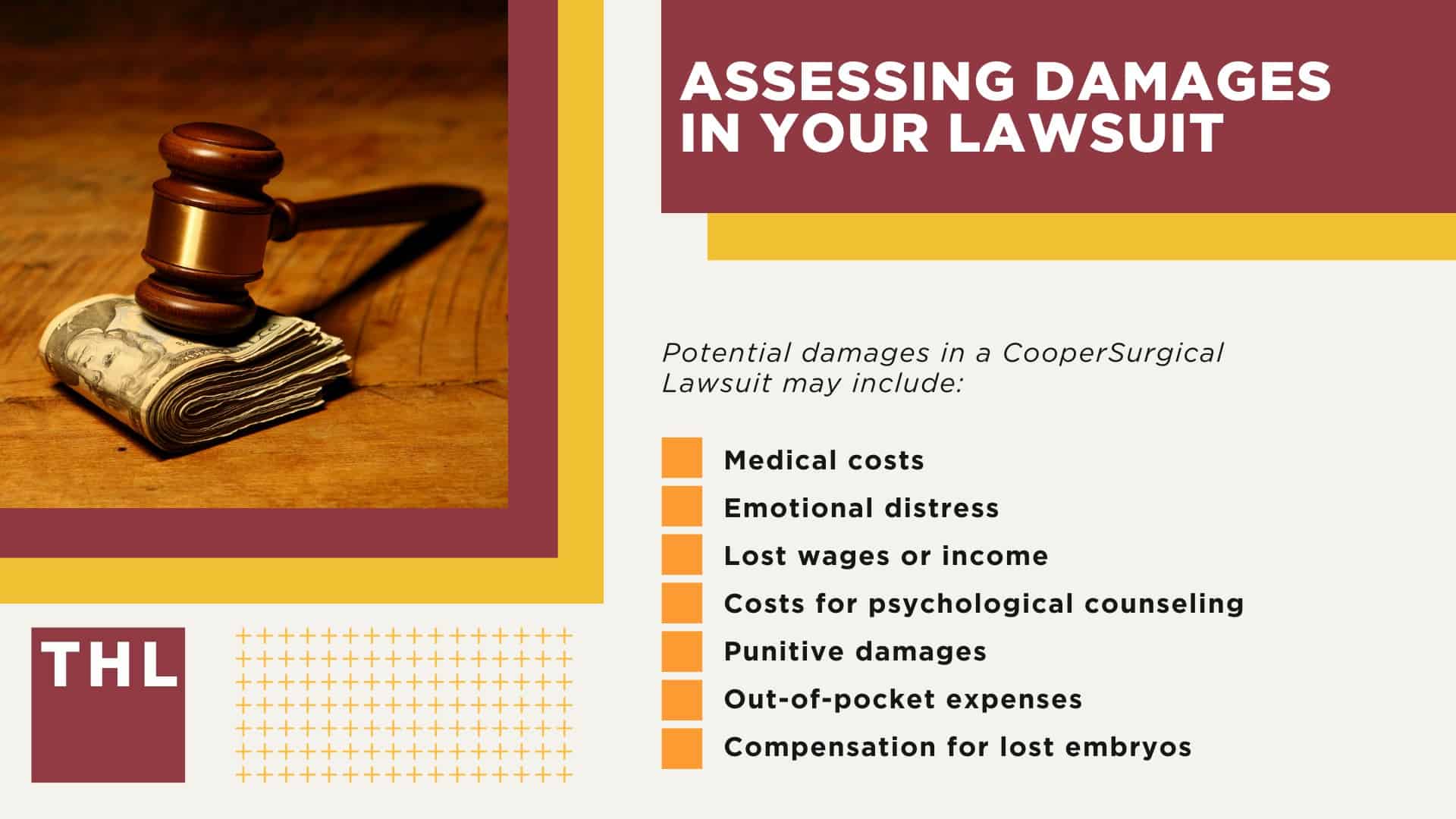
Potential settlement amounts for the CooperSurgical IVF lawsuits could vary widely depending on the specifics of each case, including the emotional and financial damages suffered by the plaintiffs.
Early estimates suggest that successful claims could range between $50,000 and more than $300,000, considering potential compensation for both the cost of failed IVF treatments and the emotional distress caused by the loss of embryos.
It’s important to note, however, that these figures are only projections and do not guarantee a specific outcome.
Settlements in mass tort cases, like those involving defective IVF culture media, often depend on the strength of the evidence, expert testimony, and the resolution of early bellwether trials in an MDL.
Each case is unique, so it is essential to consult a lawyer for a personalized assessment of your potential compensation.
This will help you understand your legal rights and set realistic expectations for the outcome of your case.