For decades, many women have used chemical hair straightening products at home and at hair salons.
These products are used to relax hair for braids and other hairstyles and have been a product of choice for women’s hair-care routines.
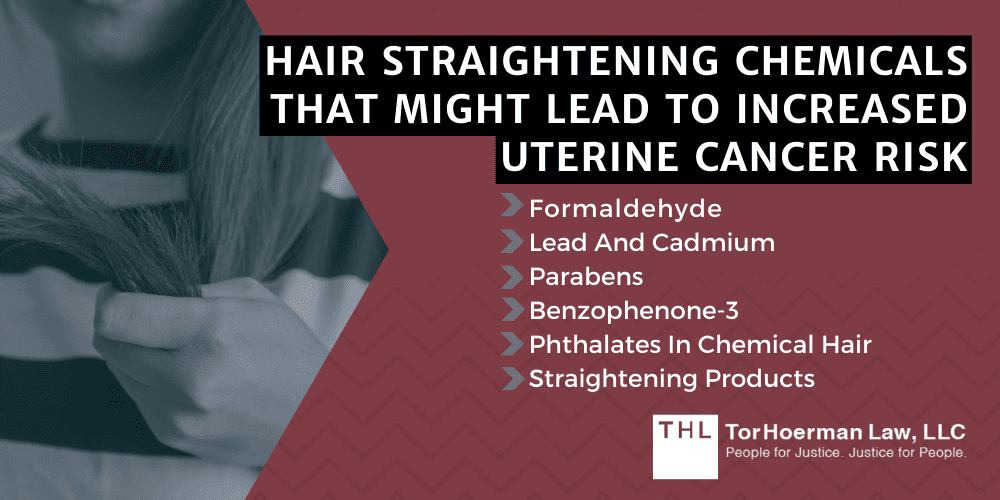
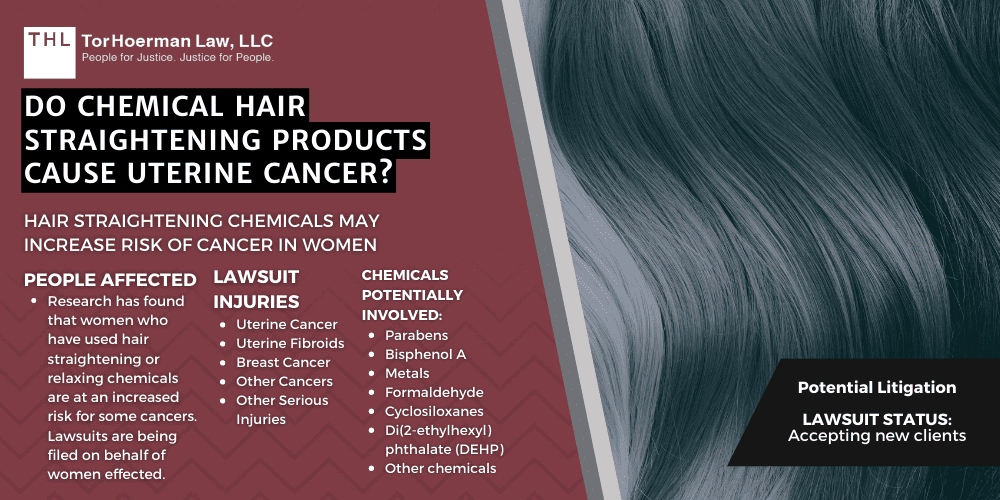
Unfortunately, studies have been published that warn about hair straightening products causing hormone-sensitive cancers like uterine cancer.
The National Institutes of Environmental Health Sciences (NIEHS) conducted a long-term study that first sought to identify risk factors for breast cancer.
Within the cohort of women studied, researchers identified other risk factors for uterine cancer diagnoses.
The study found that chemical hair straightening products were linked to an increased rate of hormone-related cancers.
After detailing the study participants’ lifestyles and histories, one trend stood out — the women who developed uterine cancer (and breast and ovarian cancers) were frequent users of chemical hair straightening products.
As a result, the NIEHS’s Cancer Epidemiology Group published its findings in the National Cancer Institute’s journal in 2022.
The findings sent shockwaves across the medical, legal, and cosmetic community as it was the first to definitively link chemical hair straightening products and uterine cancer risk.
NIEHS Study Findings
The 11-year study conducted by the NIEHS not only established the link between chemical hair straightening products and uterine cancer incidence; it also ruled out other risk factors.
Based on the study’s findings, hair straighteners were the major contributor to health disparities among the study’s 33,437 participants.
According to the study, the women who developed uterine cancer used hair products like hair dyes and straighteners more than four times during the previous year.
Those who didn’t use chemical straighteners didn’t develop cancer.
The study concluded by saying that there’s a link between frequent use and uterine cancer risk.
According to the study’s lead author, frequent users were 4.05% more likely to develop uterine cancer than women who didn’t use hair straighteners.
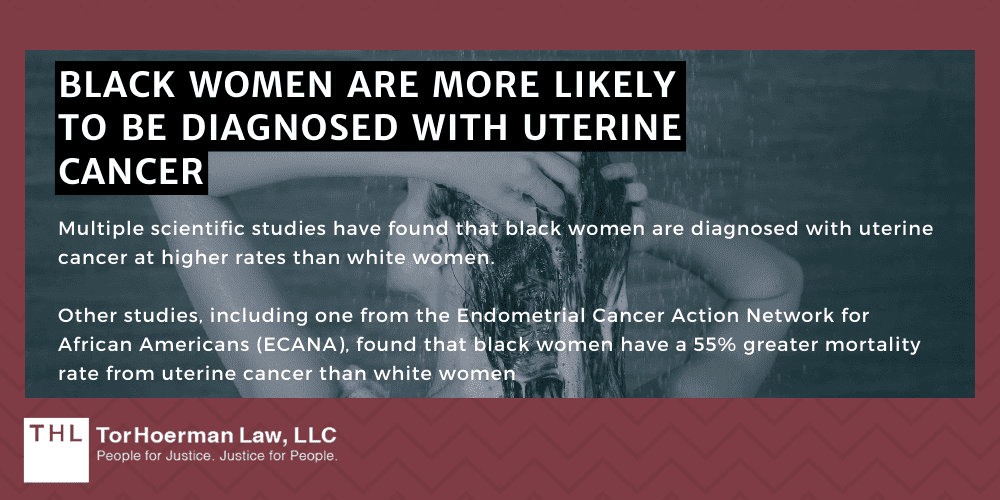
Besides frequent usage of hair straighteners, there was one other finding that stood out — the demographic profile of the more vulnerable population.