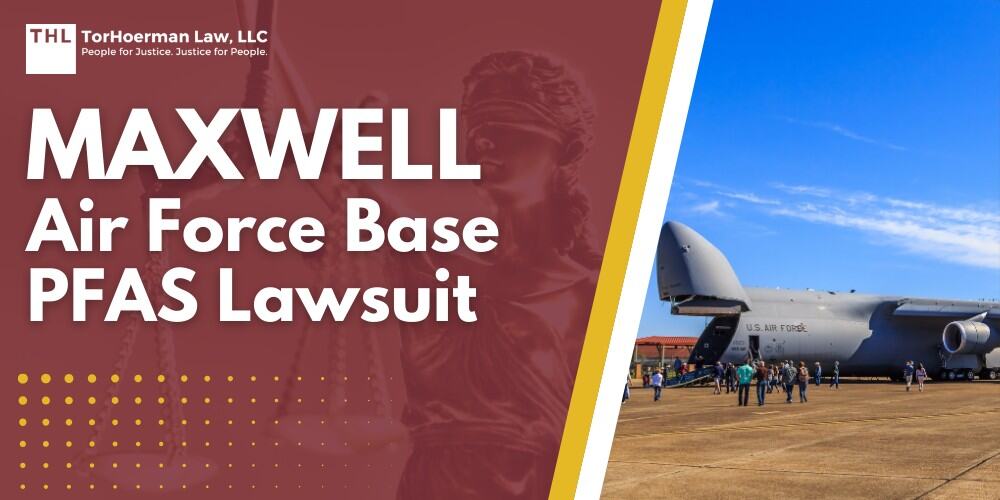
Maxwell Air Force Base (AFB), located in Montgomery, Alabama, has been identified as a site of significant PFAS contamination, with dangerously high levels of PFAS chemicals detected in groundwater.
These forever chemicals, primarily linked to firefighting foam used in military training exercises and emergency responses, have seeped into the local environment, threatening drinking water supplies.

The Environmental Protection Agency (EPA) and other agencies have flagged Maxwell AFB as a site requiring urgent remediation due to the risks PFAS pollution poses to both human health and the environment.
The contamination has affected nearby private drinking water wells, raising concerns about long-term exposure and the health risks linked to PFAS contamination for military personnel, their families, and surrounding communities.
Sources of PFAS Contamination at Maxwell AFB
The primary source of PFAS contamination at Maxwell AFB is the widespread use of Aqueous Film Forming Foam (AFFF) in firefighting operations.
This foam, designed to combat jet fuel and petroleum fires, contains high concentrations of polyfluoroalkyl substances (PFAS), which persist in the environment and do not break down easily.
Over decades, repeated training exercises and emergency responses have led to PFAS chemicals infiltrating soil, groundwater, and surface water around the base.
The Air Force’s Center for Environmental Excellencehas noted that industrial solvents, hazardous substances, and waste disposal practices at military sites like Maxwell AFB have further contributed to the contamination.
The Toxics Release Inventory data from the Department of Defense (DoD) has documented elevated PFAS levels, underscoring the need for immediate intervention to mitigate ongoing pollution.
PFAS Levels Detected at Maxwell AFB
Testing conducted at Maxwell Air Force Base has revealed PFAS levels significantly exceeding the EPA’s maximum contaminant levels for PFOA and PFOS.

According to data collected by the Environmental Working Group (EWG), PFAS levels at Patrick AFB in 2019 were measured as follows:
- PFOA: 84,000 ppt
- PFOS: 38,000 ppt
- Combined PFOA and PFOS Levels: 122,000 ppt
- PFBS: 18,000 ppt
The EPA’s 2024 drinking water standard for PFOA and PFOS is set at just 4 ppt, meaning contamination levels at Maxwell AFB were tens of thousands of times higher than the federally established safety limits.
These extreme PFAS concentrations pose significant risks to human health and environmental safety, making remediation efforts a top priority.
Health Risks Linked to PFAS Contamination
Long-term PFAS exposure has been associated with numerous serious health consequences, as these forever chemicals accumulate in the human body and disrupt biological functions.

Scientific research and data from the EPA, the Department of Defense (DoD), and the Agency for Toxic Substances and Disease Registry (ATSDR) indicate that individuals exposed to PFAS pollution may be at increased risk for:
- Kidney and Liver Damage – Studies have linked PFAS chemicals to kidney disease, liver dysfunction, and elevated cholesterol levels.
- Thyroid Disorders – Exposure to PFAS can interfere with thyroid hormone regulation, leading to thyroid disease and other metabolic issues.
- Cancer Risk – Certain PFAS compounds have been classified as possible human carcinogens, with long-term exposure linked to kidney, liver, and testicular cancer.
- Immune System Suppression – PFAS exposure has been found to weaken immune responses, reducing vaccine effectiveness and increasing susceptibility to infections.
- Reproductive and Developmental Issues – Pregnant women and young children exposed to PFAS contamination may face developmental delays, low birth weights, and fertility issues.
Given these serious health risks, addressing PFAS contamination at Maxwell AFB is critical to safeguarding the well-being of military personnel, civilians, and nearby residents.
Impacted Populations at Maxwell AFB
The PFAS contamination at Maxwell AFB affects multiple populations, particularly those who rely on local drinking water sources.

Groups who face the highest risk of PFAS exposure include:
- Military Service Members and Their Families – Those living or working on the base may have unknowingly consumed contaminated drinking water or come into contact with PFAS-laden soil and groundwater.
- Civilian Employees at Maxwell AFB – Base personnel who worked in or around firefighting training facilities and hazardous waste sites are at increased risk of exposure.
- Residents of Montgomery, Alabama – Individuals in the surrounding communities near Maxwell Air Force Base who rely on private drinking water wells may have been unknowingly exposed to PFAS contamination.
- Veterans Previously Stationed at Maxwell AFB – Former military personnel who spent significant time at Maxwell AFB may have developed health problems due to PFAS exposure but were unaware of the risks.
Addressing PFAS Contamination at Maxwell AFB
Efforts to reduce PFAS levels at Maxwell AFB are currently underway, with oversight from the EPA, the Department of Defense (DoD), and the Air Force’s Center for Environmental Excellence.

Key initiatives include:
- Comprehensive Water Testing and Monitoring – Authorities are conducting extensive PFAS testing to map the extent of PFAS pollution and determine the most affected locations.
- Implementation of Cleanup Measures – The DoD is considering various remediation strategies, including activated carbon filtration and groundwater treatment technologies, to remove PFAS chemicals from the environment.
- Providing Alternative Drinking Water Supplies – In cases where PFAS contamination has exceeded safe levels, the military and local agencies are working to ensure residents and personnel have access to uncontaminated drinking water.
- Regulatory Compliance with New Maximum Contaminant Levels – As part of its commitment to addressing PFAS pollution, the Air Force is aligning its cleanup efforts with the EPA’s updated PFAS regulations and the mandates outlined in the National Defense Authorization Act.
Despite these efforts, the remediation process at Maxwell AFB remains a long-term challenge, requiring continued oversight and accountability from government agencies and military leadership.
Broader Implications of PFAS Contamination at Maxwell AFB
The PFAS contamination at Maxwell AFB is part of a larger, systemic issue affecting military sites across the country.
The extensive use of AFFF firefighting foam and the historical lack of PFAS regulations have resulted in widespread contamination at military installations, training facilities, and surrounding communities.

Key takeaways from the Maxwell AFB PFAS crisis include:
- Accountability for Military PFAS Contamination – The Department of Defense and other responsible agencies must take accountability for contaminated drinking water at military bases and implement effective solutions to address PFAS pollution.
- Public Health Concerns – The human health risks associated with PFAS exposure highlight the need for ongoing research and medical monitoring for affected populations.
- Regulatory Changes and Environmental Protection Efforts – The EPA and DoD must enforce stricter regulations to reduce PFAS levels in groundwater, soil, and drinking water systems at military sites like Maxwell AFB.
- Legal and Financial Implications – PFAS litigation continues to expand, with lawsuits targeting chemical manufacturers, military agencies, and government entities for failing to protect public health and the environment.
The case of Maxwell AFB serves as a critical example of why urgent action is needed to combat PFAS contamination at military installations nationwide.
Protecting service members, veterans, and local communities from toxic substances should remain a top priority for government agencies, environmental advocates, and legal experts working to hold responsible parties accountable.