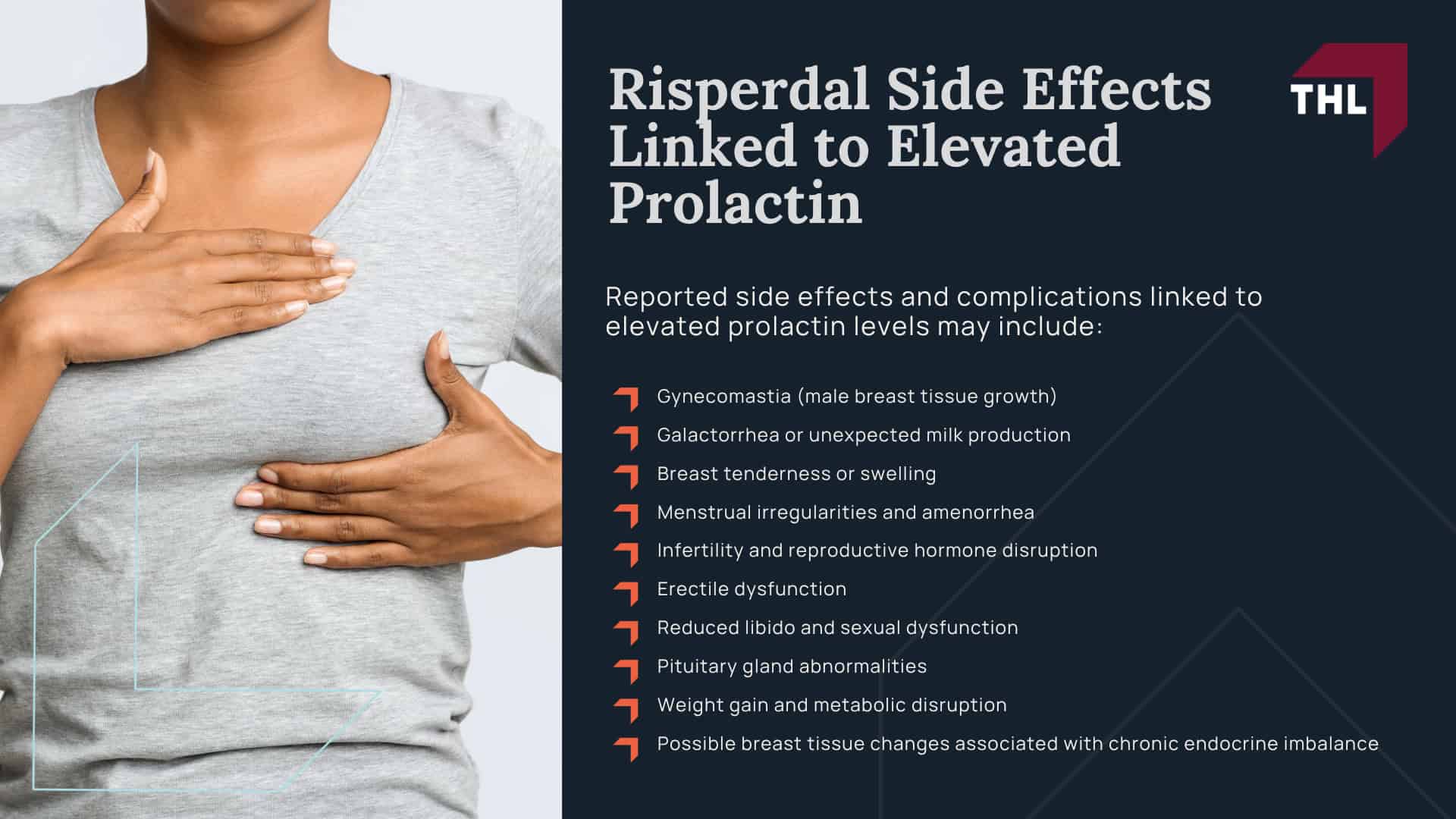
The Risperdal breast cancer lawsuit involves allegations that Johnson & Johnson and Janssen Pharmaceuticals failed to adequately warn patients and physicians about the potential long-term hormonal risks associated with Risperdal and generic risperidone.
Risperdal was widely prescribed as an effective treatment for schizophrenia, bipolar disorder, tardive dyskinesia, and certain behavioral symptoms associated with autism spectrum disorder.
Many Risperdal lawsuits previously focused on young male patients who allegedly developed gynecomastia and male breast growth after taking the medication during adolescence.
New lawsuits now center on allegations that elevated prolactin levels associated with long-term risperidone exposure may have contributed to breast cancer diagnoses in women and men.
Plaintiffs allege the manufacturers knew Risperdal could significantly increase prolactin production while continuing to market the drug for widespread psychiatric use.
The litigation follows years of past lawsuits, regulatory scrutiny, and criminal and civil investigations involving the marketing and safety profile of Risperdal.
Some claims also involve allegations that manufacturers minimized or failed to fully disclose research that linked Risperdal to hormone-related complications involving breast tissue.

Victims in Risperdal lawsuits may seek compensation for:
- Medical expenses related to breast cancer treatment
- Surgical costs and reconstructive procedures
- Chemotherapy, radiation, and ongoing oncology care
- Therapy costs and mental health treatment
- Lost wages and diminished earning capacity
- Physical pain and emotional suffering
- Punitive damages related to alleged manufacturer negligence
Successful settlements and verdicts in prior Risperdal litigation have compensated some plaintiffs for medical costs, emotional distress, and long-term physical complications associated with the drug.
The emerging breast cancer litigation remains in earlier stages than the previous gynecomastia cases, and courts are still evaluating many of the scientific and legal issues involved.
If you or a family member developed breast cancer after being prescribed Risperdal or generic risperidone, reviewing your medical and prescription history with an attorney may help determine whether you qualify to file a claim.
How the New Breast Cancer Litigation Differs From Older Risperdal Lawsuits
Most Risperdal lawsuits in the past focused on allegations that the medication caused abnormal breast development and gynecomastia in boys and young men who used the drug during adolescence.
Those claims centered on evidence that Risperdal usage could significantly elevate prolactin levels, leading to hormonal changes and excessive breast tissue growth.
Thousands of plaintiffs alleged that Johnson & Johnson and Janssen failed to adequately warn physicians and families about the risk of breast development associated with long-term use of the drug.
Some lawsuits also involved allegations that the companies aggressively promoted Risperdal for pediatric and off-label use despite growing safety concerns surrounding hormonal side effects. 
The newer breast cancer litigation expands beyond gynecomastia claims and instead focuses on whether chronic prolactin elevation may have contributed to breast cancer diagnoses in women and men.
Previous litigation involving gynecomastia resulted in substantial verdicts and settlements after drug manufacturer Johnson & Johnson settled many claims tied to Risperdal-related endocrine complications.