Chicago
Case Types We Handle
Personal Injuries
Car Accidents
Truck Accidents
Motorcycle Accidents
Bicycle Accidents
Construction Accidents
Nursing Home Abuse
Wrongful Death
Slip and Fall Accidents
Daycare Injury & Abuse
Edwardsville
Case Types We Handle
Personal Injuries
Car Accidents
Truck Accidents
Motorcycle Accidents
Bicycle Accidents
Nursing Home Abuse
Wrongful Death
Slip and Fall Accidents
Daycare Injury & Abuse
Premises Liability
St. Louis
Case Types We Handle
Personal Injuries
Car Accidents
Truck Accidents
Motorcycle Accidents
Bicycle Accidents
Construction Accidents
Nursing Home Abuse
Wrongful Death
Slip and Fall Accidents
Daycare Injury & Abuse
Dangerous Drugs
Defective Products
Chemical Exposure

Breast Mesh Lawsuit [2026 Update]

4.9
Google
677 reviews

Have You Suffered Complications Linked to Breast Mesh or Internal Bra Surgery?

Breast mesh lawsuits involve allegations that certain mesh products used during breast reconstruction, augmentation, and lift procedures contributed to postoperative complications and the need for revision surgeries.

Patients who experienced complications after mesh-assisted breast procedures have reported chronic pain, reconstruction problems, cosmetic deformities, and additional revision surgeries.

TorHoerman Law is actively reviewing breast mesh claims for individuals who experienced serious complications and want to understand their legal options.

Breast Mesh Lawsuit; Breast Mesh Lawsuit - What Is Breast Mesh_ - torhoerman law; Breast Mesh Lawsuit - How Breast Mesh Works in Cosmetic and Reconstructive Surgery - torhoerman law; Breast Mesh Lawsuit - What Is Breast Mesh_ - torhoerman law; Breast Mesh Lawsuit - How Breast Mesh Works in Cosmetic and Reconstructive Surgery - torhoerman law; FDA Status and Safety Concerns Surrounding Breast Mesh Products; Breast Mesh Lawsuit - Breast Mesh Products Named in Lawsuits and Regulatory Notices; Breast Mesh Lawsuit - Breast Mesh and Internal Bra Complications; Breast Mesh Lawsuit - Do You Qualify for a Breast Mesh Lawsuit; Breast Mesh Lawsuit - Gathering Evidence for a Breast Mesh Lawsuit; Breast Mesh Lawsuit - Potential Compensation and Damages in Breast Mesh Lawsuits; Breast Mesh Lawsuit - Breast Mesh Manufacturers Under Review; Breast Mesh Lawsuit - TorHoerman Law_ Investigating Breast Mesh Complications and Injuries

Lawsuits Investigated for Surgical Mesh and Internal Bra Complications

Surgical mesh products used in implant based breast reconstruction, breast augmentation, and other breast procedures have been allegedly linked to a number of complications in patients.

These devices are implanted to support breast tissue or reinforce the internal bra technique, but many patients report painful and unexpected outcomes after surgery.

Patients undergoing implant-based breast reconstruction or augmentation procedures, including some involving surgical mesh products, may experience complications such as infection, delayed healing, tissue necrosis, or the need for additional medical treatment.

Some patients have reported postoperative pain, capsular contracture, cosmetic deformities, or other complications following mesh-assisted breast procedures.

Some lawsuits allege that manufacturers failed to adequately warn patients and physicians about risks associated with certain mesh-assisted breast procedures.

Legal claims have raised questions regarding product labeling, clinical data, complication reporting, and the use of mesh products in breast procedures.

Within these claims, patients may claim they were not fully informed about the potential risks and complication rates associated with mesh-assisted breast procedures.

TorHoerman Law is reviewing these cases to determine which mesh products may be responsible for serious complications and whether injured patients qualify for legal action.

If you or a loved one experienced serious complications after breast surgery involving mesh or an internal bra technique, you may be eligible to pursue a claim for the harm caused.

Contact TorHoerman Law for a free consultation.

You can also use the chat feature on this page to find out if you qualify for a breast mesh lawsuit or internal bra lawsuit.

Breast Mesh Lawsuit; Breast Mesh Lawsuit - What Is Breast Mesh_ - torhoerman law; Breast Mesh Lawsuit - How Breast Mesh Works in Cosmetic and Reconstructive Surgery - torhoerman law; Breast Mesh Lawsuit - What Is Breast Mesh_ - torhoerman law; Breast Mesh Lawsuit - How Breast Mesh Works in Cosmetic and Reconstructive Surgery - torhoerman law; FDA Status and Safety Concerns Surrounding Breast Mesh Products; Breast Mesh Lawsuit - Breast Mesh Products Named in Lawsuits and Regulatory Notices; Breast Mesh Lawsuit - Breast Mesh and Internal Bra Complications; Breast Mesh Lawsuit - Do You Qualify for a Breast Mesh Lawsuit; Breast Mesh Lawsuit - Gathering Evidence for a Breast Mesh Lawsuit; Breast Mesh Lawsuit - Potential Compensation and Damages in Breast Mesh Lawsuits; Breast Mesh Lawsuit - Breast Mesh Manufacturers Under Review; Breast Mesh Lawsuit - TorHoerman Law_ Investigating Breast Mesh Complications and Injuries

Breast Mesh Lawsuit Updates Timeline

September 15th, 2026: Breast Mesh Safety Questions Highlight Need for Stronger Clinical Evidence

Questions about the safety and long-term benefits of breast mesh remain relevant as attorneys investigate injuries involving “internal bra” procedures.

These investigations examine whether patients received adequate warnings and whether manufacturers sufficiently tested products used to support breast tissue.

The distinction between general surgical clearance and breast-specific evaluation is important.

In its November 2023 guidance, the FDA explained that listed GalaFLEX and Phasix products were cleared for soft-tissue repair and reinforcement, but the agency had not determined their safety and effectiveness in breast augmentation or reconstruction.

The FDA emphasized the need for clinical evaluations of their benefits and risks in breast surgery.

Research addressing that gap is ongoing.

On August 27, 2026, BD announced that its STANCE trial had treated 274 patients across 33 U.S. sites.

The study compares revision surgery using GalaFLEX LITE with surgery without a supportive matrix, examining whether the scaffold reduces recurring capsular contracture or implant malposition.

BD said the evidence is intended to support an FDA application for a breast indication.

The announcement did not provide completed safety or effectiveness results.

For patients reporting complications, the central questions include which product was implanted, what warnings were provided, and whether the material contributed to the injury.

Neither a complication nor the absence of breast-specific FDA approval alone establishes a defective-product claim.

July 16th, 2026: Breast Reconstruction Mesh Market Growth Continues Amid Ongoing Lawsuits

A new market analysis by The Business Research Company projects that the breast reconstruction mesh market will reach $840 million by 2030, at a 6.6% annual growth rate.

The report does not indicate manufacturers are phasing out synthetic mesh products, despite a growing number of lawsuits involving them.

Plaintiffs allege manufacturers sold breast mesh for reconstruction and augmentation without FDA approval and without adequate long-term safety data.

They claim the companies failed to warn that the mesh could contract, migrate, or fail to dissolve, leading to infections, chronic inflammation, tissue damage, implant failure, and the need for explant or revision surgery.

As use of these products continues to expand, attorneys are evaluating claims from women who suffered mesh-related complications after breast procedures.

June 3rd, 2026: FDA Labeling Changes May Strengthen Failure-to-Warn Claims

One of the most important issues emerging in breast mesh litigation is the role of the FDA”s 2023 labeling changes for certain surgical mesh products and what those changes may reveal about manufacturer knowledge of risks associated with breast procedures.

While many lawsuits have focused generally on injuries such as infection, chronic pain, reconstruction failure, and revision surgeries, plaintiffs are increasingly expected to scrutinize the timeline surrounding the FDA’s decision to require updated warnings and precautions for mesh products that had been widely used in breast reconstruction and cosmetic breast surgeries.

In November 2023, the FDA notified healthcare providers that manufacturers had updated labeling for several mesh products and emphasized that surgical mesh had not been determined by the agency to be safe and effective for use in breast surgery.

The agency specifically highlighted that no surgical mesh product had been cleared or approved for breast augmentation, reconstruction, or other breast procedures.

For plaintiffs, the key litigation question may not simply be whether complications occurred, but whether manufacturers knew, or should have known, that surgeons were routinely using these products in breast procedures while warnings remained focused on other soft-tissue applications.

Evidence concerning marketing materials, surgeon training programs, sales communications, and internal discussions regarding breast-specific use could become highly significant in future discovery disputes.

This issue is particularly important because many mesh products at the center of current investigations were originally cleared for general soft-tissue reinforcement rather than breast surgery.

Plaintiffs may argue that manufacturers benefited from widespread breast-surgery adoption of these products while failing to provide breast-specific risk information regarding implant loss, reconstruction failure, capsular contracture, mesh detachment, or repeat surgeries.

As the litigation develops, courts may see increasing battles over what manufacturers knew about breast-specific complications before the FDA-directed labeling changes occurred and whether earlier warnings could have altered physician decision-making or patient consent.

That issue could ultimately become one of the most consequential liability questions in the breast mesh cases because it focuses on corporate conduct and risk disclosure rather than solely on individual medical outcomes.

May 11th, 2026: Rhode Island Lawsuits Target Becton Dickinson Over GalaFLEX Breast Mesh

Multiple lawsuits filed in Rhode Island state court allege that women experienced postoperative complications after undergoing breast reconstruction, augmentation, lift, or revision procedures involving GalaFLEX mesh products.

The complaints name Becton Dickinson and several related subsidiaries as defendants.

According to the lawsuits, some plaintiffs later developed complications including pain, seroma formation, inflammation, implant-position problems, cosmetic deformities, wound complications, or the need for revision surgery after mesh-assisted breast procedures.

The manufacturers dispute allegations that the products were defectively designed or improperly marketed.

GalaFLEX is a poly-4-hydroxybutyrate (P4HB) scaffold mesh product that received FDA clearance for soft-tissue reinforcement applications.

In breast surgery, some surgeons have used mesh materials in procedures sometimes described as “internal bra” techniques intended to provide additional structural support around implants or reconstructed tissue.

FDA communications issued to health care providers in 2023 discussed labeling updates for certain BD mesh products, including GalaFLEX products, and noted that the products were cleared for soft-tissue reinforcement indications.

The Rhode Island complaints allege that some patients later required additional treatment, revision surgery, implant removal, or mesh removal procedures following postoperative complications.

The litigation remains in its early stages, and no findings of liability have been made.

Attorneys nationwide continue to investigate claims involving breast procedures that used GalaFLEX, Phasix, and other mesh or scaffold products.

March 9th, 2026: Patients Report Range of Complications After Mesh-Assisted Breast Procedures

Patients who underwent breast reconstruction, augmentation, lift, or revision procedures involving mesh or internal support materials have reported a range of postoperative complications in lawsuits, adverse event reports, and published medical literature.

Reported complications following mesh-assisted breast procedures have included infection, fluid buildup around the implant pocket, wound-healing problems, capsular contracture, chronic pain, implant-position changes, tissue exposure, cosmetic deformities, and revision surgery.

Some patients allege they later required additional procedures to remove implanted materials, reposition implants, revise scar tissue, or address ongoing postoperative complications.

In many reported cases, symptoms did not appear immediately after surgery.

Patients may describe swelling, pain, firmness, asymmetry, tightness, drainage, or changes in breast contour that developed gradually during the postoperative healing process or months later.

Implant-based breast reconstruction patients may face additional surgical challenges depending on tissue quality, prior radiation exposure, mastectomy-related tissue changes, wound-healing conditions, infection risk, and other patient-specific factors that can affect reconstruction outcomes.

Ongoing breast mesh litigation has raised questions regarding product labeling, complication reporting, informed consent, and whether patients and physicians received adequate information about potential postoperative risks associated with mesh-assisted breast procedures.

Manufacturers named in litigation deny allegations that their products were defectively designed or inadequately labeled, and no court has entered findings of liability related to the claims described in these lawsuits.

February 18th, 2026: Informed Consent Documents Raise Legal Questions in Breast Mesh Claims

Breast mesh lawsuits have also raised legal questions about how informed consent documents may affect claims involving postoperative complications after reconstruction or augmentation procedures.

Before surgery, patients are commonly asked to sign informed consent forms describing general procedural risks associated with breast surgery.

These forms may discuss potential complications such as infection, bleeding, scarring, implant malposition, wound-healing problems, capsular contracture, pain, or the possible need for revision surgery.

In litigation involving breast mesh products, defendants may argue that patients were informed about known surgical risks before the procedure took place.

Plaintiffs, however, may argue that general surgical consent forms are separate from a manufacturer’s obligation to provide accurate product labeling, safety information, warnings, or instructions regarding a specific medical device.

Courts evaluating these claims often distinguish between general risks associated with breast surgery and allegations involving product-specific warnings, labeling disclosures, complication reporting, or device-related representations made to physicians or patients.

These issues continue to be litigated on a case-by-case basis, and no universal ruling currently determines how informed consent forms affect all breast mesh-related claims.

February 3rd, 2026: Product Identification Emerges as Key Issue in Breast Mesh Litigation

Product identification has become an important issue in breast mesh litigation because plaintiffs generally must identify the specific product implanted during surgery and the manufacturer associated with that product.

Courts reviewing these claims may examine operative reports, implant records, pathology reports, billing documents, hospital inventory records, and other medical documentation to determine which implant, scaffold, or mesh material was used during the procedure.

Records reviewed in these cases may include:

  • Operative reports describing the surgical procedure and implanted materials
  • Implant labels or chart stickers identifying the manufacturer or product name
  • Hospital supply or inventory records associated with the procedure
  • Pathology reports describing tissue or implanted material removed during revision surgery
  • Billing records, invoices, or distributor documentation related to the implanted product

In some lawsuits, defendants have challenged claims where product-identification records are incomplete, unavailable, or inconsistent.

Plaintiffs may attempt to support identification through additional medical records, pathology findings, operative history, or other documentary evidence.

Product identification issues can affect how courts evaluate claims involving specific manufacturers or products during early stages of litigation.

The impact of incomplete records varies depending on the jurisdiction, available evidence, procedural posture of the case, and the claims asserted by the parties.

Courts continue to address these issues on a case-by-case basis as breast mesh litigation develops.

January 27th, 2026: Lawsuit Targets Use of Breast Mesh in Cosmetic Surgery, Alleging Injury and FDA Concerns

A recently reported lawsuit involving a cosmetic breast procedure alleges that the patient experienced postoperative complications after surgical mesh materials were used during treatment.

According to public reporting, the plaintiff claims she later required multiple corrective procedures following complications that developed after surgery.

The lawsuit includes allegations involving bleeding complications, hematoma formation, additional surgeries, extended recovery, and ongoing damages claims related to medical expenses, corrective care, lost income, and pain and suffering.

Court filings reportedly raise questions involving product selection, surgical decision-making, informed consent, and the use of mesh materials in cosmetic breast procedures.

The defendants dispute the allegations and intend to challenge the claims through litigation.

The case has received public attention because it involves broader issues currently being discussed in breast mesh litigation, including postoperative complications, revision surgery, product labeling, and the role of mesh or scaffold materials in breast reconstruction and cosmetic procedures.

The lawsuit remains pending, and no findings of liability or wrongdoing have been made.

December 10th, 2025: Cosmetic Experts Continue Debate Over Safety and Effectiveness of Internal Bra Mesh in Breast Lifts

Breast mesh litigation and ongoing public discussion surrounding “internal bra” procedures have drawn attention to differing views within the plastic surgery community regarding the use of mesh or scaffold materials during breast lift, augmentation, and reconstruction surgeries.

The term “internal bra” generally refers to surgical techniques intended to provide additional structural support within the breast during cosmetic or reconstructive procedures.

Some approaches rely primarily on suturing and reshaping the patient’s own tissue, while others incorporate biologic or synthetic mesh materials intended to reinforce soft tissue support.

Products such as GalaFLEX, Phasix, Strattice, and AlloDerm were developed for soft-tissue reinforcement applications and have also been used by some surgeons in breast procedures. FDA-cleared indications for these products vary by device and manufacturer.

Published literature and surgeon commentary reflect differing opinions regarding the long-term role of mesh materials in cosmetic breast surgery.

Some surgeons have expressed concern about complication risks, revision surgery complexity, cost, long-term outcomes, or the available evidence supporting routine use in cosmetic procedures.

Others continue to use mesh products selectively in appropriate patients based on surgical goals, anatomy, tissue quality, and reconstruction needs.

Reported postoperative complications following breast procedures involving mesh materials may include infection, seroma formation, capsular contracture, pain, implant-position changes, wound-healing problems, scarring, cosmetic deformity, or the need for revision surgery.

These complications are also recognized risks associated with implant-based breast surgery more broadly.

Some surgeons have publicly stated that they prefer traditional tissue-support techniques over mesh-assisted approaches in cosmetic procedures because they believe long-term comparative data remains limited in certain settings.

Other surgeons maintain that mesh products may provide structural support benefits in selected reconstructive or revision cases.

Ongoing litigation involving breast mesh products has increased attention on issues involving product labeling, complication reporting, informed consent, patient selection, and long-term reconstructive outcomes.

November 4th, 2025: Published Literature and FDA Communications Increase Attention on Mesh-Assisted Breast Procedures

Ongoing breast mesh litigation has drawn attention to published medical literature, adverse event reporting, and FDA communications involving mesh and acellular dermal matrix (ADM) products used in implant-based breast reconstruction and cosmetic procedures.

Published studies discussing mesh-assisted breast procedures have reported postoperative complications that may include infection, seroma formation, chronic pain, wound-healing problems, capsular contracture, implant malposition, hematoma, tissue necrosis, implant exposure, or the need for revision surgery.

Many of these complications are also recognized risks associated with implant-based breast surgery more broadly.

Some reconstruction studies involving mesh or scaffold materials have reported varying complication and explantation rates depending on the patient population, procedure type, product used, follow-up period, and surgical technique.

Outcomes reported in the literature differ across studies and product categories.

FDA communications involving certain ADM and mesh products have discussed complication reporting, product labeling, and clinical outcome data related to implant-based reconstruction procedures.

These communications have become part of broader public and legal discussions surrounding mesh-assisted breast surgery.

Public commentary regarding breast mesh products has also included statements from physicians, researchers, and medical-device safety advocates expressing differing views about complication reporting, long-term outcomes, reconstruction practices, and the use of mesh materials in cosmetic or reconstructive breast procedures.

Breast mesh litigation remains in early stages, and courts have not made findings establishing that mesh products are defective or that manufacturers engaged in wrongdoing related to the allegations raised in pending lawsuits.

October 15th, 2025: FDA Communications Continue to Shape Discussion Around Mesh-Assisted Breast Procedures

Ongoing breast mesh litigation and regulatory discussions have increased attention on the use of mesh and acellular dermal matrix (ADM) products in implant-based breast reconstruction and cosmetic breast procedures sometimes referred to as “internal bra” techniques.

Certain mesh and ADM products, including GalaFLEX, Phasix, Strattice, AlloDerm, and related soft-tissue reinforcement materials, were cleared for specific reinforcement or surgical-support indications through FDA regulatory pathways. Some surgeons have also used these products in breast reconstruction or cosmetic breast procedures.

FDA communications issued in 2021 and 2023 discussed complication reporting, product labeling, and available clinical outcome data involving certain ADM and mesh products used in implant-based reconstruction procedures.

Those communications referenced varying complication rates reported across published studies and adverse event data involving infection, reoperation, implant loss, and related postoperative outcomes.

FDA discussions involving breast procedures and ADM products have also addressed differences in product processing, implant location, patient selection, surgical technique, and reconstructive approach as factors that may affect outcomes.

In November 2023, the FDA issued a Letter to Health Care Providers regarding labeling updates associated with certain Becton Dickinson mesh products, including GalaFLEX and Phasix products used for soft-tissue reinforcement applications.

Breast mesh lawsuits now being investigated across the country involve allegations concerning postoperative complications, revision surgery, informed consent, product labeling, complication reporting, and the use of mesh materials in breast reconstruction or cosmetic procedures.

Manufacturers named in litigation dispute allegations that their products were defective or improperly marketed.

October 9th, 2025: Published Studies Continue to Inform Discussion Around Mesh-Assisted Breast Procedures

Published medical literature involving mesh-assisted breast reconstruction procedures has received increased attention as breast mesh litigation continues to develop nationwide.

Several recent studies discussing synthetic mesh and biosynthetic scaffold materials used in implant-based reconstruction procedures have reported postoperative complications that may include infection, seroma formation, implant loss, wound-healing problems, capsular contracture, tissue necrosis, and revision surgery.

Many of these complications are also recognized risks associated with implant-based breast surgery more generally.

A 2024 literature review published in Aesthetic Surgery Journal Open Forum evaluated multiple studies involving synthetic mesh products used in implant-based reconstruction procedures and reported varying complication and reoperation rates across patient groups and surgical techniques.

A separate 2023 meta-analysis published in Aesthetic Surgery Journal reviewed postoperative outcomes including infection, seroma formation, skin-related complications, and implant loss among selected reconstruction patients.

Outcomes varied across studies, patient populations, follow-up periods, and reconstructive approaches.

Authors discussing these studies have noted that longer-term outcome data remains limited in some reconstruction settings and that complication rates may be influenced by multiple patient and surgical factors, including radiation exposure, tissue quality, reconstruction method, implant placement, and concurrent procedures.

Published reconstruction literature has also discussed challenges that may arise during revision surgery after implant-based procedures involving mesh or scaffold materials.

In some cases, scar tissue, inflammation, implant position changes, or postoperative healing complications may increase the complexity of revision procedures or explant surgery.

Breast mesh lawsuits involving products such as GalaFLEX, Phasix, and other scaffold materials generally focus on allegations involving postoperative complications, revision surgery, product labeling, informed consent, and complication reporting. Manufacturers named in litigation dispute allegations that their products were defective or improperly marketed.

What Is Breast Mesh?

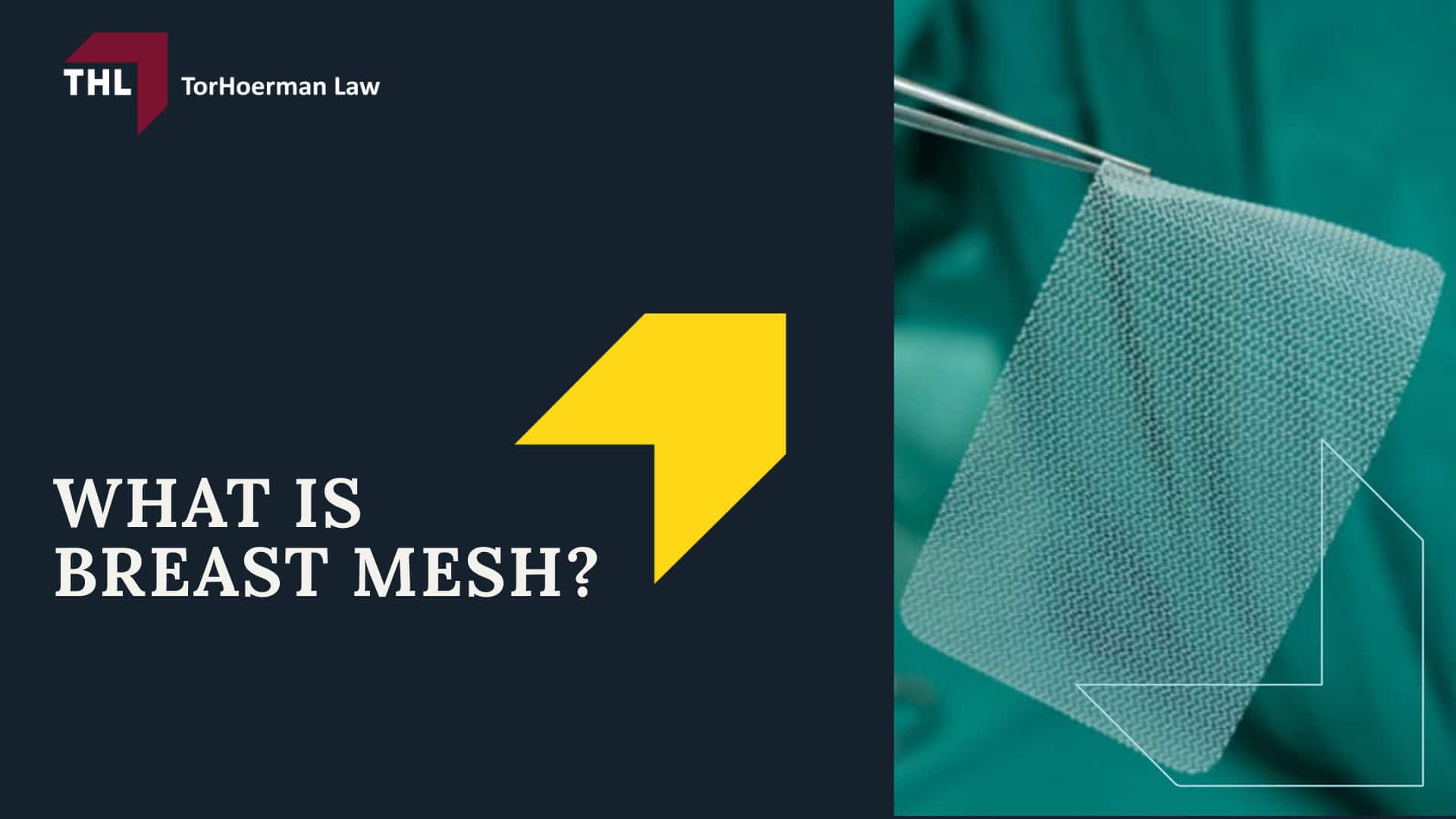
Breast mesh refers to a category of surgical devices that health care providers use in breast surgery to reinforce weakened areas, provide general soft tissue support, or stabilize the breast shape after reconstruction or cosmetic enhancement.

Breast mesh implants are placed inside the chest to create a supportive scaffold that integrates with natural tissue over time.

In breast lift surgery, the material is often positioned to provide additional internal support, especially for patients with thin skin or a history of significant sagging.

Breast reconstruction surgery may involve mesh to help hold an implant in place or to replace missing structural support after mastectomy.

Internal bra procedures use similar techniques, placing mesh beneath the breast to create a long-term internal sling intended to reduce recurrent sagging or implant malposition.

Breast Mesh Lawsuit - What Is Breast Mesh_ - torhoerman law

Surgeons have relied on several types of mesh in these operations, including synthetic mesh use in aesthetic procedures and biologic mesh options in medically necessary reconstruction.

Synthetic mesh is typically made from resorbable polymers that dissolve slowly as the body forms new connective tissue.

Biologic mesh is created from processed human or animal tissue and is designed to integrate more naturally into the surrounding anatomy.

Both materials are marketed to enhance durability and prevent complications related to weak support tissue, yet many patients report outcomes that differ significantly from what they were told to expect.

How Breast Mesh Works in Cosmetic and Reconstructive Surgery

Breast mesh is implanted beneath the skin and soft tissue to act as an internal support structure during cosmetic and reconstructive breast surgeries.

Surgeons use these mesh devices to reinforce weakened areas, stabilize breast implants, and improve aesthetic outcomes when tissue alone cannot provide adequate support.

In breast reconstructive surgery, the material helps create or maintain the implant pocket, especially for patients who have lost significant tissue after mastectomy.

Mesh is also used in other breast surgeries, including complex revisions where prior procedures have compromised natural tissue strength.

Both synthetic and biologic options are designed to integrate with the body.

The intended purpose is long-term reinforcement, though performance varies widely among patients.

Breast Mesh Lawsuit - What Is Breast Mesh_ - torhoerman law; Breast Mesh Lawsuit - How Breast Mesh Works in Cosmetic and Reconstructive Surgery - torhoerman law

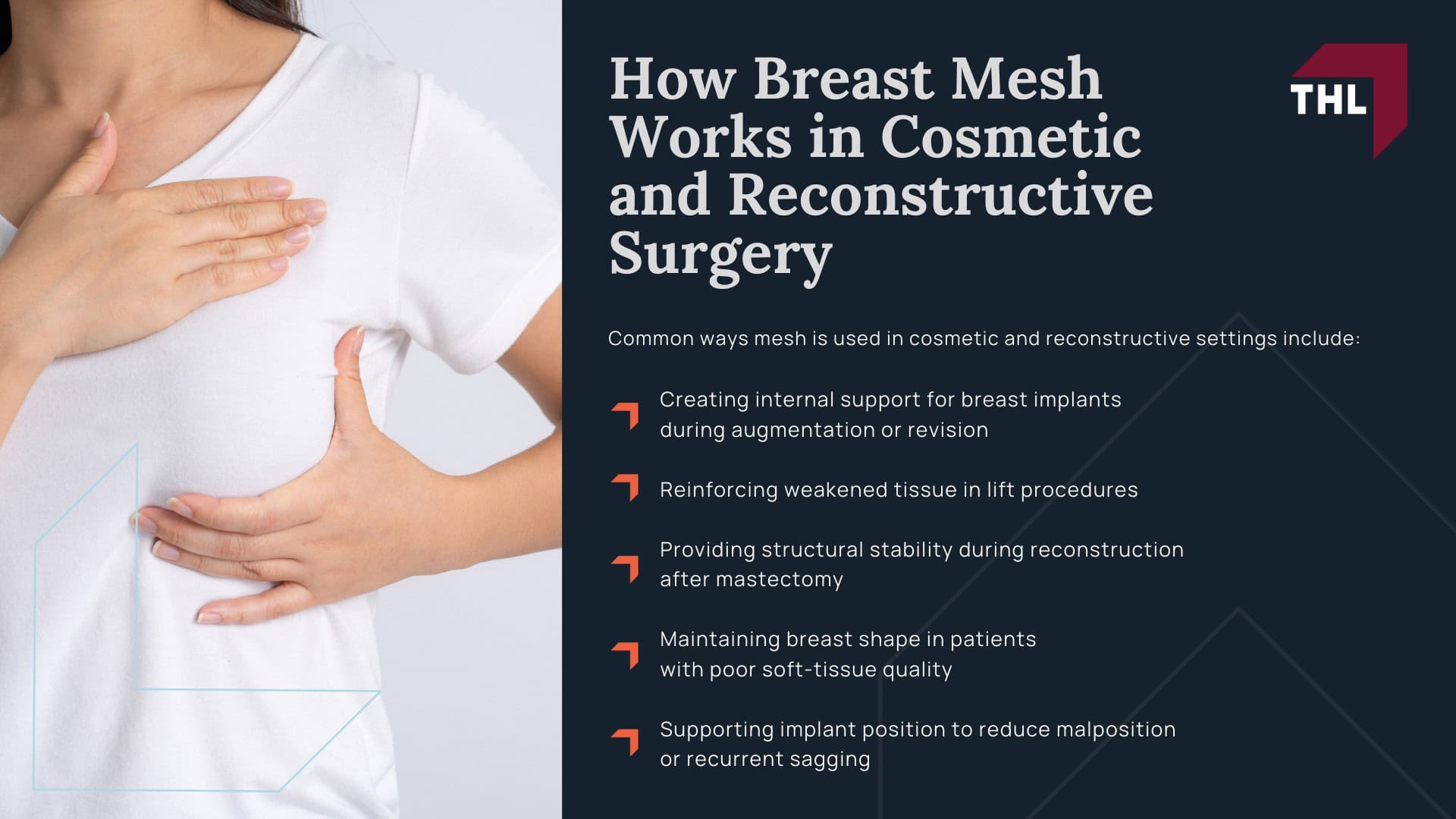
Common ways mesh is used in cosmetic and reconstructive settings include:

  • Creating internal support for breast implants during augmentation or revision
  • Reinforcing weakened tissue in lift procedures
  • Providing structural stability during reconstruction after mastectomy
  • Maintaining breast shape in patients with poor soft-tissue quality
  • Supporting implant position to reduce malposition or recurrent sagging

Types of Breast Mesh Used in Surgery

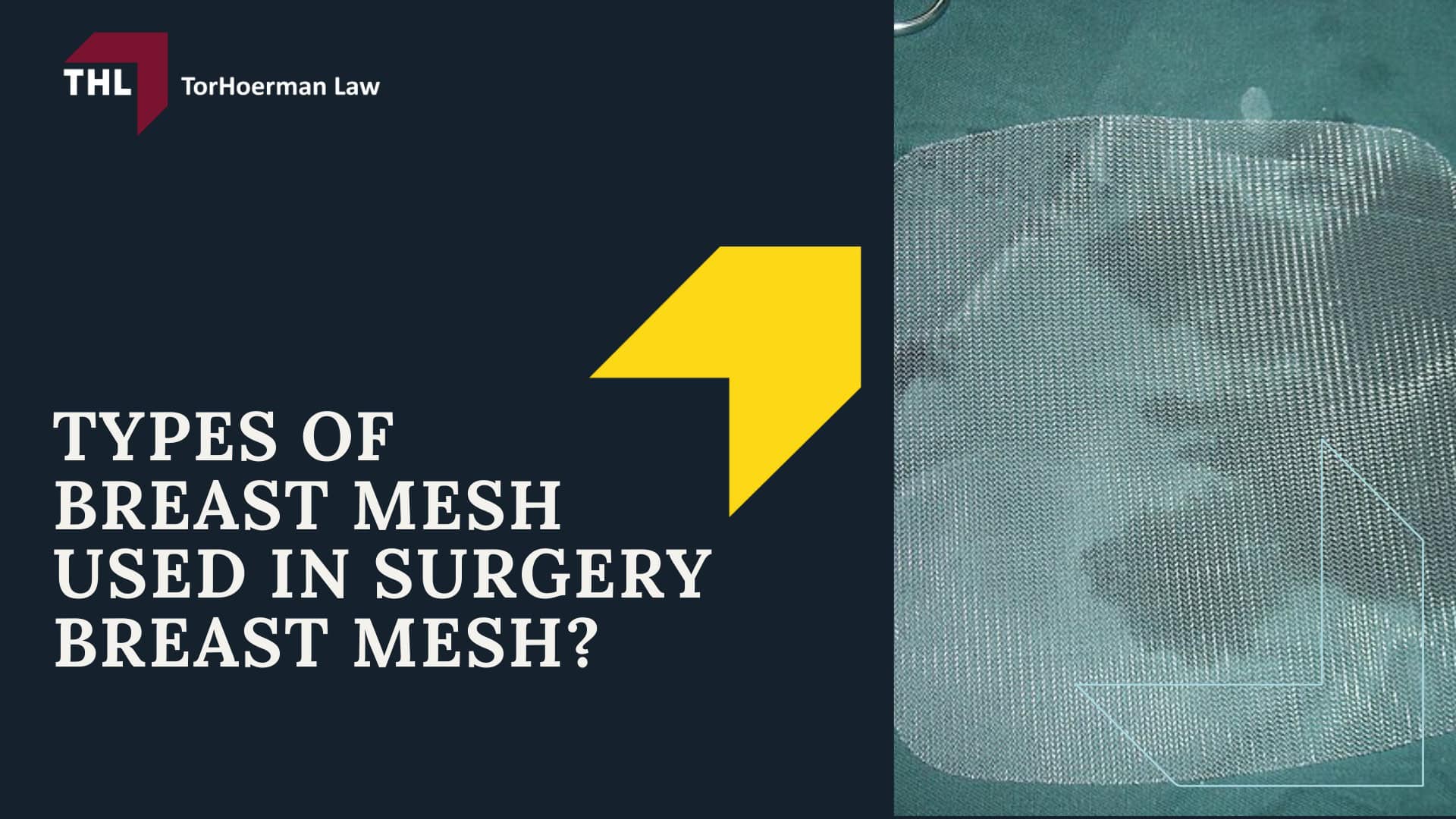
Surgeons rely on two primary categories of materials when using surgical mesh in breast procedures: biologic mesh and synthetic mesh.

These products are designed to reinforce weakened areas, improve implant stability, and provide long-term structural support in cosmetic and reconstructive operations.

Biologic mesh is derived from processed human or animal tissue and is engineered to integrate with the body permanently, creating a natural scaffold as new tissue forms.

Synthetic mesh, by contrast, is typically made from bioresorbable polymers that dissolve over time, allowing the body to replace the mesh with its own collagen while still offering significant early strength.

Breast Mesh Lawsuit - What Is Breast Mesh_ - torhoerman law; Breast Mesh Lawsuit - How Breast Mesh Works in Cosmetic and Reconstructive Surgery - torhoerman law; Breast Mesh Lawsuit - What Is Breast Mesh_ - torhoerman law; Breast Mesh Lawsuit - How Breast Mesh Works in Cosmetic and Reconstructive Surgery - torhoerman law

Mesh use in breast surgeries varies depending on the patient’s anatomy, the surgeon’s technique, and whether the goal is reconstruction, augmentation, or revision, but both biologic and synthetic mesh options are common across these applications.

Because each material behaves differently once implanted, understanding the distinction between them is essential when evaluating outcomes, complications, or potential product issues.

FDA Status and Safety Concerns Surrounding Breast Mesh Products

The FDA has stated that surgical mesh products cleared for soft-tissue reinforcement do not carry breast surgery-specific indications for augmentation or implant-based reconstruction procedures.

In communications to health care providers, the FDA discussed labeling updates for certain mesh products and noted that available clearances relate to soft-tissue reinforcement indications.

In 2021, the FDA released communications about differing complication rates among acellular dermal matrix (ADM) products used in implant-based breast reconstruction.

The agency’s analysis suggested that certain ADMs, particularly FlexHD and AlloMax, may have a higher chance of major complications, explantation, reoperation, and infection compared with some other ADMs or with no ADM use at all.

In 2023, the FDA issued a letter tied to labeling updates for several BD mesh products (including Phasix and GalaFLEX) used for soft-tissue reinforcement.

Breast Mesh Lawsuit - What Is Breast Mesh_ - torhoerman law; Breast Mesh Lawsuit - How Breast Mesh Works in Cosmetic and Reconstructive Surgery - torhoerman law; Breast Mesh Lawsuit - What Is Breast Mesh_ - torhoerman law; Breast Mesh Lawsuit - How Breast Mesh Works in Cosmetic and Reconstructive Surgery - torhoerman law; FDA Status and Safety Concerns Surrounding Breast Mesh Products

BD updated labeling language for certain products before the FDA issued a communication intended to inform health care providers about those updates.

FDA communications and published literature discussing mesh-assisted breast procedures reference reported postoperative complications that may include infection, implant loss, revision surgery, and reconstruction-related complications.

The FDA has advised that physicians discuss product indications, available clinical data, surgical risks, and potential postoperative complications with patients considering mesh-assisted breast procedures.

Alleged Breast Mesh and Internal Bra Complications

Complications have been reported after breast augmentation, lift procedures, and implant-based reconstruction procedures involving mesh or internal bra materials.

These outcomes may include infection, seroma, hematoma, delayed wound healing, capsular contracture, implant malposition, pain, scarring, and revision surgery.

Many of these complications are recognized risks of breast implant and reconstruction procedures generally.

In lawsuits involving breast mesh products, patients allege that mesh materials, product labeling, surgical technique, or incomplete risk disclosures contributed to the severity or persistence of their injuries.

Some patients require additional medical treatment after complications develop, including antibiotics, drainage procedures, debridement, implant removal, mesh removal, or revision surgery.

The role of mesh in these outcomes depends on the patient’s medical history, procedure type, product used, surgeon technique, tissue quality, and postoperative course.

Infection and Abscess Formation

Infection is a recognized complication of breast implant surgery, reconstruction, and revision procedures, including procedures involving mesh or internal bra materials.

In some cases, bacteria may colonize the implant pocket, mesh surface, or surrounding tissue, which can make treatment more difficult.

Patients with postoperative infection may experience swelling, redness, warmth, drainage, fever, non-healing wounds, or worsening pain.

Treatment may involve oral antibiotics, IV antibiotics, drainage, wound care, debridement, or removal of the implant and mesh material when infection cannot be controlled.

Some breast mesh lawsuits cite adverse event reports and medical records involving infections after mesh-assisted breast procedures.

Those reports do not, by themselves, prove that mesh caused the infection, but they may become part of a broader legal review involving product labeling, surgical risks, and whether the patient received adequate warnings before surgery.

One MAUDE adverse event report described a patient hospitalized for an enterococcus faecalis infection linked to a mesh used in breast reconstruction; the patient underwent implant and mesh removal.

Seromas and Chronic Fluid Buildup

Seromas are pockets of fluid that can form after breast surgery, including augmentation, mastectomy reconstruction, revision surgery, and procedures involving mesh or internal support materials.

Fluid buildup may occur when tissue planes are disrupted during surgery and the body produces inflammatory fluid during healing.

Many seromas resolve with observation or drainage.

Persistent or recurrent seromas may require repeated aspiration, drain placement, imaging, antibiotics if infection is suspected, or additional surgery.

When mesh is present, physicians may evaluate whether the fluid collection involves the implant pocket, surrounding scar tissue, or the area where the mesh was placed.

Patients may notice swelling, tightness, visible asymmetry, rippling, tenderness, or a soft lump near the surgical site.

Ultrasound or other imaging may be used to identify the fluid pocket and guide treatment.

In breast mesh litigation, seromas are commonly reviewed as part of the patient’s overall postoperative course.

The legal question is usually not whether seromas can occur after breast surgery, but whether the patient was adequately warned about the risk and whether the product, procedure, or postoperative management contributed to a persistent or severe outcome.

Hematoma and Postoperative Bleeding

Hematoma and postoperative bleeding are recognized complications after breast augmentation, reconstruction, and revision procedures.

A hematoma occurs when blood collects within the surgical pocket, which can increase pressure, pain, swelling, bruising, and the risk of additional wound complications.

In implant-based breast reconstruction with mesh support, a meta-analysis found a hematoma formation rate of approximately 2.5% across several studies.

Breast procedures involving mesh or internal support materials may be reviewed more closely when bleeding leads to implant loss, infection, tissue compromise, or revision surgery.

The presence of mesh does not automatically mean the mesh caused the hematoma.

Bleeding risk can depend on surgical technique, anatomy, medications, clotting history, drain placement, tissue quality, and the extent of dissection.

Treatment may involve observation, compression, imaging, surgical evacuation, or additional procedures to control bleeding and protect the implant pocket.

In lawsuits involving breast mesh, hematoma-related claims often focus on whether the patient was properly informed about possible surgical risks and whether later complications required avoidable revision procedures.

Delayed Wound Healing and Tissue Necrosis

Delayed wound healing and tissue necrosis can occur after breast reconstruction, augmentation, lift procedures, and revision surgeries.

Necrosis develops when skin, fat, or flap tissue does not receive enough blood flow to survive.

Known risk factors may include thin skin flaps, prior radiation, infection, smoking history, diabetes, surgical tension, implant pressure, and compromised tissue quality.

A 2021 review cited wound-healing disorders with necrosis in the mesh group of breast reconstruction patients.

When mesh or an internal bra material is used, physicians may assess whether the mesh became exposed, whether the implant pocket was compromised, and whether removal or revision surgery is necessary.

Mesh placement does not automatically establish the cause of tissue loss, but it may become relevant when a patient develops wound breakdown, exposure, infection, or reconstructive failure.

Patients may experience darkened skin, open wounds, delayed incision closure, drainage, exposed implant material, exposed mesh, or worsening pain.

Severe cases may require debridement, wound care, antibiotics, implant removal, mesh removal, or conversion to another reconstructive approach.

Capsular Contracture and Excessive Scar Formation

Capsular contracture occurs when scar tissue around a breast implant tightens and hardens.

The breast may feel firm, painful, elevated, distorted, or visibly misshapen.

Capsular contracture is a known complication of breast implant surgery, with or without mesh.

Biologic and synthetic mesh products have been used in some reconstruction and revision procedures to support the implant pocket and address scar-related complications.

Published studies have reported varying outcomes depending on the product, procedure type, patient population, follow-up period, and surgical technique.

Studies have found capsular contracture rates in implant-based breast reconstruction patients range between roughly 15% and 30% when no mesh or scaffold is used.

The use of biologic and synthetic mesh (such as ADM or P4HB scaffolds) in reconstruction and cosmetic procedures was introduced with the intention of reducing this risk by stabilizing the pocket and moderating scar response, but there remains mixed and limited long-term data on their effectiveness.

Even when mesh is used, excessive scar formation may still occur: the foreign material can initiate a heightened inflammatory response, encourage myofibroblast activity, and lead to a thickened, contractile capsule around the implant.

Some patients who underwent mesh-assisted procedures still report painful tightening, scar bands, implant displacement, asymmetry, or visible distortion.

Revision surgery may become more complex when scar tissue, implant material, and mesh have integrated into the surgical pocket.

Mesh Migration, Displacement, and Internal “Cording”

Mesh migration or displacement may occur when an implanted support material shifts from its intended position or no longer provides the expected structural support.

Patients may report changes in breast shape, implant position, visible asymmetry, tightness, or palpable bands beneath the skin.

Movement or malposition after breast surgery can have several possible causes, including tissue stretching, implant weight, fixation technique, scar formation, gravity, healing patterns, and revision history.

When mesh was used, physicians may evaluate whether the material remained properly positioned, whether scar tissue formed around it, and whether correction requires revision surgery.

A recent narrative review found that implant displacement, bottoming out, and mesh malposition are among the complications reported in mesh-supported breast surgeries.

Some patients describe internal “cording,” pulling, or tethering sensations after breast procedures.

These symptoms may involve scar tissue, tissue contraction, nerve irritation, or the location of implanted material.

Mesh Extrusion and Tissue Erosion

Mesh extrusion and tissue erosion can occur when tissue covering a breast implant or support material breaks down after surgery, leading to visible exposure of the implant, mesh, or surrounding reconstructive components.

These complications have been reported after implant-based reconstruction procedures, including some involving biologic or synthetic mesh materials.

Tissue breakdown may develop in the setting of infection, wound-healing complications, poor blood supply, skin-flap compromise, radiation exposure, tissue tension, or prior revision surgery.

When exposure occurs, physicians may evaluate whether the implant pocket, surrounding tissue, or implanted support material can be preserved or whether removal is necessary.

Patients experiencing extrusion or erosion may develop drainage, visible implant or mesh exposure, non-healing wounds, redness, pain, thinning skin, or progressive breakdown near the incision line.

Published case reports and reconstructive literature describe situations where implant exposure ultimately required implant removal, mesh removal, wound revision, or conversion to another reconstructive approach.

Some studies discussing internal support materials in breast reconstruction have noted risks such as palpability, exposure, erosion, or biofilm formation involving certain synthetic products.

Outcomes vary depending on the product used, tissue quality, surgical technique, radiation history, infection status, and overall healing conditions.

Reconstruction Failure and Implant Loss

Reconstruction failure and implant loss refer to situations where postoperative complications become severe enough that the breast implant, surrounding reconstructive materials, or associated support structures must be removed.

These outcomes may occur after implant-based breast reconstruction procedures with or without mesh involvement.

Clinical research on implant-based breast reconstruction and acellular dermal matrix (ADM) products commonly track explantation, reoperation, infection, wound complications, and flap-related problems as important postoperative outcomes.

Implant removal may become necessary in cases involving uncontrolled infection, persistent wound breakdown, tissue necrosis, implant exposure, chronic seroma formation, or severe capsular contracture.

FDA communications and published reconstruction literature have discussed differing complication rates reported among certain ADM products used in implant-based reconstruction procedures.

Those findings do not establish that all mesh products are defective or unsafe, but they may be referenced in litigation involving postoperative complications and revision surgery claims.

Broader reviews of immediate implant-based reconstruction consistently identify infection, wound dehiscence, flap compromise, and tissue necrosis as factors associated with reconstructive failure.

In some cases involving implants or mesh materials, persistent bacterial contamination or biofilm formation may make conservative treatment unsuccessful, leading physicians to recommend implant removal or explantation procedures.

Patients who experience reconstruction failure often undergo additional surgeries to remove implants, revise the reconstruction, address scarring or deformity, manage infection, or transition to tissue-based reconstruction methods.

Chronic Pain, Tightness, and Nerve Symptoms

Chronic breast, chest wall, axillary, or arm pain may occur after mastectomy, reconstruction, augmentation, or revision surgery.

Potential causes include nerve injury, scar tissue, muscle spasm, implant position, capsular contracture, inflammation, neuroma formation, or complications involving implanted materials.

One prospective cohort of 213 women undergoing mastectomy or reconstruction found that pain in the upper breast, axilla and arm persisted at year-1 and year-5, with location differing by surgical method.

A systematic review covering over 26,000 patients revealed chronic pain in about 41.8% of mastectomy-only patients and nearly 49.5% of those who had immediate reconstruction.

Some postoperative pain may be neuropathic in nature and can involve nerve injury, neuroma formation, scar tissue, implant position, or other postoperative changes associated with breast surgery.

For example, a case series of women with breast implants found traumatic neuromas in the implant capsules and complete pain resolution after explantation.

Patients who undergo mesh-assisted breast procedures may later report tightness, pulling sensations, chest wall discomfort, or restricted movement following surgery. Potential contributing factors can include scar tissue, implant position, nerve irritation, inflammation, or postoperative healing changes.

Research on post-breast surgery pain syndrome (PBSPS) confirms chest wall, axillary and breast pain can be caused by nerve damage, muscle spasm, and scarring after both oncologic and cosmetic surgeries.

Breast Deformities and Permanent Scarring

Deformities such as rippling, contour irregularities, implant malposition, and visible asymmetry have been reported after implant-based breast reconstruction and augmentation procedures, including some involving mesh or scaffold materials.

Some published reconstruction studies have reported differing aesthetic and capsular contracture outcomes among patient groups undergoing procedures with acellular dermal matrix (ADM) or mesh materials.

Outcomes may vary depending on surgical technique, patient selection, tissue quality, radiation exposure, and follow-up duration.

In some patients, scarring may become thickened, tethered, raised, or cosmetically prominent depending on tissue quality, healing response, radiation exposure, infection, or postoperative complications.

Long-term reconstruction studies involving ADM products have reported revision surgeries related to cosmetic concerns, capsular contracture, asymmetry, implant position changes, and postoperative healing complications.

Complications such as wound breakdown, tissue necrosis, implant exposure, or implant loss may contribute to permanent scarring, contour changes, or reshaping of the reconstructed breast.

Because deformities and scarring often require further corrective surgeries (sometimes multiple) the emotional and functional consequences are substantial.

Revision Surgeries and Long-Term Complications

Revision surgery may become necessary after breast reconstruction, augmentation, or internal bra procedures when patients experience postoperative complications such as pain, implant malposition, capsular contracture, fluid collections, wound-healing problems, or cosmetic deformities.

Additional procedures may be recommended to remove implanted materials, reposition implants, revise scar tissue, treat postoperative complications, or address cosmetic changes that develop after reconstruction or augmentation surgery.

Some patients report ongoing symptoms or cosmetic concerns months or years after reconstruction or augmentation procedures, including pain, tightness, asymmetry, implant-position changes, or recurrent scar-related complications.

These cumulative complications often result in additional operative risks, higher medical costs, and long-lasting physical and emotional burdens.

Long-term postoperative complications reported after breast reconstruction or augmentation procedures, including some involving mesh materials, may include:

  • Chronic breast or chest wall pain
  • Recurrent seromas or fluid buildup requiring ongoing intervention
  • Persistent inflammation or localized immune reactions
  • Progressive capsular contracture
  • Implant malposition or recurrent ptosis
  • Visible deformities or contour irregularities
  • Thick, tethered, or hypertrophic scarring
  • Loss of breast volume or asymmetry
  • Need for conversion to autologous (tissue-based) reconstruction

Do You Qualify for a Breast Mesh Lawsuit?

You may qualify for a breast mesh lawsuit if you experienced serious complications after a breast procedure that involved mesh or an internal bra device.

Many qualifying cases involve mesh used during breast augmentation, breast lift procedures, implant-based breast reconstruction, or revision surgeries where additional support was added beneath the breast tissue.

Patients often discover they qualify only after obtaining their operative reports, which reveal the specific type of mesh or ADM used during surgery.

You may still have a valid claim even if you were never told that mesh was implanted or were unaware the product was used off-label for breast surgery.

Breast Mesh Lawsuit - What Is Breast Mesh_ - torhoerman law; Breast Mesh Lawsuit - How Breast Mesh Works in Cosmetic and Reconstructive Surgery - torhoerman law; Breast Mesh Lawsuit - What Is Breast Mesh_ - torhoerman law; Breast Mesh Lawsuit - How Breast Mesh Works in Cosmetic and Reconstructive Surgery - torhoerman law; FDA Status and Safety Concerns Surrounding Breast Mesh Products; Breast Mesh Lawsuit - Breast Mesh Products Named in Lawsuits and Regulatory Notices; Breast Mesh Lawsuit - Breast Mesh and Internal Bra Complications; Breast Mesh Lawsuit - Do You Qualify for a Breast Mesh Lawsuit

Individuals who developed infections, tissue necrosis, chronic pain, implant loss, deformities, or required revision surgeries are typically strong candidates for legal action.

Claims are also being reviewed for patients who experienced systemic symptoms or progressive complications believed to be linked to the implanted mesh.

Attorneys will evaluate when your symptoms began, how many procedures you underwent, and whether your injuries align with known complications associated with the product.

If you experienced these types of harm, you may be eligible to move forward with a legal claim and seek compensation for the physical, emotional, and financial impact.

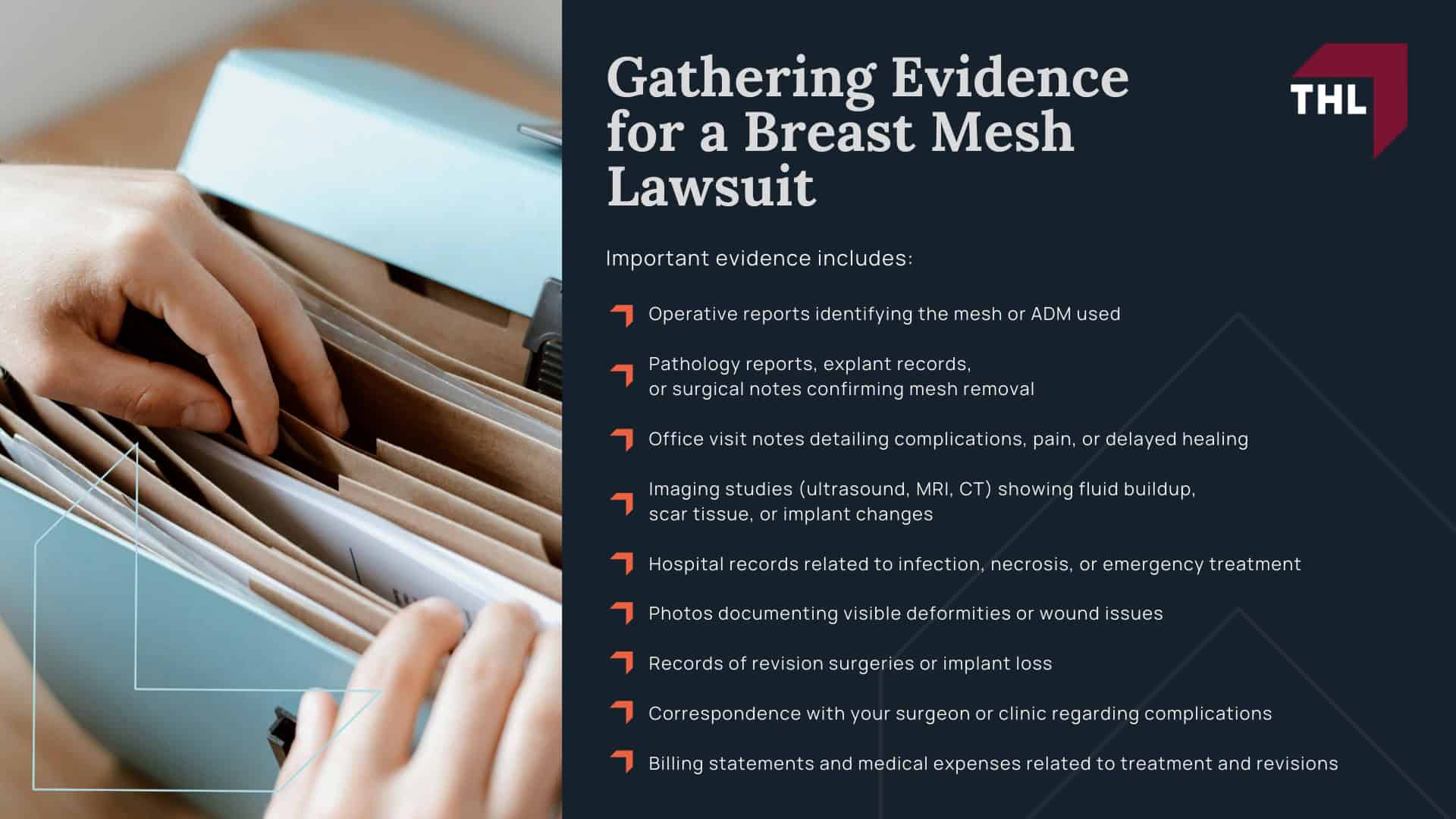
Gathering Evidence for a Breast Mesh Lawsuit

Strong evidence is essential in a breast mesh lawsuit because it documents exactly which product was used and how your injuries developed over time.

Medical records, imaging, and operative notes help establish a clear connection between the mesh and the complications you experienced.

Without this documentation, it becomes harder to prove that the mesh contributed to infection, tissue damage, or reconstruction failure.

Comprehensive evidence also allows attorneys to build a more accurate timeline of your symptoms, treatments, and long-term impact.

Breast Mesh Lawsuit - What Is Breast Mesh_ - torhoerman law; Breast Mesh Lawsuit - How Breast Mesh Works in Cosmetic and Reconstructive Surgery - torhoerman law; Breast Mesh Lawsuit - What Is Breast Mesh_ - torhoerman law; Breast Mesh Lawsuit - How Breast Mesh Works in Cosmetic and Reconstructive Surgery - torhoerman law; FDA Status and Safety Concerns Surrounding Breast Mesh Products; Breast Mesh Lawsuit - Breast Mesh Products Named in Lawsuits and Regulatory Notices; Breast Mesh Lawsuit - Breast Mesh and Internal Bra Complications; Breast Mesh Lawsuit - Do You Qualify for a Breast Mesh Lawsuit; Breast Mesh Lawsuit - Gathering Evidence for a Breast Mesh Lawsuit

Important evidence includes:

  • Operative reports identifying the mesh or ADM used
  • Pathology reports, explant records, or surgical notes confirming mesh removal
  • Office visit notes detailing complications, pain, or delayed healing
  • Imaging studies (ultrasound, MRI, CT) showing fluid buildup, scar tissue, or implant changes
  • Hospital records related to infection, necrosis, or emergency treatment
  • Photos documenting visible deformities or wound issues
  • Records of revision surgeries or implant loss
  • Correspondence with your surgeon or clinic regarding complications
  • Billing statements and medical expenses related to treatment and revisions

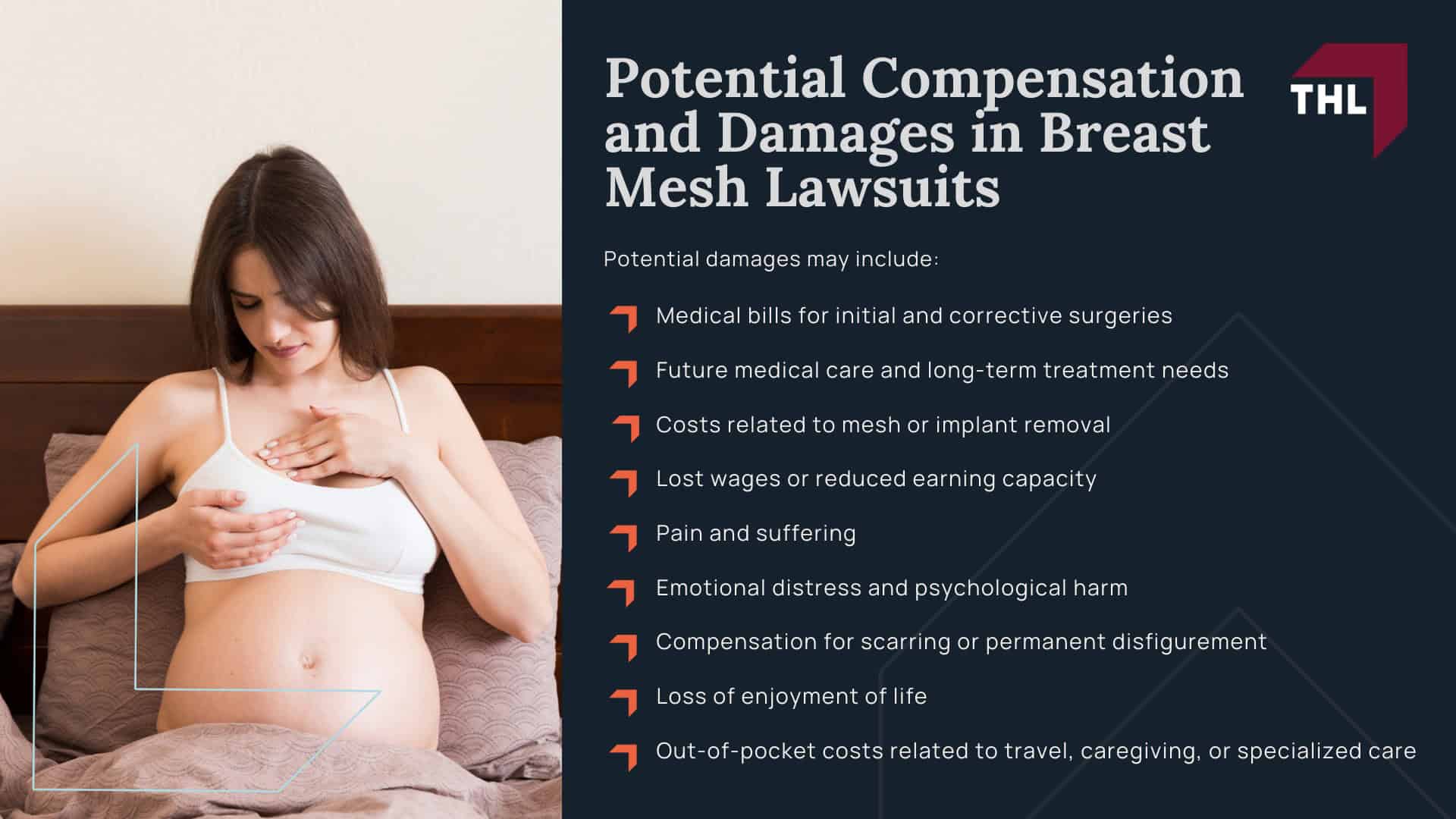
Potential Compensation and Damages in Breast Mesh Lawsuits

Damages represent the physical, emotional, and financial losses a patient experiences because of mesh-related injuries.

A lawyer evaluates medical records, surgical outcomes, long-term complications, and the overall impact on daily life to determine the full scope of these losses.

By analyzing both current and future needs, an attorney can calculate damages that reflect the real cost of treatment, recovery, and ongoing limitations.

This allows them to advocate for maximum compensation based on the severity and lasting effects of the injury.

Breast Mesh Lawsuit - What Is Breast Mesh_ - torhoerman law; Breast Mesh Lawsuit - How Breast Mesh Works in Cosmetic and Reconstructive Surgery - torhoerman law; Breast Mesh Lawsuit - What Is Breast Mesh_ - torhoerman law; Breast Mesh Lawsuit - How Breast Mesh Works in Cosmetic and Reconstructive Surgery - torhoerman law; FDA Status and Safety Concerns Surrounding Breast Mesh Products; Breast Mesh Lawsuit - Breast Mesh Products Named in Lawsuits and Regulatory Notices; Breast Mesh Lawsuit - Breast Mesh and Internal Bra Complications; Breast Mesh Lawsuit - Do You Qualify for a Breast Mesh Lawsuit; Breast Mesh Lawsuit - Gathering Evidence for a Breast Mesh Lawsuit; Breast Mesh Lawsuit - Potential Compensation and Damages in Breast Mesh Lawsuits

Potential damages may include:

  • Medical bills for initial and corrective surgeries
  • Future medical care and long-term treatment needs
  • Costs related to mesh or implant removal
  • Lost wages or reduced earning capacity
  • Pain and suffering
  • Emotional distress and psychological harm
  • Compensation for scarring or permanent disfigurement
  • Loss of enjoyment of life
  • Out-of-pocket costs related to travel, caregiving, or specialized care

TorHoerman Law: Investigating Breast Mesh Complications and Injuries

Breast mesh complications can lead to long-term pain, disfigurement, implant loss, and repeated surgeries that take a serious toll on a person’s health and quality of life.

Some patients may have never been told a mesh product would be used or were unaware that these devices were not approved for breast surgery, leaving them unprepared for the risks they now face.

TorHoerman Law is actively reviewing claims for individuals who experienced complications after procedures involving mesh, ADM products, or internal-bra devices.

Breast Mesh Lawsuit - What Is Breast Mesh_ - torhoerman law; Breast Mesh Lawsuit - How Breast Mesh Works in Cosmetic and Reconstructive Surgery - torhoerman law; Breast Mesh Lawsuit - What Is Breast Mesh_ - torhoerman law; Breast Mesh Lawsuit - How Breast Mesh Works in Cosmetic and Reconstructive Surgery - torhoerman law; FDA Status and Safety Concerns Surrounding Breast Mesh Products; Breast Mesh Lawsuit - Breast Mesh Products Named in Lawsuits and Regulatory Notices; Breast Mesh Lawsuit - Breast Mesh and Internal Bra Complications; Breast Mesh Lawsuit - Do You Qualify for a Breast Mesh Lawsuit; Breast Mesh Lawsuit - Gathering Evidence for a Breast Mesh Lawsuit; Breast Mesh Lawsuit - Potential Compensation and Damages in Breast Mesh Lawsuits; Breast Mesh Lawsuit - Breast Mesh Manufacturers Under Review; Breast Mesh Lawsuit - TorHoerman Law_ Investigating Breast Mesh Complications and Injuries

If you suffered injuries linked to breast mesh, you may be eligible to take legal action and pursue compensation for the harm you’ve endured.

Contact TorHoerman Law today to learn whether you qualify for a breast mesh lawsuit.

You can also use the chat feature on this page to find out if you qualify for a breast mesh lawsuit.

Frequently Asked Questions

Published by:
Share
Picture of Tor Hoerman
Tor Hoerman

Tor Hoerman has represented injured individuals for more than 30 years, with experience spanning individual personal injury cases and nationwide mass tort litigation. His work includes car accidents, catastrophic injuries, product liability claims, and other serious injury cases. Tor has served in court-appointed leadership roles in national litigation and tried cases involving major corporate defendants.

TorHoerman Law’s legal content is researched and written by our editorial team and attorneys for legal accuracy, clarity, and relevance. We rely on statutes, court records, government publications, medical research, and other authoritative sources when applicable. This page provides general legal information and does not constitute legal advice.

TorHoerman Law reviews its legal content for factual accuracy, current information, and relevant legal context before publication and as material developments occur. This article is provided for general informational purposes and does not constitute legal advice. For guidance about a specific case, contact TorHoerman Law.

Additional Breast Mesh Lawsuit resources on our website:
All
FAQs
Injuries & Conditions
Legal Help
Other Resources
Settlements & Compensation
News

You can learn more about this topic by visiting any of our Breast Mesh Lawsuit pages listed below:

AlloMax Lawsuit
Breast Mesh Lawsuit Settlement Amounts: Projections and Estimates
Breast Mesh Lawyer for Internal Bra Complications and Injuries
GalaFLEX Breast Mesh Lawsuit
Internal Bra Complications: Injuries Linked to Defective Breast Mesh
Phasix Breast Mesh Lawsuit
Have you or a loved one been injured?

A serious injury can change your life.

Speak with an experienced personal injury lawyer about your rights, your case, and the legal options available to you.
Google
677 reviews
4.9
★★★★★
Recovered damages
$4 Billion+

Table of Contents

Guides & Resources
About TorHoerman Law

TorHoerman Law represents people whose lives have been disrupted by serious injuries, unsafe products, and negligence. Our attorneys handle individual personal injury cases as well as national mass tort lawsuits involving major corporations.

Founded in 2009, our legal team brings more than 100 years of combined experience handling serious injury and complex civil litigation.

Do you believe you’re entitled to compensation?

Use our Instant Case Evaluator to find out in as little as 60 seconds!

$495 Million
Baby Formula NEC Lawsuit

In this case, we obtained a verdict of $495 Million for our client’s child who was diagnosed with Necrotizing Enterocolitis after consuming baby formula manufactured by Abbott Laboratories.

$20 Million
Toxic Tort Injury

In this case, we were able to successfully recover $20 Million for our client after they suffered a Toxic Tort Injury due to chemical exposure.

$103.8 Million
COX-2 Inhibitors Injury

In this case, we were able to successfully recover $103.8 Million for our client after they suffered a COX-2 Inhibitors Injury.

$4 Million
Traumatic Brain Injury

In this case, we were able to successfully recover $4 Million for our client after they suffered a Traumatic Brain Injury while at daycare.

$2.8 Million
Defective Heart Device

In this case, we were able to successfully recover $2.8 Million for our client after they suffered an injury due to a Defective Heart Device.

Other Breast Mesh Lawsuit Resources

All
FAQs
Injuries & Conditions
Legal Help
Other Resources
Settlements & Compensation
News