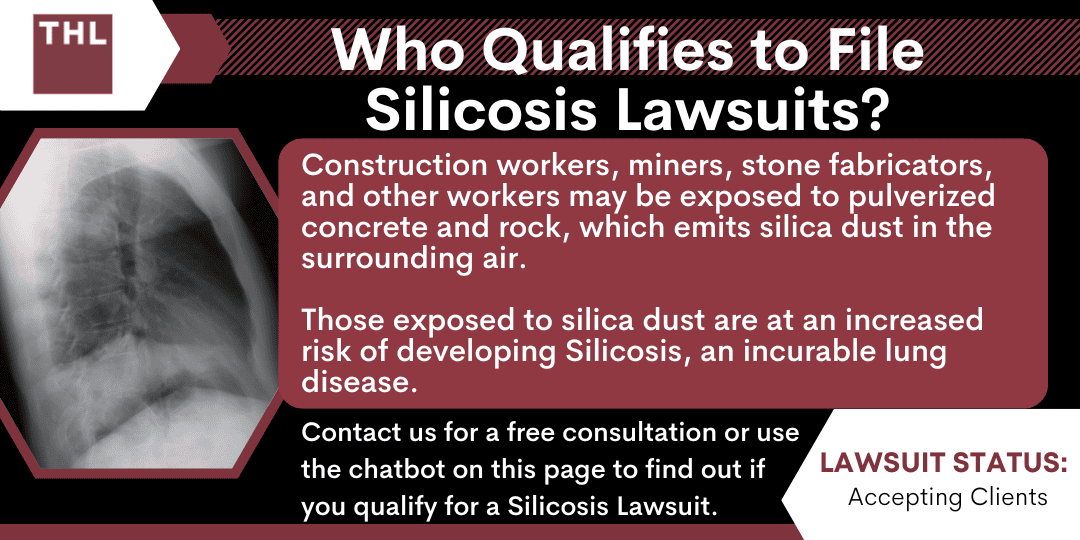
Silica dust exposure is linked to a variety of health conditions, primarily silicosis.
However, the health effects of silica exposure extend beyond silicosis, affecting individuals differently based on the level and duration of their exposure, as well as individual health factors.
Workers exposed to silica dust might develop conditions ranging from chronic lung diseases to autoimmune disorders, depending on these variables.
This variability underscores the need for tailored protective measures in workplaces to address the broad spectrum of potential health risks associated with silica dust.
What is Silicosis?
Silicosis is a lung disease caused medically by the inhalation of crystalline silica dust, leading to the formation of scar tissue (fibrosis) in the lungs.
Scarring impedes the lungs’ ability to exchange oxygen and carbon dioxide, significantly affecting respiratory function.
Over time, this condition can progress, reducing lung capacity and making breathing increasingly difficult. Additionally, silicosis predisposes individuals to other serious respiratory infections and diseases due to the weakened state of the lungs.
Different types of silicosis include:
- Acute Silicosis: Develops after a short period of exposure to high concentrations of silica dust, characterized by severe inflammation and fluid accumulation in the lungs, leading to rapid onset of symptoms.
- Chronic Silicosis: The most common form, occurring after long-term exposure to lower levels of silica dust, where symptoms may take years to appear as the lung tissue gradually becomes scarred.
- Accelerated Silicosis: Occurs with exposure to higher concentrations of silica over a shorter period (5-10 years), leading to faster progression of lung scarring than in chronic silicosis.
Silicosis Complications and Secondary Health Problems
Silicosis, once developed, can lead to a range of complications and secondary health problems due to impaired lung function and decreased ability to fight infections.
The scarring of lung tissue not only affects the lungs’ capacity but also places a strain on the heart and other organs, potentially leading to additional health issues.
Individuals with silicosis are at an increased risk for several conditions that can further compromise their health and well-being.
Silicosis Complications and Secondary Health Problems include:
- Tuberculosis (TB): Silicosis increases susceptibility to TB, a serious lung infection.
- Chronic Obstructive Pulmonary Disease (COPD): A group of lung conditions that block airflow and make breathing difficult.
- Pulmonary Hypertension: Increased blood pressure within the arteries to the lungs, making it harder for the heart to pump blood through.
- Respiratory Failure: A severe condition where the lungs cannot exchange oxygen and carbon dioxide effectively.
- Kidney Disease: Impaired kidney function or kidney failure due to the body’s reaction to silica.
- Progressive Massive Fibrosis: A severe form of silicosis where large areas of scar tissue form in the lungs, significantly reducing lung function and leading to respiratory failure.
What is the Medical Treatment for Silicosis?
Silicosis is an incurable lung disease caused by inhaling silica dust, which means medical treatments focus on managing symptoms and slowing the disease’s progression rather than curing it.
The aim of these treatments is to improve the quality of life for patients by alleviating symptoms, enhancing lung function, and preventing further damage to the lungs.
Medical professionals may prescribe a combination of therapies tailored to each patient’s specific needs and the severity of their condition.
Regular monitoring and supportive care are essential for managing silicosis effectively, as the condition can lead to other serious health issues if not properly managed.
It’s crucial for patients to avoid any further exposure to silica dust to prevent the worsening of their condition.
Medical treatments used on silicosis patients include:
- Corticosteroids: To reduce inflammation in the lungs.
- Bronchodilators: To help open the airways and make breathing easier.
- Oxygen therapy: To provide supplemental oxygen for patients with difficulty breathing.
- Pulmonary rehabilitation: A program that includes exercise and education to improve lung function.
- Vaccinations: Such as the flu and pneumococcal vaccines, to prevent infections that could worsen the condition.
- Antibiotics: Used to treat respiratory infections as they occur.
- Lung Transplant: Considered for severe cases where other treatments have not been effective and lung function is significantly compromised.
Other Diseases and Health Issues Caused by Silica Exposure
In addition to silicosis, exposure to silica dust can lead to a variety of other serious respiratory conditions due to its damaging effects on lung tissue.
The inhalation of fine silica particles can cause inflammation and scarring, leading to pulmonary fibrosis and chronic bronchitis, among other diseases.
These conditions not only affect lung health but also significantly impact overall quality of life, highlighting the importance of protective measures in workplaces where silica dust is present.
Other Diseases and Health Issues Caused by Silica Exposure include:
- Pulmonary Fibrosis: A condition characterized by the formation of scar tissue in the lungs, leading to decreased lung function.
- Lung Damage: General impairment of lung tissue integrity, affecting breathing and oxygen exchange.
- Chronic Bronchitis: Long-term inflammation of the bronchial tubes, resulting in persistent coughing and mucus production.
- Autoimmune Disorders: Including systemic sclerosis and rheumatoid arthritis, potentially triggered by silica exposure.
- Lung Cancer: An increased risk of developing lung cancer has been associated with long-term exposure to crystalline silica.