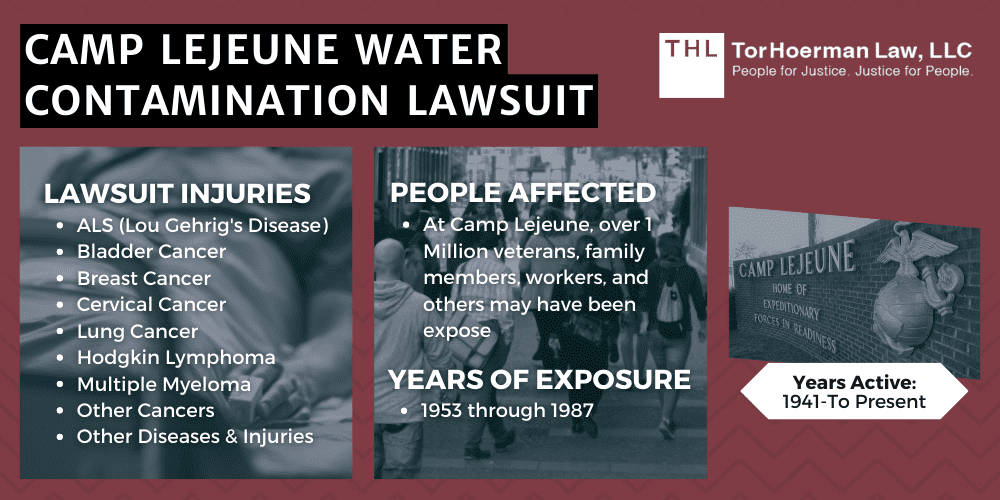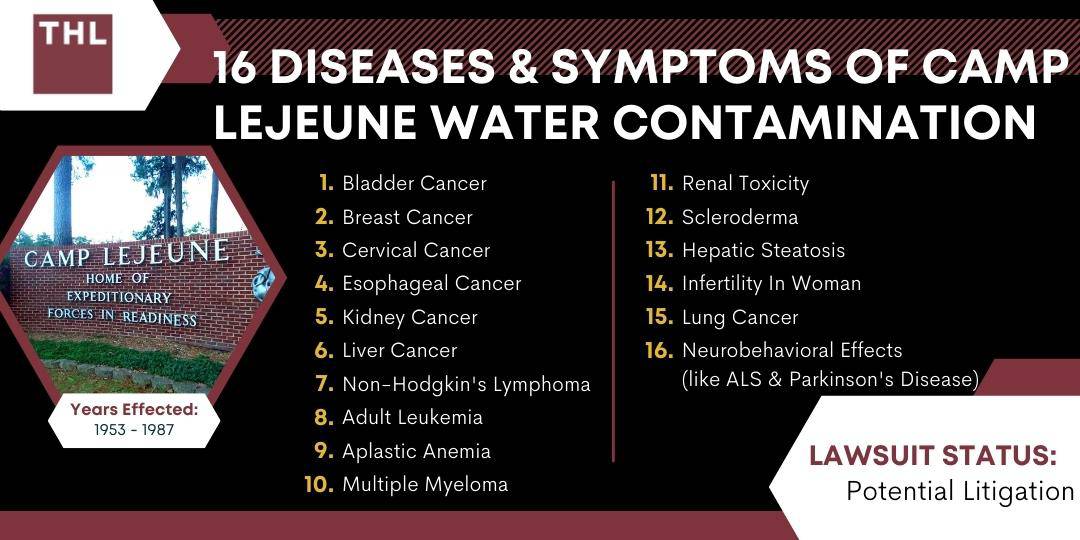
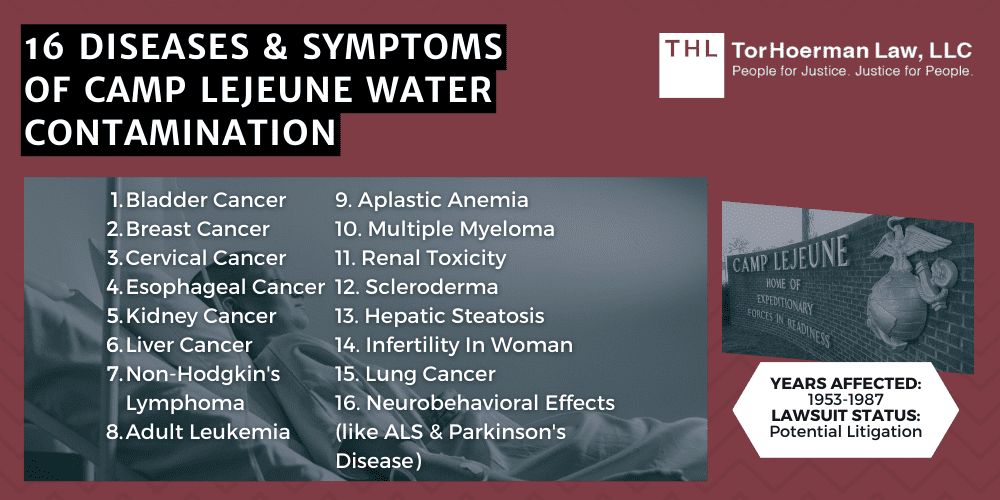
Sixteen (16) of the health conditions and symptoms that have been linked to exposure to the contaminated water at Camp Lejeune include:
1. Bladder Cancer
According to researchers, the contaminated water at Camp Lejeune may have increased the risk of bladder cancer among those exposed to it. Bladder cancer is a disorder in which malignant (cancer) cells develop in the bladder’s tissues.
There are some risk factors that are common to many people. These include age, gender, smoking status, and exposure to environmental toxins. Bladder cancer is more common among older people, as their bodies have had longer to develop abnormalities in their cells.
Although there is no one definitive cure for bladder cancer, early detection and treatment can improve your chances of recovery and reduce your symptoms. Individuals at high risk of bladder cancer can take proactive measures to maintain their health by making lifestyle adjustments and receiving periodic screening examinations.
2. Breast Cancer
The second most common type of cancer linked to Camp Lejeune water contamination is breast cancer. Studies have shown that women who were exposed to the contaminated water at Camp Lejeune have a much higher risk of developing breast cancer than those who were not exposed.
There are a number of possible explanations for this increased risk. One theory is that the contaminants in the water can disrupt the normal function of the breasts and increase the risk of cancer. Another theory is that the contaminants can damage DNA, which can then lead to the development of cancer.
There are a number of symptoms that women should be aware of when it comes to breast cancer. These include a change in the size or shape of the breasts, a change in the texture of the skin on the breasts, a lump in the breast, and discharge from the nipple. If you experience any of these symptoms, it is important to see a doctor right away.
3. Cervical Cancer
Cervical cancer is another type of cancer that has been linked to exposure to contaminated water at Camp Lejeune. This type of cancer develops in the tissues of the cervix, which is the lower part of the uterus.
Cervical cancer is caused by a virus known as human papillomavirus (HPV). Researchers believe that the contaminated water at Camp Lejeune may have increased the risk of cervical cancer by exposing women to HPV.
There are a number of symptoms associated with cervical cancer. These include bleeding between periods, bleeding after sexual intercourse, and pain during sexual intercourse.
4. Esophageal Cancer
This particular type of cancer begins in the esophagus, which is the hollow, muscular tube that transports food and liquids from your mouth to your stomach. Esophageal cancer is relatively rare, accounting for only about 1% of all cancers diagnosed in the United States each year.
However, it is one of the deadliest types of cancer, with a five-year survival rate of only about 20%. This is because cancer often goes undetected until it has spread to other parts of the body.
Symptoms of esophageal cancer include difficulty swallowing, weight loss, and pain in the throat or back. Contaminated water at Camp Lejeune may have increased the risk of esophageal cancer by damaging the DNA of the cells in the esophagus.
5. Kidney Cancer
Kidney cancer begins in the cells of the kidney and can spread to other parts of the body. The kidneys are a pair of organs that filter waste from the blood and remove it from the body.
The contaminated water has been linked to an increased risk of kidney cancer. It is due to exposure to chemicals like benzene and trichloroethylene. The risk is highest among people who were exposed to the water for longer periods of time.
Symptoms of kidney cancer include blood in the urine, pain in the side, and a mass in the abdomen. If you experience any of these symptoms, it is important to see a doctor right away.
6. Liver Cancer
The contaminated water at Camp Lejeune has also been linked to an increased risk of liver cancer. The Agency for Toxic Substances and Disease Registry (ATSDR) found that men who were exposed to the contaminated water at Camp Lejeune were twice as likely to develop liver cancer as those who had not been exposed.
It is believed that the contaminated water may have increased the risk of liver cancer by exposing people to chemicals like benzene and trichloroethylene. These chemicals can damage DNA and lead to the development of cancer.
There are a number of symptoms associated with liver cancer. These include weight loss, fatigue, pain in the abdomen, and jaundice.
7. Non-Hodgkin’s lymphoma
The risk of developing non-Hodgkin’s lymphoma was found to be two times greater for those who drank the contaminated water at Camp Lejeune. This is cancer that begins in the cells of the lymph system, which is part of the body’s immune system.
The symptoms of non-Hodgkin’s lymphoma can include swollen lymph nodes, fatigue, fever, and weight loss. Contaminated water at Camp Lejeune has the elements to create a toxic environment in the body and suppress the immune system.
It is important to see a doctor if you experience any of these symptoms. Early detection is important for the successful treatment of this type of cancer.
8. Adult leukemia
Adult leukemia is the abnormal growth of blood cells in the bone marrow. This can crowd out healthy blood cells and lead to serious health problems. People who were exposed to the contaminated water at Camp Lejeune were found to be more likely to develop adult leukemia.
The symptoms of adult leukemia can include fatigue, fever, weight loss, and easy bruising or bleeding. Most people with adult leukemia will need treatment with chemotherapy or radiation.
The water at Camp Lejeune is contaminated, and it contains Benzene, a known carcinogen that has been linked to leukemia. If you were exposed to contaminated water, it is important to talk to your doctor about your risk for leukemia.
9. Aplastic anemia
The chemicals in the water at Camp Lejeune have been linked to aplastic anemia, which is a condition in which the body does not produce enough new blood cells. Risk factors that have been linked to aplastic anemia include exposure to chemicals like benzene and trichloroethylene.
Symptoms of aplastic anemia can include fatigue, shortness of breath, and easy bruising or bleeding. The treatment for aplastic anemia is a bone marrow transplant.
The symptoms can be mild or severe, and they can come on suddenly or gradually. In a research study of people who were exposed to the contaminated water at Camp Lejeune, the risk for aplastic anemia was found to be increased.
10. Multiple Myeloma
The occurrence of this cancer is increased by 56% for those exposed to the Camp Lejeune water contamination. This cancer attacks plasma cells in the bone marrow and causes problems with the production of blood cells.
Multiple Myeloma is hard to diagnose in its early stages because it shares symptoms with other illnesses. These can include Fatigue, Bone pain or fractures, Frequent infections, Nausea and Anemia.
The exact cause of Multiple Myeloma is unknown, but it is thought to be caused by a combination of environmental and genetic factors.
11. Renal toxicity
Another symptom that is common in individuals who have been exposed to contaminated water at Camp Lejeune is renal toxicity. Renal toxicity is damage to the kidneys that can lead to kidney failure.
Some of the symptoms associated with renal toxicity include Changes in urination, Frequent urination, Blood in the urine, swelling in the feet, ankles, or legs, Nausea and weakness.
This condition can be very serious and if you believe that you may have been exposed to contaminated water at Camp Lejeune, it is important to seek medical attention as soon as possible.
12. Scleroderma
Scleroderma is a condition that results in the hardening and thickening of the skin. It can also affect the tissues and organs inside the body, including the lungs, heart, and kidneys.
The symptoms of scleroderma vary depending on the organs affected. Skin symptoms may include Hardened thickened skin, Itching, Burning or swelling, and Raynaud’s phenomenon (reduced blood flow to the extremities).
When scleroderma affects the internal organs, it can cause shortness of breath, Heartburn, Swelling in the arms and legs, Fatigue, and numbness or tingle in the fingers and toes.
There is no cure for scleroderma, but treatments are available to help manage the symptoms. Although the precise cause of scleroderma is still unknown, it is thought to be linked to an overactive immune system and contaminated water.
13. Hepatic steatosis
One of the most common symptoms associated with Camp Lejeune water contamination is hepatic steatosis, more commonly known as fatty liver disease. This condition occurs when there is an accumulation of fat in the liver cells.
Symptoms of hepatic steatosis can include fatigue, weight loss, and pain in the upper right abdomen. In some cases, fatty liver disease can lead to more serious conditions, such as cirrhosis or liver cancer.
The treatment for hepatic steatosis generally involves lifestyle changes, such as diet and exercise. In some cases, medication may be necessary to control the symptoms.
14. Infertility in women
An increased risk of infertility in women has also been linked to Camp Lejeune’s polluted water. Infertility is defined as the inability to conceive after one year of unprotected sex.
There are many factors that can contribute to infertility, and it is often a complex condition with no clear cause. However, exposure to certain chemicals has been linked to an increased risk of infertility in women, and it is thought that the Camp Lejeune water contamination may have played a role.
This is a serious condition that can have a profound impact on a woman’s life. If you believe you were exposed to contaminated water at Camp Lejeune, it’s critical that you speak with your doctor about your fertility options.
15. Lung Cancer
Lung cancer is one of the deadliest types of cancer and can be difficult to catch in its early stages. The risk of lung cancer increases with exposure to certain chemicals, including benzene. Benzene is a known contaminant of the water at Camp Lejeune.
The most common symptom of lung cancer is a cough that doesn’t go away. Other symptoms include Chest pain, Shortness of breath, Wheezing, and Loss of appetite. These symptoms can also be caused by other conditions, so it’s important to see your doctor if you’re experiencing any of them.
Lung cancer is treated with surgery, chemotherapy, and radiation therapy. The type of treatment depends on the stage of cancer and the individual patient.
16. Neurobehavioral Effects (Like ALS & Parkinson’s Disease)
Neurobehavioral effects have been reported in children exposed to VOCs in drinking water. These effects include problems with attention, learning, and social interactions as well as aggressive behavior.
Contaminated water at Camp Lejeune was also linked to an increased risk of Parkinson’s disease, amyotrophic lateral sclerosis (ALS), and other neurological diseases.
Researchers are still working to understand all of the potential health effects of exposure to VOCs. These neurobehavioral effects are of particular concern because they can last a lifetime.