Polychlorinated biphenyls (PCBs) are a group of man-made organic chemicals consisting of carbon, hydrogen, and chlorine atoms, known for their chemical stability and resistance to heat.
PCBs were widely used in various industrial and commercial applications, including in electrical transformers and capacitors, due to their excellent insulation properties against electricity and heat.
PCBs were also used in hydraulic systems, lubricants, paints, plasticizers, and even fluorescent light ballasts, making them ubiquitous in mid-20th century manufacturing and building materials.
Monsanto began commercial production of the chemical in 1929, and was instrumental in the widespread distribution and use of PCBs globally.
Monsanto’s production practices led to significant environmental contamination, notably in places like Anniston, AL and Sauget, IL, where the disposal of PCBs resulted in extensive soil and water pollution.
PCBs are known to bioaccumulate in the environment, particularly in the fatty tissues of living organisms, leading to their presence in food chains and a significant ecological impact.
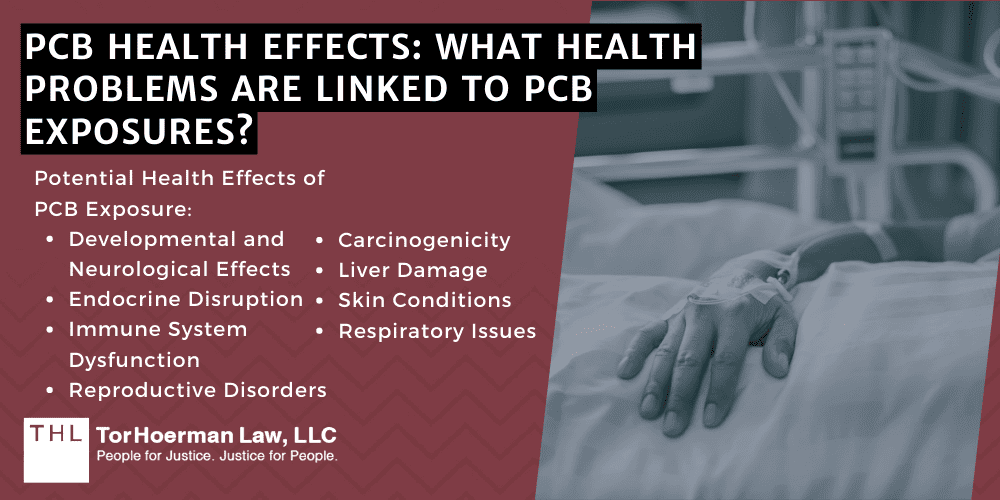
Exposure to PCBs poses potential health risks to humans, including cancer, immune system suppression, reproductive and developmental problems, and endocrine disruption.
As a result of these hazards, PCB production was banned in the United States in 1976 under the Toxic Substances Control Act, but their persistence in the environment continues to be a concern.
Cleanup efforts for PCB contamination are complex and ongoing, as seen in EPA Superfund sites across the country, where extensive remediation is required to mitigate their impact.
PCBs remain a stark example of the long-term environmental and health consequences of widespread chemical use without adequate understanding of their ecological and human health effects.
What Companies Produced PCBs?
Over the course of the 20th century, numerous companies used PCBs in electrical equipment, electrical devices, hydraulic systems, heat transfer fluids, paints and plastics, sealants, caulks, and various other industrial and commercial applications.
Monsanto was the primary manufacturer of polychlorinated biphenyls (PCBs) from the 1930s until they were banned in the 1970s.
The only other company to have ever produced PCBs in the United States was Geneva Industries of Houston, TX, which manufactured PCBs for heat transfer applications from 1972-1974.
Monsanto has been named in countless lawsuits due to its role in the manufacture and distribution of PCBs in the United States.
Lawsuits filed against Monsanto for PCB contamination and exposures have centered on allegations that Monsanto was aware of the environmental and health risks associated with PCBs but continued to promote and sell them.
Apart from the recent legal actions for PCBs in schools, several PCB Lawsuits have been filed by government entities across the country have sought compensation for environmental contamination and remediation.
Individual PCB Lawsuits have also been filed by people who have suffered occupational exposure to PCBs.
Where are PCBs Found?
PCBs can be found in various locations due to their historical use and persistence in the environment.
Here are some common sources where PCBs can be present:
- Electrical Equipment: PCBs were extensively used as insulating fluids in electrical transformers and capacitors. Old electrical equipment, especially those manufactured before the ban, may still contain PCBs.
- Industrial Sites: Manufacturing facilities, chemical plants, and other industrial sites where PCBs were used or produced may have residual contamination in the soil, water, or nearby areas.
- Buildings and Construction Materials: PCBs were added to building materials like caulking, paints, sealants, and plastics to improve their durability and fire resistance. Older structures may still have these PCB-containing materials.
- Natural Environment: PCBs are persistent pollutants and can accumulate in soil, sediment, and water bodies. They can enter the environment through industrial releases, improper disposal, and atmospheric deposition.
- Food and Food Chain: PCBs can bioaccumulate in the food chain, particularly in fish and other seafood. Predatory fish at the top of the food chain tend to have higher PCB concentrations.
- Consumer Products: Although their use has been banned or restricted, some consumer products manufactured before the regulations may still contain traces of PCBs. These products include carbonless copy paper, pigments, lubricants, and plasticizers.