If you or a loved one suffered injuries, property damage, or other financial losses due to another party’s actions, you may be entitled to compensation for those losses.
Contact the experienced Chicago personal injury lawyers from TorHoerman Law for a free, no-obligation Chicago personal injury lawsuit case consultation today.
If you or a loved one suffered a personal injury or financial loss due to a car accident in Chicago, IL – you may be entitled to compensation for those damages.
Contact an experienced Chicago auto accident lawyer from TorHoerman Law today to see how our firm can serve you!
If you or a loved one have suffered injuries, property damage, or other financial losses due to a truck accident in Chicago, IL – you may qualify to take legal action to gain compensation for those injuries and losses.
If you or a loved one suffered an injury in a motorcycle accident in Chicago or the greater Chicagoland area – you may be eligible to file a Chicago motorcycle accident lawsuit.
If you have been involved in a bicycle accident in Chicago at no fault of your own and you suffered injuries as a result, you may qualify to file a Chicago bike accident lawsuit.
Chicago is one of the nation’s largest construction centers.
Thousands of men and women work on sites across the city and metropolitan area on tasks ranging from skilled trades to administrative operations.
Unfortunately, construction site accidents are fairly common.
Contact TorHoerman Law to discuss your legal options with an experienced Chicago construction accident lawyer, free of charge and no obligation required.
Nursing homes and nursing facilities should provide a safe, supportive environment for senior citizens, with qualified staff, nurses, and aids administering quality care.
Unfortunately, nursing home abuse and neglect can occur, leaving residents at risk and vulnerable.
Contact an experienced Chicago nursing home abuse lawyer from TorHoerman Law today for a free consultation to discuss your legal options.
If you are a resident of Chicago, or the greater Chicagoland area, and you have a loved one who suffered a fatal injury due to another party’s negligence or malpractice – you may qualify to file a wrongful death lawsuit on your loved one’s behalf.
When a child is injured at a daycare center, parents are left wondering who can be held liable, who to contact for legal help, and how a lawsuit may pan out for them.
If your child has suffered an injury at a daycare facility, you may be eligible to file a daycare injury lawsuit.
Contact a Chicago daycare injury lawyer from TorHoerman Law today for a free consultation to discuss your case and potential legal action!
If you or a loved one suffered injuries, property damage, or other financial losses due to another party’s actions, you may be entitled to compensation for those losses.
Contact the experienced Edwardsville personal injury lawyers from TorHoerman Law for a free, no-obligation Edwardsville personal injury lawsuit case consultation today.
If you or a loved one suffered a personal injury or financial loss due to a car accident in Edwardsville, IL – you may be entitled to compensation for those damages.
If you or a loved one have suffered injuries, property damage, or other financial losses due to a truck accident in Edwardsville, IL – you may qualify to take legal action to gain compensation for those injuries and losses.
If you or a loved one suffered an injury in a motorcycle accident in Edwardsville – you may be eligible to file an Edwardsville motorcycle accident lawsuit.
If you have been involved in a bicycle accident in Edwardsville at no fault of your own and you suffered injuries as a result, you may qualify to file an Edwardsville bike accident lawsuit.
Nursing homes and nursing facilities should provide a safe, supportive environment for senior citizens, with qualified staff, nurses, and aids administering quality care.
Unfortunately, nursing home abuse and neglect can occur, leaving residents at risk and vulnerable.
If you are a resident of Edwardsville and you have a loved one who suffered a fatal injury due to another party’s negligence or malpractice – you may qualify to file a wrongful death lawsuit on your loved one’s behalf.
When a child is injured at a daycare center, parents are left wondering who can be held liable, who to contact for legal help, and how a lawsuit may pan out for them.
If your child has suffered an injury at a daycare facility, you may be eligible to file a daycare injury lawsuit.
Contact an Edwardsville daycare injury lawyer from TorHoerman Law today for a free consultation to discuss your case and potential legal action!
If you or a loved one suffered injuries on someone else’s property in Edwardsville IL, you may be entitled to financial compensation.
If property owners fail to keep their premises safe, and their negligence leads to injuries, property damages or other losses as a result of an accident or incident, a premises liability lawsuit may be possible.
If you or a loved one suffered injuries, property damage, or other financial losses due to another party’s actions, you may be entitled to compensation for those losses.
Contact the experienced St. Louis personal injury lawyers from TorHoerman Law for a free, no-obligation St. Louis personal injury lawsuit case consultation today.
If you or a loved one suffered a personal injury or financial loss due to a car accident in St. Louis, IL – you may be entitled to compensation for those damages.
If you or a loved one have suffered injuries, property damage, or other financial losses due to a truck accident in St. Louis, IL – you may qualify to take legal action to gain compensation for those injuries and losses.
If you or a loved one suffered an injury in a motorcycle accident in St. Louis or the greater St. Louis area – you may be eligible to file a St. Louis motorcycle accident lawsuit.
If you have been involved in a bicycle accident in St. Louis at no fault of your own and you suffered injuries as a result, you may qualify to file a St. Louis bike accident lawsuit.
St. Louis is one of the nation’s largest construction centers.
Thousands of men and women work on sites across the city and metropolitan area on tasks ranging from skilled trades to administrative operations.
Unfortunately, construction site accidents are fairly common.
Contact TorHoerman Law to discuss your legal options with an experienced St. Louis construction accident lawyer, free of charge and no obligation required.
Nursing homes and nursing facilities should provide a safe, supportive environment for senior citizens, with qualified staff, nurses, and aids administering quality care.
Unfortunately, nursing home abuse and neglect can occur, leaving residents at risk and vulnerable.
If you are a resident of St. Louis, or the greater St. Louis area, and you have a loved one who suffered a fatal injury due to another party’s negligence or malpractice – you may qualify to file a wrongful death lawsuit on your loved one’s behalf.
When a child is injured at a daycare center, parents are left wondering who can be held liable, who to contact for legal help, and how a lawsuit may pan out for them.
If your child has suffered an injury at a daycare facility, you may be eligible to file a daycare injury lawsuit.
Contact a St. Louis daycare injury lawyer from TorHoerman Law today for a free consultation to discuss your case and potential legal action!
The Ozempic lawsuit centers on allegations that Novo Nordisk failed to adequately warn consumers about serious risks associated with Ozempic and other GLP-1 medications.
Plaintiffs allege the drug has been linked to severe gastrointestinal injuries, including gastroparesis, as well as vision loss and other complications that have disrupted patients’ health, nutrition, employment, and daily functioning.
If you or a loved one developed gastroparesis, bowel obstruction, severe vomiting, vision loss, or other serious complications after taking Ozempic or another GLP-1 medication, you may have legal options.
Dupixent lawsuits allege that patients treated with dupilumab therapy later developed cutaneous T-cell lymphoma (CTCL), a rare form of non-Hodgkin lymphoma that can closely resemble severe eczema.
Research and published case reports have raised questions about whether some patients with atopic dermatitis face a higher risk of developing CTCL compared to similar patients who did not receive the drug.
Plaintiffs contend that Sanofi and Regeneron failed to warn patients and physicians about the possibility that Dupixent could worsen, accelerate, or reveal previously undiagnosed cutaneous lymphoma.
If you or a loved one has suffered a severe reaction or blood cancer linked to Dupixent, you may be eligible to take action and file a Dupixent lawsuit.
Suboxone, a medication often used to treat opioid use disorder (OUD), has become a vital tool which offers a safer and more controlled approach to managing opioid addiction.
Despite its widespread use, Suboxone has been linked to severe tooth decay and dental injuries.
Suboxone Tooth Decay Lawsuits claim that the companies failed to warn about the risks of tooth decay and other dental injuries associated with Suboxone sublingual films.
The chemotherapy drug Taxotere, commonly used for breast cancer treatment, has been linked to severe eye injuries, permanent vision loss, and permanent hair loss.
Taxotere Lawsuits are being filed by breast cancer patients and others who have taken the chemotherapy drug and subsequently developed vision problems.
If you or a loved one used Taxotere and subsequently developed vision damage or other related medical problems, you may be eligible to file a Taxotere Lawsuit and seek financial compensation.
Tylenol (Acetaminophen), one of the most popular over the counter medications for pain relief and high fever, has been associated with an increased risk of Autism Spectrum Disorder (ASD), Attention Deficit Hyperactivity Disorder (ADHD), and other developmental disorders in children exposed to Acetaminophen during pregnancy.
Legal claims against manufacturers and distributors of generic Acetaminophen have been investigated on behalf of pregnant women who used Tylenol during pregnancy and children who developed disorders such as Autism Spectrum Disorder, ADHD, and more.
Spinal cord stimulator lawsuit claims allege that these devices are defectively designed and improperly marketed without adequate warnings, leading to severe injuries for patients.
TorHoerman Law is investigating claims involving spinal cord stimulators that allegedly caused serious injury instead of the relief patients were led to expect.
If you or a loved one experienced complications following spinal cord stimulator surgery, you may be eligible to pursue compensation through a spinal cord stimulator lawsuit.
Several studies have found a correlation between heavy social media use and mental health challenges, especially among younger users.
Social media harm lawsuits claim that social media companies are responsible for onsetting or heightening mental health problems, eating disorders, mood disorders, and other negative experiences of teens and children
You may be eligible to file a Social Media Mental Health Lawsuit if you are the parents of a teen, or teens, who attribute their use of social media platforms to their mental health problems.
Thousands of Uber sexual assault claims have been filed by passengers who suffered violence during rides arranged through the platform.
The ongoing Uber sexual assault litigation spans both federal law and California state court, with a consolidated Uber MDL (multi-district litigation) currently pending in the Northern District of California.
Uber sexual assault survivors across the country are coming forward to hold the company accountable for negligence in hiring, screening, and supervising drivers.
If you or a loved one were sexually assaulted, sexually battered, or faced any other form of sexual misconduct from an Uber driver, you may be eligible to file an Uber Sexual Assault Lawsuit.
Roblox lawsuit claims center on allegations that the platform allowed predators to groom, exploit, and abuse children through unsafe design and inadequate protections.
TorHoerman Law is dedicated to helping families who believe their child was harmed on Roblox pursue justice and financial recovery.
For many families, legal action represents both a path to compensation and a way to demand systemic change in how Roblox treats the safety of its youngest players.
If your child was sexually abused, exploited, or exposed to harmful content through Roblox, you may be eligible to take legal action by filing a lawsuit against Roblox Corporation.
Although pressure cookers were designed to be safe and easy to use, a number of these devices have been found to have a defect that can lead to excessive buildup of internal pressure.
The excessive pressure may result in an explosion that puts users at risk of serious injuries such as burns, lacerations, an even electrocution.
If your pressure cooker exploded and caused substantial burn injuries or other serious injuries, you may be eligible to file a Pressure Cooker Lawsuit and secure financial compensation for your injuries and damages.
Olympus Scope lawsuit claims center on allegations that certain reusable Olympus endoscopes and related accessories exposed patients to dangerous bacterial contamination after medical procedures.
These infections can lead to hospitalization, IV antibiotic treatment, sepsis, organ failure, and death, leaving many patients with serious medical complications and lasting physical harm.
You may qualify to file an Olympus scope lawsuit if you underwent an ERCP or another endoscopic procedure involving Olympus equipment and later developed a serious bacterial infection.
Families who lost a loved one after infection-related complications linked to an Olympus scope procedure may also be able to pursue a wrongful death claim.
Vaginal Mesh Lawsuits are being filed against manufacturers of transvaginal mesh products for injuries, pain and suffering, and financial costs related to complications and injuries of these medical devices.
Over 100,000 Transvaginal Mesh Lawsuits have been filed on behalf of women injured by vaginal mesh and pelvic mesh products.
If you or a loved one have suffered serious complications or injuries from vaginal mesh, you may be eligible to file a Vaginal Mesh Lawsuit.
Breast mesh lawsuits involve allegations that certain mesh products used during breast reconstruction, augmentation, and lift procedures contributed to postoperative complications and the need for revision surgeries.
Patients who experienced complications after mesh-assisted breast procedures have reported chronic pain, reconstruction problems, cosmetic deformities, and additional revision surgeries.
If you or a loved one experienced serious complications after breast surgery involving mesh or an internal bra technique, you may be eligible to pursue a breast mesh lawsuit claim for the harm caused.
Patients with the PowerPort devices may possibly be at a higher risk of serious complications or injury due to a catheter failure, according to lawsuits filed against the manufacturers of the Bard PowerPort Device.
If you or a loved one have been injured by a Bard PowerPort Device, you may be eligible to file a Bard PowerPort Lawsuit and seek financial compensation.
The AngioDynamics port catheter lawsuit claims that defective implantable ports have caused patients to suffer dangerous fractures, blood clots, and infections due to the breakdown of the catheter’s material inside the body.
These failures can lead to life-threatening complications such as embolism, sepsis, or the need for surgical removal of the device.
If you or a loved one experienced severe complications such as blood clots, infections, or catheter fractures requiring surgery due to a defective AngioDynamics port catheter, you may be eligible to file an AngioDynamics Port Catheter Lawsuit and seek compensation.
NEC Lawsuit claims allege that certain formulas given to infants in NICU settings increase the risk of necrotizing enterocolitis (NEC) – a severe intestinal condition in premature infants.
Parents and guardians are filing NEC Lawsuits against baby formula manufacturers, alleging that the formulas contain harmful ingredients leading to NEC.
Despite the claims, Abbott and Mead Johnson deny the allegations, arguing that their products are thoroughly researched and dismissing the scientific evidence linking their formulas to NEC, while the FDA issued a warning to Abbott regarding safety concerns of a formula product.
You may be eligible to file a Toxic Baby Formula NEC Lawsuit if your child received baby bovine-based (cow’s milk) baby formula in the maternity ward or NICU of a hospital and was subsequently diagnosed with Necrotizing Enterocolitis (NEC).
Paraquat, a widely-used herbicide, has been linked to Parkinson’s disease, leading to numerous Paraquat Parkinson’s Disease Lawsuits against its manufacturers for failing to warn about the risks of chronic exposure.
Due to its toxicity, the EPA has restricted the use of Paraquat and it is currently banned in over 30 countries.
You may be eligible to file a Paraquat Lawsuit if you or a loved one were exposed to Paraquat and subsequently diagnosed with Parkinson’s Disease or other related health conditions.
Ethylene Oxide Lawsuit claims center on allegations that Sterigenics U.S., LLC and other defendants negligently released hazardous levels of ethylene oxide (EtO), exposing nearby residents and workers to a known carcinogen linked to breast cancer, leukemia, lymphoma, and other serious illnesses.
If you or a loved one were diagnosed with cancer or other serious health problems associated with exposure to ethylene oxide and lived near a facility with known emissions, you may be eligible to file an Ethylene Oxide Lawsuit and seek financial compensation.
Nitrous oxide lawsuit claims center on manufacturers, distributors, and retailers who profit from selling canisters that are widely misused as a recreational drug.
Reports link this misuse to severe neurological injuries, psychiatric symptoms, hypoxia, and deaths caused by accidents or overdose.
These cases are rapidly expanding as more evidence emerges of the profound physical, psychological, and social toll caused by nitrous oxide misuse.
If you or a loved one has suffered brain injuries, spinal cord or nerve damage, psychiatric symptoms, or even death linked to misused nitrous oxide, you may be eligible to pursue a nitrous oxide lawsuit claim and seek compensation for the harm caused.
Diacetyl popcorn lung lawsuit claims center on allegations that repeated inhalation of butter-flavoring chemicals in certain workplaces, including diacetyl and related substitutes, caused permanent and preventable airway damage.
Popcorn lung, medically known as bronchiolitis obliterans or constrictive bronchiolitis, is a serious obstructive lung disease that scars and narrows the small airways, leaving many people with persistent shortness of breath, chronic cough, and reduced exercise tolerance.
TorHoerman Law has experience handling diacetyl popcorn lung cases and is currently reviewing claims from workers who believe occupational exposure to these flavoring chemicals contributed to their diagnosis.
If you or a loved one were diagnosed with diacetyl induced lung disease or bronchiolitis obliterans, you may have grounds to pursue a diacetyl popcorn lung lawsuit for the harm caused to your lung tissue and long-term lung function.
Our firm is about people. That is our motto and that will always be our reality.
We do our best to get to know our clients, understand their situations, and get them the compensation they deserve.
At TorHoerman Law, we believe that if we continue to focus on the people that we represent, and continue to be true to the people that we are – justice will always be served.
Without our team, we would’nt be able to provide our clients with anything close to the level of service they receive when they work with us.
The TorHoerman Law Team commits to the sincere belief that those injured by the misconduct of others, especially large corporate profit mongers, deserve justice for their injuries.
Our team is what has made TorHoerman Law a very special place since 2009.
TorHoerman Law is investigating claims for the PCB Lawsuit.
Most Recent Updates
The punitive damages against Monsanto in the Washington PCB lawsuit were halved from $857 million to $438 million, following legal scrutiny on excessive punitive awards.
The court maintained $73 million in compensatory damages for neurological and endocrine disorders among PCB-exposed individuals at a Seattle school.
Our firm continues to investigate PCB exposure cases in St. Louis area schools and welcomes new clients seeking to file claims related to PCB-related health issues.
Monsanto PCB Lawsuit Overview
On this page, we’ll discuss the Monsanto PCB Lawsuit, legal action for polychlorinated biphenyls (PCBs), health effects of exposure to PCBs, and much more.
Monsanto PCB Exposure Lawsuit
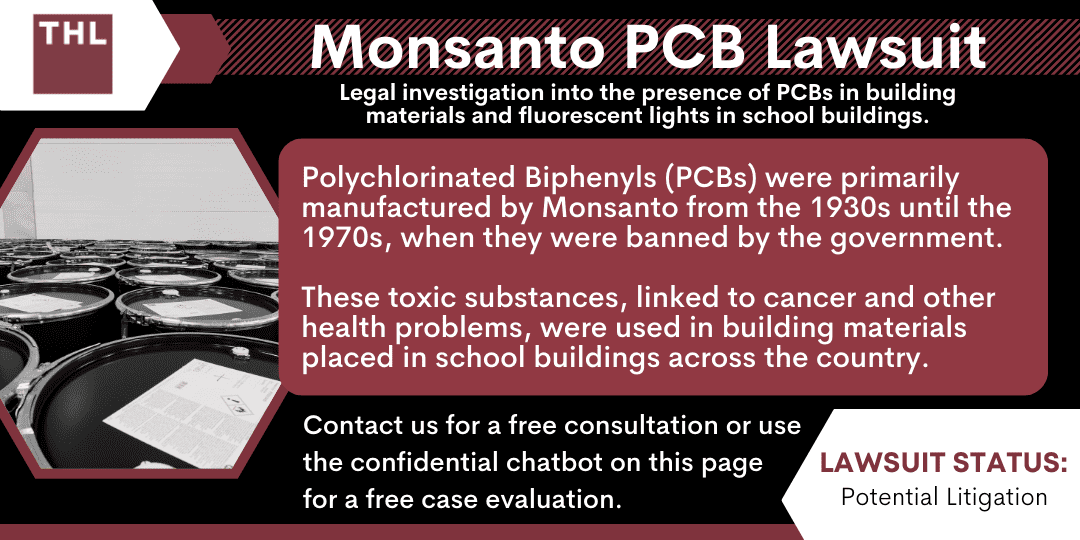
Polychlorinated biphenyls (PCBs) are persistent organic pollutants that were manufactured primarily by Monsanto Co. between the 1930s and the 1970s, when they were banned under the Toxic Substances Control Act.
PCBs were used in a variety of commercial and industrial applications for their heat resistant properties.
Scientific evidence dating back to the days when PCBs were first implemented show that the chemicals were known to be toxic to human health and the environment.
Despite knowing that polychlorinated biphenyls (PCBs) posed significant risks to human health, Monsanto distributed these chemicals worldwide.
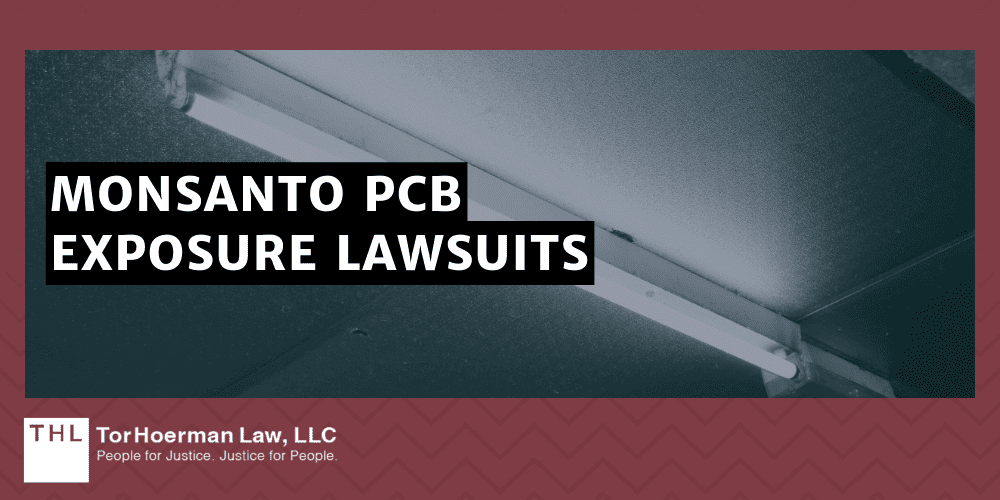
Commercial PCB mixtures were used in electrical equipment such as electrical transformers, capacitors, fluorescent lighting fixtures, and more.
Our lawyers are currently investigating legal action for exposure to PCBs in school buildings, particularly from old fluorescent lighting fixtures and building materials that contained PCBs.
If you or a loved one were exposed to PCBs as a student or worker, you may be eligible to file a PCB Lawsuit claim.
Contact TorHoerman Law for a free consultation with our PCB Lawyers today.
You can also use the chatbot on this page to find out if you qualify for a PCB Exposure Lawsuit claim instantly.
Monsanto has been facing numerous lawsuits for PCB exposures and other forms of environmental contamination over the years, and victims who have suffered health effects due to the company’s potentially negligent actions deserve justice and compensation.
Reach out to our attorneys for more information and to find out if you qualify to file a PCB Lawsuit claim.
Polychlorinated biphenyls (PCBs) were extensively produced from the 1920s to the late 1970s, primarily by Monsanto, which was one of the largest industrial chemical manufacturers in the world.
Monsanto’s production of PCBs played a pivotal role in the electrification of America, as these chemicals were widely used for their insulating properties in electrical equipment, contributing significantly to the expansion and efficiency of electrical systems nationwide.
However, due to their environmental and health risks, PCB production was eventually banned under the Toxic Substances Control Act (TSCA), leading to a shift in industrial practices and safety standards.
Despite being banned decades ago, polychlorinated biphenyls (PCBs) persist in various environments, resulting in the filing of numerous lawsuits against manufacturers, primarily Monsanto.
Individuals, schools, and government entities have filed these lawsuits due to exposure and contamination concerns.
Monsanto has faced significant financial repercussions, paying out substantial sums in both verdicts and settlements.
Our law firm is actively investigating cases of potential prolonged exposure to PCBs originating from fluorescent lighting fixtures, caulks, and other construction materials in the St. Louis area.
Our goal is to identify and address these exposures to ensure the safety and wellbeing of those who spend significant time in these potentially contaminated buildings.
If you or a loved one were exposed to PCBs in a St. Louis school and subsequently developed health problems, you may be eligible to file a PCB Lawsuit and seek compensation.
Contact TorHoerman Law to learn more about our PCB Lawsuit investigation and for a free consultation.
You can also use the chatbot on this page to find out if you qualify for the PCB Lawsuit instantly.
Polychlorinated biphenyls (PCBs) are a group of synthetic organic chemicals that were formerly used in industrial electrical equipment, electrical devices, and even some consumer products.
Monsanto was a key manufacturer of PCBs, contributing significantly to their widespread use after World War II.
The production of PCBs was eventually banned in 1976 by the Toxic Substances Control Act (TSCA), primarily due to their environmental persistence and potential harmful health effects, despite their initial popularity for electrical insulation and stability.
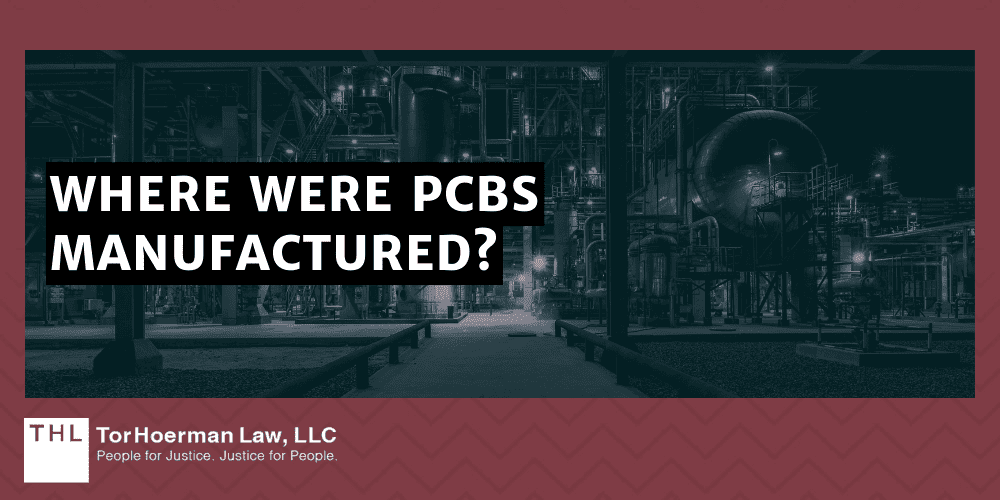
In the United States, key PCB manufacturing sites included:
Sauget, Illinois: Located near St. Louis, Missouri, this site was another significant Monsanto facility involved in the production of PCBs.
Anniston, Alabama: One of the most notable locations for PCB production. Monsanto’s facility in Anniston was a major center of PCB manufacturing for several decades.
At plants like those in Anniston, Alabama, and Sauget, Illinois, Monsanto was involved in the production of various PCB congeners alongside other chemicals.
Are There Different Types of PCBs?
A PCB congener refers to one of the multiple chemical forms in which polychlorinated biphenyls (PCBs) exist, distinguished by the number and position of chlorine atoms in their molecular structure.
There are 209 possible congeners, each with unique properties and levels of toxicity.
Different PCB mixtures were used for a range of applications, such as in electrical insulators, coolant fluids, and plasticizers, due to their chemical stability and non-flammability.
Commercial PCB mixtures came in various forms, commonly known by the trade name “Aroclor.”
Each Aroclor product was a different mixture, identifiable by a four-digit number – the first two digits denoting the PCB molecule and the last two indicating the percentage of chlorine by weight.
For example, Aroclor 1254 contained 54% chlorine.
Where Were PCBs Used?
Polychlorinated biphenyls (PCBs) were extensively utilized, particularly from the 1930s to the 1960s.
These substances represent a hidden yet integral component in the fabric of mid-20th-century life and technology.
It wasn’t until years after their implementation, when environmentalists and scientists began uncovering the harmful effects of these chemicals – from contamination of natural ecosystems to direct health risks such as cancer and reproductive issues – that the true cost of rampant PCB usage started to emerge.
Their widespread use spanned a variety of sectors and applications, including but not limited to:
Hydraulic oils
Coolants and insulating fluids in electrical equipment
Transformers
Capacitors
Fluorescent lights
Voltage regulators
Switchgear devices
Plasticizers in paints, plastics, and rubber products
Caulking, elastic sealants, and adhesives
Flame retardants
Lubricants
Carbonless copy paper
Inks and dyes
Why Were Polychlorinated Biphenyls (PCBs) Used?
Polychlorinated Biphenyls (PCBs) found diverse applications historically due to their unique chemical properties, particularly in industries where flammability was a concern.
The diverse applications of PCBs and similar chemicals in large industries, ranging from electrical equipment to plastics, meant their use was widespread yet often unnoticed by the public.
It wasn’t until instances of catastrophic environmental contamination and emerging health issues became apparent that the veil was lifted on the extensive, yet largely hidden, impact of these chemicals.
The prevalence of Polychlorinated Biphenyls (PCBs) in schools across the United States presents a nationwide concern for student and staff health.
An estimated 13,000 to 26,000 school buildings, constructed or renovated between the 1950s and 1970s when PCBs were widely used, potentially contain these toxic substances.
This issue is not confined to any single region, as PCBs in schools have been a matter of concern from coast to coast.
Educational facilities built during the peak years of PCB use incorporated these chemicals in various building materials, including caulking, lighting fixtures, and insulation.
The discovery of PCBs in school environments, such as the significant contamination found at Malibu High School in Southern California, underscores the scale and seriousness of this problem.
This nationwide issue necessitates comprehensive efforts for identification, remediation, and prevention to protect the health and safety of the school-going population.
How are People Exposed to PCBs in Schools?
People are exposed to PCBs in schools primarily through indoor air contaminated by PCB-emitting building materials, as highlighted by Herrick, Stewart, and Allen in their review on PCBs in US schools.
Individuals in schools face chronic exposure risks to PCBs due to the continuous presence of these toxic compounds in building materials like caulks, sealants, and fluorescent light ballasts, which release PCBs into the indoor environment over extended periods.
Research presented at the 8th International PCB Workshop at Woods Hole, MA, emphasized that the PCB concentrations in schools can exceed those found near large PCB-contaminated industrial sites.
The presence of PCBs in paints, dust, and other secondary sources in schools further contributes to the inhalation and dermal exposure risks for children and educators.
These studies and community actions underscore the urgent need for comprehensive testing and remediation strategies to mitigate PCB exposure in educational settings.
Why Were PCBs Used in School Buildings?
PCBs were used in school buildings primarily for their advantageous properties such as durability, chemical stability, and electrical insulation capabilities.
These characteristics made PCBs desirable in a variety of building materials, including caulks, sealants, and certain types of fluorescent lighting fixtures.
Their non-flammability was a key factor, especially in ensuring fire safety in schools.
PCBs also enhanced the longevity and performance of various materials, making them a cost-effective choice for long-term use in public buildings.
In window glazing and masonry materials, PCBs improved flexibility and water resistance, contributing to the structural integrity of school buildings.
However, at the time of their widespread use in construction, the environmental and health risks associated with PCBs were not fully recognized, leading to their extensive application in educational facilities.
How are PCBs Discovered in Schools?
PCBs in schools are often discovered through routine maintenance, renovation projects, or environmental assessments.
When older buildings undergo refurbishment, materials such as caulks, sealants, and lighting fixtures, common in construction prior to the 1980s, may tested for contaminants, including PCBs.
Elevated PCB levels are sometimes identified during these tests, prompting further investigation.
PCBs are sometimes accidentally discovered in schools during renovations or maintenance work when previously undetected contaminated materials are disturbed or tested.
Additionally, air quality assessments in older school buildings can reveal the presence of PCBs, especially if they have been released from deteriorating materials.
In some instances, health concerns or symptoms reported by school occupants lead to environmental testing that uncovers PCB contamination.
These discoveries often necessitate a comprehensive plan for remediation to ensure the safety and health of the school environment.
Lawsuits for PCB Exposures in Schools
Exposed workers and students may be eligible to seek compensation for medical problems and illnesses linked to PCBs.
Lawsuits for PCB exposures in schools often target Monsanto, the primary manufacturer of PCBs, for their role in the distribution and widespread use of these chemicals.
These legal actions typically argue that Monsanto was aware of the health risks associated with PCBs but continued to produce and sell them, leading to significant exposure and health issues in school environments.
Plaintiffs in these cases may seek compensation for health problems and illnesses directly linked to PCB exposure, emphasizing Monsanto’s responsibility in creating a public health hazard.
PCB Exposure: Related Human Health Effects and Risks
PCBs, recognized as potential occupational carcinogens, pose a significant risk to public health due to their toxic responses in the human body.
Studies by the Agency for Toxic Substances and Disease Registry (ATSDR) and the Environmental Protection Agency (EPA) have shown that PCBs accumulate in body fat over long periods, leading to an increased risk of various health issues.
The International Agency for Cancer Research (IARC) classifies PCBs as probable human carcinogens, highlighting their potential to cause cancer in humans.
According to the National Toxicology Program, prolonged exposure to PCBs can result in several health complications, including problems related to the immune and reproductive systems.
There is also evidence suggesting that PCB exposure can lead to hearing impairment, adding to the spectrum of its detrimental health impacts.
Medical tests are available to measure PCB levels in the body, which can help in assessing the extent of exposure and associated health risks.
These tests are particularly important for individuals in occupations with a higher likelihood of PCB exposure.
Overall, the persistence and bioaccumulation of PCBs make them a lasting concern in public health and environmental safety.
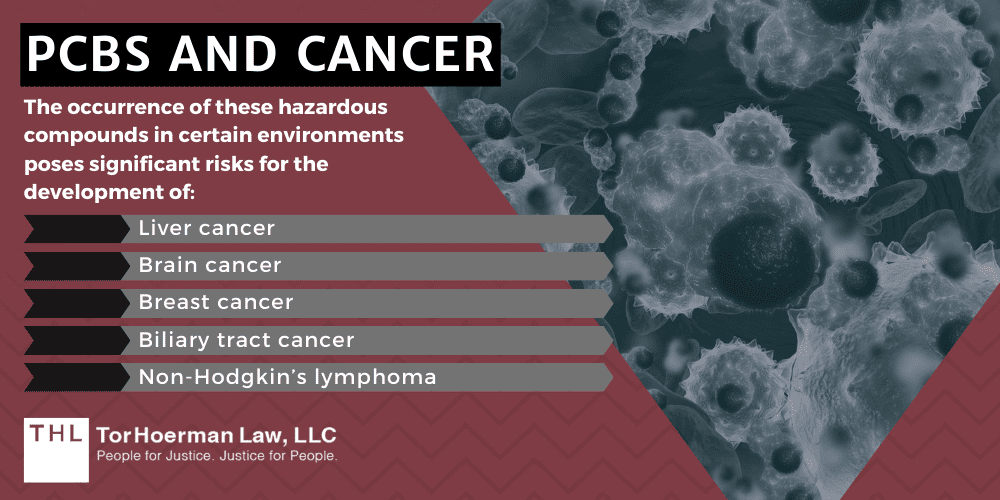
PCBs and Cancer
PCBs are known to be cancer-causing chemicals and have been linked to various forms of the disease.
The occurrence of these hazardous compounds in certain environments poses significant risks for the development of:
Liver cancer: PCBs can induce liver damage that may escalate to cancerous growths.
Brain cancer: Studies have suggested a correlation between PCB exposure and the development of brain tumors.
Breast cancer: PCBs are associated with an increased risk of breast cancer, particularly due to their tendency to accumulate in fatty tissues.
Biliary tract cancer: Exposure to PCBs has been linked to cancers affecting the biliary tract, which includes the gallbladder and bile ducts.
Non-Hodgkin’s lymphoma: There is evidence to suggest that PCB exposure can lead to this type of lymphatic system cancer.
Other types of cancer
PCBs occurred widely in various industrial and commercial settings before their risks were fully understood.
Their association with these types of cancers underlines the importance of ongoing monitoring and regulation to protect public health from these persistent environmental contaminants.
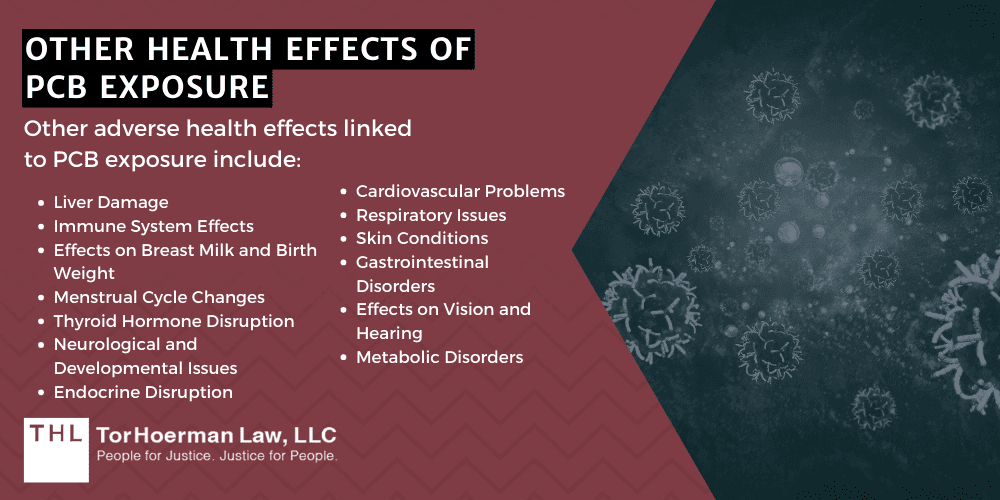
Other Health Effects of PCB Exposure
Exposure to Polychlorinated Biphenyls (PCBs) can lead to a wide spectrum of health concerns, affecting multiple organ systems and physiological functions.
These effects range from acute symptoms to long-term health conditions, highlighting the significant risk PCBs pose to human health.
The diversity of these health issues underscores the critical need for effective measures to limit exposure and manage the potential risks associated with these chemicals.
Other adverse health effects linked to PCB exposure include:
Liver Damage: PCBs are known to cause liver toxicity, which can manifest as liver inflammation, fibrosis, and impaired liver function.
Immune System Effects: Exposure to PCBs can weaken the immune system, leading to increased susceptibility to infections, autoimmune diseases, and allergies.
Effects on Breast Milk and Birth Weight: PCBs can accumulate in breast milk, potentially affecting breastfeeding infants. This exposure has been linked to lower birth weights and developmental issues.
Menstrual Cycle Changes: Women exposed to higher levels of PCBs may experience alterations in menstrual cycle length, potentially affecting fertility.
Thyroid Hormone Disruption: PCBs can disrupt thyroid hormone production and regulation, leading to thyroid disorders like hypothyroidism or hyperthyroidism.
Neurological and Developmental Issues: PCB exposure can lead to neurological deficits, particularly in developing children, including learning disabilities and behavioral changes.
Endocrine Disruption: PCBs interfere with hormone function, potentially leading to reproductive disorders and developmental problems.
Cardiovascular Problems: Some studies suggest a link between PCB exposure and an increased risk of hypertension and other cardiovascular diseases.
Respiratory Issues: Exposure to PCBs, especially in occupational settings, can lead to respiratory problems like bronchitis or reduced lung function.
Skin Conditions: PCB exposure can cause skin conditions like chloracne, characterized by acne-like eruptions and pigmentation changes.
Gastrointestinal Disorders: Symptoms such as nausea, vomiting, and abdominal pain have been associated with PCB exposure.
Effects on Vision and Hearing: There is evidence suggesting that PCB exposure can lead to vision problems and potentially contribute to hearing impairment.
Metabolic Disorders: PCBs may contribute to metabolic disruptions, potentially influencing conditions like diabetes.
The improper disposal of PCBs has led to widespread contamination of hazardous waste sites, significantly impacting soil and water quality.
These chemicals resist natural degradation processes, leading to their prolonged presence in the environment and causing ongoing ecological harm.
PCB contamination at hazardous waste sites can seep into groundwater, affecting the quality of drinking water sources and aquatic ecosystems.
The environmental health impact of PCBs is not localized but can extend over large areas, as these pollutants can be transported by water currents and wind.
The accumulation of PCBs in the food chain, particularly in fish and wildlife, poses a significant threat to biodiversity and the health of entire ecosystems.
Remediation efforts for PCB-contaminated sites are complex and costly, often requiring long-term management and monitoring.
The presence of PCBs in the environment serves as a reminder of the need for responsible chemical management and disposal to protect environmental health.
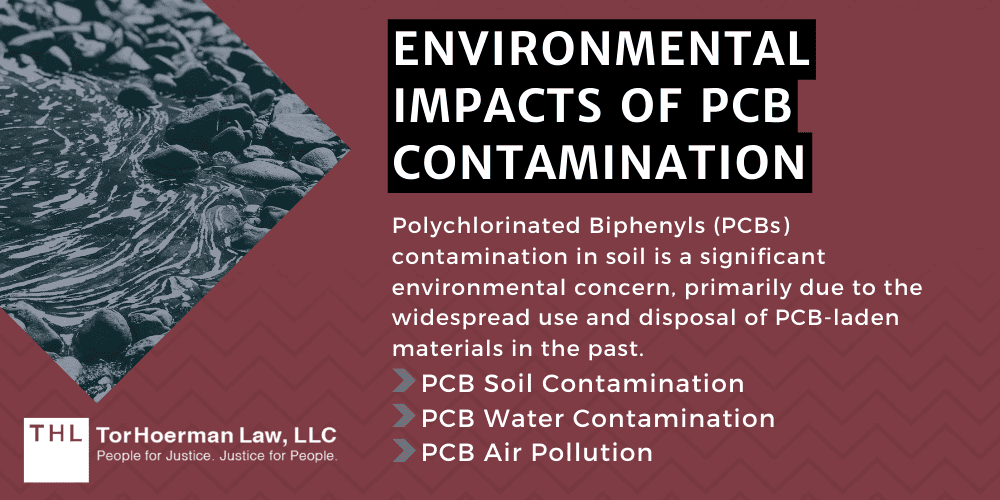
PCB Soil Contamination
Polychlorinated Biphenyls (PCBs) contamination in soil is a significant environmental concern, primarily due to the widespread use and disposal of PCB-laden materials in the past.
PCBs seep into the soil, often near old buildings, power stations, and industrial sites, leading to long-lasting contamination.
Human exposure to PCB-contaminated soil can occur through direct contact, inhalation of dust, or ingestion of contaminated produce, posing serious health risks.
PCB exposure has been linked to various adverse health effects, including cancer, immune system damage, and developmental issues in children.
The complexity of PCBs, with their 209 congeners, complicates the remediation process, making soil decontamination a challenging task.
Addressing PCB contamination in soil requires a balanced approach that combines effective remediation strategies with measures to prevent human exposure and ecological damage.
PCB Water Contamination
PCB contaminated lakes, rivers, and other water systems pose a significant public health concern due to the toxic nature of these chemicals.
PCBs accumulate in the food chain, meaning they can concentrate in fish and other aquatic life, posing risks to humans and wildlife that consume them.
Laboratory animals and animal studies have consistently shown the adverse health effects of PCB exposure, reinforcing concerns for ecosystems and human health.
People who have consumed PCB contaminated fish or other food products from affected areas are at risk of various health issues.
Eating contaminated fish is particularly hazardous, as PCBs can bioaccumulate in fish tissue over time.
Several Superfund sites, designated by the Environmental Protection Agency (EPA), are a response to the widespread issue of PCB contamination in aquatic environments.
Several Superfund sites established by the Environmental Protection Agency (EPA) due to PCB contaminated waters include:
Hudson River, New York: This Superfund Site was heavily contaminated due to PCB production by the Monsanto Chemical Corporation from 1929 to 1971. The local environment and residents experienced significant exposure, leading to health concerns and litigation.
Fox River, Wisconsin: From the 1950s through the 1970s, several paper mills along the Fox River released PCBs into the water. The contamination led to health advisories on fish consumption and ultimately to the river’s designation as a Superfund site.
New Bedford Harbor, Massachusetts: From the 1940s to the 1970s, two electrical capacitor manufacturing plants released PCBs into New Bedford Harbor. This resulted in contamination of fish and shellfish, prompting fishing restrictions and a cleanup effort worth over $1 billion.
Housatonic River, Massachusetts: The General Electric facility in Pittsfield released PCBs into the river, contaminating nearly two miles of the Housatonic. The contamination spread through the floodplain and affected wildlife, leading to its designation as a Superfund site.
San Jacinto Waste Pits, Texas: Located on the San Jacinto River near Houston, these pits contain harmful toxins, including PCBs, that were dumped in the 1960s. Erosion and storm events have raised concerns about further spreading of the contamination, leading to its categorization as a Superfund site.
Harbor Island, Seattle, Washington: A major urban industrial center, Harbor Island has seen contamination from various sources, including PCBs, and has been designated as a Superfund site. Remediation efforts are ongoing to address soil and groundwater contamination.
Moss Landing, California: This site along Monterey Bay was contaminated with PCBs from electrical transformers and other equipment, and is designated as a Superfund site. Cleanup efforts have involved removing and treating affected soils.
Eating contaminated food, drinking contaminated water, or being otherwise exposed to PCBs through water contamination could be dangerous to human health.
PCB Air Pollution
Breathing air contaminated with polychlorinated biphenyls is extremely dangerous.
Historically, PCB exposure was predominantly associated with dietary ingestion, but recent studies have highlighted the importance of inhalational exposure, particularly in urban and industrial areas where PCB use was extensive.
Airborne PCBs, especially in urban and industrial environments, are often a result of volatilization from contaminated surfaces or the release during recycling and disposal processes, such as the burning and recycling of e-waste, which is now a major source of environmental PCB pollution.
The concentration of PCBs in indoor environments is frequently higher than outdoor levels, indicating that indoor sources, such as construction materials containing PCBs, significantly contribute to human exposure through contaminated air.
PCBs in the air are subject to long-range atmospheric transport, meaning they can be found in regions far from their original source of emission, contributing to global environmental contamination.
The study emphasizes the need for further research on the health impacts of prolonged exposure to low-concentration PCBs in the air, as well as developing and implementing effective strategies to mitigate this persistent environmental and public health issue.
Yes, Monsanto has paid settlements and found liable in jury verdicts for PCB exposures.
The company, which was one of the primary manufacturers of PCBs until their ban in the 1970s, has faced numerous lawsuits alleging that its PCB products caused environmental damage and health issues.
Recent litigation has been focused on the presence of PCBs in schools.
Our law firm is currently investigating PCB exposure in school buildings.
Beginning in 2018, students, parents, and faculty of Sky Valley Education Center in Washington State have filed lawsuits against Monsanto for PCB exposure in the school.
Trials have resulted in verdicts awarded to plaintiffs of $857 million, $275 million, $185 million, and other verdicts totaling over $1.5 billion.
The majority of plaintiffs worked at or attended Sky Valley Education Center during the 2010s.
The specific language outlined in the TSCA states that “..effective one year after January 1, 1977, no person may manufacture, process or distribute in commerce or use any polychlorinated biphenyl in any manner other than in a totally enclosed manner.”
Although PCBs were banned for production and distribution officially in 1978, they still remain in many buildings, natural environments, animals, and products to this day.
Remediation projects for natural environments and hazardous waste sites contaminated by PCBs have been costly and widespread, often funded by settlements made with Monsanto and its spin-off companies.
Schools across the country all face the imminent dangers of potential PCB contamination, due to building materials and fluorescent lights used across America in the 20th century.
PCBs (polychlorinated biphenyls) are found in various environments due to their extensive use in industrial and commercial applications before their ban in the late 1970s.
PCBs are found in the following products and areas:
Old fluorescent lighting fixtures: Common in buildings constructed before the ban of PCBs.
Construction materials: Including caulk, paint, and sealants used in older structures.
Electrical equipment: Such as transformers and capacitors that utilized PCBs as insulating fluids.
Hydraulic fluids and sealants: Used in various industrial and commercial applications.
Environmental reservoirs: Present in soil, water bodies (lakes, rivers, coastal areas), and sediments due to improper disposal and leaks.
Food chain: Accumulating in the tissues of animals and fish, leading to potential human exposure through consumption.
Industrial sites: Especially in areas where PCB-containing products were manufactured or heavily used.
Waste disposal areas: Including landfills that received PCB-contaminated materials.
Indoor air pollution: In older buildings with PCB-containing materials, contributing to indoor air quality concerns.
E-waste recycling areas: Due to the dismantling and burning of electronics, which can release PCBs.
Polychlorinated Biphenyls (PCBs) were extensively used due to their excellent chemical stability and insulating properties, making them ideal for a wide range of industrial and commercial applications.
Their ability to withstand high temperatures and resist electrical currents led to their prevalent use in electrical equipment like transformers and capacitors
PCBs were favored in construction materials, such as caulks and sealants, for their durability and flexibility.
The compounds also found use as hydraulic fluids, plasticizers, and in other roles where their resistance to degradation was beneficial.
Despite these useful properties, the environmental and health hazards associated with PCBs eventually led to their widespread ban and ongoing efforts for remediation.
According to several public health agencies, PCBs are a probable human carcinogen.
Scientific studies and internal records from Monsanto have shown that the human health risks associated with PCB exposure have been known for decades, even before they were banned.
Possible health effects of exposure to PCBs include:
Polychlorinated biphenyls (PCBs) have been designated as a potential occupational carcinogen by multiple health agencies.
Studies and research have linked PCB exposure to an increased risk of various types of cancer.
The International Agency for Research on Cancer (IARC) classifies PCBs as Group 1 carcinogens, indicating sufficient evidence of carcinogenicity in humans.
This classification is based on associations observed between PCB exposure and cancers such as melanoma, liver, gallbladder, biliary tract, gastrointestinal tract, brain, and breast cancers.
Long-term exposure to PCBs, particularly through occupational contact or environmental pollution, is a significant health concern due to these potential carcinogenic effects.
Tor Hoerman has represented injured individuals for more than 30 years, with experience spanning individual personal injury cases and nationwide mass tort litigation. His work includes car accidents, catastrophic injuries, product liability claims, and other serious injury cases. Tor has served in court-appointed leadership roles in national litigation and tried cases involving major corporate defendants.
Legally Reviewed
TorHoerman Law’s legal content is researched and written by our editorial team and attorneys for legal accuracy, clarity, and relevance. We rely on statutes, court records, government publications, medical research, and other authoritative sources when applicable. This page provides general legal information and does not constitute legal advice.
Fact-Checked
TorHoerman Law reviews its legal content for factual accuracy, current information, and relevant legal context before publication and as material developments occur. This article is provided for general informational purposes and does not constitute legal advice. For guidance about a specific case, contact TorHoerman Law.
The punitive damages against Monsanto in the Washington PCB lawsuit were halved from $857 million to $438 million, following legal scrutiny on excessive punitive awards.
The court maintained $73 million in compensatory damages for neurological and endocrine disorders among PCB-exposed individuals at a Seattle school.
Our firm continues to investigate PCB exposure cases in St. Louis area schools and welcomes new clients seeking to file claims related to PCB-related health issues.
TorHoerman Law represents people whose lives have been disrupted by serious injuries, unsafe products, and negligence. Our attorneys handle individual personal injury cases as well as national mass tort lawsuits involving major corporations.
Founded in 2009, our legal team brings more than 100 years of combined experience handling serious injury and complex civil litigation.
Do you believe you’re entitled to compensation?
Use our Instant Case Evaluator to find out in as little as 60 seconds!
In this case, we obtained a verdict of $495 Million for our client’s child who was diagnosed with Necrotizing Enterocolitis after consuming baby formula manufactured by Abbott Laboratories.