Transvaginal mesh devices were widely implanted for pelvic organ prolapse repair and to treat stress urinary incontinence, particularly during the early 2000s.
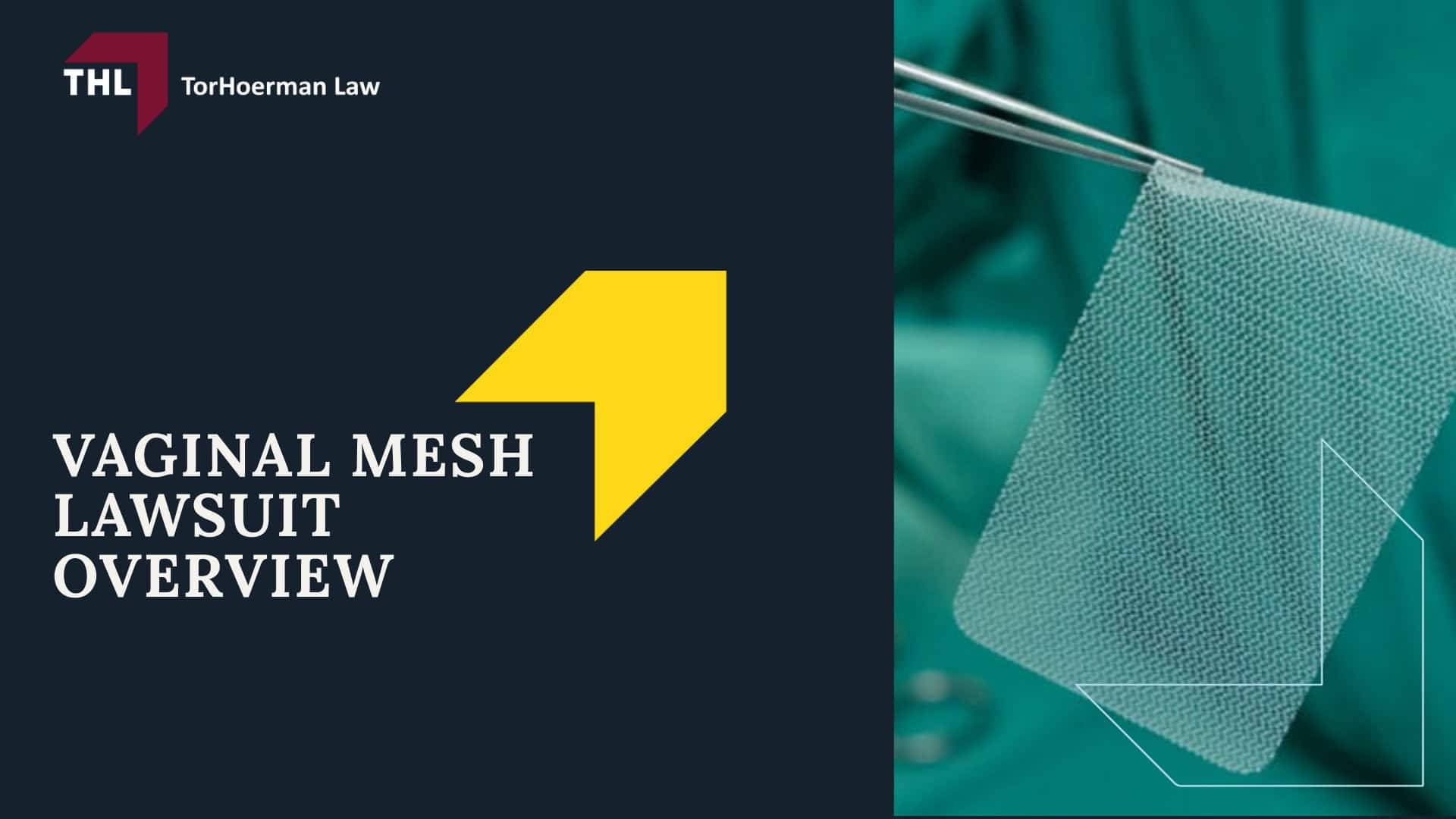
Vaginal mesh products, typically made from polypropylene mesh, were marketed as permanent surgical solutions intended to reinforce weakened pelvic tissue.
Over time, however, a growing number of patients reported serious and persistent injuries following implantation.
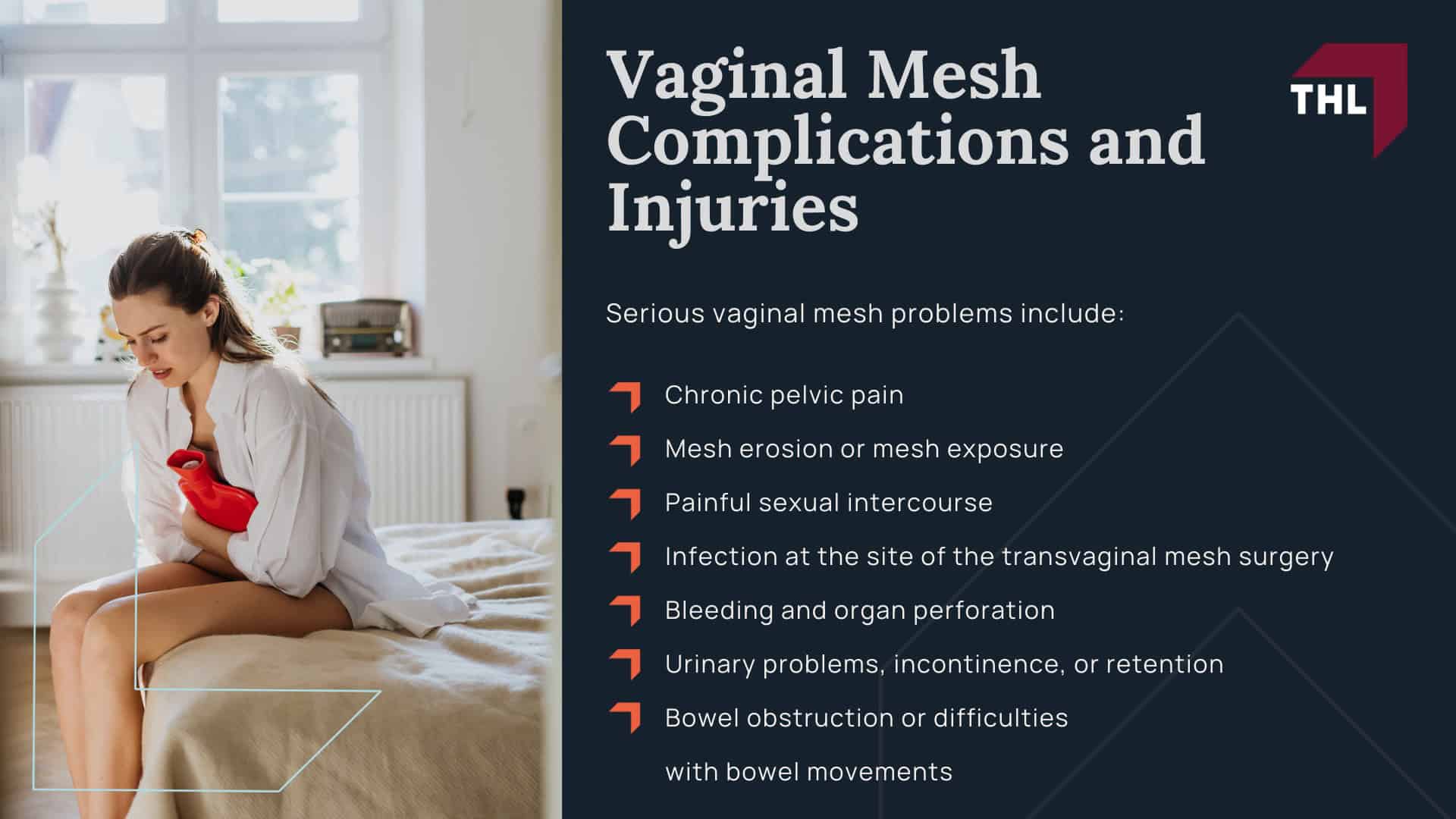
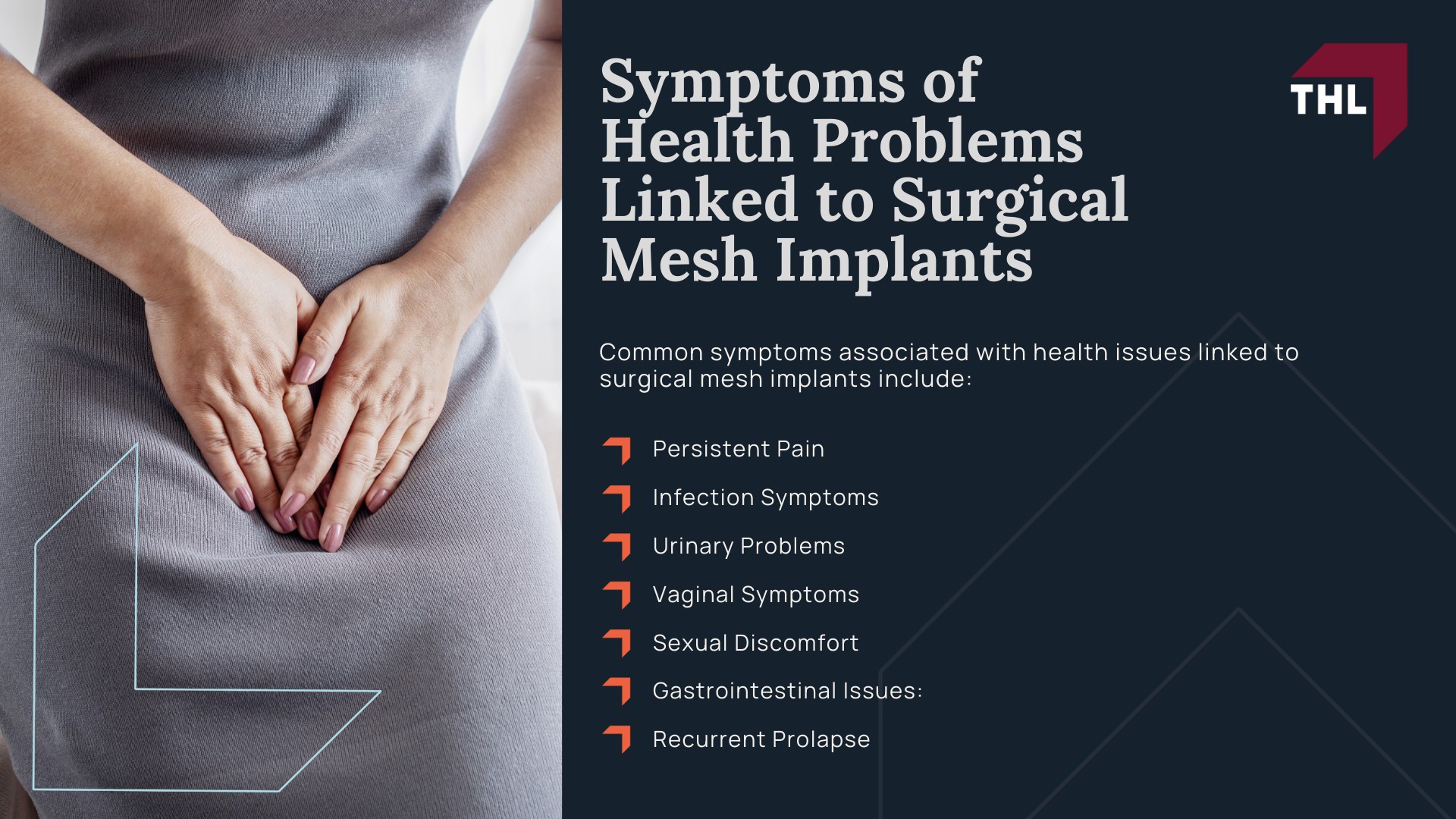
Documented vaginal and pelvic mesh complications include chronic pelvic pain, painful intercourse, urinary dysfunction, and mesh erosion through vaginal tissue.
In some cases, the mesh migrated or became embedded in surrounding structures, leading to infection, nerve damage, or damage to adjacent organs.
These outcomes often required extensive medical intervention, including multiple revision surgeries and partial or complete mesh removal procedures that carried their own risks and limitations.
As these complications became more widely reported, patients began filing vaginal or pelvic mesh claims against several vaginal mesh manufacturers, alleging that the devices were defectively designed and inadequately tested for long-term implantation.
Many lawsuits further allege that manufacturers failed to provide adequate warnings about known risks associated with defective pelvic mesh or vaginal mesh, particularly the difficulty of removal once complications developed.
Although the largest coordinated federal proceedings have largely concluded, new vaginal mesh lawsuits are filed individually in state courts by patients who continue to experience unresolved injuries.
Vaginal and pelvic mesh lawsuits typically focus on the long-term consequences and severe injuries linked to implantation, including permanent pain, loss of sexual function, and the cumulative harm caused by repeated surgical interventions.
For many women, the impact of these injuries extends beyond physical damage.
Chronic pain, repeated medical procedures, and lasting functional impairments from defective surgical mesh products have disrupted daily life, employment, and personal relationships.
While much of the litigation has reached resolution, transvaginal mesh remains an active area of claims for individuals whose injuries emerged later or whose cases were not previously addressed.
If you or a loved one have been suffered serious complications or injuries from vaginal mesh, you may be eligible to file a Vaginal Mesh Lawsuit.
Contact an experienced Transvaginal Mesh Lawyer from TorHoerman Law for a free consultation.
Use the chatbot on this page to find out if you qualify for the Vaginal Mesh Lawsuit instantly.
Who are the Defendants in Vaginal Mesh Lawsuits?
Several companies have faced lawsuits over vaginal mesh implants, resulting in billions of dollars awarded to women who’ve been injured.
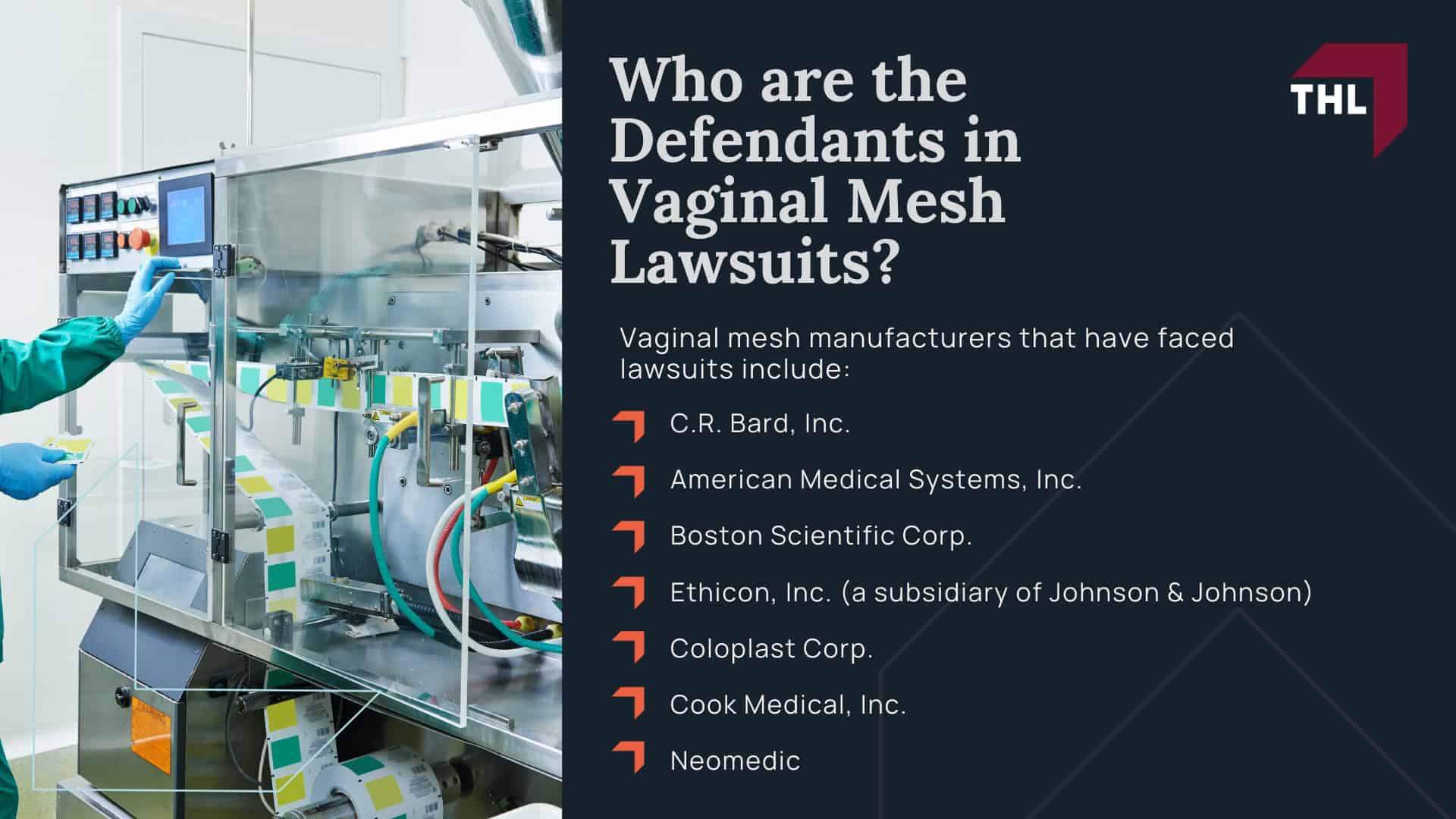
Vaginal mesh manufacturers that have faced lawsuits include:
- C.R. Bard, Inc.
- American Medical Systems, Inc.
- Boston Scientific Corp.
- Ethicon, Inc. (a subsidiary of Johnson & Johnson)
- Coloplast Corp.
- Cook Medical, Inc.
- Neomedic
Past Transvaginal Mesh MDL Cases
By 2012, due to the surge in cases, the Judicial Panel on Multidistrict Litigation (JPML) streamlined transvaginal mesh cases into separate multidistrict litigations (MDLs).
MDL is a legal process that brings multiple similar cases from different locations together in one court to streamline proceedings.
MDL is often chosen for cases involving dangerous medical devices, pharmaceuticals, chemical exposure, and other complex litigation.
Class actions consolidate many people with identical claims against a single defendant, distributing one collective settlement among its members.
While MDL settlements are based on each plaintiff’s damages, class actions typically provide a set compensation for everyone involved.
The most recent MDL for vaginal mesh injuries, centralized in the US District Court for the Southern District of West Virginia, was closed in November 2022.
Southern District of West Virginia Judge Joseph Goodwin closed the MDL and sent remanded cases back to their original state courts.