
Vaginal mesh implants are medical devices used to treat pelvic organ prolapse (POP) and stress urinary incontinence (SUI).
These conditions occur when the pelvic muscles and tissues supporting the pelvic organs weaken or become damaged.
These pelvic implants are often made of synthetic materials, such as polypropylene.
Medical providers surgically implant these medical devices to strengthen the weakened pelvic organs.
Because of the structure of these mesh implants, they can help restore the anatomy of the pelvic floor and provide support to prolapsed organs, reducing symptoms such as pelvic pressure and discomfort.

Creators of these medical devices have been plagued with thousands of vaginal mesh lawsuits throughout the country.
Claims of negligent product design, lack of proper warning, and poor product manufacturing have been brought against the manufacturers of these devices.
The persisting legal issue regarding the safety and effectiveness of vaginal mesh implants has been ongoing since 2008.
This problem has prompted numerous medical providers to look for alternatives to vaginal mesh surgeries and pushed the medical community to reassess the benefits and risks of using these devices for pelvic organ prolapse and stress urinary incontinence.
Understanding Pelvic Organ Prolapse (POP)
Pelvic organ prolapse (POP) occurs when the muscles and tissues that support the pelvic organs weaken, causing one or more of these organs to bulge or prolapse into the vaginal space.
The pelvic organs that can be affected by POP include the bladder, uterus, rectum, and small bowel.
Vaginal childbirth, particularly with large babies or multiple births, can stretch and weaken the pelvic floor muscles and tissues.
Another non-traumatic cause of POP is aging.
The natural aging process can gradually weaken pelvic floor muscles and connective tissues.
An improper hysterectomy or other pelvic surgeries could also weaken the structural integrity of the pelvic floor.
This weakening would lead to POP.
Medical providers use and combine various techniques to determine POP and its severity.
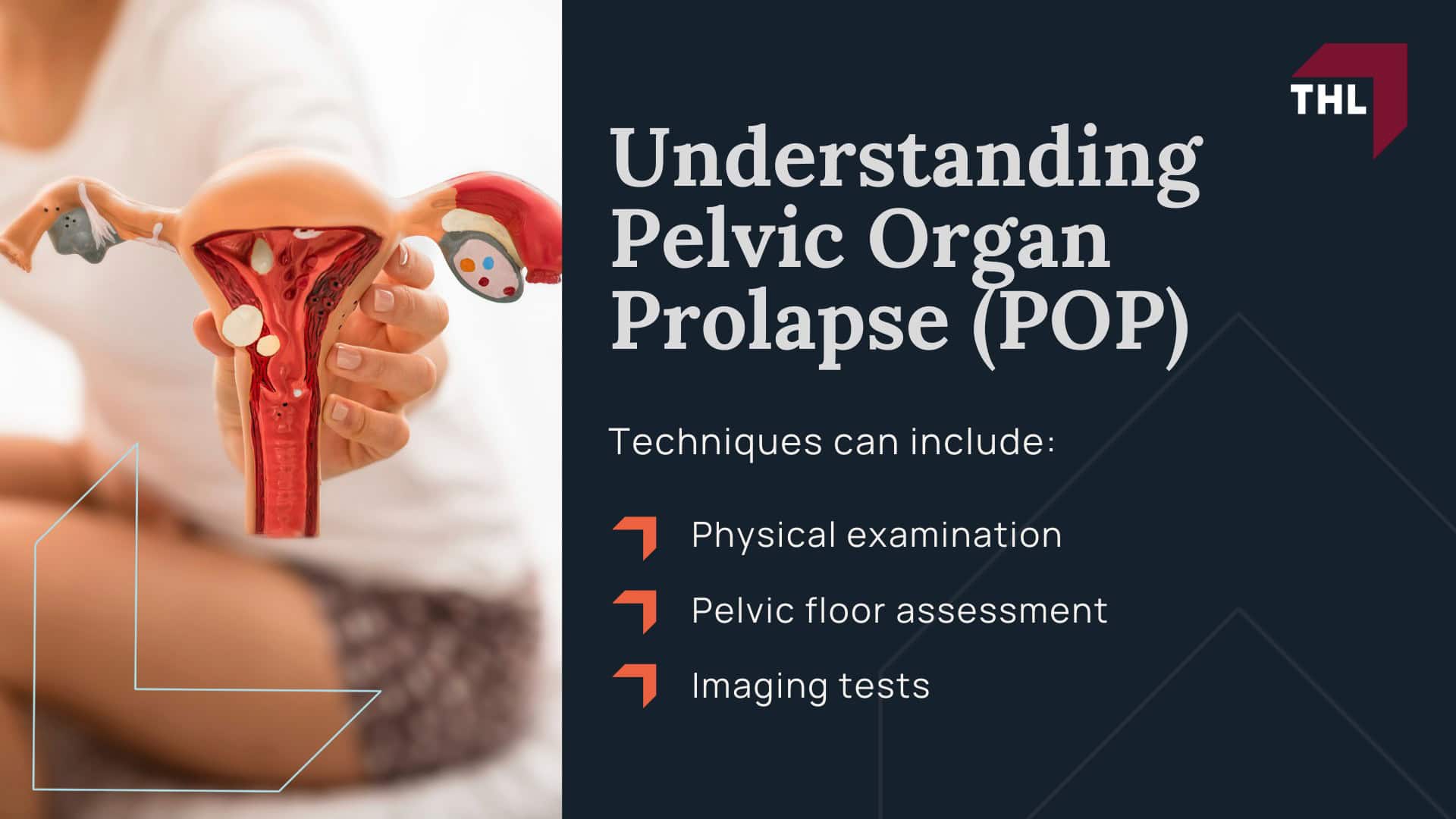
Techniques can include:
- Physical examination: A healthcare provider may perform a pelvic exam to assess for signs of prolapse, such as bulging or descent of pelvic organs into the vagina.
- Pelvic floor assessment: This assessment may involve measuring pelvic floor strength and assessing for any weakness or dysfunction.
- Imaging tests: In some cases, imaging tests such as ultrasound or magnetic resonance imaging (MRI) may be used to visualize the pelvic organs and assess the extent of prolapse.
Understanding Stress Urinary Incontinence (SUI)
Another primary pelvic condition surgical mesh implants treat is stress urinary incontinence (SUI).
SUI is a type of urinary incontinence where the patient involuntarily spills or leaks urine after activities with intra-abdominal pressure, such as coughing, sneezing, laughing, or exercising.
Like POP, a weakened or damaged pelvic floor could cause this condition.

Causes of SUI can include:
- Pregnancy and Childbirth: The physical stress of pregnancy and childbirth can weaken the pelvic floor muscles and damage the nerves that control bladder function, increasing the risk of SUI.
- Aging and Menopause: As women age, the muscles and tissues that support the bladder may weaken, contributing to SUI. Moreover, the sharp decline in estrogen levels during menopause could weaken the integrity of the urinary tract and pelvic floor.
- Obesity: Excess weight can put additional pressure on the bladder and pelvic floor muscles, increasing the likelihood of SUI.