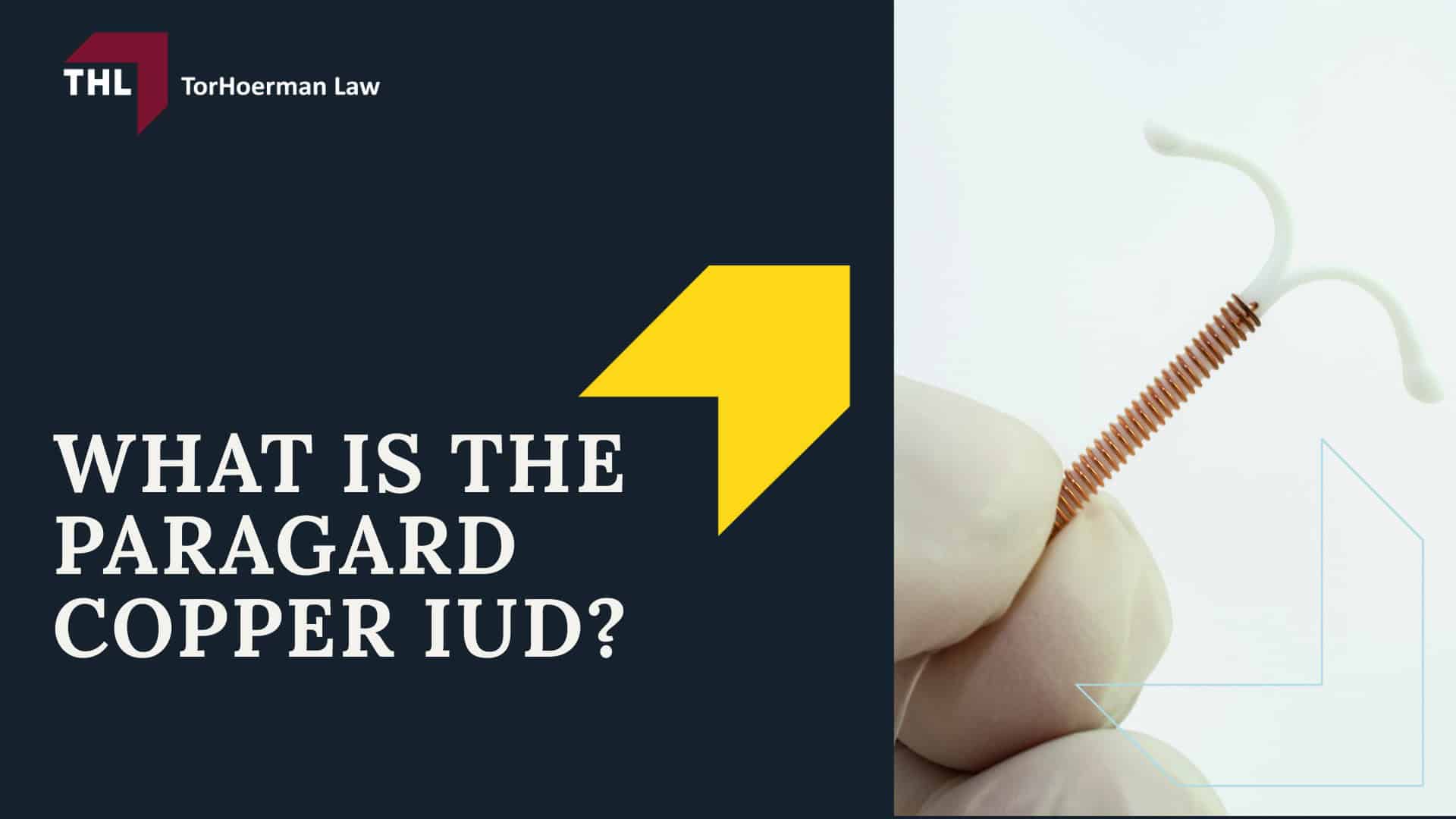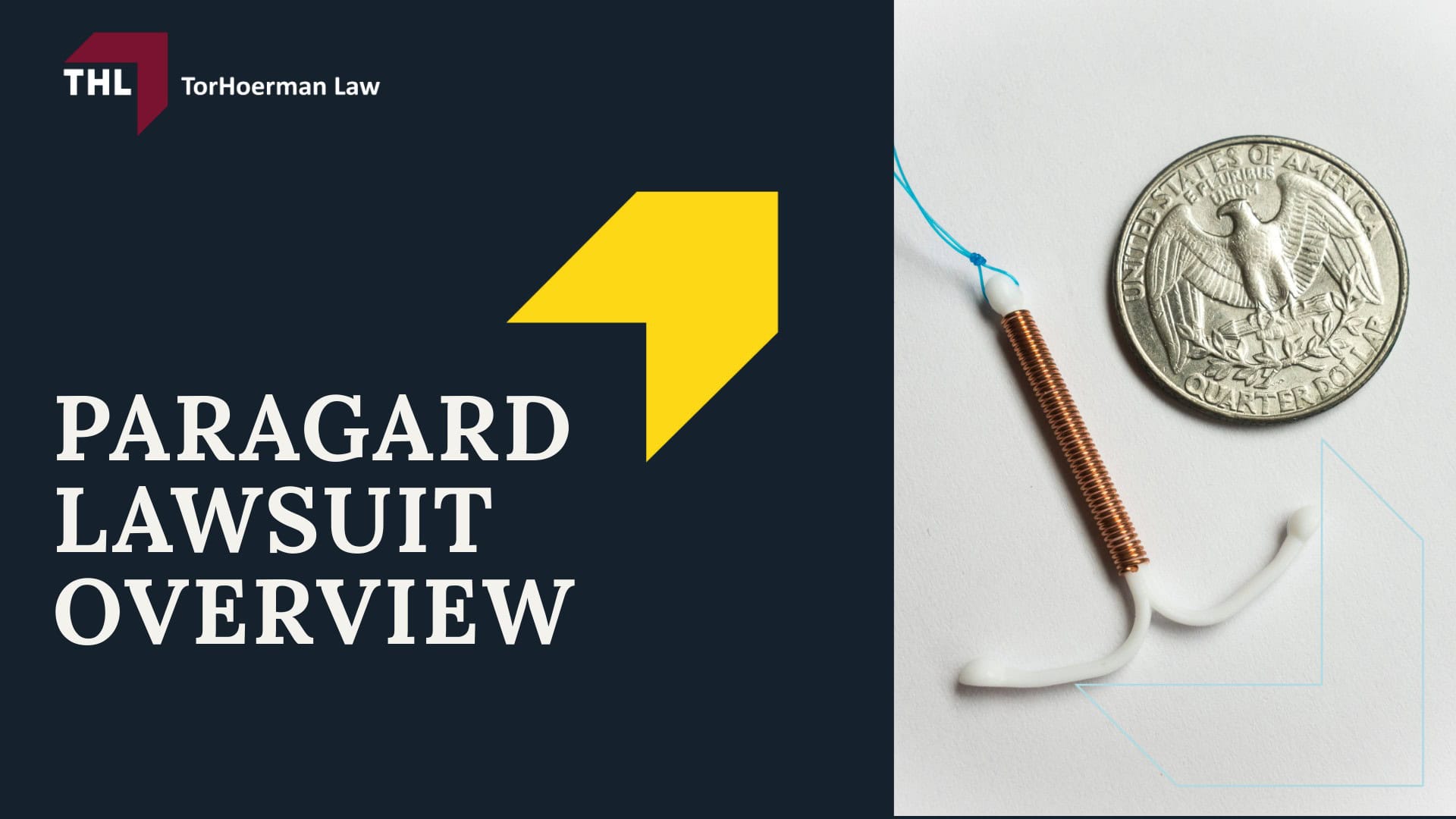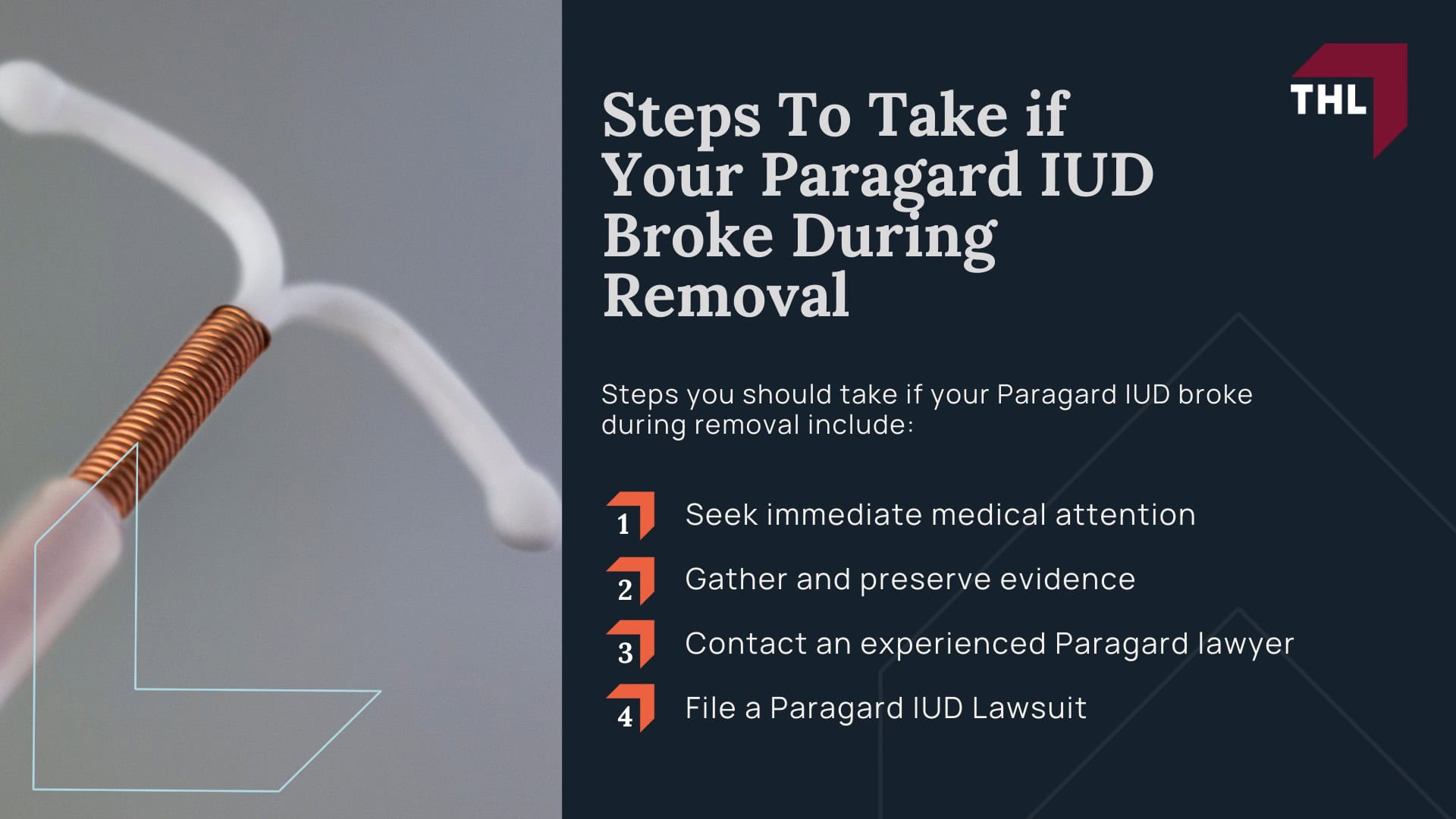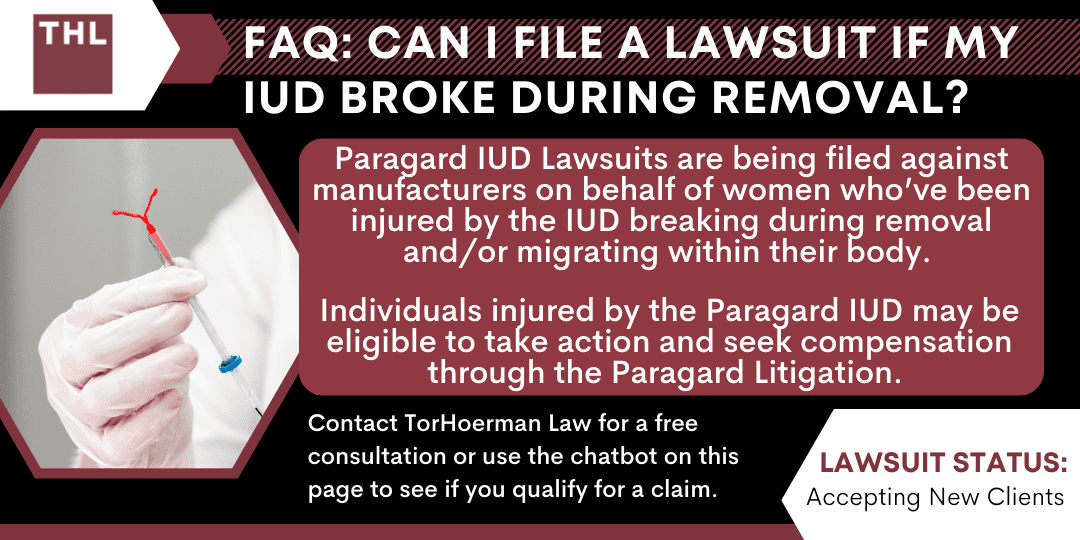
While the Paragard IUD is generally considered safe and effective, there have been dozens of cases where the device breaks during the removal process.
This issue can be a distressing and painful experience for individuals who trusted the IUD for birth control.
The implications of a broken IUD during removal can range from mild discomfort to more severe complications, and these situations are where legal considerations come into play.
Paragard IUD Breakage Upon Removal: Associated Risks and Complications
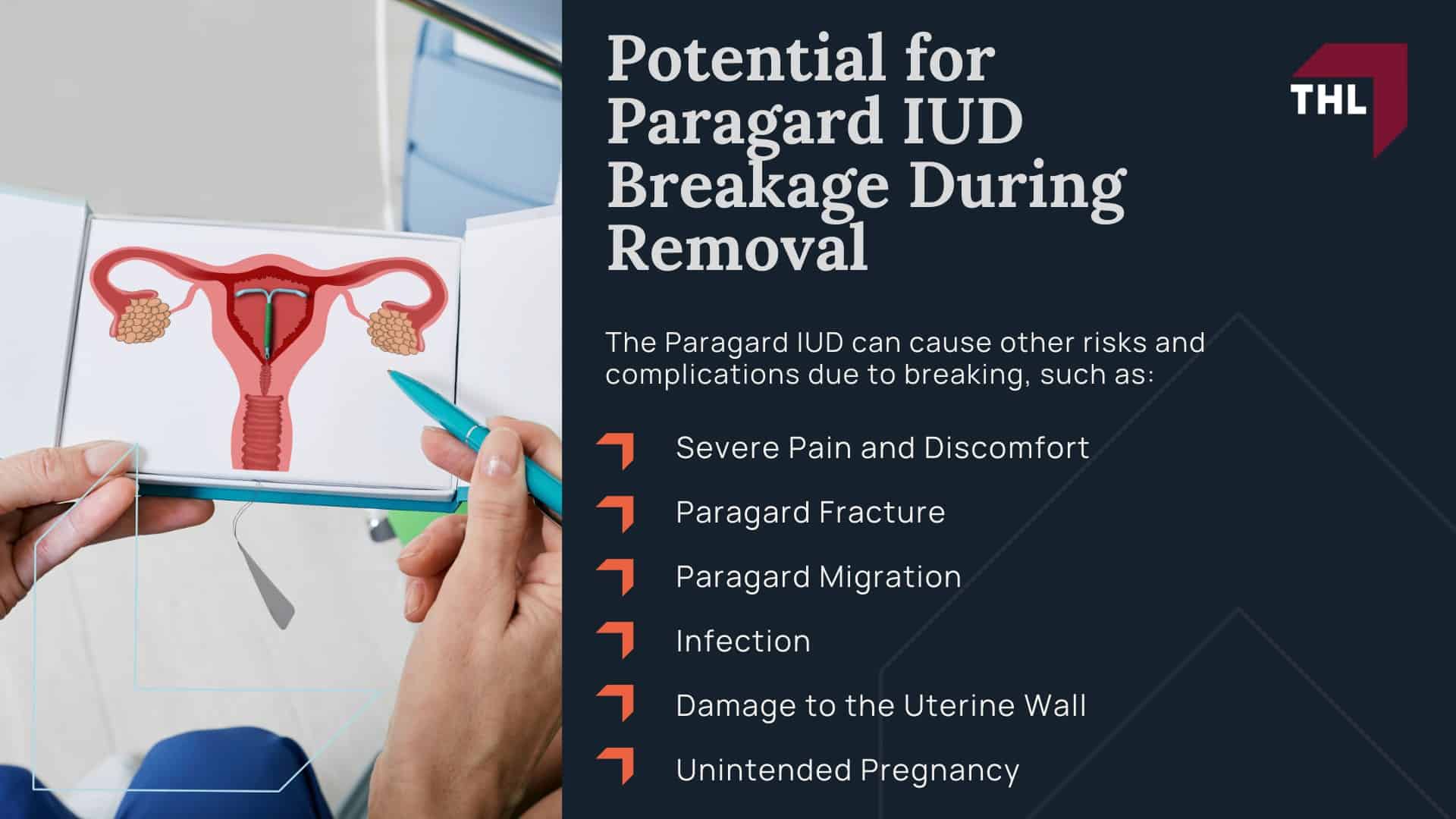
The Paragard IUD can cause other risks and complications due to breaking, such as:
- Severe Pain and Discomfort: Some women report experiencing pain and discomfort while using a Paragard IUD. This issue is also an immediate consequence of a broken IUD during removal, which can be a traumatic experience for the patient and may require surgical removal of fractured IUD pieces.
- Paragard Fracture: One of the main risks associated with Paragard IUDs is their potential for fracture. If your Paragard IUD fractured during use or removal, the fragments can remain in the uterus and cause severe injuries that require medical treatment.
- Paragard Migration: The Paragard IUD ideally stays in place once inserted into the uterus, but there have been cases of the IUD migrating and causing complications. If the IUD moves out of its intended location, it can cause perforation of the uterus and nearby organs or tissues.
- Infection: Inserting or removing an IUD can create a pathway for bacteria to enter the uterus, leading to infections such as pelvic inflammatory disease (PID). This risk is especially prevalent if the device breaks during removal and leaves behind fragments in the uterus.
- Damage to the Uterine Wall: The IUD breaking during removal can cause damage to the uterine wall, which may result in scarring or other long-term complications. In severe cases, this damage may require surgical intervention.
- Unintended Pregnancy: Paragard IUD failure, malfunction, or breakage during removal can lead to unintended pregnancies, resulting in additional emotional and financial burdens for women and their families. This concern may also lead to ectopic pregnancies, premature births, miscarriages, and other pregnancy-related complications.