In 2024, a study published in the British Medical Journal (BMJ) uncovered a concerning link between the Depo-Provera birth control shot and an increased risk of developing brain tumors, specifically intracranial meningiomas.
Depo-Provera, a widely used injectable contraceptive, contains the hormone progestin (medroxyprogesterone acetate), which prevents pregnancy through hormonal regulation.
However, researchers found that this hormone, when administered over long periods, may stimulate abnormal growth in the brain’s protective membranes, leading to tumors.
The study analyzed data from over 18,000 women who underwent surgery for meningiomas, comparing their usage of Depo-Provera to that of a control group.
The results were striking: women who had used Depo-Provera for more than 12 months had a 5.6-fold increased risk of developing meningiomas compared to those who did not use the injection.
While meningiomas are typically benign, they can grow large enough to cause serious neurological issues, such as headaches, seizures, vision changes, and cognitive impairments.

Many patients in the study required serious brain tumor treatment and surgical intervention due to the size and location of these tumors.
The BMJ study has intensified scrutiny of Depo-Provera contraceptive injections, particularly as these risks have not been reflected on U.S. warning labels, even as regulators in Europe and the U.K. have updated their warnings.
How Does Depo-Provera Usage Cause Brain Tumors?
Depo-Provera’s link to brain tumors is thought to stem from its active ingredient, the hormone progestin (medroxyprogesterone acetate), which plays a central role in how the contraceptive functions.
When used over long periods, progestin can stimulate cell growth in the meninges, the protective layers surrounding the brain and spinal cord.
This prolonged hormonal exposure is believed to increase the risk of developing intracranial meningiomas.
How are Intracranial Meningiomas Treated?
Intracranial meningiomas are treated based on the size, location, and symptoms caused by the tumor, as well as the patient’s overall health.
For small, asymptomatic meningiomas, a “watchful waiting” approach may be taken, with regular imaging to monitor any growth or changes.
In cases where the tumor causes symptoms or grows rapidly, brain surgery is typically recommended to remove as much of the tumor as possible.
When complete removal isn’t feasible, radiation therapy may be used after surgery or as a primary treatment to reduce the tumor’s size and control its growth.
Other supportive treatments, such as medication, can help manage symptoms like seizures and headaches.

Treatment for these types of brain tumors include:
- Observation: For small, non-symptomatic tumors, regular monitoring with imaging to track growth.
- Surgery: Often the primary treatment for accessible tumors causing symptoms, aiming to remove the tumor.
- Radiation Therapy: Used to target remaining tumor cells post-surgery or to treat inoperable tumors.
- Medication: Prescribed to manage symptoms like seizures, swelling, and pain caused by the tumor.
- Stereotactic Radiosurgery: A focused radiation technique, such as Gamma Knife, which targets the tumor while minimizing damage to surrounding tissue.
What are the Potential Long-Term Health Risks of These Brain Tumors?
The potential long-term health risks of intracranial meningiomas can be serious, particularly if the tumor grows large or is located near critical brain structures.
Although meningiomas are generally benign, their growth can compress brain tissue, leading to persistent neurological symptoms.
Many patients experience chronic headaches, vision problems, or hearing loss as a result.
Cognitive decline and memory loss may also occur, especially if the tumor affects areas responsible for thought processing and memory.
Some patients develop motor impairments, such as weakness or numbness in their limbs, which can limit mobility and independence.
In severe cases, meningiomas can cause recurring seizures, necessitating lifelong management.
Even after surgical removal, there is a risk of tumor recurrence, which may require additional interventions.
The emotional and psychological toll of these health issues often affects quality of life, creating long-term challenges for patients and their families.
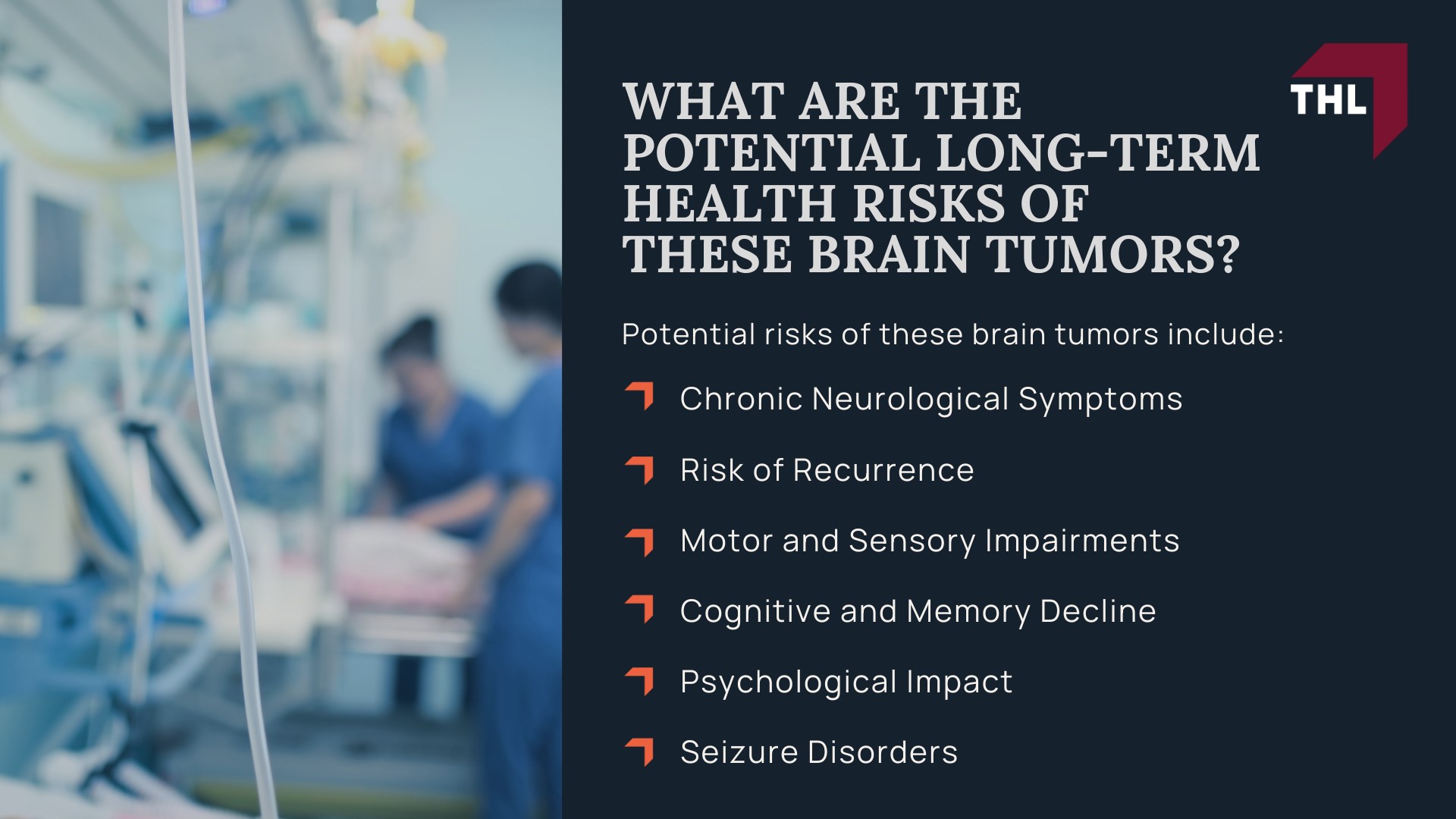
Potential risks of these brain tumors include:
- Chronic Neurological Symptoms: Persistent issues like headaches, dizziness, and balance problems.
- Risk of Recurrence: Even after treatment, meningiomas may regrow, requiring further medical intervention.
- Motor and Sensory Impairments: Long-term issues like numbness or weakness that affect daily functioning.
- Cognitive and Memory Decline: Difficulties with memory, processing information, and concentration.
- Psychological Impact: Long-term anxiety, depression, and emotional strain from ongoing health issues.
- Seizure Disorders: A need for lifelong seizure management if the tumor affects certain brain areas.