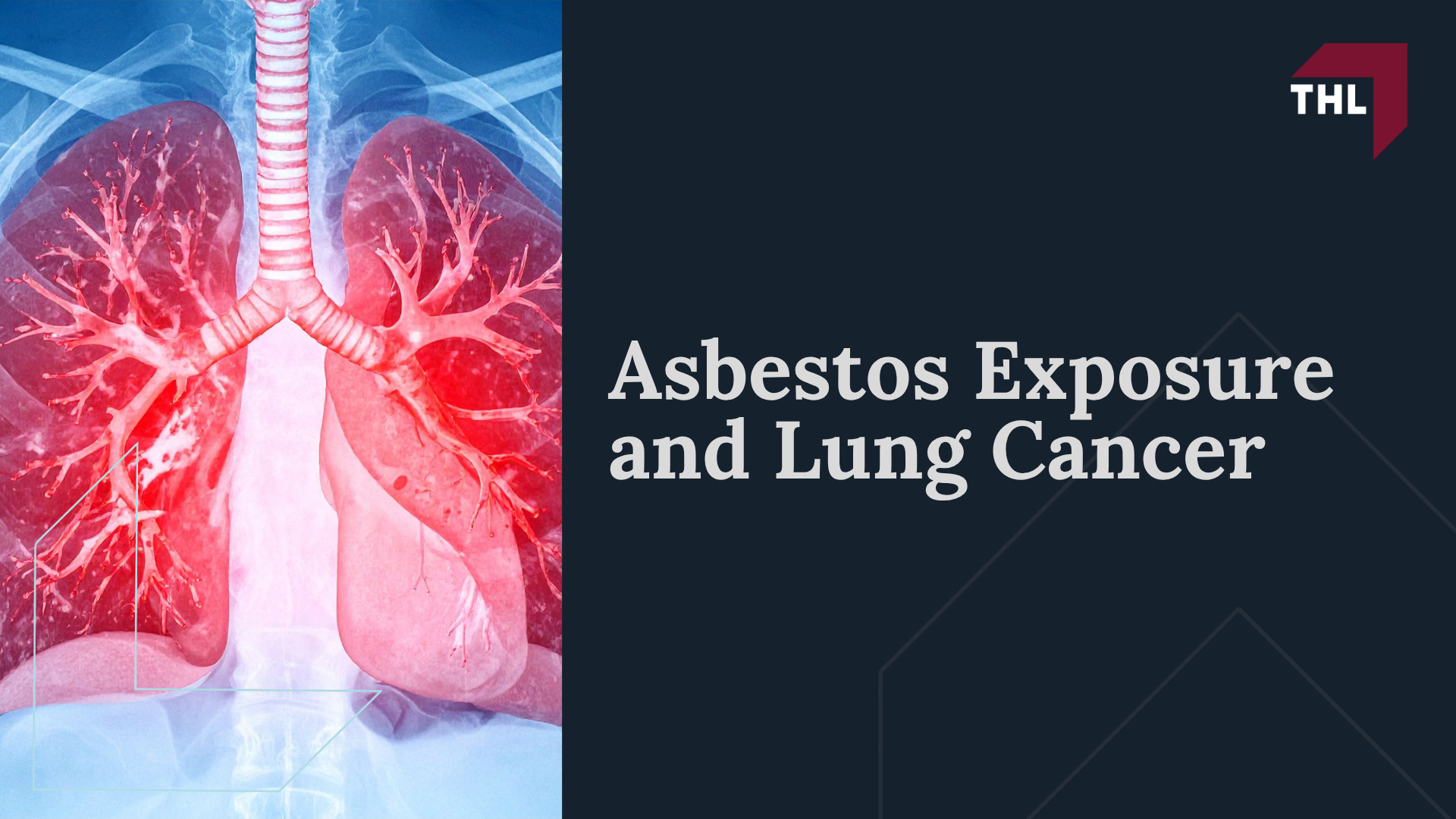
You may qualify for an asbestos lung cancer lawsuit if you were diagnosed with lung cancer and have a history of asbestos exposure.
A claim may involve exposure from work, military service, home renovation, contaminated buildings, asbestos containing products, or secondhand exposure from a family member who brought asbestos fibers home on clothing, tools, or equipment.

A legal claim may be stronger when there is evidence showing:
- A confirmed lung cancer diagnosis
- A history of working around asbestos products
- Exposure to asbestos containing products made or sold by identifiable companies
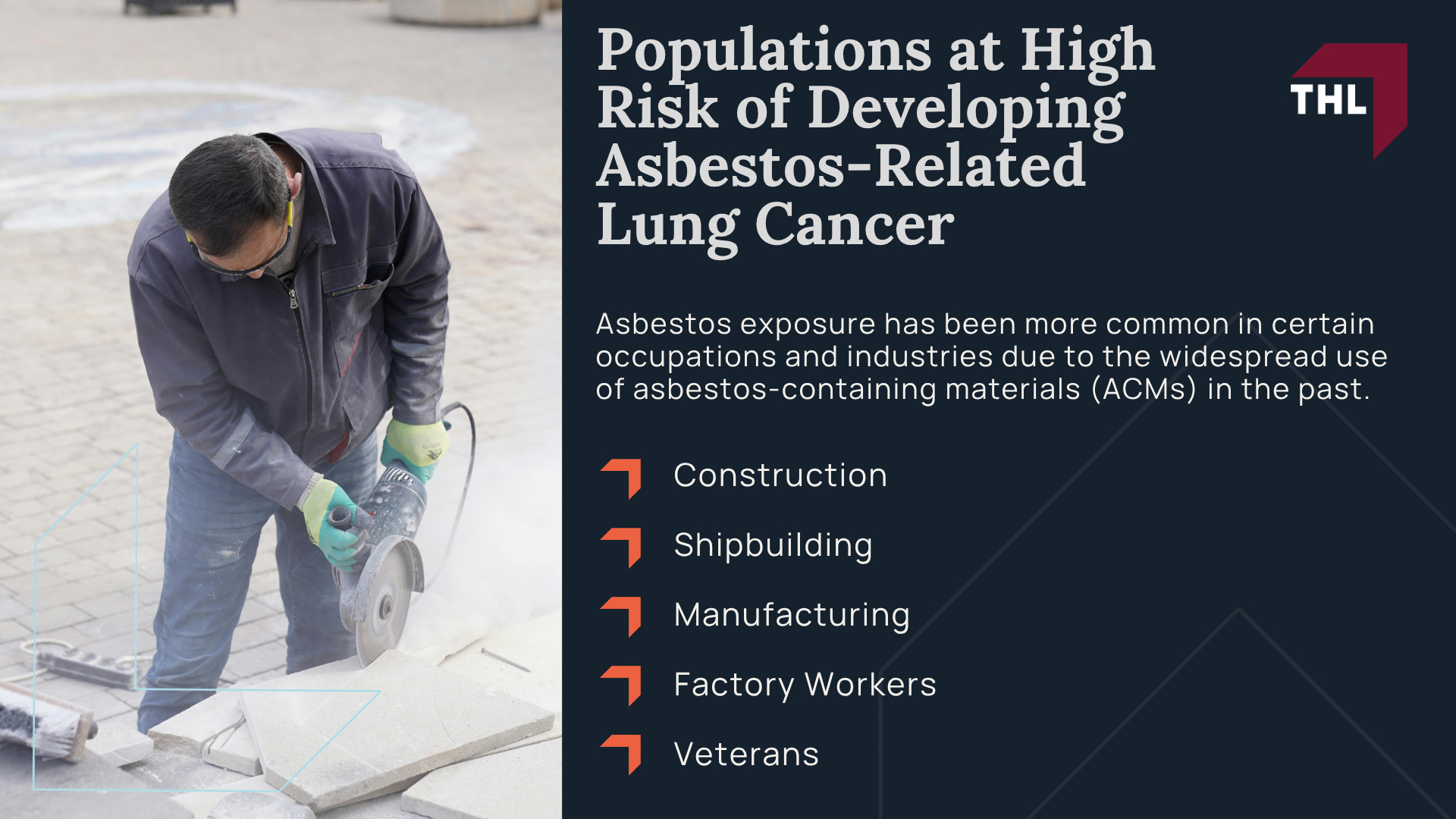
- Occupational exposure in construction, shipbuilding, manufacturing, automotive repair, power plants, railroads, factories, refineries, or military settings
- Records showing asbestos exposure occurred before diagnosis
- A history of asbestosis, pleural plaques, pleural thickening, or other asbestos related disease
- Medical records linking the lung cancer to asbestos exposure
- Witness statements from co-workers or family members
- Product evidence identifying asbestos product manufacturers
You do not need to have mesothelioma to file an asbestos lawsuit.
Lung cancer may also support an asbestos cancer lawsuit when the evidence connects the disease to asbestos exposure.
Asbestos Lung Cancer Lawsuit Process
The asbestos lawsuit process is different from many other personal injury lawsuits because exposure often happened decades before diagnosis.
A legal team must reconstruct the exposure history, identify asbestos products, determine which asbestos companies are responsible, and file the legal claim before the applicable deadline.
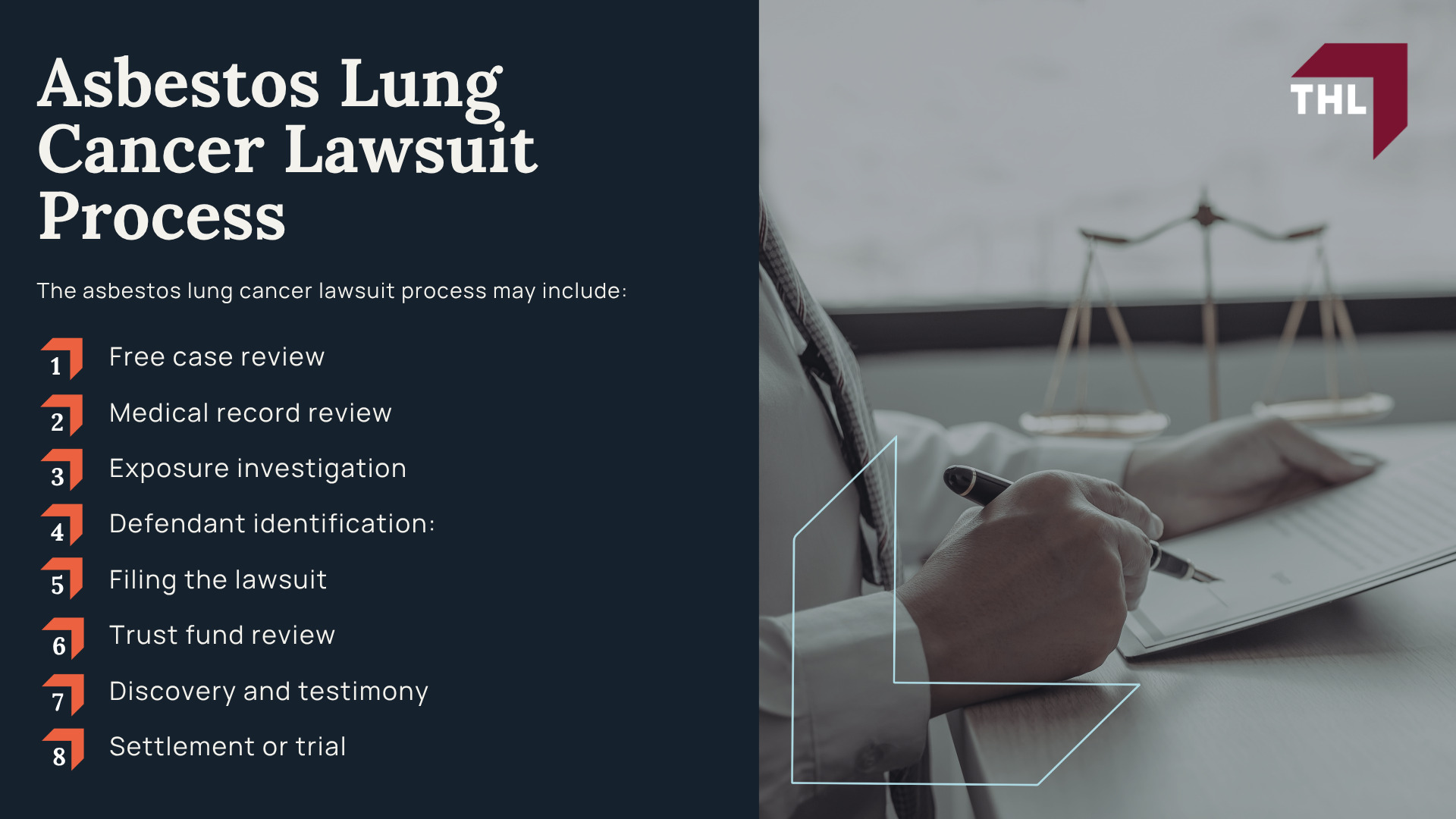
The asbestos lung cancer lawsuit process may include:
- Free case review: An asbestos attorney reviews your lung cancer diagnosis, work history, military history, smoking history, and possible asbestos exposure.
- Medical record review: The legal team gathers pathology reports, imaging, oncology records, pulmonary records, medical bills, and records showing whether you also have asbestosis or pleural disease.
- Exposure investigation: Attorneys investigate jobsites, products, equipment, employers, co-workers, military service, household exposure, and asbestos containing materials.
- Defendant identification: The legal team determines which asbestos manufacturers, asbestos product manufacturers, premises owners, contractors, or other negligent companies may be legally responsible.
- Filing the lawsuit: If the evidence supports the claim, an asbestos lawyer may file an asbestos exposure lawsuit, asbestos cancer lawsuit, personal injury claim, or wrongful death claim.
- Trust fund review: The firm may also review whether an asbestos trust fund claim is available.
- Discovery and testimony: The parties exchange evidence, take testimony, review medical causation, and examine product identification evidence.
- Settlement or trial: Many asbestos lawsuit settlements occur before trial, but some cases may proceed to a verdict if defendants refuse to resolve the claim.
Because statutes of limitation vary by state, people diagnosed with asbestos related lung cancer should speak with asbestos lawsuit lawyers as soon as possible.
Who Can Be Held Liable for Asbestos Related Lung Cancer?
An asbestos lung cancer lawsuit may be filed against companies responsible for exposing workers, consumers, military personnel, family members, or bystanders to asbestos.
In many cases, multiple companies contributed to the exposure.
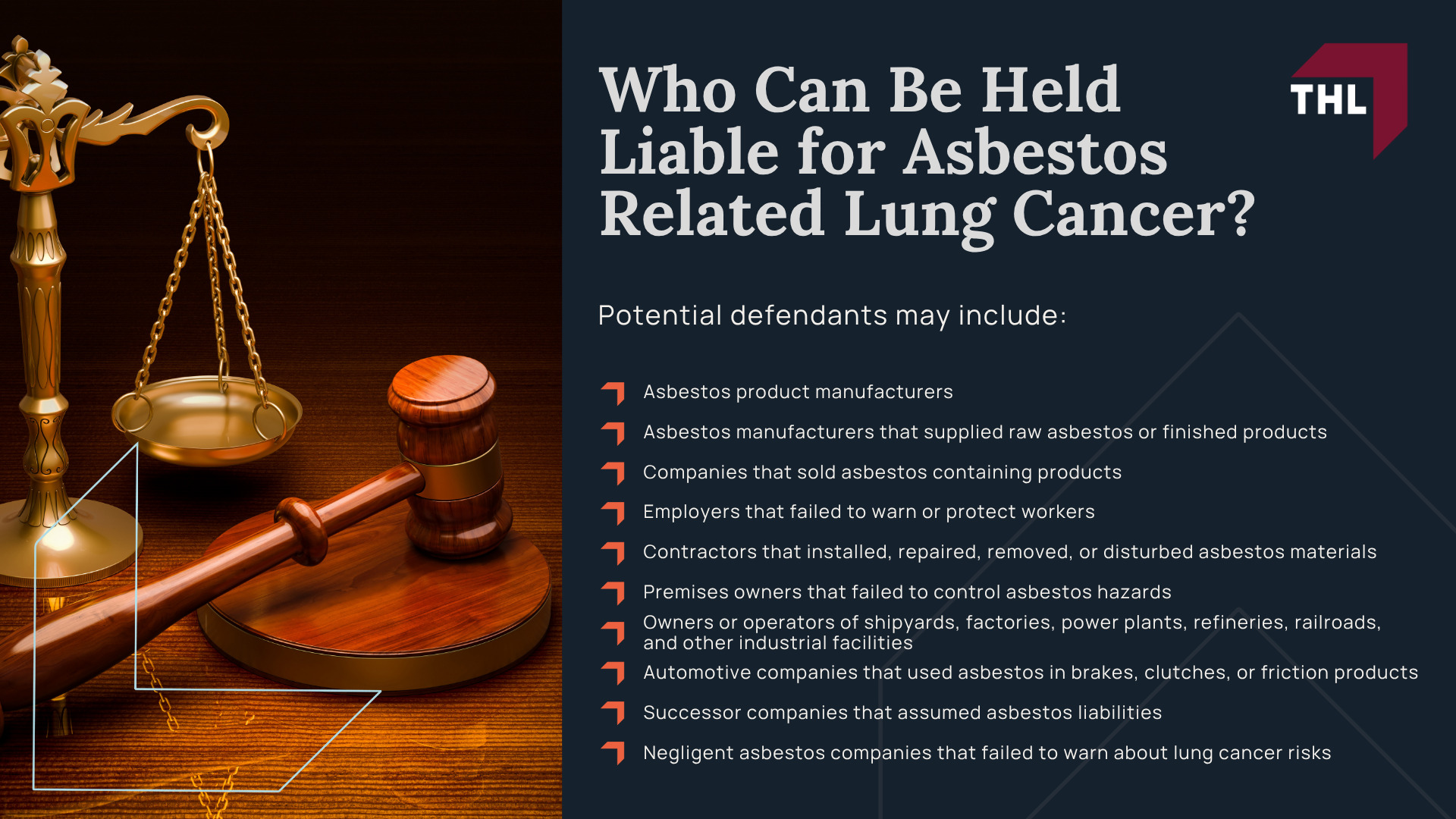
Potential defendants may include:
- Asbestos product manufacturers
- Asbestos manufacturers that supplied raw asbestos or finished products
- Companies that sold asbestos containing products
- Employers that failed to warn or protect workers
- Contractors that installed, repaired, removed, or disturbed asbestos materials
- Premises owners that failed to control asbestos hazards
- Owners or operators of shipyards, factories, power plants, refineries, railroads, and other industrial facilities
- Automotive companies that used asbestos in brakes, clutches, or friction products
- Successor companies that assumed asbestos liabilities
- Negligent asbestos companies that failed to warn about lung cancer risks
A successful asbestos exposure lawsuit requires evidence showing how asbestos exposure occurred and which companies were connected to the products, jobsites, equipment, or facilities involved.
Asbestos companies responsible for exposure may argue that smoking, another workplace, or another company caused the lung cancer.
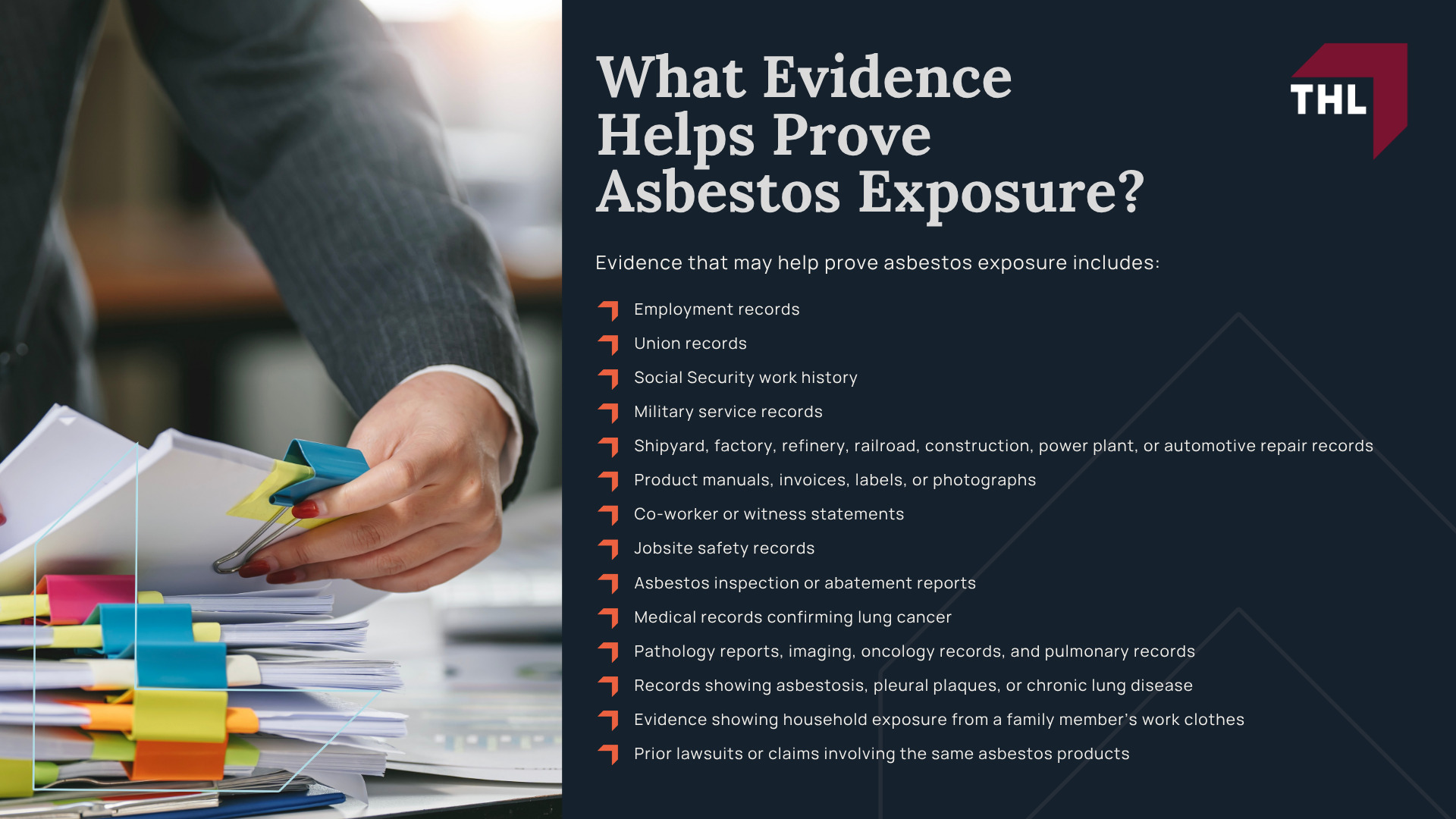
That is why product identification, exposure records, medical evidence, and expert analysis are especially important in asbestos lung cancer cases.
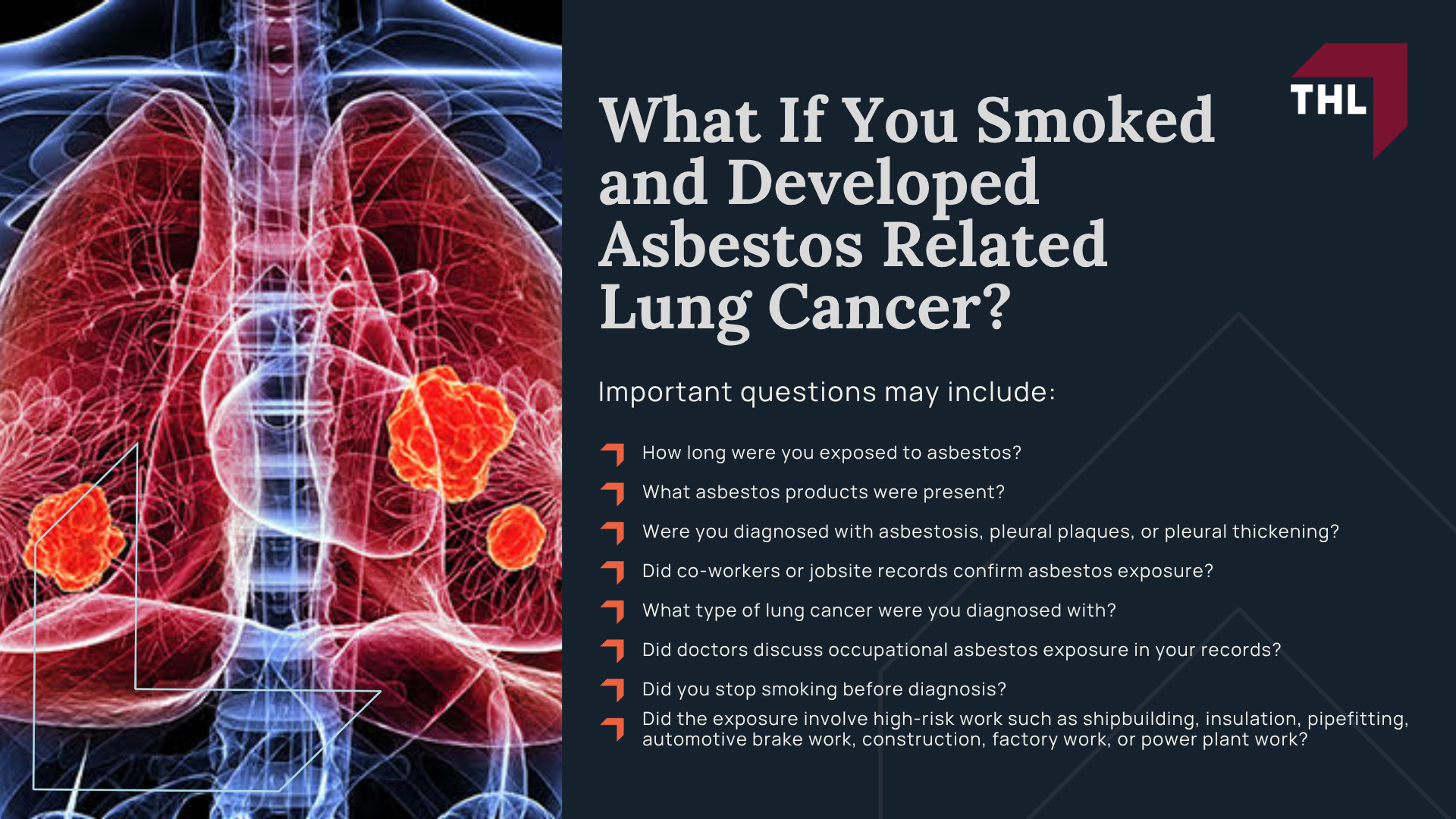
What If You Smoked and Developed Asbestos Related Lung Cancer?
Smoking history is often an issue in asbestos lung cancer litigation.
Insurance companies and defendants may argue that smoking caused the lung cancer and that asbestos exposure did not play a meaningful role.
A smoking history does not automatically prevent an asbestos lung cancer claim.
Asbestos exposure and smoking can both contribute to lung cancer risk.
A lawyer may need to review the medical records, occupational history, exposure duration, asbestos product evidence, smoking history, imaging, pathology, and expert opinions to determine whether a claim can be supported.
Important questions may include:
- How long were you exposed to asbestos?
- What asbestos products were present?
- Were you diagnosed with asbestosis, pleural plaques, or pleural thickening?
- Did co-workers or jobsite records confirm asbestos exposure?
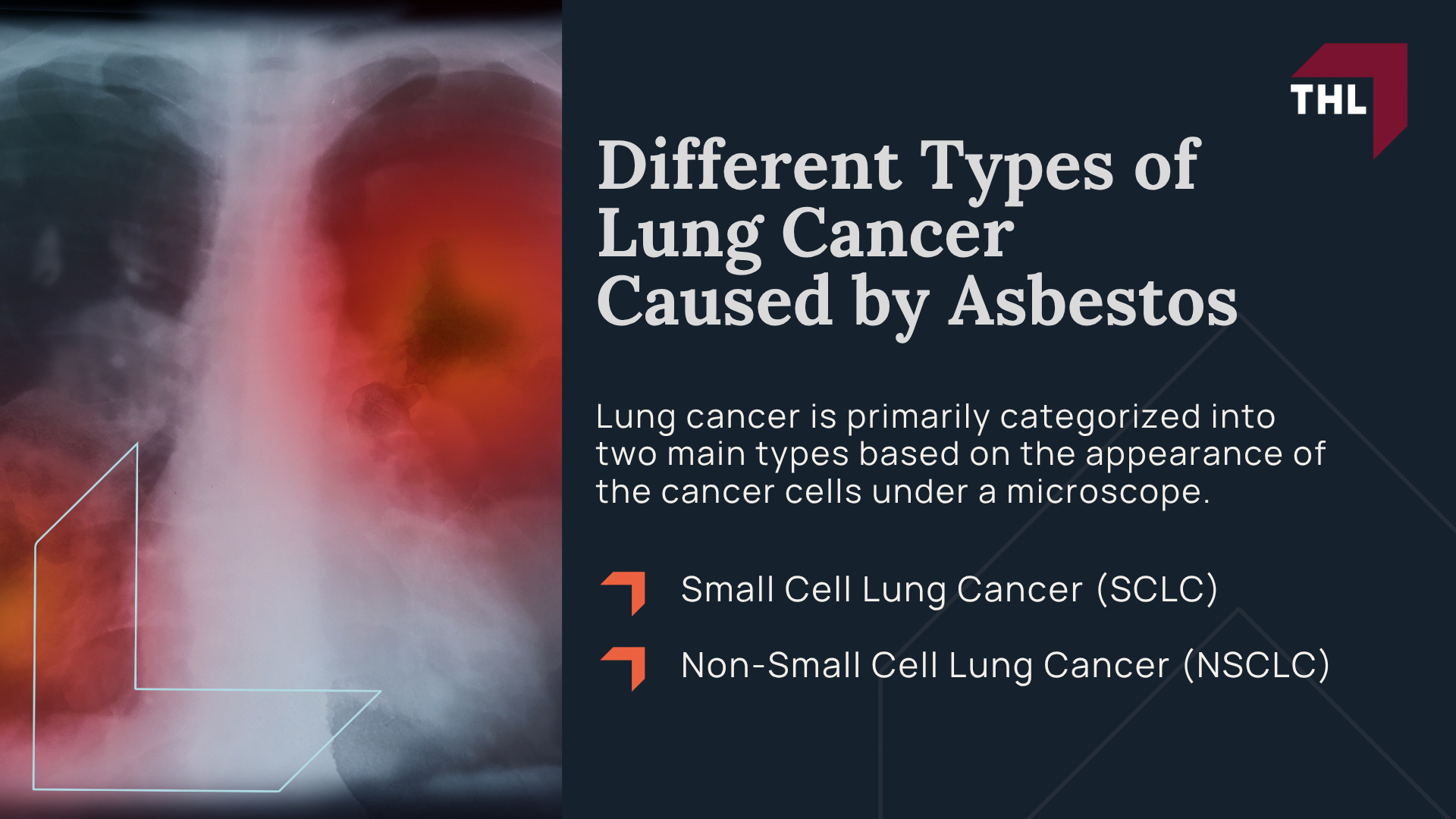
- What type of lung cancer were you diagnosed with?
- Did doctors discuss occupational asbestos exposure in your records?
- Did you stop smoking before diagnosis?
- Did the exposure involve high-risk work such as shipbuilding, insulation, pipefitting, automotive brake work, construction, factory work, or power plant work?
Defendants may use smoking as a causation defense, but asbestos exposure may still be a legally significant cause or contributing factor when the evidence supports the claim.
Asbestos Lung Cancer Lawsuit vs. Mesothelioma Cancer Lawsuit
An asbestos lung cancer lawsuit is not the same as a mesothelioma cancer lawsuit.
Both may involve asbestos exposure, but they involve different diseases, medical evidence, and causation issues.
Mesothelioma is strongly associated with asbestos exposure and often develops in the lining of the lungs or abdomen.
Lung cancer develops in the lung tissue itself and may have multiple risk factors, including smoking, radon, family history, occupational exposure, and asbestos.
Because lung cancer can have more than one cause, an asbestos lung cancer claim may require detailed proof of exposure and medical causation.
Evidence of asbestos exposure, asbestosis, pleural plaques, occupational history, and product identification may be especially important.
A person diagnosed with mesothelioma, including someone who developed pleural mesothelioma, may have a separate legal claim involving mesothelioma litigation.
A person diagnosed with lung cancer may still have an asbestos cancer lawsuit if asbestos exposure contributed to the disease.