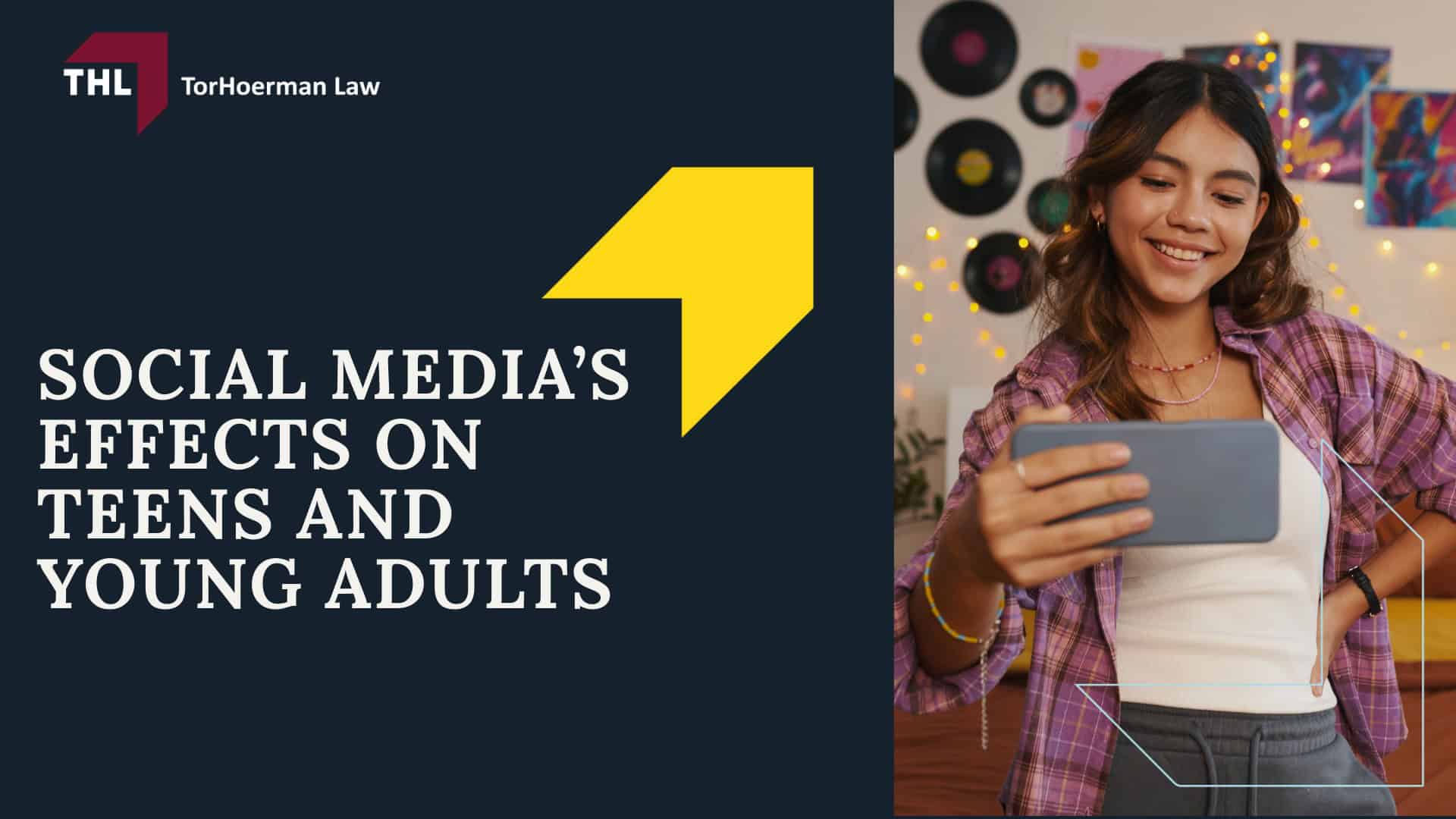
Data gathered from various survey-based research studies on teens and young adults’ social media usage has largely concluded that social media platforms like Facebook and Instagram put people at a greater risk of mental health effects.
Though the prevalence of mental health impacts from social media usage have only become a topic of public concern in recent years, the research on the effects of internet usage overall have been studied and pondered since the 1990s.
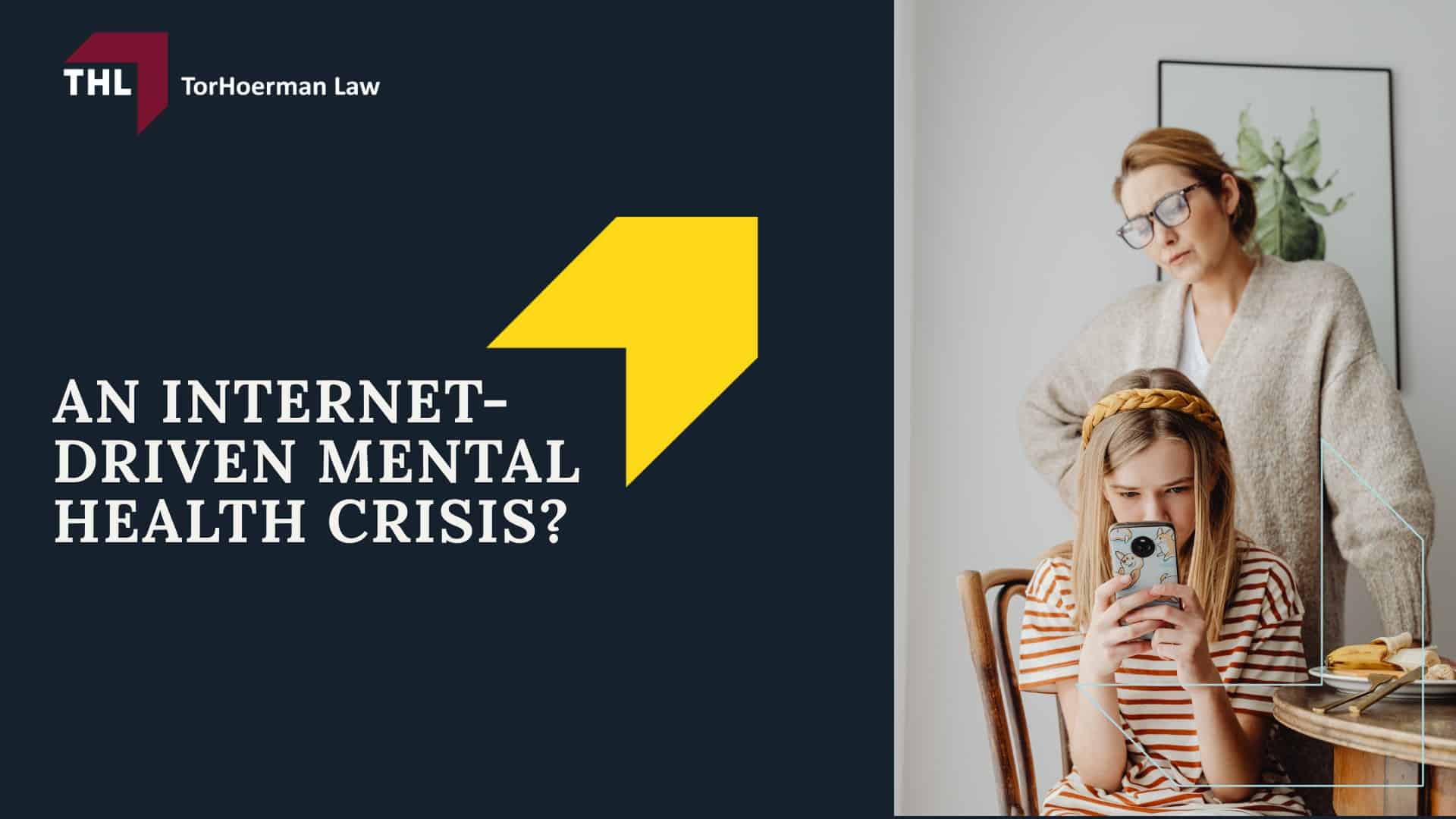
An Internet-Driven Mental Health Crisis?
In 1998, researchers from Carnegie Mellon University published a study on the internet’s influence on social life and relationships.
One of the first studies of its kind, Internet paradox: A Social Technology that Reduces Social Involvement and Psychological Well-Being found that “…greater use of the Internet was associated with declines in participants’ communication with family members in the household, declines in the size of their social circle, and increases in their depression and loneliness.”
These ideas have been expanded and further confirmed as internet use has grown exponentially since the 1990s.
With the introduction of popular social networking sites and increased rates of teens and young adults using them, as well as the increasing access of smartphones, the mental health effects of internet nativity have only now begun to truly present themselves en masse.
Social Media and Mental Health Issues
It’s well known that the greater time spent on social media, the greater the likelihood of certain mental health issues such as depression, anxiety, sleep problems, and more.
The COVID-19 pandemic has also only forced young people to spend more time online, further exposing them to potential mental issues.
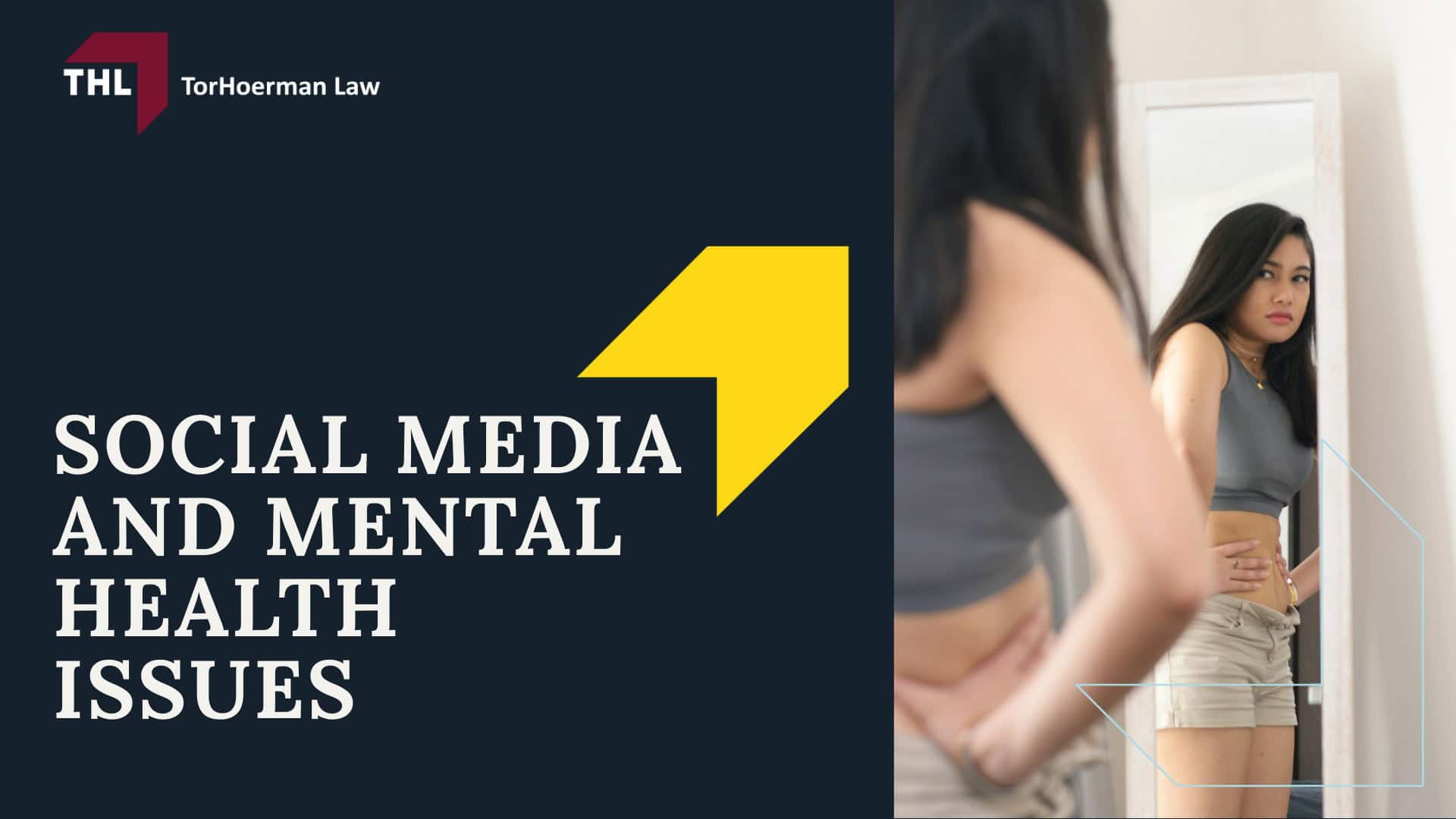
Ideas on mental health issues relating to social media use have been reported in scientific studies conducted on people of all ages, but the effects are more disastrous on the developing brains of teens and young adults:
- A Pew Research Study found that 97% of teens have at least one social media account.
- Spending 3 or more hours on social media per-day puts adolescents at a higher risk for mental health problems.
- Cyberbullying is still a massive problem amongst teens: Pew’s 2018 survey found that 59% of teens have experienced harassment online.
It’s important to note that due to how new these social networking sites are, significant and long-term investigations have not been able to provide the full scope of the issue at hand.
As researchers become more aware of the mental health impacts of social media and scientific methods in analyzing the phenomenon become more informed, more sweeping research is bound to be conducted.