Transvaginal mesh is a medical device used to treat pelvic organ prolapse (POP) and stress urinary incontinence (SUI) in women.
These surgical mesh devices are typically made from polypropylene or other materials that are inserted surgically through the vagina to provide support to weakened or damaged pelvic organs.
Transvaginal mesh implants are designed to reinforce the pelvic floor and provide support to the organs, reducing symptoms such as pelvic pressure, urinary incontinence, and discomfort.
The procedure involves inserting the mesh through small incisions in the vaginal wall and securing it to nearby tissues.
The use of transvaginal mesh has been associated with various complications.

These complications include mesh erosion into nearby tissues, infection, pain during intercourse, urinary problems, and recurrence of prolapse or incontinence.
As a result, the safety and efficacy of transvaginal mesh have been the subject of controversy.
Some regulatory agencies in several countries have issued warnings or restrictions on its use.
Patients who have experienced severe complications have pursued legal action against manufacturers of transvaginal mesh products.
Pelvic Organ Prolapse (POP)
As mentioned above, one of the primary uses of pelvic mesh is treating pelvic organ prolapse.
Pelvic organ prolapse is a condition where one or more pelvic organs (i.e., the bladder, uterus, or rectum) descend or bulge into the vaginal canal due to weakened or stretched pelvic floor muscles and ligaments.
Various factors, including childbirth, aging, menopause, chronic coughing, or obesity, can weaken the pelvic floor organs.
The symptoms of pelvic organ prolapse can vary depending on the severity and the organs involved.
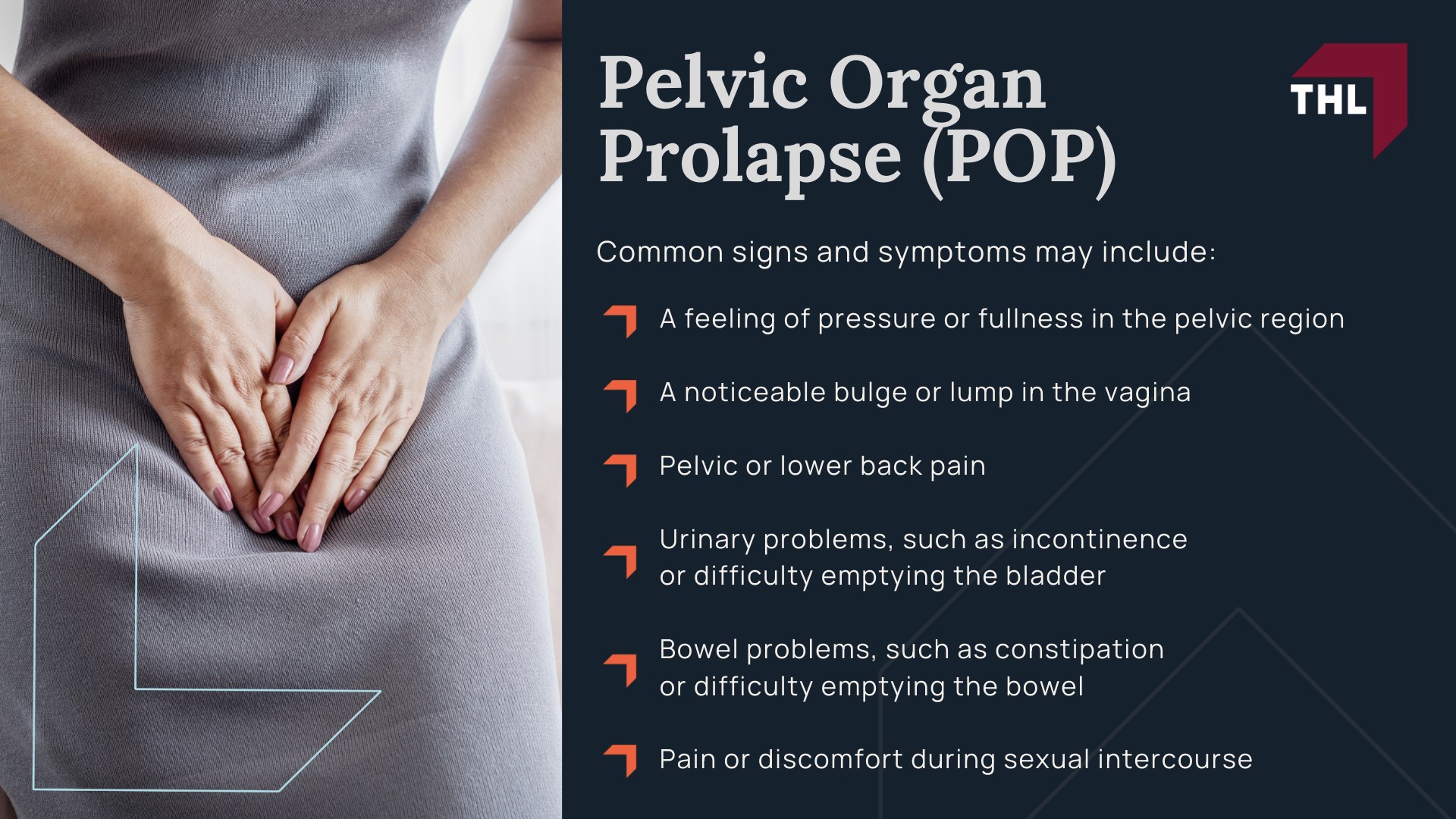
Common signs and symptoms may include:
- A feeling of pressure or fullness in the pelvic region
- A noticeable bulge or lump in the vagina
- Pelvic or lower back pain
- Urinary problems, such as incontinence or difficulty emptying the bladder
- Bowel problems, such as constipation or difficulty emptying the bowel
- Pain or discomfort during sexual intercourse
When a doctor diagnoses a woman with POP, they often turn to transvaginal mesh devices for treatment.
This surgical device is implanted into the affected region to support the weakened pelvic tissues and reduce prolapse symptoms.
Depending on the patient’s condition, the doctor might recommend alternative treatments for the patient’s POP, like physical therapy, silicone implants, or surgery.
For menopausal patients, doctors would also often consider hormone replacement therapy.
Stress Urinary Incontinence (SUI)
Stress urinary incontinence is another disease primarily treated with a vaginal mesh.
This type of urinary incontinence is characterized by the involuntary leakage of urine during activities that increase intra-abdominal pressure (i.e., coughing, sneezing, laughing, lifting, or exercising.)
This condition occurs when the muscles and tissues that support the urethra and bladder are weakened or damaged.
This damage leads to inadequate control or closure of the urethra and leakage of urine.

Causes of stress urinary incontinence can include:
- Weakened pelvic floor muscles: Weakness in these muscles is often due to factors such as childbirth, aging, or obesity, which can lead to stress urinary incontinence.
- Hormonal changes: Decreased estrogen levels, particularly during menopause, can lead to changes in the tissues of the urinary tract and pelvic floor, increasing the risk of stress urinary incontinence.
- Chronic coughing or sneezing: Conditions such as chronic coughing associated with smoking, asthma, or respiratory infections can increase the bladder’s pressure and contribute to stress urinary incontinence.
Some symptoms of stress urinary incontinence may include:
- A spill or slight urine leakage during activities that increase abdominal pressure, such as coughing, sneezing, laughing, lifting, or exercising.
- A frequent urge to urinate.
- Difficulty emptying the bladder fully.
While the transvaginal mesh implant is the go-to SUI treatment for many doctors, its controversy and risks make many providers think twice.
Alternative treatment routes for SUI include non-surgical treatments (kegel exercise, physical therapy, weight management), medications, minimally invasive procedures, and invasive surgery.
Treatment choice depends on various factors, including the severity of symptoms, the underlying cause of stress urinary incontinence, the patient’s overall health, and their preferences.
Patients must discuss their situation and concerns with a healthcare provider to determine the most appropriate treatment.