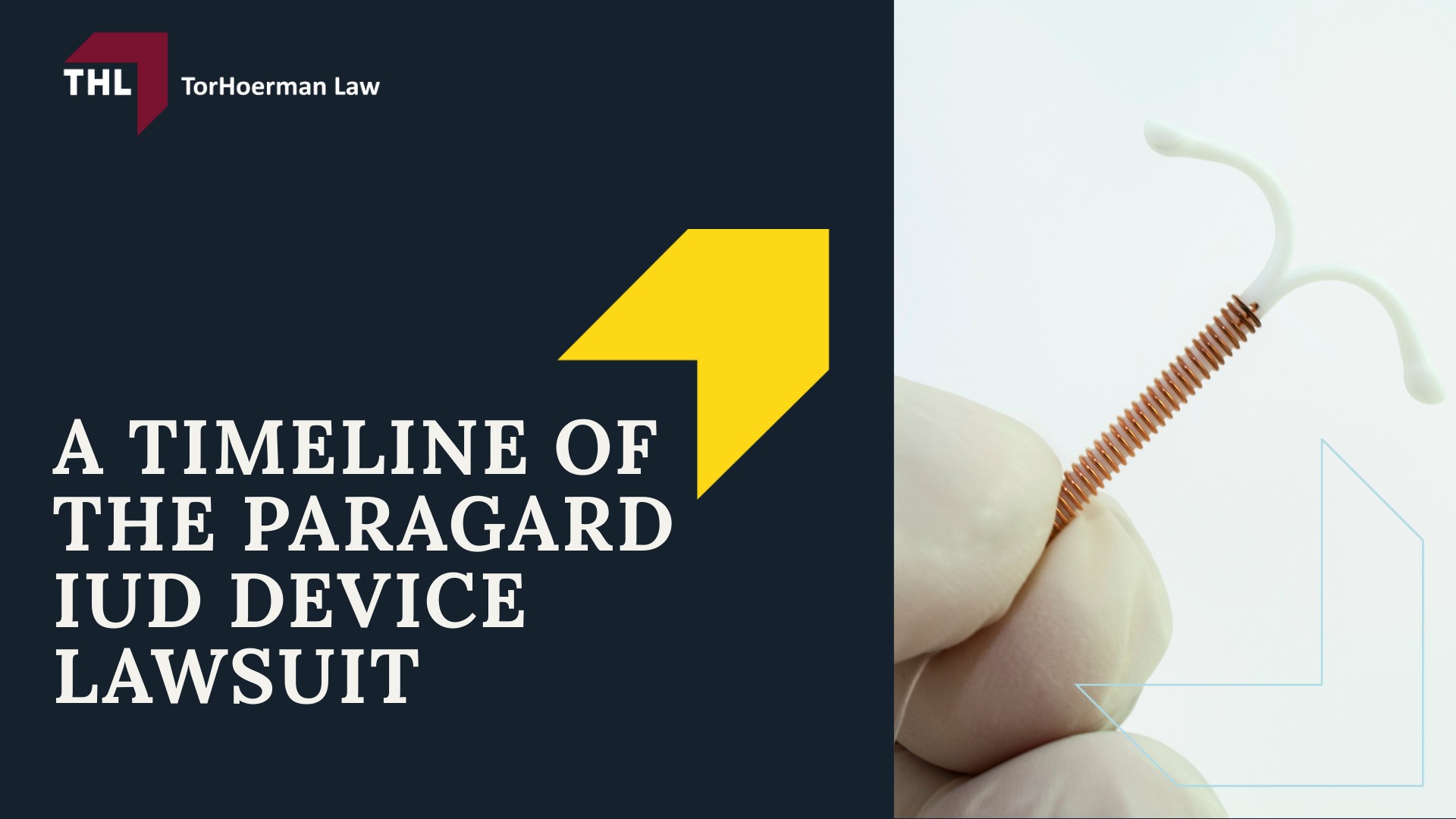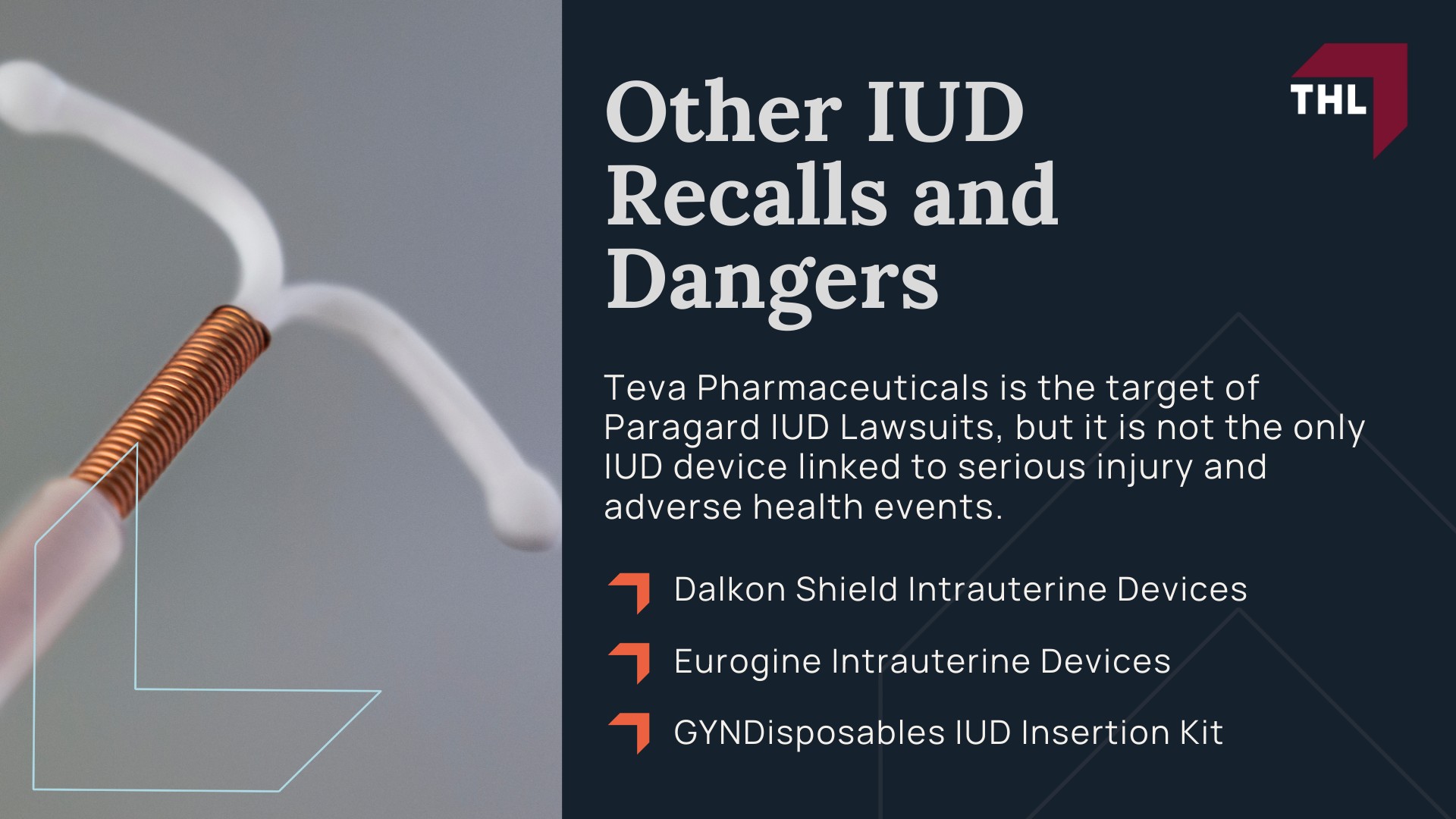
The Paragard IUD is a birth control device produced by Teva Pharmaceuticals that claims to prevent pregnancy for about ten years.
The Paragard IUD is a Y or T-shaped device made of copper inserted into the uterus.
In theory, the copper coil will produce a toxic inflammatory reaction that will prevent the sperm from fertilizing eggs.
Unfortunately, the device’s design may contain defects that contributes to device failure, breaking during the removal process, fracture within the body, and other serious complications.
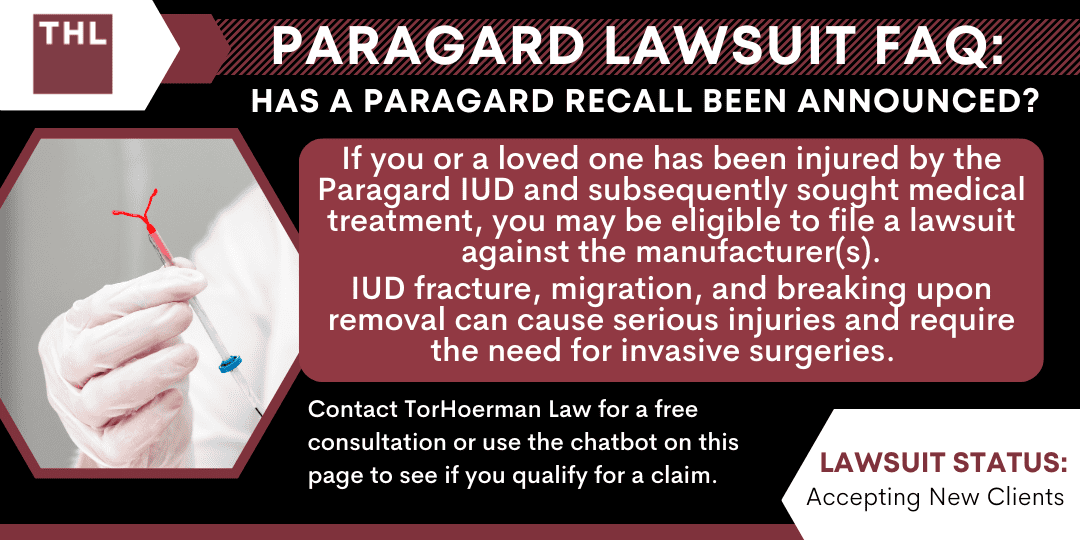
Many women and healthcare providers reported having trouble removing the device as it has the potential to break off inside the patient’s body during removal.
Structurally, the Paragard should flex easily upward for a seamless removal.

This defect can cause injuries inside the patient’s uterus, leading to various Paragard IUD complications, including the following:
- Internal bleeding and severe blood loss
- Organ damage
- Pelvic inflammatory disease
- Perforated uterine lining and cervix
- Infections
- Infertility and pregnancy complications, like ectopic pregnancy
In addition to these injuries, the treatments and procedures meant to remove the fragments inside the uterus are dangerous.
Invasive surgeries may be required to completely ensure that no IUD fragments are left inside the reproductive system and surrounding organs.