Active Litigation
PCB Lawsuit Facts
TorHoerman Law is investigating claims for the PCB Lawsuit.

Polychlorinated biphenyls (PCBs) are a group of synthetic chemicals that were widely used in various industries and applications from the 1930s to the 1970s.
The production of PCBs started in 1929, and they became prevalent because of their chemical stability, flame and heat resistance, and excellent electrical insulating properties.
The widespread use of PCBs played a crucial role in American industry, particularly during World War II, as they significantly aided in the expansion of electrical capabilities and technological advancements.
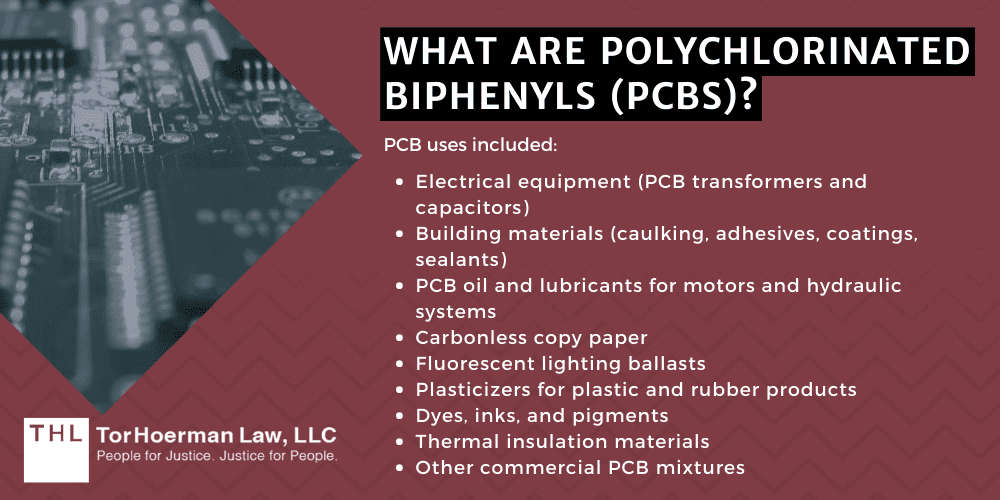
PCB uses included:
While PCBs initially revolutionized various industries, their environmental impact and human health effects eventually caused significant concerns.
Scientific experts found that these chemicals were persistent organic pollutants (POPs) and probable human carcinogens.
According to the Agency for Toxic Substances and Disease Registry (ATSDR), the half-life of PCBs in humans and the environment can range from months to decades since they accumulate in body fat and adipose tissues and do not quickly break down or metabolize.
To address the growing concerns about PCB exposures, the United States Environmental Protection Agency (EPA) ordered the suspension of PCB production in 1977.
The agency eventually banned their use in new products under the Toxic Substances Control Act (TSCA) in 1979.
However, this ban did not apply to existing PCB-containing materials or equipment that was already in service.
As a result, PCBs can still be found today in older properties and other structures, including residential, commercial, industrial, and school buildings.
Polychlorinated Biphenyls (PCBs) were integrated into various construction materials due to their ability to enhance flexibility, adhesion, and durability, qualities highly valued in construction.
In the manufacturing process, PCBs were often added as plasticizers in materials like caulks, sealants, and paints, thereby improving their physical properties and longevity.
Specifically, the incorporation of PCBs into these materials served to ensure better performance under thermal stress, vibration, or corrosive conditions.

Building materials primarily installed between 1950 and 1978 that may contain PCBs include:
Polychlorinated biphenyls (PCBs) were a key ingredient in caulking materials, sealants, and adhesives between the 1950s and 1970s, primarily to enhance durability and elasticity.
PCB-laden caulks and other similar materials were particularly common in buildings such as schools, public structures, and commercial facilities, where they were applied around windows, doors, and other joints to seal gaps effectively.
The concentration of PCBs in these caulks varied widely, with some samples containing levels as high as 50% of their total mass.
The presence of such high concentrations of PCBs in caulking poses significant health and environmental risks.
Over time, these caulks can deteriorate and release PCBs into the surrounding environment, contaminating indoor air, soils, and potentially stormwater systems.
Prolonged exposure to PCBs through inhalation or direct contact with contaminated materials raises serious health concerns, particularly for children in schools where these materials were extensively used.
Even today, buildings with original PCB-containing caulks continue to pose a risk, as complete removal and remediation of these materials can be complex and costly.
PCB-laden caulks and sealants, as they deteriorate, not only pose a direct risk but also have the capacity to contaminate adjacent materials like wood, concrete, and masonry, thereby extending the area of potential PCB exposure and complicating remediation efforts.
Given these ongoing risks, the management and remediation of PCB-laden caulks in older buildings remain a critical environmental health issue.
Polychlorinated Biphenyls (PCBs) were extensively used in fluorescent lighting ballasts (FLBs) in buildings, particularly in schools and other structures built or renovated between about 1950 and 1979.
PCBs are typically found within the FLB capacitors and the interior potting material of older magnetic T12 lighting fixtures.
The capacitors in these FLBs, which regulate the flow of electricity to the lighting fixture, were filled with PCBs due to their ability to withstand high temperatures and electrical stresses.
Polychlorinated biphenyls (PCBs) in Fluorescent Lighting Ballasts (FLBs) were a hidden hazard.
While they enhanced the functionality of the fixtures, they posed significant health risks due to their toxic nature.
Over time, as these FLBs aged and exceeded their designed lifespan, they became susceptible to leaking or rupturing.
Deterioration of old fluorescent lighting fixtures could lead to the release of PCBs into the surrounding environment, increasing exposure risks to building occupants.
Exposure to PCBs primarily occurs through inhalation of contaminated air or direct contact with the substances leaked from older fluorescent lighting fixtures.
In the event of a ballast failure, which could lead to smoking conditions or even fires, PCBs could be released in more concentrated forms, significantly elevating the exposure levels.
The EPA has recommended the removal of PCB-containing FLBs from schools and buildings.
Given the widespread use of PCB-containing FLBs in the past and their potential lingering presence in older buildings, a systematic approach to identifying, removing, and safely disposing of these components is crucial.
Other than caulking and lighting fixtures, PCBs have also been used and found in a number of other building materials.
Other applications of PCBs in building materials include:
In school buildings containing PCB-laden materials, the primary routes of exposure are inhalation of contaminated air, ingestion of PCB-containing dust, and dermal contact with contaminated surfaces.
Chronic exposure to PCBs in school buildings and other older structures is a significant concern, particularly because these compounds can persist for extended periods and exposure can potentially result in ongoing and cumulative health risks.
The presence of PCBs in building materials, especially in school buildings constructed or renovated between 1950 and 1980, poses a significant public health concern.
Researchers from Harvard University have estimated that between 12,960 to 25,920 schools in the United States may contain PCBs in building materials such as caulking, sealants, fluorescent lights, electrical devices, and other components.
This widespread potential exposure is particularly troubling given the sensitivity of children and adolescents to PCB-related health risks.
In school environments, PCBs can be released into the air from aging materials and then inhaled by students and staff, or they can contaminate surfaces and dust, leading to ingestion or dermal absorption risks.
Given the long-term, chronic nature of these exposures and the potential for significant health impacts, there is an urgent need for comprehensive assessment, management, and remediation strategies in affected educational facilities.
Our law firm is currently investigating PCB exposures in school buildings and assessing potential litigation on behalf of those suffering from related health effects.
If you or a loved one have suffered from PCB exposure in school buildings constructed or renovated between 1950 and 1979, you may be eligible to file a claim.
Contact TorHoerman Law for a free consultation.
Exposure to Polychlorinated Biphenyls (PCBs), through various routes can lead to a range of serious health concerns.
Whether through prolonged exposure in school buildings, eating PCB contaminated fish, living near hazardous waste sites, or through other routes, even minor exposures have been found to increase the risk of severe health problems.
PCBs present a significant health challenge due to their tendency to accumulate in the human body over time.
This accumulation can lead to a broad spectrum of health implications, affecting multiple bodily systems.
Chronic exposure to PCBs, especially in environments like schools and workplaces, raises concerns about their long-term impact on general health and well-being.
The widespread use of PCBs in various materials has created environments where routine exposure is often unnoticed, yet potentially harmful.
The International Agency for Research on Cancer (IARC) classified polychlorinated biphenyls (PCBs) as a Group 1 carcinogen, meaning they can cause cancer in humans.
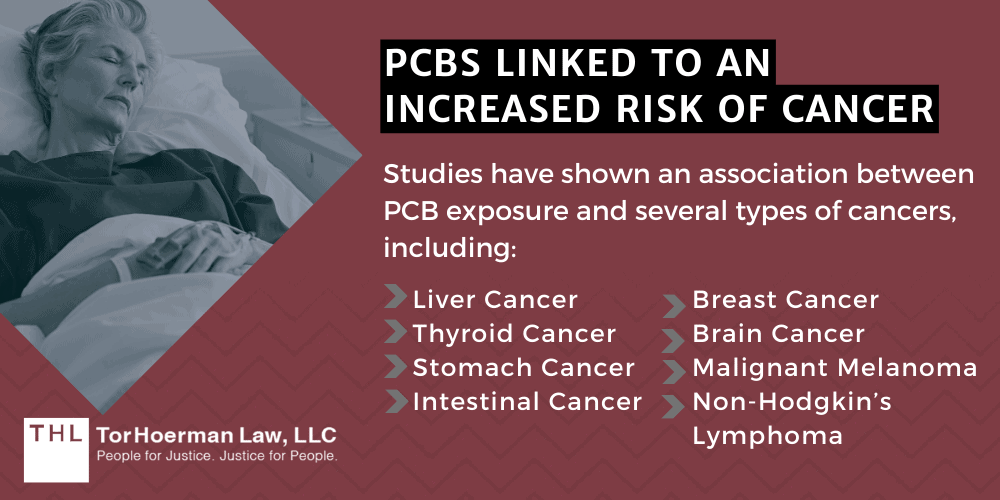
Studies have shown an association between PCB exposure and several types of cancers, including:
The risk of cancer is exacerbated by the fact that PCBs accumulate in the body over time, leading to higher concentrations that can trigger malignant transformations in cells.
This heightened cancer risk associated with PCB exposure underscores the importance of mitigating exposure, especially in environments where PCBs are prevalent, such as older buildings and industrial sites
PCBs can disrupt the endocrine system, which plays a critical role in regulating various bodily functions.
Imbalanced thyroid hormones can have a wide range of health effects, including impacts on metabolism, growth, and development.
PCBs can interfere with the production and regulation of thyroid hormones, leading to complications such as:
PCBs can weaken the immune system, making individuals more susceptible to infections and other health issues.
Exposure to PCBs creates a higher likelihood of developing immune system disorders, such as autoimmune diseases and allergies.
Exposed workers, students, and occupants in older buildings may be at a higher risk of developing these health complications.
PCB exposure can impact the nervous system, leading to a range of neurological problems and issues in neurological development.
Neurological issues linked to PCB exposure include:
Exposure to Polychlorinated Biphenyls (PCBs) has been closely studied for its detrimental impact on neurological development, particularly in children.
The developing brains of children are especially vulnerable to the neurotoxic effects of PCBs, which can lead to long-term cognitive and behavioral issues.
Studies indicate that such exposure can lead to decreased attention span, memory problems, and lowered IQ in affected children.
There is also evidence linking PCB exposure to deficits in attention, learning, and impulse control, all critical aspects of a child’s educational and social development.
Behavioral problems, such as hyperactivity and poor social interaction, have been observed in children with higher levels of PCB exposure.
The impact of Polychlorinated Biphenyls (PCBs) on reproductive health is a significant concern.
PCB exposure has been linked to a range of reproductive issues, including disruptions in menstrual cycles and fertility problems in women.
In men, elevated levels of PCBs have been associated with reduced sperm quality and lower sperm counts, potentially leading to decreased fertility.
Pregnant women exposed to PCBs face an increased risk of adverse outcomes, including miscarriages and preterm births.
During pregnancy, PCBs can cross the placental barrier, potentially impacting the development of the fetus and leading to long-term health issues in the offspring.
The developmental impacts of PCB exposure, particularly in school environments, present significant concerns due to the sensitivity of developing children to these toxic compounds.
Prenatal exposure to PCBs, often through maternal transmission via breast milk or the placenta, has been linked to neurological and cognitive deficits in infants and young children.
Additionally, perinatal exposure to PCBs is associated with delayed developmental milestones, behavioral problems, and altered immune responses.
In school settings, chronic exposure to low-level PCBs can exacerbate these developmental issues, potentially leading to long-term educational and health challenges.
Exposure to Polychlorinated Biphenyls (PCBs) can have a wide array of additional health effects, impacting individuals in various ways depending on the mode of exposure and length of time exposed.
Other possible health effects of PCB exposure include:
Given the dangers associated with PCBs, it’s essential to identify, manage, and remove PCB-containing materials from older buildings.
Several regulatory guidelines and best practices govern these processes, and they often involve professionals trained in handling hazardous materials.
The Environmental Protection Agency (EPA) provides regulations and guidance on the management of PCBs, especially in the context of older buildings.
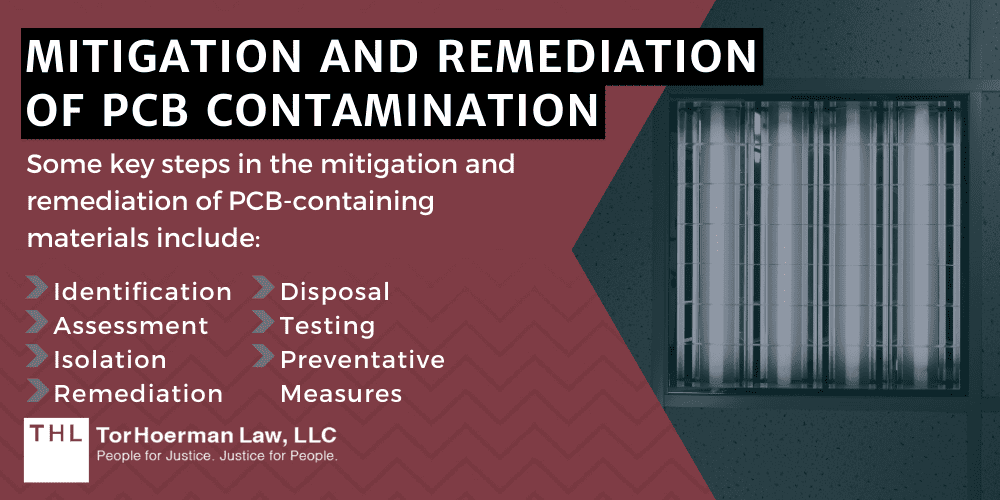
Some key steps in the mitigation and remediation of PCB-containing materials include:
TorHoerman Law is actively investigating lawsuits for individuals exposed to PCBs in the St. Louis area.
Many schools in the region, along with older buildings, may have contained old fluorescent lighting fixtures and construction materials manufactured with PCBs.
The investigation aims to hold responsible parties accountable for the harm PCB exposure has caused.
These lawsuits seek to provide compensation to affected individuals and raise awareness about the risks associated with PCBs in building materials.
If you or a loved one have been exposed to PCBs and have experienced health issues as a result, it’s crucial to seek legal advice from experienced attorneys.
Contact TorHoerman Law today for a free, no-obligation consultation.
You can also use the chatbot on this page to find out if you qualify for a PBC lawsuit claim instantly.


