Eaker Air Force Base (formerly Blytheville AFB) in Arkansas has been identified as a site with alarmingly high levels of per- and polyfluoroalkyl substances (PFAS) contamination.
These chemicals, often referred to as “forever chemicals,” are highly persistent in the environment and have been linked to severe health and environmental risks.
Historical use of aqueous film-forming foam (AFFF) during firefighting training and emergency responses is the primary source of PFAS contamination at the base.
Testing conducted at Eaker Air Force Base revealed PFAS concentrations significantly exceeding the Environmental Protection Agency’s (EPA) current advisory limit of 4 parts per trillion (ppt) for drinking water.

According to data collected by the Environmental Working Group (EWG), PFAS levels at Eaker/Blytheville AFB are as follows:
- PFOA: 116,000 PPT
- PFOS: 164,000 PPT
- PFOS+PFOA: 280,000 PPT
- PFHxS: 359,000 PPT
- PFHxA: 100,000 PPT
- PFBS: 25,900 PPT
These staggering figures highlight the urgent need for remediation efforts and increased accountability.
PFAS contamination at these levels poses serious risks to local communities, military personnel, and surrounding ecosystems that rely on nearby water sources.
Exposure to such extreme PFAS concentrations can result in severe health effects, including cancer, liver damage, immune system suppression, and developmental issues in children.
Residents and former base personnel who relied on the water supply for drinking, cooking, and other daily activities may have unknowingly faced prolonged exposure to these toxic substances.
The data underscores the importance of addressing PFAS contamination at Eaker AFB to protect public health and restore environmental safety.
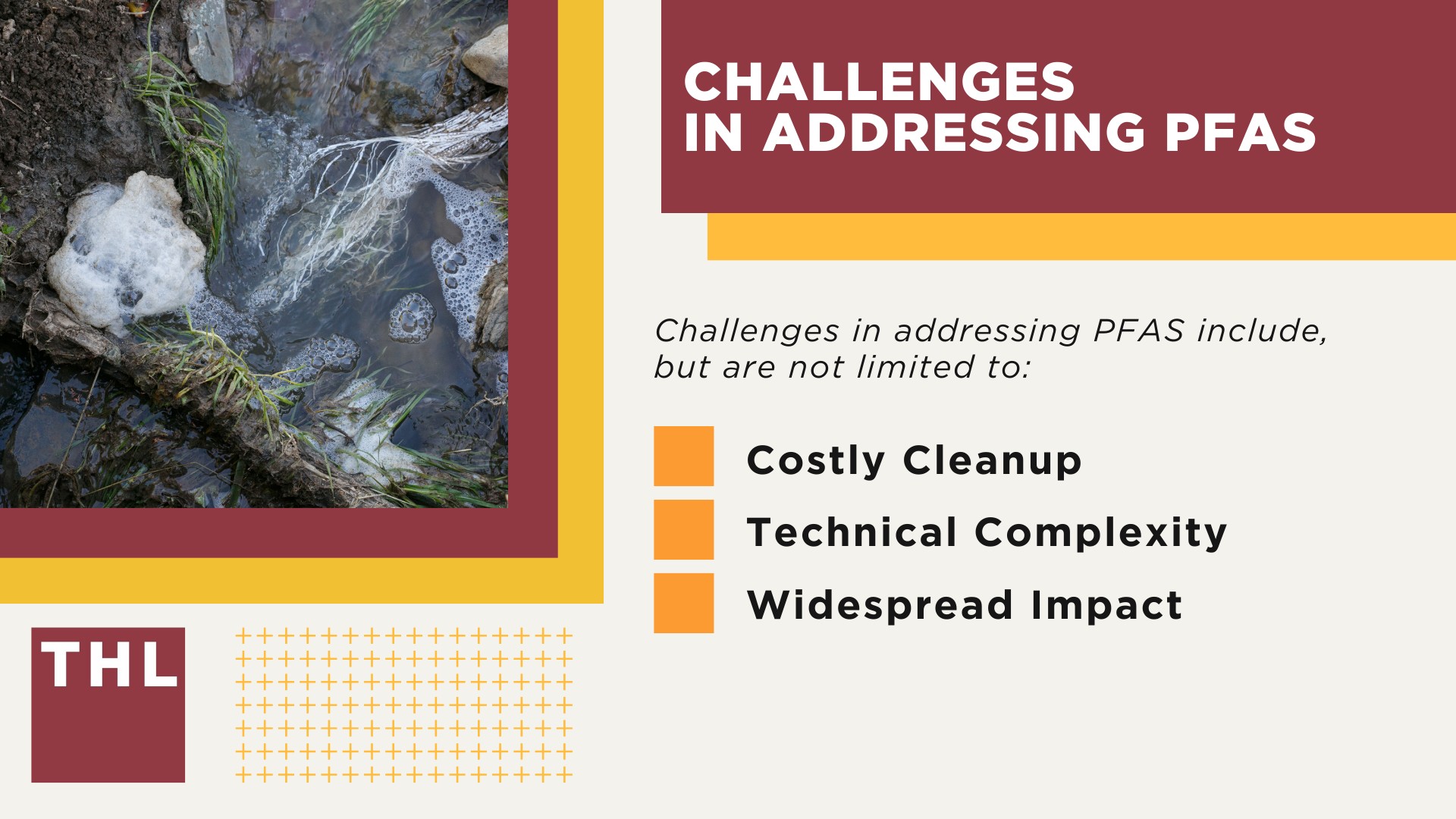
Cleanup Efforts at Eaker Air Force Base
Cleanup efforts at Eaker Air Force Base focus on addressing extensive PFAS contamination in groundwater and soil caused by historical use of firefighting foam (AFFF).
The Environmental Protection Agency (EPA) and the Department of Defense (DoD) are collaborating on remediation strategies, including advanced filtration methods like granular activated carbon and reverse osmosis to reduce PFAS levels.
Monitoring programs have been implemented to regularly test water supplies and ensure public safety while long-term solutions are developed.
Community engagement initiatives provide updates on cleanup progress and address concerns from affected residents and former military personnel.
These efforts aim to restore environmental safety, reduce health risks, and hold responsible parties accountable for contamination.
Health Risks Associated with PFAS Exposure at Eaker Air Force Base
The dangerously high levels of PFAS at Eaker AFB have been linked to severe health risks, including certain cancers, liver damage, and immune system suppression.
Prolonged exposure through contaminated water amplifies these risks for residents, military personnel, and their families.
Immediate action is critical to mitigate these long-term health impacts.
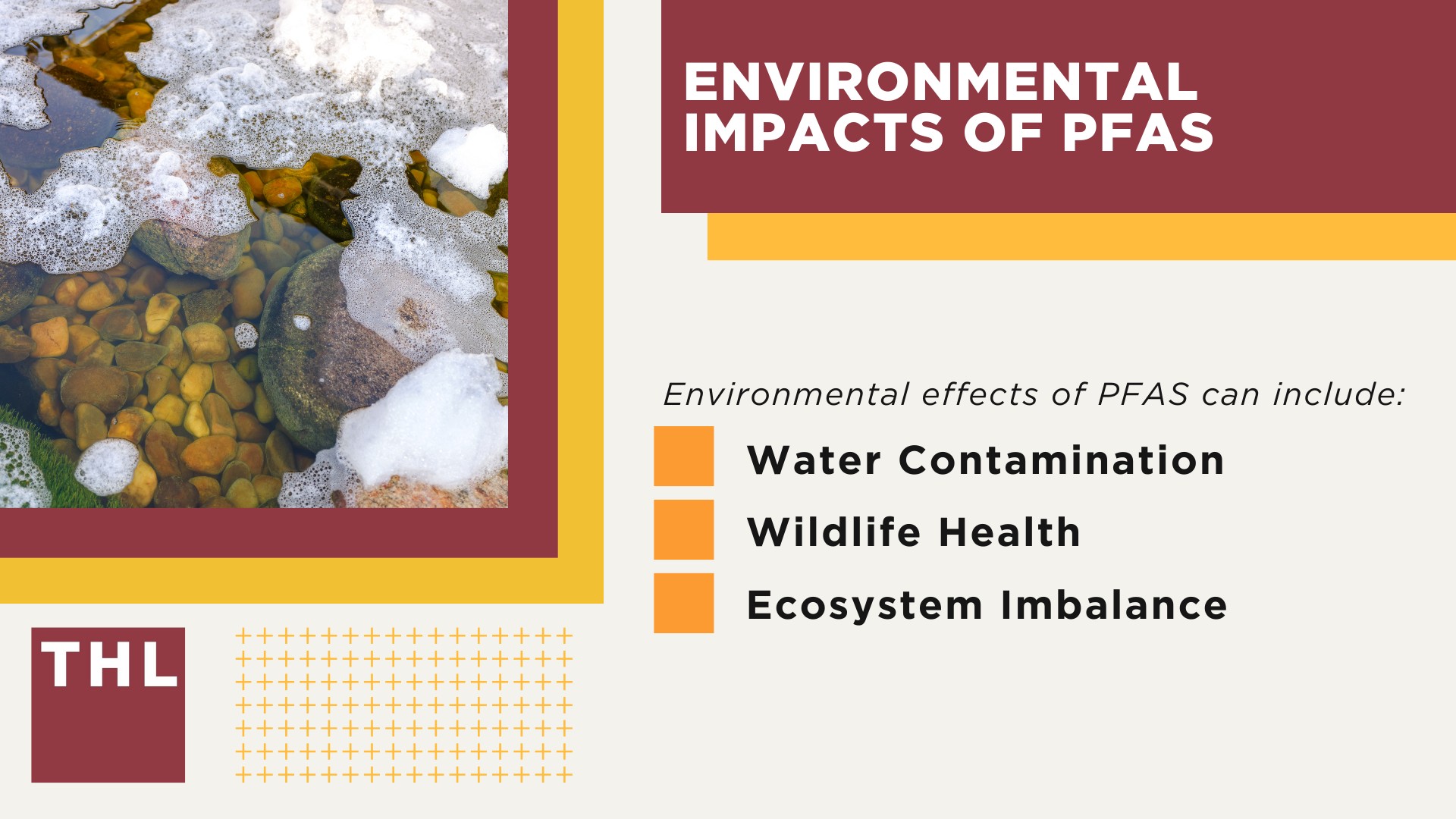
Environmental Impact of PFAS Contamination
PFAS contamination at Eaker Air Force Base extends beyond human health, severely impacting local ecosystems.
These chemicals persist in soil and water, affecting wildlife and potentially disrupting food chains.
The long-term environmental consequences highlight the urgent need for effective cleanup efforts.
Legal and Community Advocacy Efforts
Local communities and advocacy groups are working to raise awareness about the PFAS crisis at Eaker AFB.
Legal actions against responsible manufacturers and agencies aim to secure compensation for affected individuals and fund comprehensive cleanup programs.
These efforts strive to ensure accountability and promote sustainable solutions for PFAS contamination.