Trulicity is one of several GLP-1 receptor agonist diabetes medications prescribed to treat type 2 diabetes and, in some cases, discussed alongside drugs marketed as a weight loss drug.
It is administered as a once-weekly injection and is frequently compared to other GLP-1 medications such as Ozempic and Mounjaro, which serve similar therapeutic purposes but differ in dosing and reported side effect profiles.
In recent litigation, plaintiffs allege that Trulicity injuries extend beyond routine side effects and raise serious concerns about long-term health risks.
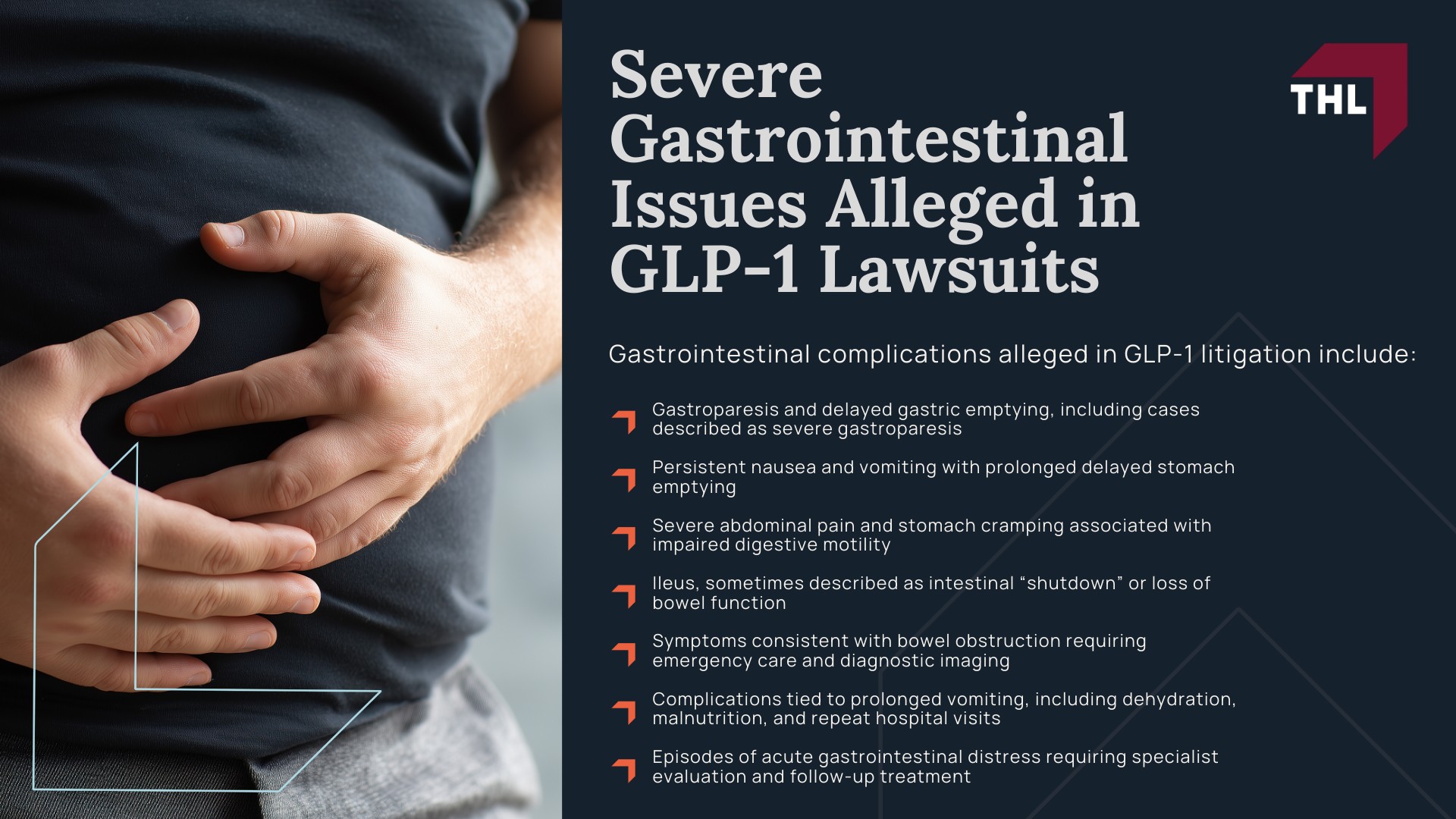
Lawsuits describe patients suffering from persistent gastrointestinal symptoms, including severe nausea, vomiting, and impaired stomach emptying.
Additional claims involve vision-related injuries that patients say developed after sustained use of GLP-1 drugs.
Emerging data has led many patients and healthcare providers to compare Trulicity with Ozempic and Mounjaro when evaluating safety risks.
Federal regulators have also taken notice of these reported complications.
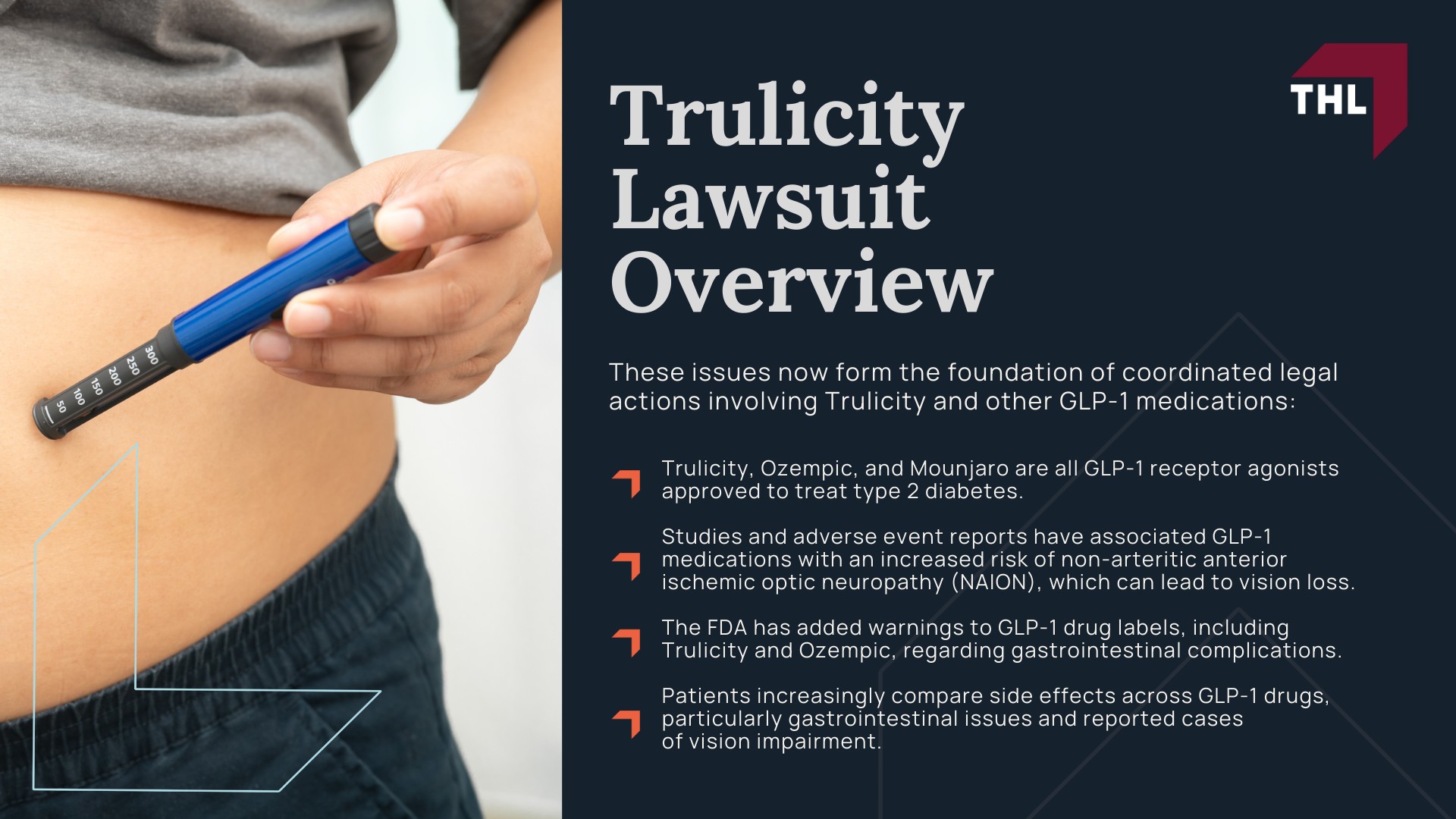
These issues now form the foundation of coordinated legal actions involving Trulicity and other GLP-1 medications:
- Trulicity, Ozempic, and Mounjaro are all GLP-1 receptor agonists approved to treat type 2 diabetes.
- Studies and adverse event reports have associated GLP-1 medications with an increased risk of non-arteritic anterior ischemic optic neuropathy (NAION), which can lead to vision loss.
- The FDA has added warnings to GLP-1 drug labels, including Trulicity and Ozempic, regarding gastrointestinal complications.
- Patients increasingly compare side effects across GLP-1 drugs, particularly gastrointestinal issues and reported cases of vision impairment.
Why Trulicity Is Named in the GLP-1 Litigation
Trulicity is included because it belongs to the same GLP-1 drug class as other medications under scrutiny, and lawsuits claim that class-wide effects on gut motility may be relevant to the injuries alleged.
Plaintiffs generally contend that slowing gastric emptying can, in some cases, progress from temporary digestive disruption to more serious problems involving the stomach muscles, including allegations described as stomach paralysis and complications like bowel obstruction.

In other words, the claim is not that everyone will be harmed, but that a subset of patients who suffered severe and persistent symptoms may have experienced an abnormal or prolonged effect on digestion and intestinal movement.
These filings remain allegation-based, and the litigation process is designed to test what the evidence shows about risk, labeling, and causation for individual patients who report severe gastrointestinal disease and related complications such as severe abdominal pain and ongoing digestive dysfunction.
Trulicity Lawsuit Settlement Amounts: Projections and Estimates
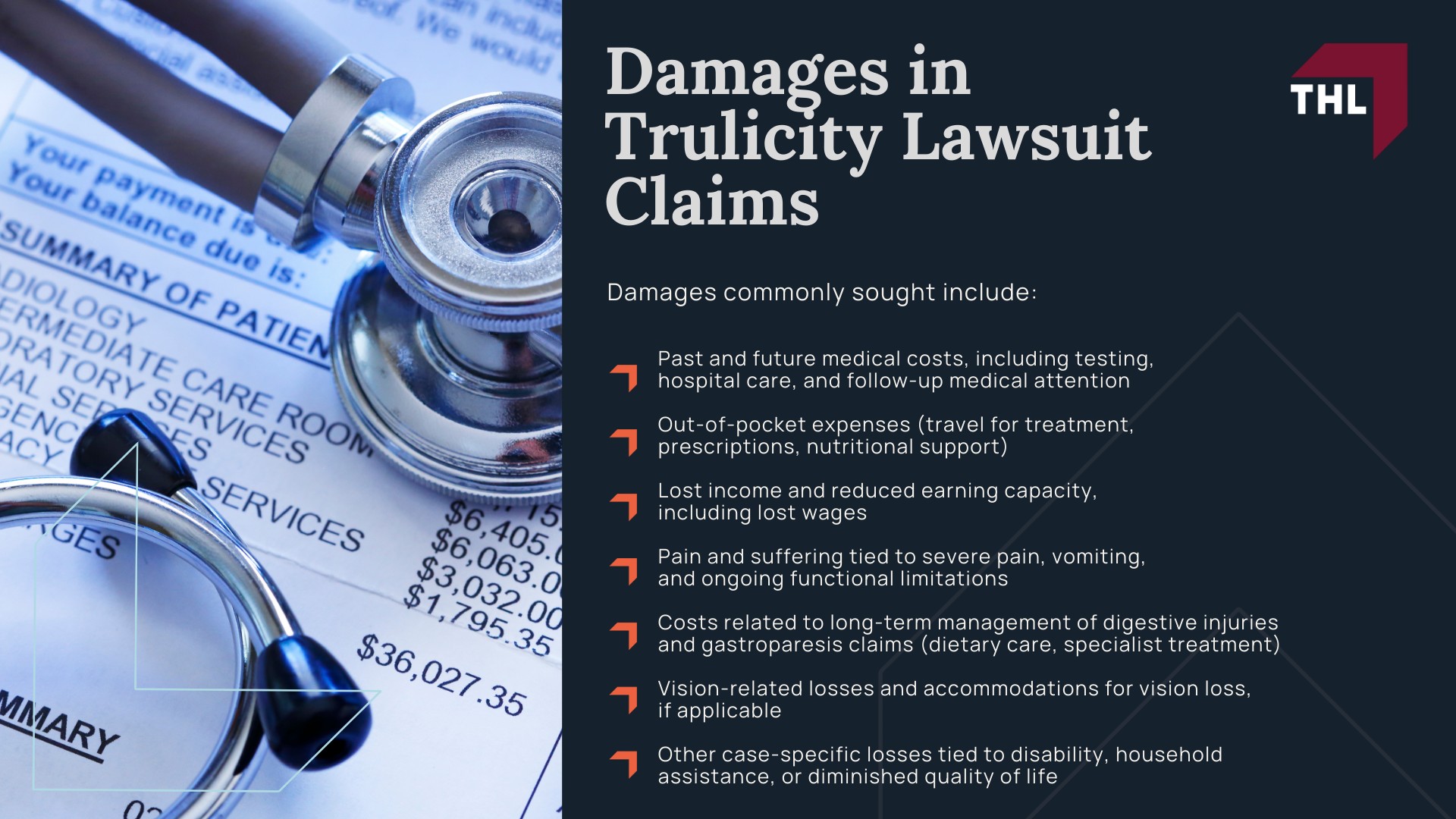
Lawyers estimating potential Trulicity lawsuit settlement amounts often place projected case values in a broad range of about $50,000 to over $700,000, depending on the severity of the alleged injury and the strength of the supporting medical evidence.
No Trulicity settlement program has been announced, and there is no established “average” payout at this stage, so any figures discussed publicly should be treated as projections, not guaranteed outcomes.
Because Trulicity falls within the same broader GLP-1 litigation category as Ozempic and similar drugs, projected values are typically discussed in tiers that rise with documented severity, treatment intensity, and long-term impairment.
Higher-end projections are generally associated with cases involving confirmed, severe diagnoses, repeated emergency care, hospitalization, surgical intervention, or lasting disability, while lower-end projections tend to involve less intensive treatment or shorter symptom duration.
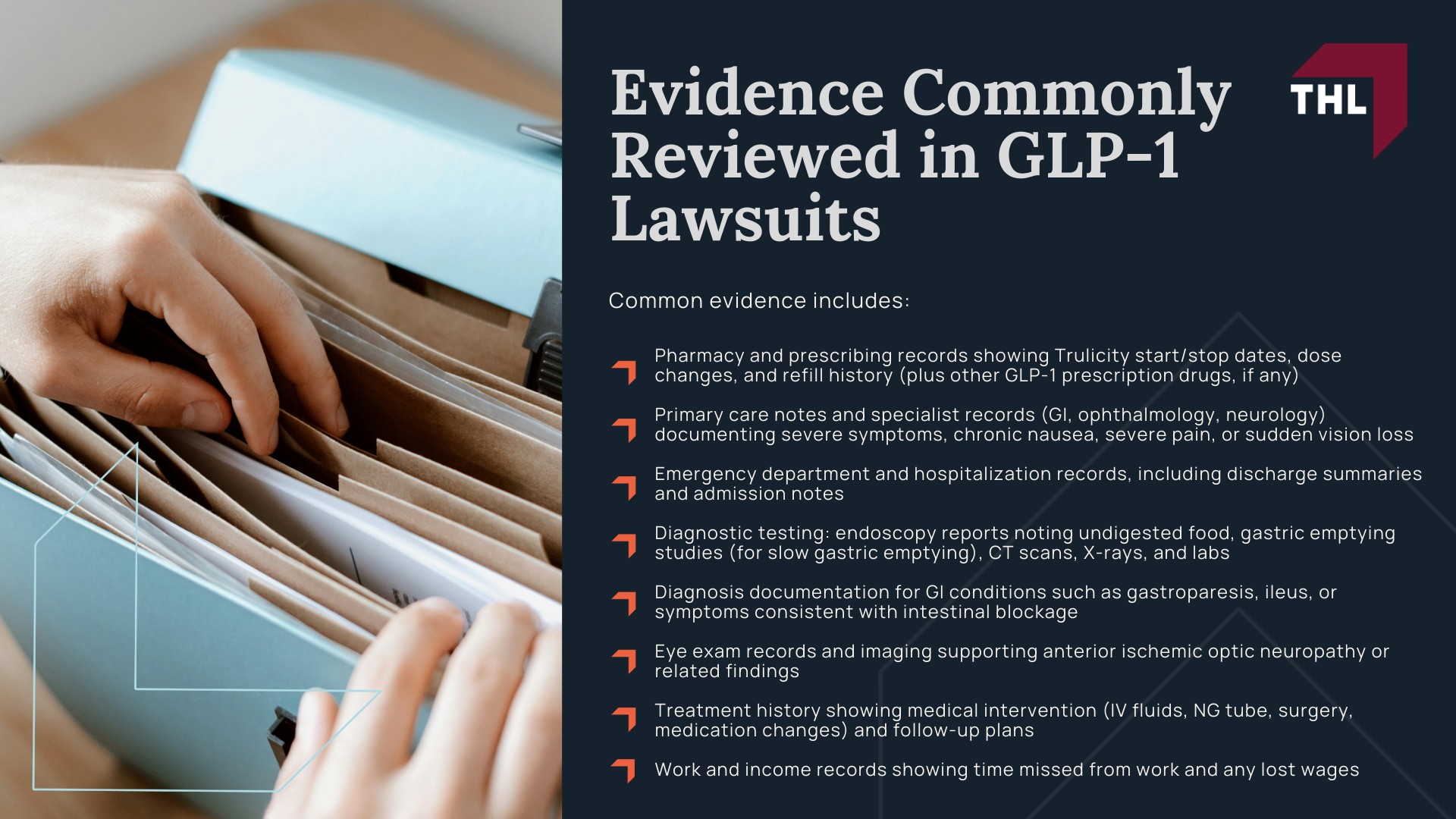
Even within the same projection range, case value can vary widely based on medical timelines, alternative causes, and the completeness of records linking Trulicity use to the alleged complication.
Other Drugs and Manufacturers Named in the GLP-1 Lawsuits
Over the last several years, GLP-1 prescriptions have surged because these drugs are widely discussed not only for diabetes control but also for weight loss and long-term chronic weight management, including use patterns that expanded public awareness and demand.
As more patients started these therapies, more people also reported severe gastrointestinal symptoms, prompting closer scrutiny from clinicians, regulators, and plaintiffs’ attorneys.
Many complaints describe symptoms that go beyond expected transient nausea—such as recurring vomiting, delayed gastric emptying, and episodes of severe stomach pain—which is part of why this litigation is unfolding as a coordinated proceeding.
Some complaints also include eye-related allegations, including non arteritic anterior ischemic optic neuropathy claims and, in some reports, references to arteritic anterior ischemic optic events, which involve compromised blood flow to structures in the eye.
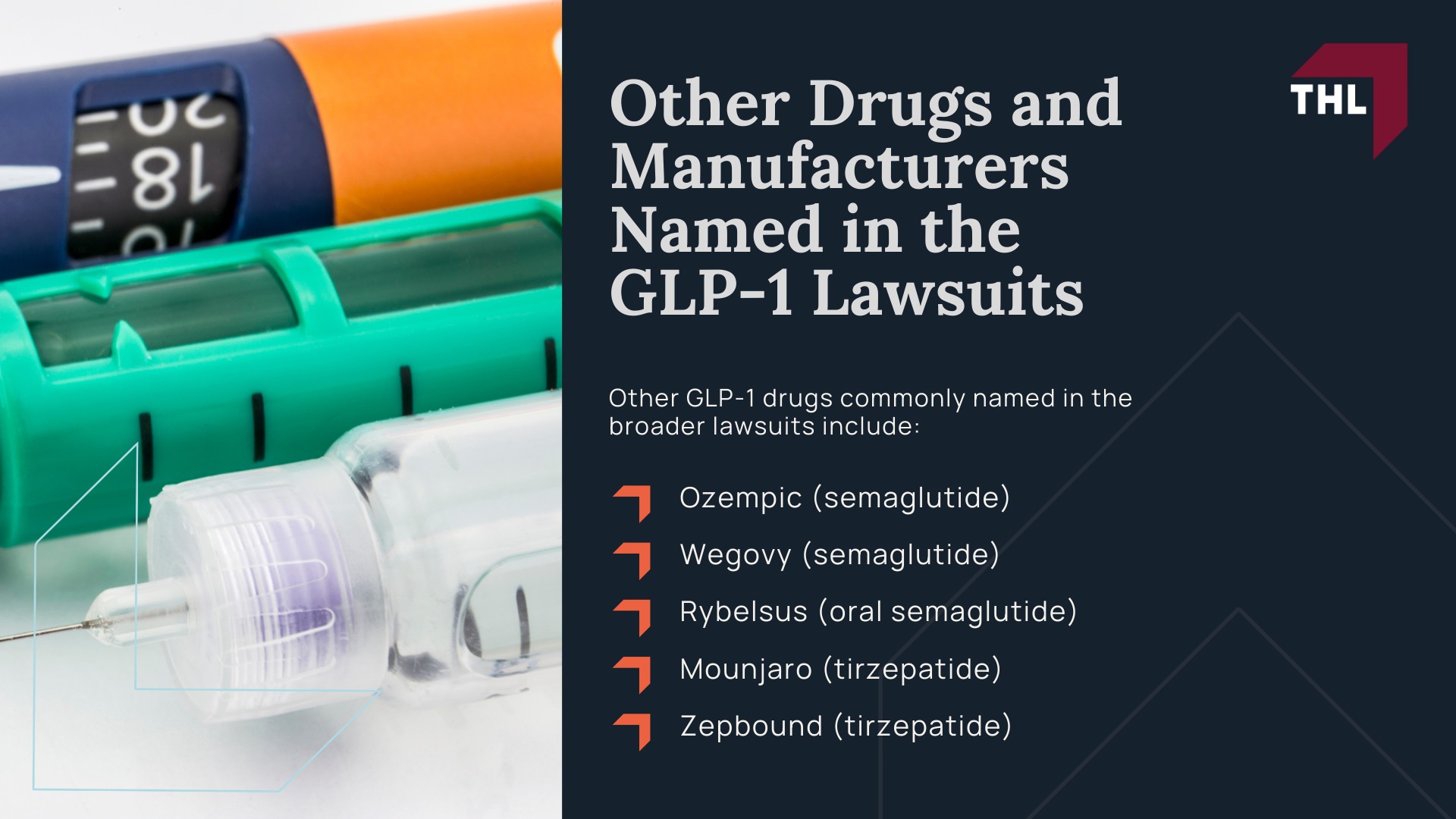
Other GLP-1 drugs commonly named in the broader lawsuits include: