Active Litigation
Ozempic Lawsuit Facts
TorHoerman Law is actively accepting claims for the Ozempic Lawsuit.


Saxenda is a prescription GLP-1 receptor agonist containing liraglutide and manufactured by Novo Nordisk, approved for chronic weight management in adults seeking to lose weight under medical supervision.
Unlike GLP-1 drugs prescribed primarily for diabetes, Saxenda’s labeled use focuses on weight loss, though it works through the same biological pathways that affect digestion and appetite regulation.
By design, the medication slows how the stomach muscles move food through the digestive tract, a mechanism that plaintiffs allege may contribute to serious gastrointestinal injuries in some patients.
Lawsuits claim that this effect can progress beyond temporary appetite suppression into severe, persistent conditions such as severe gastroparesis.
Patients bringing claims often describe prolonged vomiting, delayed stomach emptying, and worsening stomach pain that required emergency care, hospitalization, or long-term treatment.
Some Saxenda filings also raise allegations involving vision loss, which are being addressed in separate vision loss lawsuits related to GLP-1 medications.
These claims involve different medical and scientific questions and are proceeding on their own track in federal court.
Gastrointestinal injury cases involving Saxenda are coordinated with other GLP-1 claims through multidistrict litigation, a procedural structure that allows a single federal court to manage shared factual and expert issues while preserving individual cases.
The litigation does not assume that every patient experienced the same outcome, but instead evaluates each claim based on medical records, timelines, and diagnostic findings.
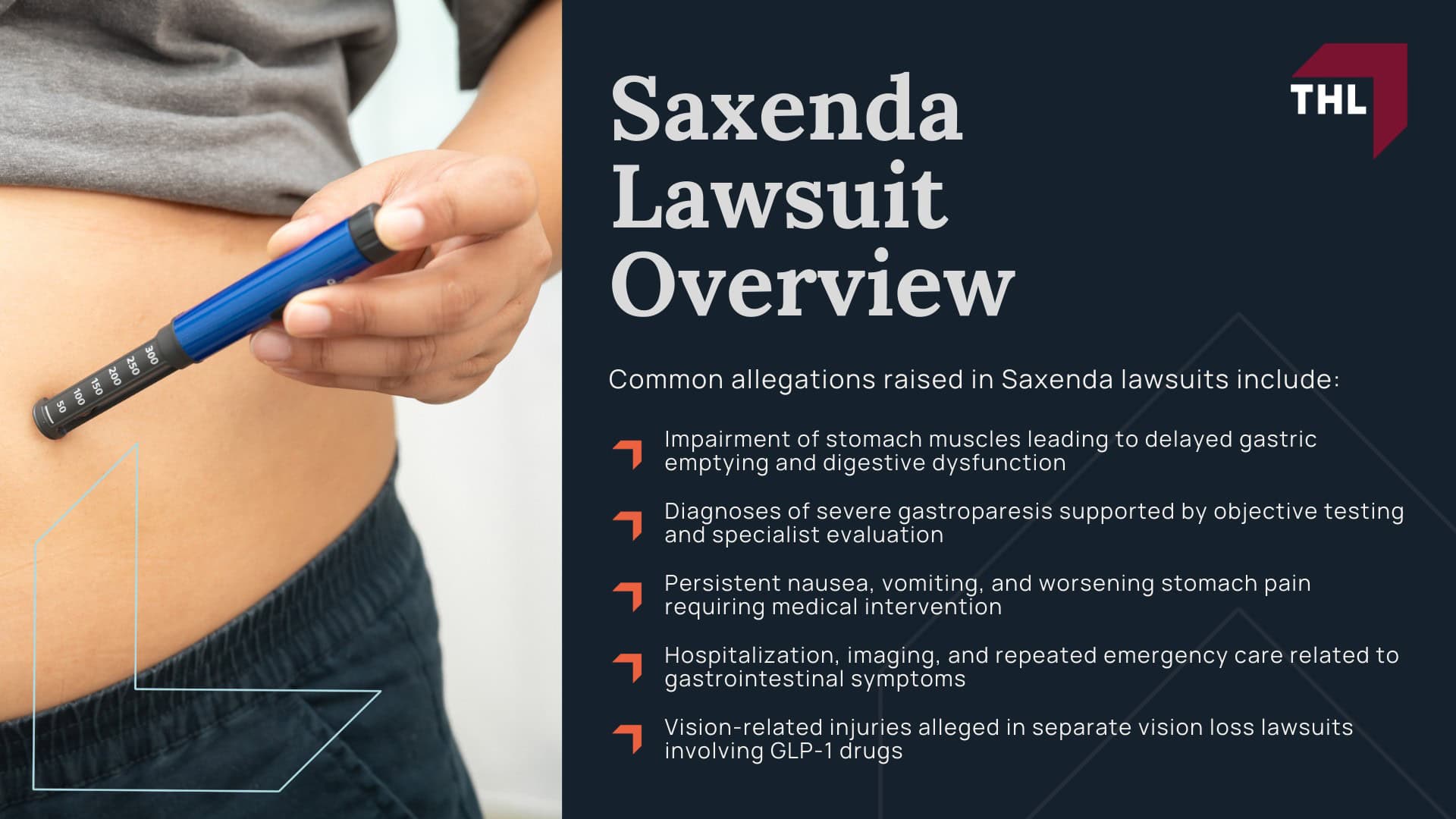
Common allegations raised in Saxenda lawsuits include:
Together, these allegations place Saxenda within the broader GLP-1 litigation focused on whether manufacturers adequately disclosed the potential risks associated with long-term use of these medications.
GLP-1 drugs have seen rapid growth in use for both diabetes care and weight loss medications, with increased prescribing fueling broader attention to reported adverse outcomes.
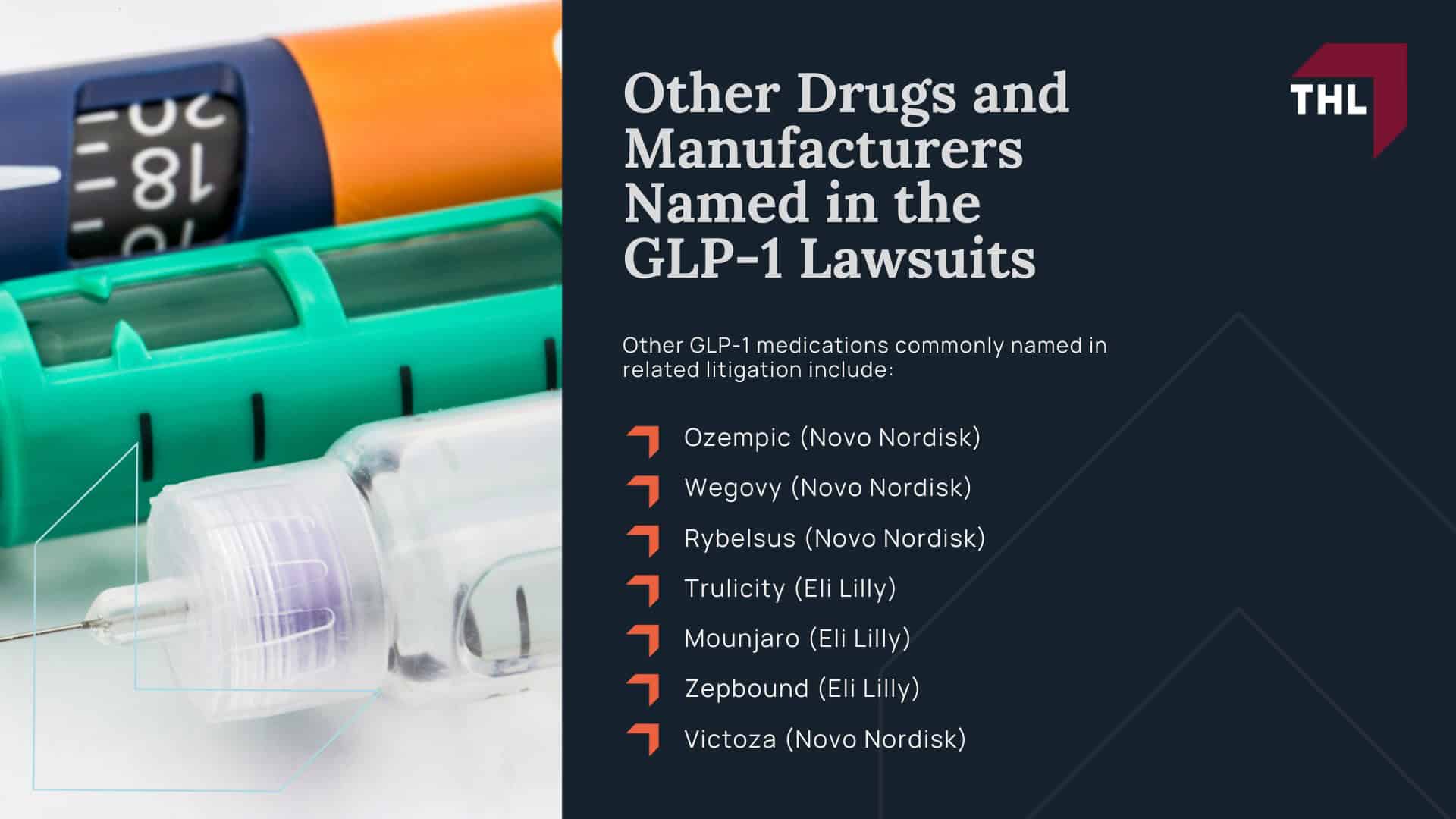
Other GLP-1 medications commonly named in related litigation include:
As GLP-1 medications expanded from diabetes care into chronic weight management, reports of severe complications drew increased attention from clinicians, researchers, and regulators.
Although clinical trials are designed to evaluate safety and efficacy before approval, they do not always capture the full range of adverse outcomes that may emerge after widespread use.
In the current litigation, plaintiffs allege that post-marketing data and emerging literature reflect risks that were more serious than many patients expected when starting treatment.
Some argue that labeling and risk disclosures did not adequately inform patients about the potential for severe gastrointestinal injuries or vision-related complications.
Regulators, including the European Medicines Agency, have reviewed safety signals involving GLP-1 drugs, adding to broader scrutiny of these medications.
In some studies and reports cited in public discussion, certain adverse outcomes have been described as statistically significant, though the litigation remains focused on whether those signals should have translated into clearer warnings to patients and prescribing providers.
Lawsuits involving GLP-1 medications frequently center on allegations that some patients developed serious gastrointestinal disorders after using these drugs as prescribed.
Plaintiffs contend that the same mechanisms intended to slow digestion and regulate appetite may, in certain cases, impair normal gastrointestinal motility.
These claims focus on conditions that extend beyond temporary nausea or appetite changes and instead involve persistent, medically documented complications.
In many filings, patients describe symptoms that progressed despite discontinuation of the drug and required repeated evaluation or hospitalization.
The litigation examines whether these outcomes were foreseeable and whether the risks were adequately disclosed before widespread use.
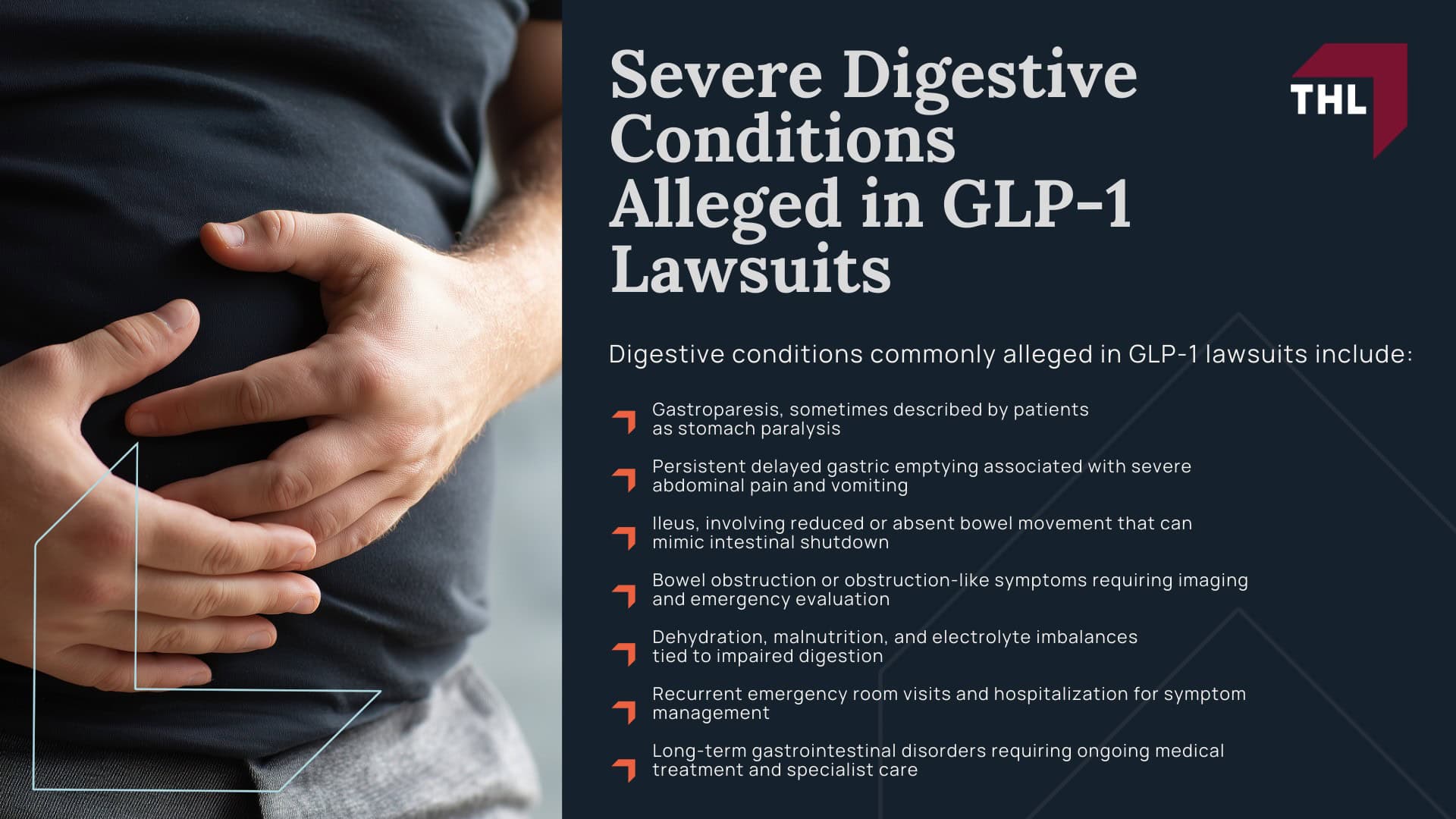
Digestive conditions commonly alleged in GLP-1 lawsuits include:
Each claim is evaluated individually based on medical records, diagnostic testing, and the documented course of treatment following symptom onset.
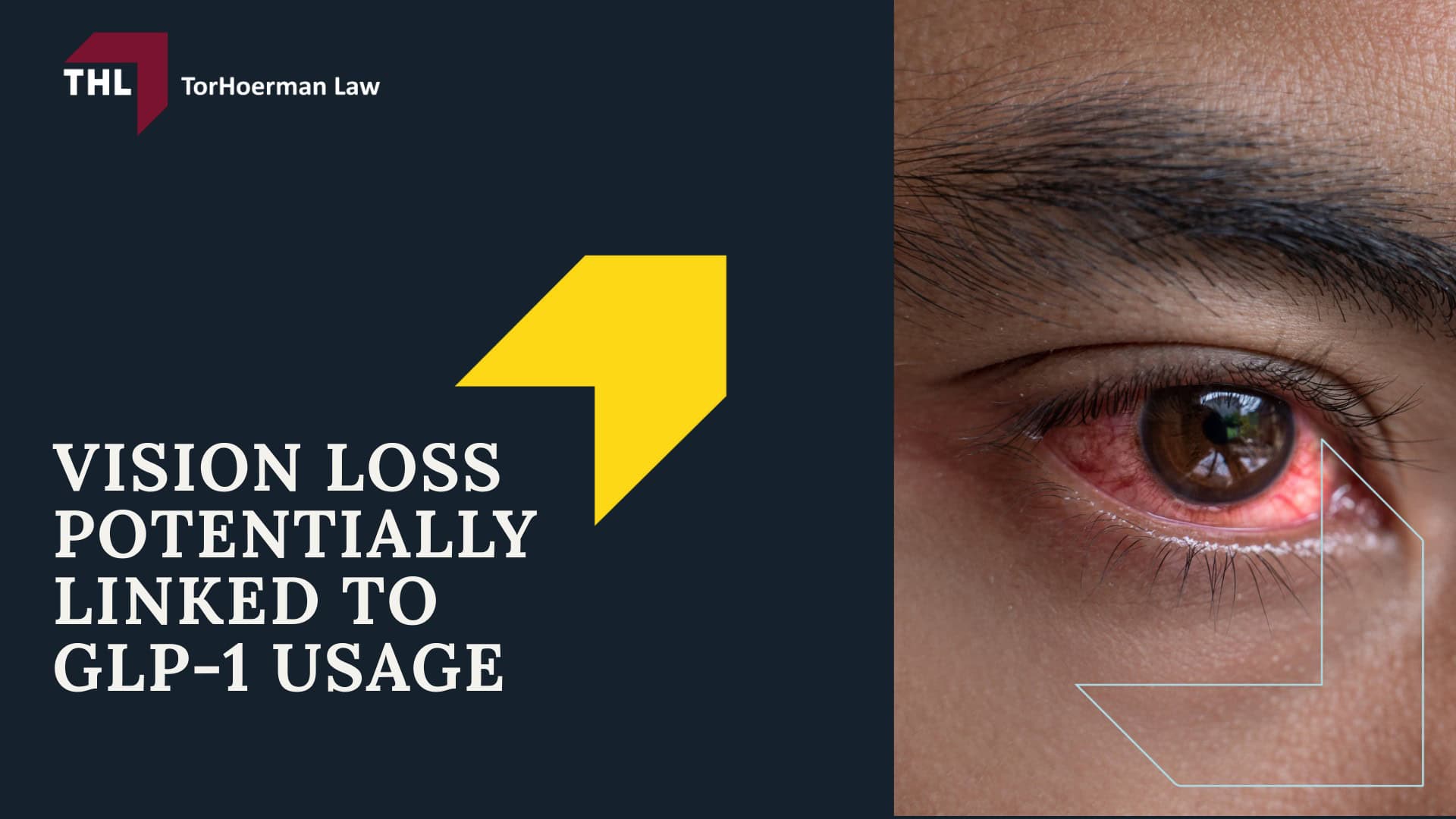
Some reported cases and related filings allege an association between GLP-1 medications and anterior ischemic optic neuropathy, most often described in this litigation as non-arteritic anterior ischemic optic neuropathy (NAION).
NAION is an injury involving reduced blood supply to the optic nerve; it can present as sudden, painless vision loss or a shadow/curtain effect in one eye, and it is often treated as an emergency evaluation because prompt assessment can help rule out other dangerous causes.
Vision loss may occur suddenly, and it may not be reversible in all cases (especially when optic nerve tissue has been damaged) so the alleged harm is frequently described as potentially permanent.
These allegations appear in the public conversation around ozempic litigation and “FDA approved Ozempic” use, but the claims remain unproven and are being tested through the court process.
Ozempic vision loss lawsuits are proceeding separately from gastrointestinal claims: a distinct NAION MDL has been established in the Eastern District of Pennsylvania by the Judicial Panel on Multidistrict Litigation (JPML), apart from the gastroparesis claims.
That separation reflects the court system’s view that the vision-loss allegations raise overlapping questions suited for centralized handling, while remaining a different injury track from the GI cases.
If you used Saxenda and later developed severe gastrointestinal complications or vision-related injuries, you may be eligible for a legal review as part of the broader GLP-1 legal process.
Saxenda is a liraglutide-based medication in the same class as other GLP-1 drugs that have been named in litigation, and many of the allegations raised against these products overlap.
Lawsuits involving Ozempic and other GLP-1 drugs often involve claims that patients experienced serious motility disorders, including delayed gastric emptying, gastroparesis, or symptoms described in public filings as stomach paralysis.
For that reason, Saxenda cases are often discussed alongside Ozempic stomach paralysis lawsuits, even though each claim must be evaluated on its own medical facts.
Most Saxenda cases focus on documented injuries that required significant treatment, such as repeat emergency room visits, hospitalization, diagnostic imaging, or specialist evaluation.
Qualification typically depends on whether your medical records show a diagnosed gastrointestinal disorder such as gastroparesis, ileus, bowel obstruction-like symptoms, or another serious complication consistent with the allegations being litigated.
Vision claims may also qualify when ophthalmology records document sudden vision loss or optic nerve injury.
Timing matters, and attorneys often assess when symptoms began relative to Saxenda use, whether symptoms persisted after discontinuation, and whether alternative causes were identified.
If you believe your health problems may be related to Saxenda, the first step is to gather medical records, including prescription history, diagnostic testing, and documentation of emergency treatment or follow-up care.
A review based on objective records is often necessary to determine whether the facts of your case align with the claims being addressed in the current litigation.
Documentation is critical in Saxenda and Ozempic lawsuits because the claim depends on timelines, diagnostic confirmation, and treatment intensity, not self-reported symptoms like occasional belly pain.
Attorneys look for proof that the patient’s symptoms progressed into serious gastrointestinal issues, supported by testing and specialist evaluations, and that care escalated to ER visits, hospitalization, or other medical intervention.
This evidence also helps address alternative explanations and risk factors, which can be especially important when a patient has diabetes or other conditions affecting blood sugar control.
Consistent records are often essential for evaluating case strength and how a claim fits within the broader track of Ozempic cases and related filings (including Ozempic gastroparesis lawsuits).
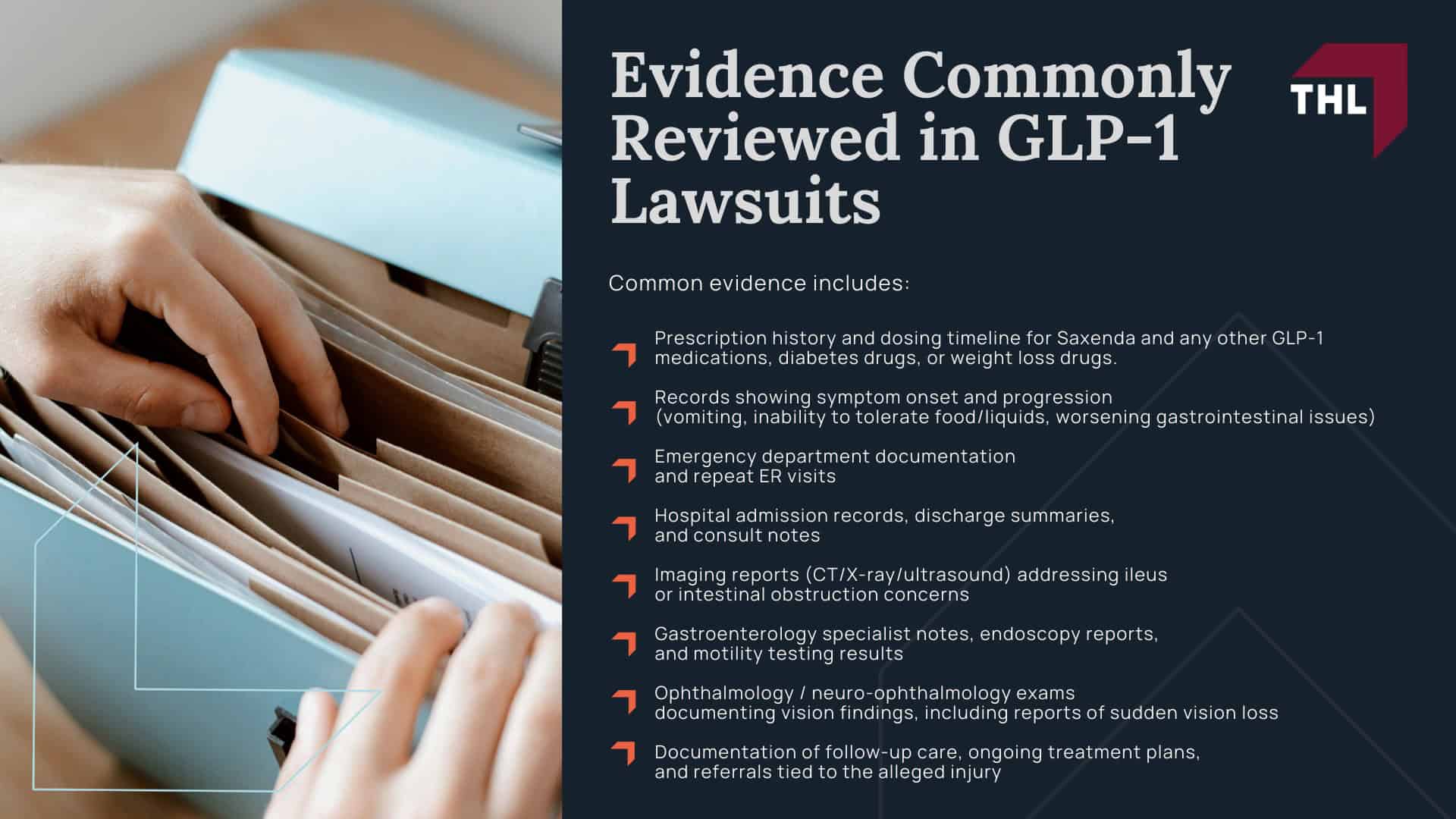
Common evidence includes:
In pharmaceutical injury cases, “damages” refers to the losses a person claims resulted from the alleged harm: financial, physical, and day-to-day functional impact.
Lawyers assess damages by reviewing medical bills, treatment needs, prognosis, and how symptoms affected work and normal life activities.
In GI cases, damages may reflect the intensity of care needed for severe motility disorders and related complications, especially when the patient required hospitalization or ongoing specialty care.
In vision cases, damages often focus on functional limitations and whether the injury caused lasting impairment, including vision loss that affects work, driving, or independence.
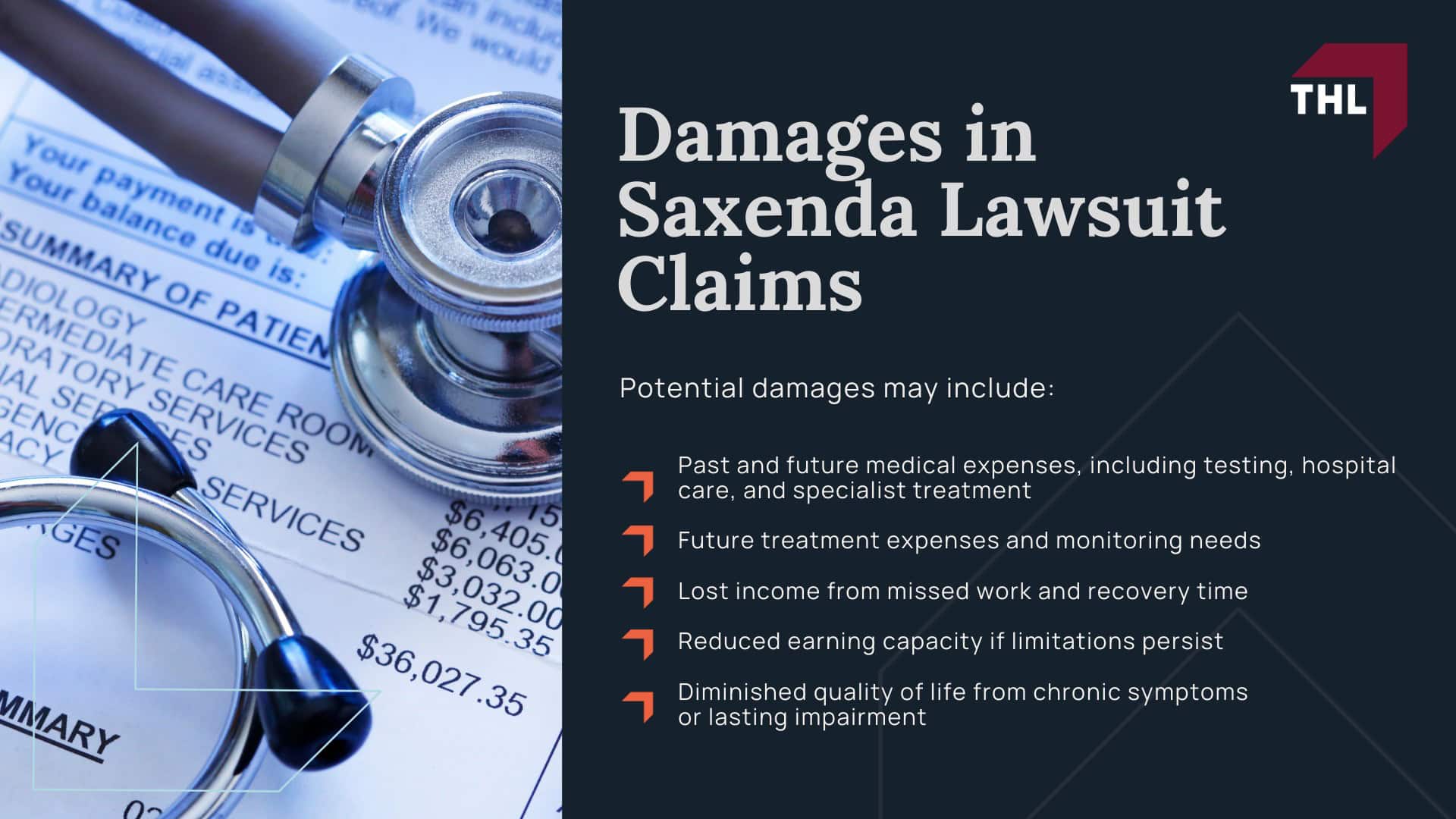
Potential damages may include:
TorHoerman Law is reviewing claims involving alleged GLP-1-related gastrointestinal injuries and vision-loss allegations, including cases involving Saxenda and other GLP-1 medications.
Our process starts with gathering and organizing the records that matter, medication history, symptom timeline, diagnostic results, and documentation of care escalation, so your claim can be evaluated on evidence.
We look for objective confirmation of the injury, the intensity of treatment required, and the presence of case-specific risk factors that may affect causation analysis.

If you believe you experienced serious GI complications or vision changes after using Saxenda, we can explain the next steps and whether your documentation supports moving forward.
Contact TorHoerman Law today for a free consultation.
Use the chat feature on this page to find out if you qualify for the Saxenda lawsuit.


