The rapid sports betting boom has fueled widespread adoption of online betting platforms like ESPN Bet, giving millions of users the ability to place bets anytime with just a few taps.
While ESPN Bet itself is not currently named as a defendant in active litigation, its features reflect the industry-wide concerns driving investigations into how mobile sportsbooks may promote compulsive gambling.
The American Gaming Association acknowledges that the shift from in-person wagering to mobile apps has dramatically changed gambling habits, making it easier for vulnerable users to fall into repetitive and escalating betting cycles.
Many individuals report draining their bank accounts, experiencing severe gambling losses, and feeling unable to stop even as the financial and emotional consequences worsened.
Critics argue that promotions labeled as “risk-free” or otherwise low-risk often encouraged users to wager more than they intended, contributing to a pattern of dependency and loss.
As reports continue to surface, experts warn that the combination of constant access, rapid-fire wagering, and aggressive bonuses can foster addictive behavior and intensify underlying vulnerabilities.
Some users say they suffered financial losses far beyond their means, while others describe significant mental health struggles tied to their betting behavior.
Families have raised concerns about emotional harm, relationship strain, and the deception they believe was created by deceptive marketing or deceptive promotions.
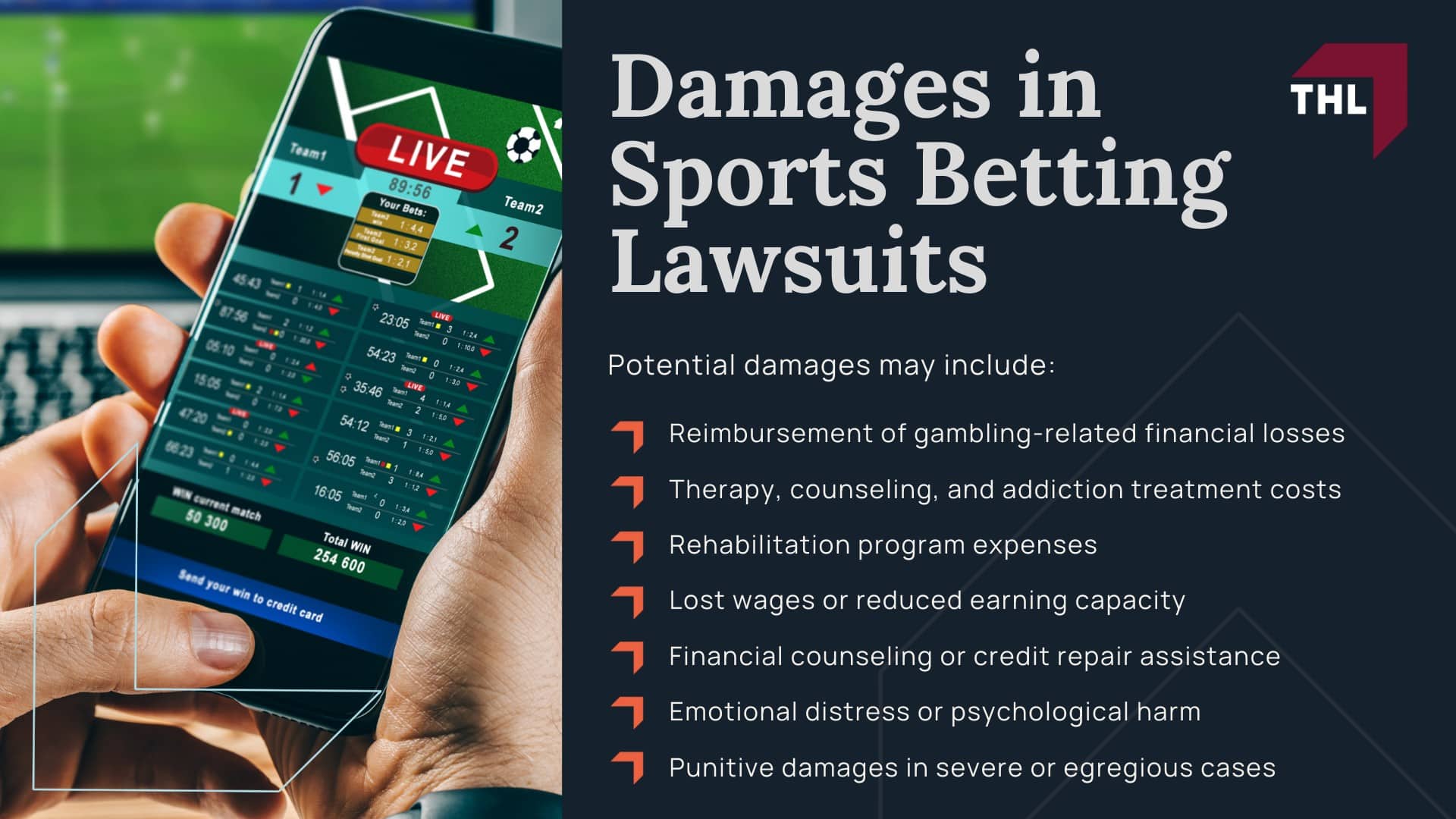
ESPN Bet is often cited as one example of how major platforms structure their incentives, notifications, and interface design in ways that may increase financial risk for susceptible users.
These concerns form the basis of the broader gambling addiction investigation, which evaluates whether online sportsbooks adequately protect consumers from harmful betting patterns.
Mental health issues linked to gambling addiction include:
- Depression
- Anxiety
- Suicidal thoughts or self-harm
- Insomnia and chronic stress
- Substance use disorders
- Panic attacks
- Social withdrawal
- Impulse-control disorders
Gambling addiction often evolves gradually, making it hard for individuals to recognize the severity of their behavior until significant harm has already occurred.
Many users describe feeling trapped in a cycle of losses, promotions, and escalating wagers, especially when online sportsbooks made stopping exceedingly difficult.
Others report that their self-worth, relationships, and financial stability deteriorated as gambling became a primary coping mechanism.
These experiences reflect the mounting public health concerns surrounding modern sports betting platforms.
As the investigation continues, TorHoerman Law is reviewing claims from individuals who believe they were harmed by the structure, promotions, and addictiveness of platforms like ESPN Bet.
What Is Being Alleged Against Major Gambling Companies?
As attorneys and consumer advocates continue investigating claims involving online sportsbooks, a growing pattern of alleged misconduct has emerged across the industry.
Many users say that online apps designed for sports betting encouraged continuous engagement through real-time odds, push notifications, and aggressive promotional tactics that made it difficult to stop gambling.
Critics argue that these systems created an elevated addiction risk, especially for individuals who were already vulnerable to gambling problems or financial instability.
Some reports describe users being drawn into high-risk wagers after initially making small bets, only to lose money quickly and repeatedly.
These allegations are not directed at one company alone.
They represent industry-wide concerns about inadequate protections and the need to hold gambling companies accountable for potentially harmful design choices.
Common allegations against major gambling companies include:
- Using deceptive practices or misleading advertising to encourage more frequent betting
- Promoting “bonus bets,” “risk-free” wagers, or similar offers that resulted in real financial loss
- Designing apps with reward loops and notifications that increase compulsive use
- Allowing users to escalate into high-risk wagers with minimal friction or safeguards
- Failing to provide effective responsible gaming tools for people trying to stop gambling
- Ignoring warning signs of addiction or escalating losses among vulnerable users