Active Litigation
Gambling Addiction Lawsuit Facts
TorHoerman Law is actively accepting claims for the Gambling Addiction Lawsuit.

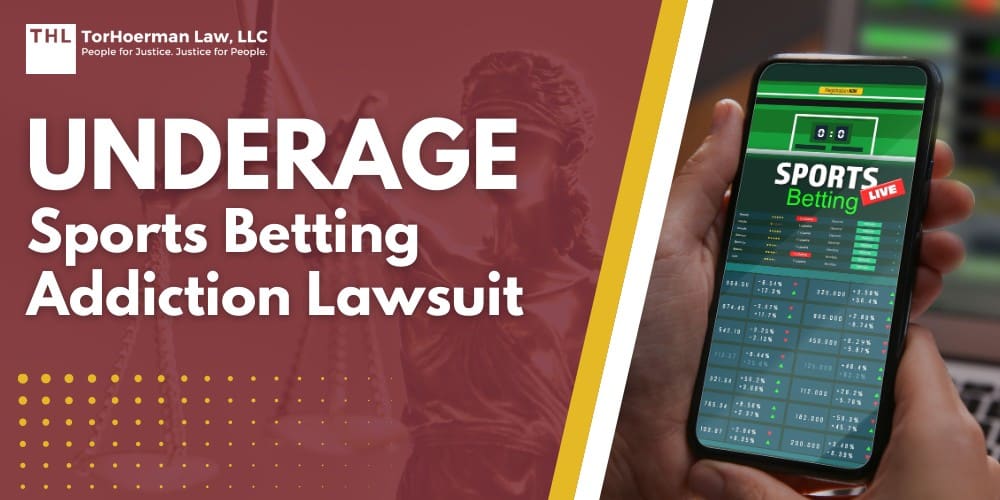
A potential claim usually starts with a straightforward question: did a minor access underage sports betting through online sports betting or other forms of online gambling in a way that should have been prevented, and did that access contribute to escalating harm?
Families often notice patterns consistent with compulsive gambling, including repeated deposits, chasing losses, secrecy, and constant checking of odds that begins to control daily routines.
Because legalized sports betting and mobile sports betting have made wagering available 24/7, the risk increases when a platform’s safeguards fail and a minor can keep betting without meaningful interruption.
A formal diagnosis is not always required to raise legal concerns, but evidence showing gambling addiction or online gambling addiction symptoms can strengthen an evaluation.
These addiction lawsuits often examine whether responsible gambling tools existed and whether they were effective in practice, such as meaningful age verification, deposit limits, play-time limits, cooling-off features, or self-exclusion systems.
If a child was able to sign up, fund an account, and repeatedly place wagers through sports betting platforms or betting platforms, that’s a key fact for an intake review.
Online gambling addiction lawyers may also look at whether the platform’s design and promotions made compulsive use more likely once the account was active.
If your family has account records showing underage access and escalating losses, it may be worth reaching out to an experienced lawyer for a free case review to understand your legal options.
Evidence is the foundation of an underage online sports betting case.
The goal is to preserve records that show access, escalation, and harm, before accounts change, devices are replaced, or data becomes harder to retrieve.
Strong documentation can support an online gambling addiction case by showing not only that underage sports betting occurred, but how frequently wagers were placed, how the account was funded, and whether responsible gambling tools failed to prevent harm.
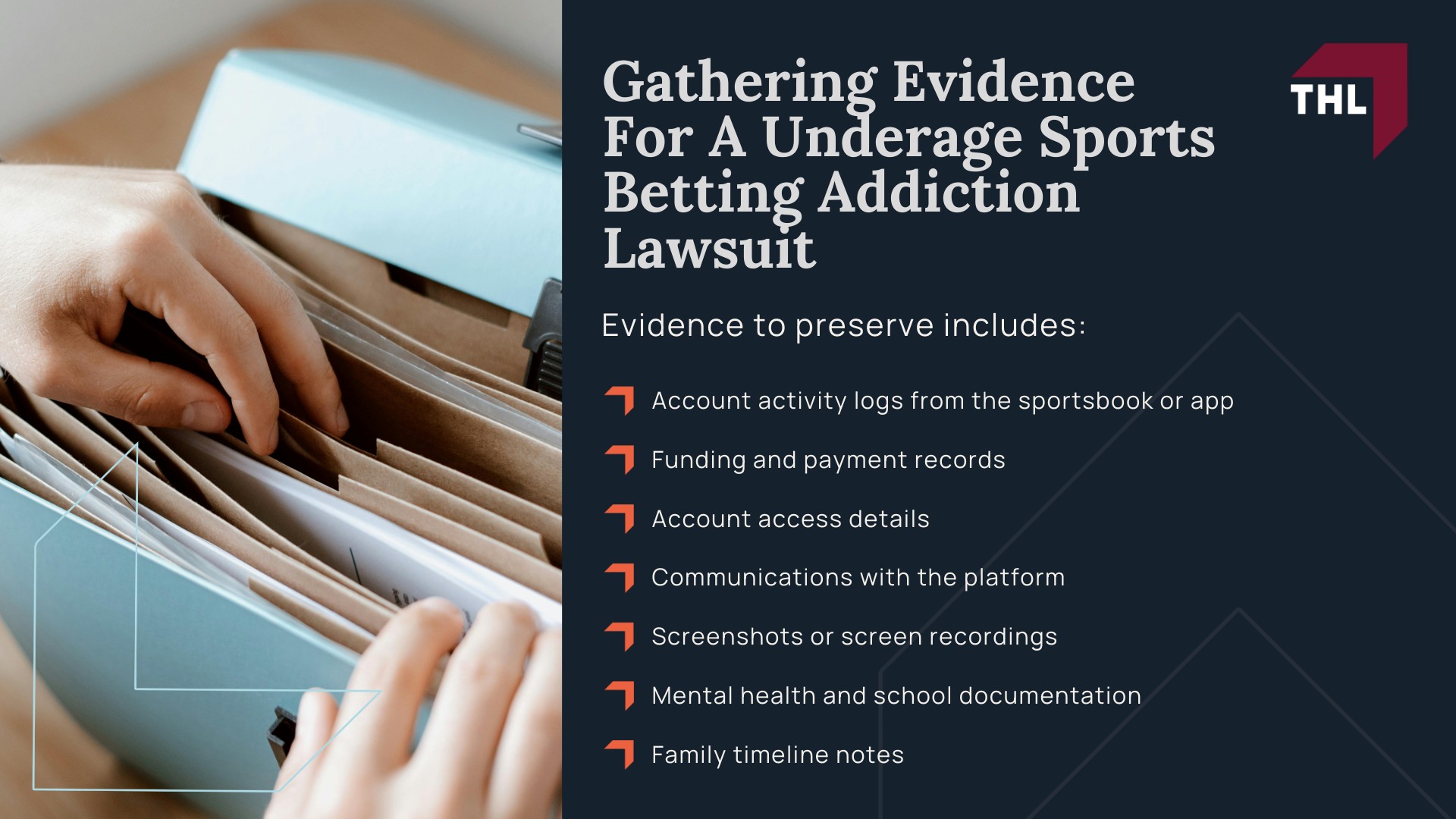
Evidence to preserve includes:
This evidence helps online gambling addiction lawyers evaluate whether the facts support a claim and whether the pattern aligns with what is alleged in other addiction lawsuits involving online sportsbooks and sports gambling apps.
Sports betting-related gambling problems are not rare, and U.S. estimates consistently suggest millions of adults meet criteria associated with problem gambling, not just casual “recreation.”
The shift to online sportsbooks and mobile wagering has made sports betting easier to access, making it possible for users to place bets anytime and anywhere, which can accelerate risky behavior once someone starts chasing wins or losses.
Research also links the legalization and expansion of online gambling to larger increases in irresponsible gambling among lower-income consumers, who often have less financial cushion to absorb losses tied to sports betting.
Young males (especially those in the 18–35 range) are repeatedly identified as a higher-risk group for developing gambling problems, and the sports betting market continues to grow in ways that reach both adults and youth.
Teenagers are particularly vulnerable because of ongoing brain development and the normalization of sports betting in sports media, broadcasts, and social feeds, and research commonly estimates 3%–8% of adolescents have a serious gambling problem, often higher than adult rates reported in the same discussions.
Starting early matters, too: youth-focused prevention resources and research emphasize that early exposure can increase later risk, including concerns around sports betting and even lottery products like scratch-offs as normalized entry points for minors.
When underage access leads to escalation, the consequences can include debt, academic decline, legal trouble, and serious mental health strain, which is exactly why documentation and early intervention are so important in these cases.
Sports betting can strongly stimulate the brain’s reward pathways, and that reinforcement can happen even when a person loses, which helps explain why some teens keep wagering despite obvious harm.
Many online sportsbooks also use design patterns that support continuous play (fast deposits, rapid bet cycles, and constant prompts to place another bet) making it harder to pause and reassess.
Researchers and public-health authorities warn that these platforms can exploit cognitive biases (like chasing losses and overvaluing near-misses), which can push sports betting behavior toward compulsion.
Clinically, gambling disorder is associated with patterns that resemble addiction (cravings, difficulty stopping, and escalation over time) especially when sports betting is always available through a phone and a frictionless deposit process.
The mental health fallout can be severe, with well-documented associations between gambling disorder and depression, anxiety, and suicidality, particularly when shame and financial pressure stack up.
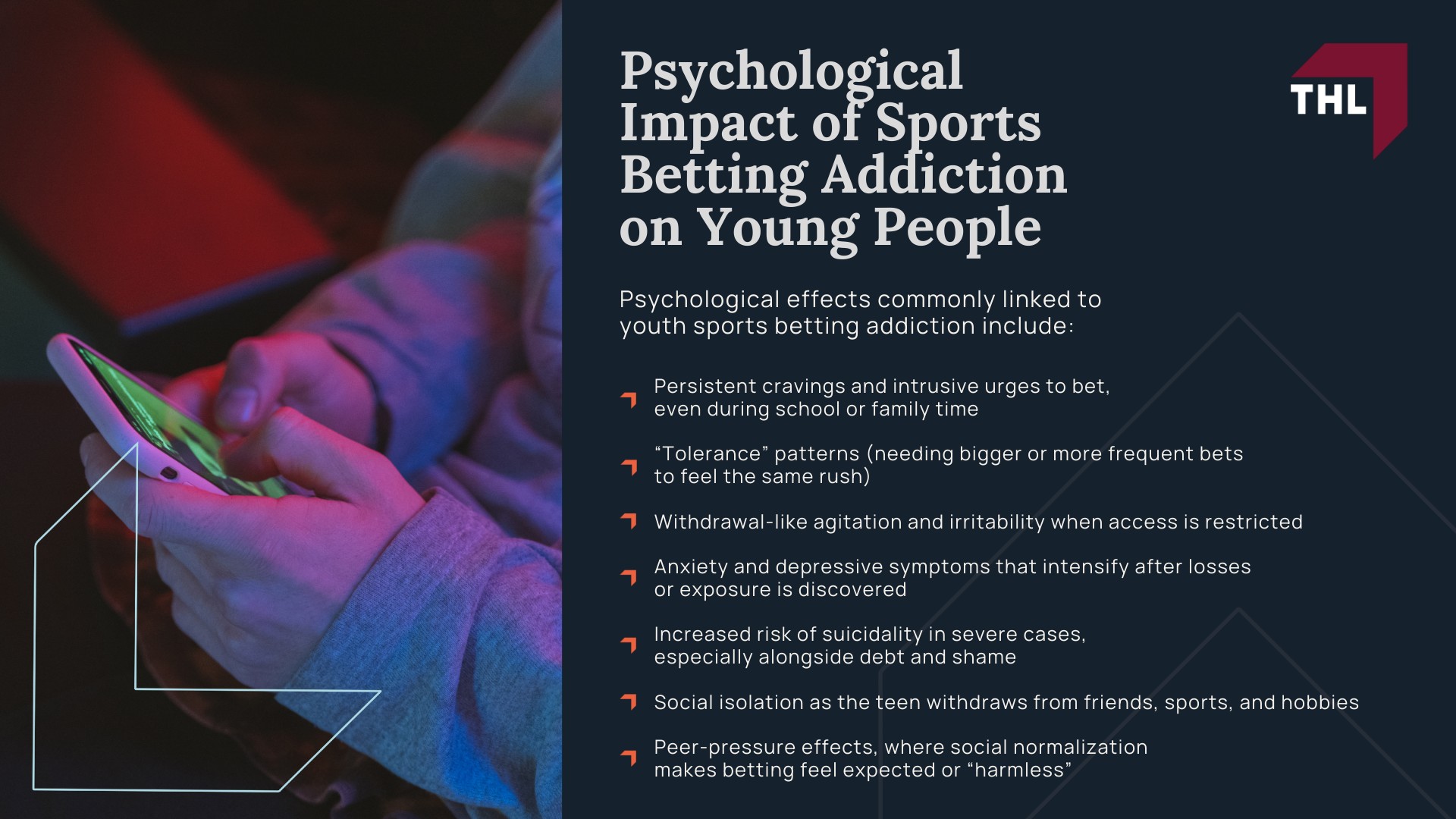
Psychological effects commonly linked to youth sports betting addiction include:
For lawsuit content, these points matter because they help explain why underage sports betting can escalate quickly and why “just stop” often isn’t realistic once the cycle is established.
They also help connect platform access and engagement features to real-world harms in a way that can be documented through records and timelines.
Investigations into underage sports betting addiction are active.
As the sports betting boom accelerated, sports betting apps and other online betting platforms competed aggressively for market share, and many families now question whether that competition came at the expense of meaningful safeguards for minors.
These investigations examine whether a gambling company or online gambling company used deceptive promotions (including “risk free” style offers) or other engagement tactics that made repeated wagering feel safe, normal, or inevitable.
Legal claims may be pursued under consumer protection laws (such as unfair or misleading practices) and, depending on the facts, through personal injury claims tied to measurable harm and foreseeable risk.
A core issue in gambling addiction claims is whether apps were designed to promote compulsive betting, especially once a user is inside the system and receiving constant prompts, bonuses, and retention messages.
In practice, underage cases focus on whether minors could access accounts, deposit funds, and wager repeatedly through betting apps or gambling apps despite age restrictions.
Families may also raise concerns about how major brands market to sports fans and how those messages can reach youth through digital channels.
When minors developed gambling addictions, the question becomes whether the platform’s safeguards were meaningful, and whether the company’s choices contributed to financial harm, emotional harm, and escalating risk.
Underage sports betting addiction is not simply poor judgment.
It can mirror patterns associated with problem gambling and, in clinical settings, may align with criteria for gambling disorder.
Many families describe a cycle of compulsive betting that grows quickly: chasing losses, hiding activity, repeated deposits, and an inability to stop despite consequences.
Because sports wagering is embedded in real-time games and constant odds updates, the reward loop can become intense, especially for adolescents who are more vulnerable to impulsive decision-making and reinforcement patterns.
The mental health impact is often intertwined with the financial damage.
Financial losses can create panic, shame, and isolation, while the constant up-and-down of wins and losses can fuel anxiety, depression, irritability, and sleep disruption.
Families also report that betting can displace school, relationships, and hobbies, creating long-term emotional strain even after the gambling stops.
When the activity expands beyond sports into casino games inside the same ecosystem, the frequency and intensity can escalate further, deepening the emotional harm and making recovery more difficult.
Treatment is available, and many young people recover with early intervention, the right clinical support, and strong boundaries around access to gambling apps and sports betting apps.
Effective care usually focuses on stabilizing behavior first – stopping access, reducing triggers, and addressing the thoughts and emotions that drive compulsive wagering.
For families exploring legal action, treatment records can also help document the timeline and severity of harm while the focus stays on the child’s health and safety.
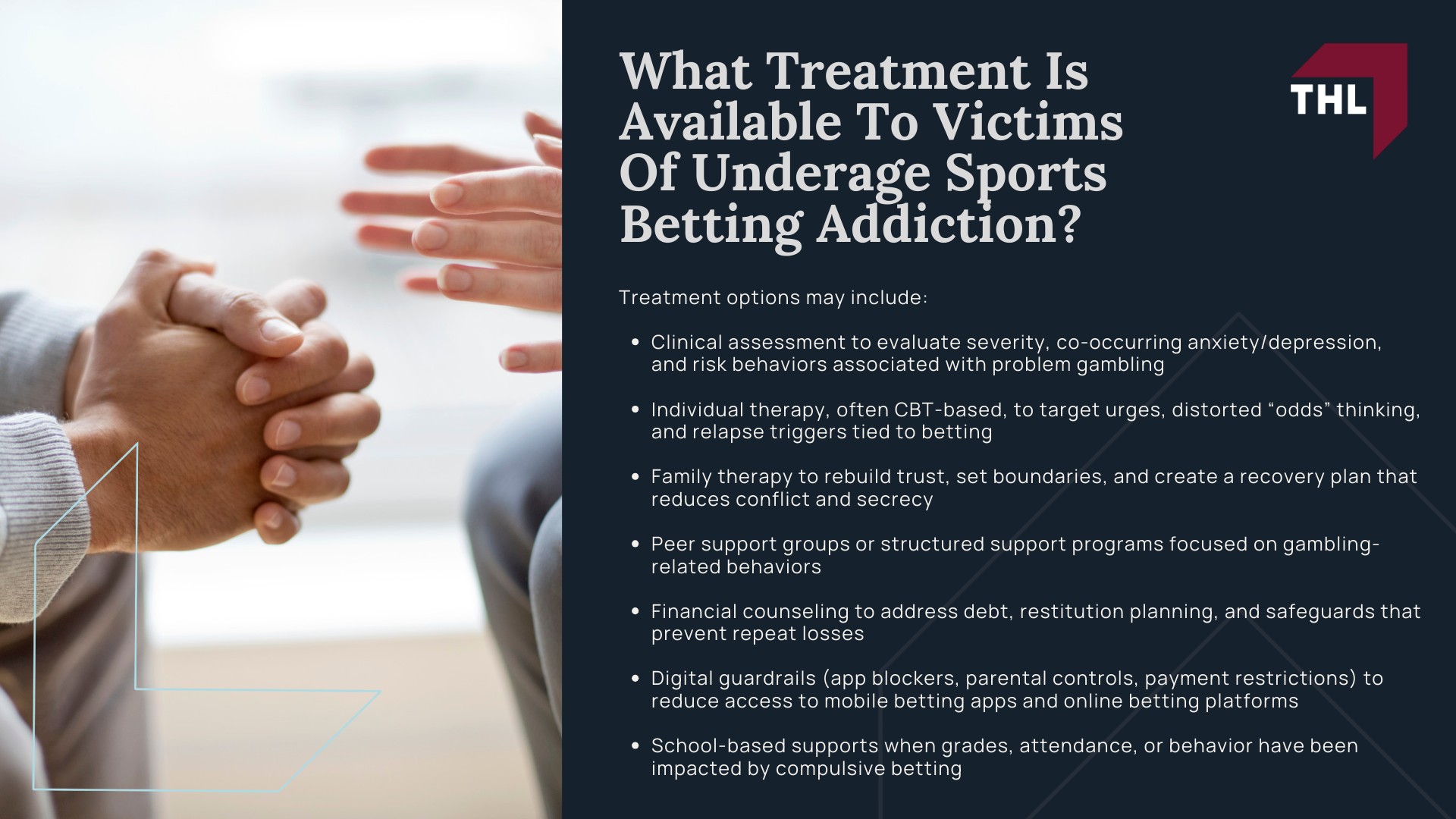
Treatment options may include:
If your family has suffered serious financial harm and emotional disruption tied to underage sports betting, a law firm can help you understand whether you may be able to seek compensation through gambling addiction claims.
TorHoerman Law offers a free case review to evaluate your records, explain your options, and determine whether pursuing accountability against gambling companies is realistic based on the facts.
Potential damages depend on the evidence and the legal framework that applies, including state gambling laws and whether the facts support claims based on unfair and deceptive practices.
In many gambling addiction cases, the focus is documenting the full scope of harm, not just the wager totals, by connecting the betting timeline to financial fallout and real-world consequences.
A careful review may also examine whether targeted promotions and engagement tactics contributed to addictive behavior by encouraging repeated deposits and continuous play.
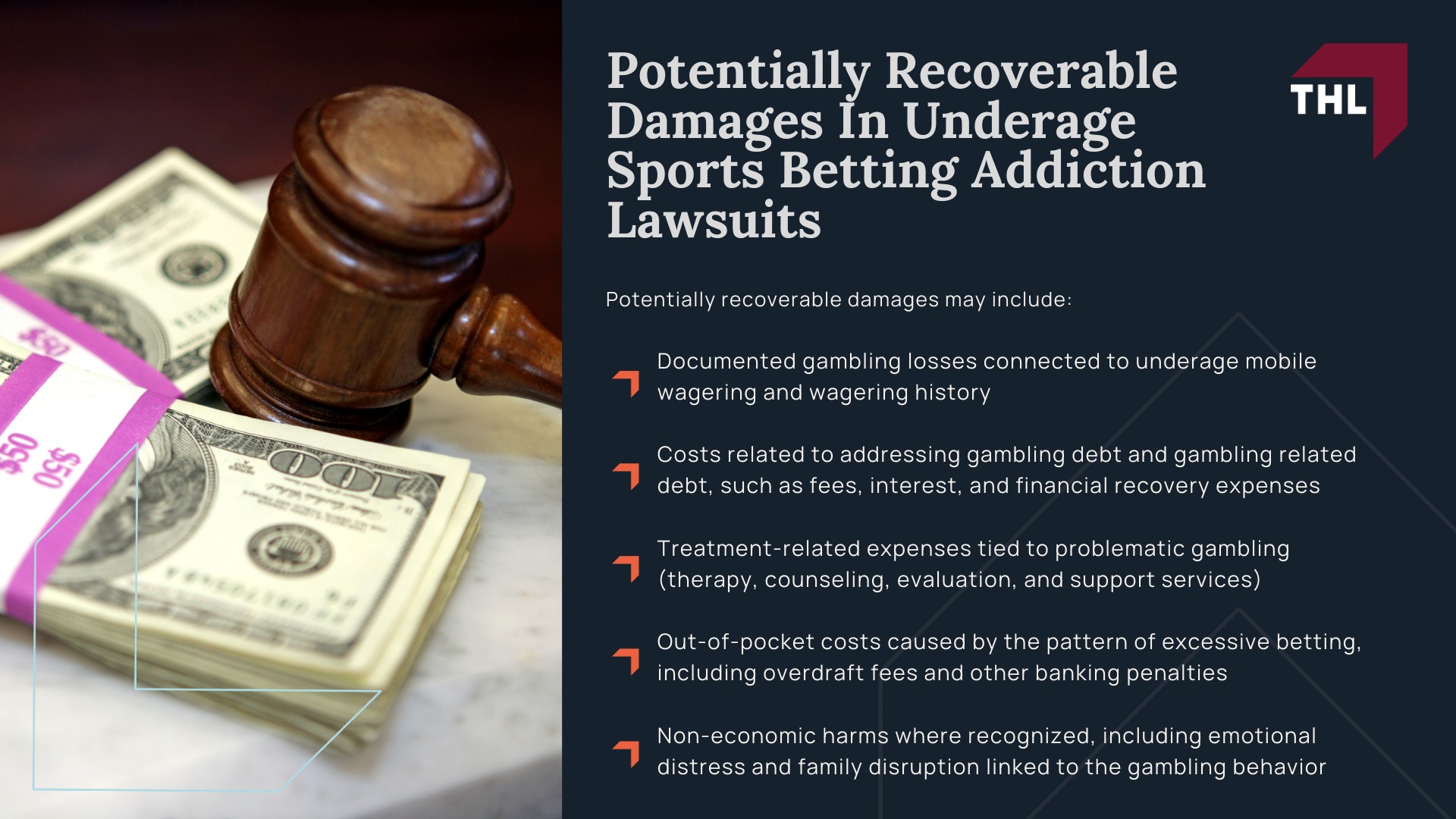
Potentially recoverable damages may include:
These outcomes are fact-specific.
The value of a claim often turns on how clearly the evidence shows access, escalation, and harm, and whether promotions or design features encouraged repeated wagering.
TorHoerman Law is investigating whether certain operators and gambling sites (including ESPN Bet, FanDuel, DraftKings and others) created products that could potentially be accessed by minors, leading to addiction and financial harm.
We offer a free consultation, and we handle qualifying cases on a contingency fee basis, meaning legal fees are paid only if there is a recovery.
If your family is dealing with severe losses and underage gambling behavior tied to sports betting platforms, we can review the evidence and explain whether legal options are available.
Contact TorHoerman Law for a free consultation.
You can also use the chatbot on this page to see if you qualify today.


