Water contamination at Camp Lejeune has been linked to numerous adverse health effects, including several types of cancer.
The water supply at Camp Lejeune was contaminated with volatile organic compounds (VOCs), including industrial solvents and other toxic chemicals.
The toxic chemicals found in the water at Camp Lejeune are known human carcinogens.
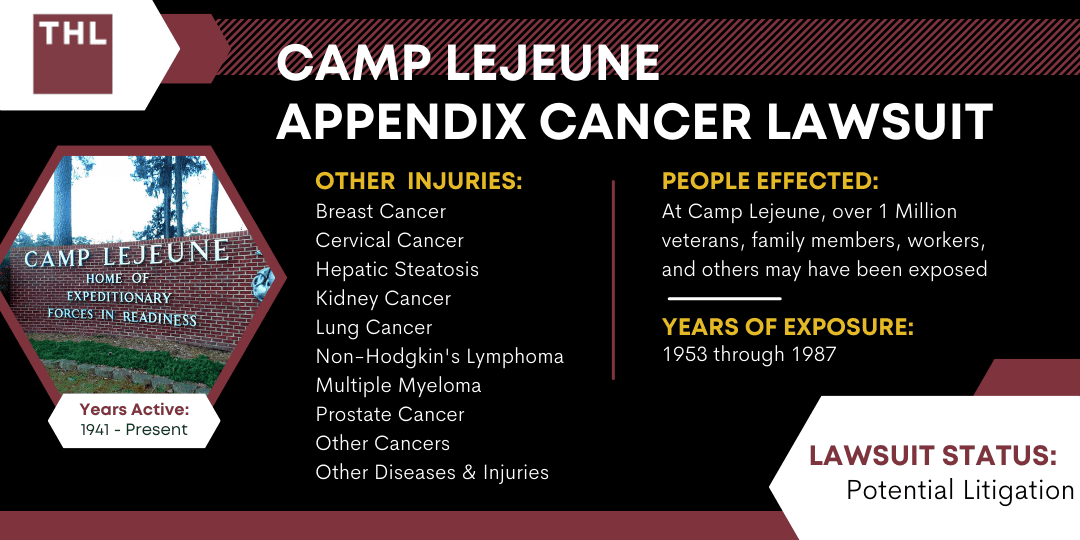
If you or a loved one were exposed to contaminated drinking water at Camp Lejeune between 1953 and 1987 and developed appendix cancer, you may be eligible to file a Camp Lejeune claim.
Contact TorHoerman Law for a free consultation.
You can also use the chatbot on this page to find out if you qualify for the Camp Lejeune Lawsuit instantly.
About Appendix Cancer
Appendix cancer (or appendiceal cancer) is an exceedingly rare form of cancer originating in the appendix, a small pouch-like organ near the junction of the small and large intestines.
While this cancer is considered rare, it’s crucial to understand that rarity does not equate to insignificance.
This form of cancer, albeit uncommon, can be aggressive and challenging to treat.
There are several types of appendix cancer, with the most common being carcinoid tumors.
Carcinoid tumors are slow-growing and often less aggressive than other forms of cancer.
Other types include mucinous adenocarcinoma and non-mucinous adenocarcinoma (further classified into lepidic adenocarcinoma, acinar adenocarcinoma, papillary adenocarcinoma, solid adenocarcinoma, and micropapillary adenocarcinoma), both of which tend to be more aggressive and carry a poorer prognosis.
Appendix Cancer and Camp Lejeune Water Contamination
Appendix cancer is a type of gastrointestinal cancer.
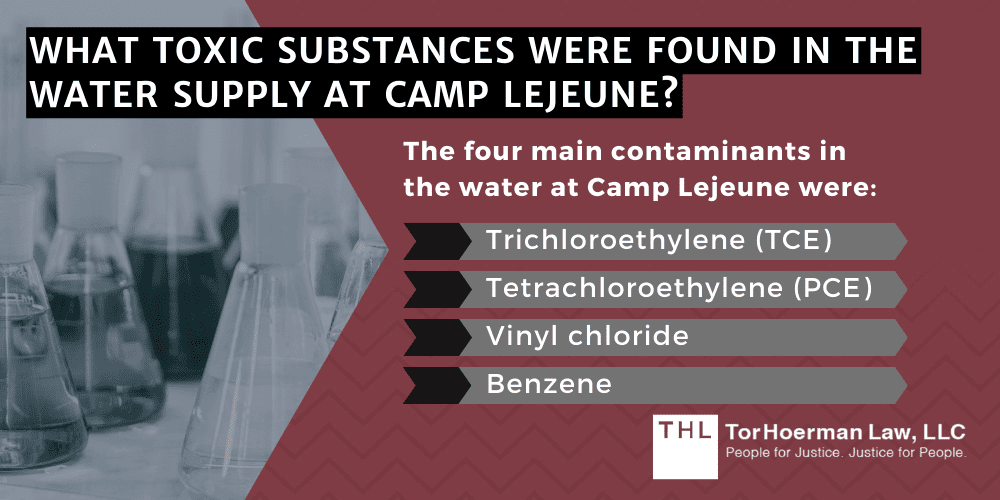
While the exact cause of appendiceal cancer is not well-understood, there has been some research into the potential links between exposure to volatile organic compounds (VOCs) such as trichloroethylene, tetrachloroethylene, benzene, and vinyl chloride, and the development of this rare malignancy.
These toxic chemicals were found to be the four most prominent contaminants in Camp Lejeune’s water supply.
Studies have found that exposure to trichloroethylene (TCE) has been linked to several different types of gastrointestinal cancer.
Tetrachloroethylene (PCE), known for kidney damage, has also been found to harm the gatrointestinal tract.
Other studies have linked exposure to vinyl chloride to an increased risk for gastrointestinal cancers.
Other Causes of Appendix Cancer
The exact cause of appendix cancer remains elusive, which is the case with many rare cancers.
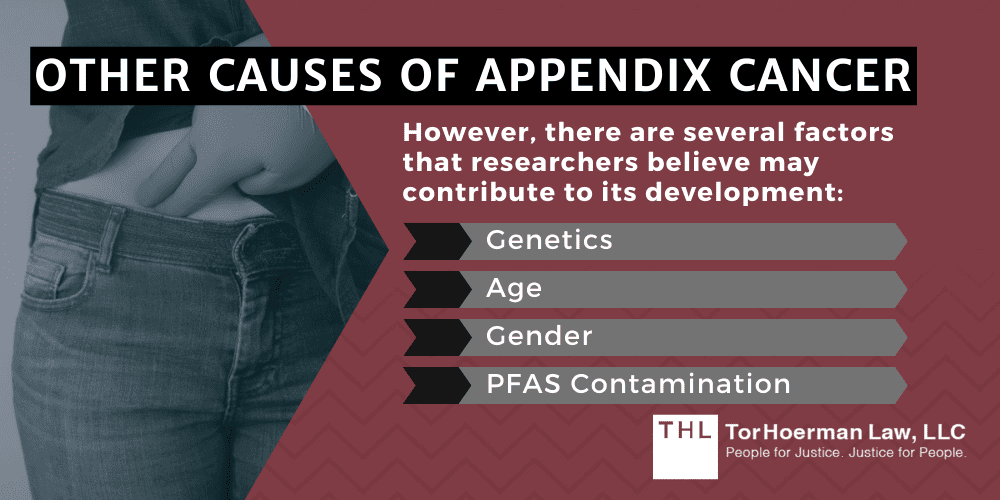
However, there are several factors that researchers believe may contribute to its development:
- Genetics: Family history and genetics can play a role in developing appendix cancer. The risk may be elevated if a close relative has had appendix cancer or other types of gastrointestinal cancers.
- Age: Appendix cancer is most commonly diagnosed in people aged 50 or older, although it can occur at any age.
- Gender: Some studies suggest women may be slightly more prone to appendix cancer than men.
- PFAS Contamination: Prolonged exposure to PFAS has been associated with various health issues, including several types of cancer, such as appendix cancer.
Appendix Cancer Complications
Appendix cancer can bring about a range of complications, some of which can be life-altering.
Understanding these complications is crucial for patients and their families as they navigate their journey with this rare cancer:
- Metastasis: One of the most significant complications of appendix cancer is its tendency to spread or metastasize. Cancer cells can break away from the primary tumor in the appendix and travel to other parts of the body, leading to secondary tumor formation and making treatment more challenging.
- Obstruction and Perforation: In advanced cases, appendix cancer can perforate the appendix (peritonitis) or cause obstructions in the intestines, leading to symptoms like abdominal pain, nausea, and vomiting.
- Surgery-Related Complications: While surgery is essential for treating appendix cancer, it can lead to complications such as infection, bleeding, and bowel obstructions.
- Chemotherapy and Radiation Side Effects: These treatments can have side effects, including fatigue, nausea, vomiting, and a weakened immune system, increasing the risk of infections.